
Should You Fix or Sell? Deciding Which RV Repairs Are Worth It
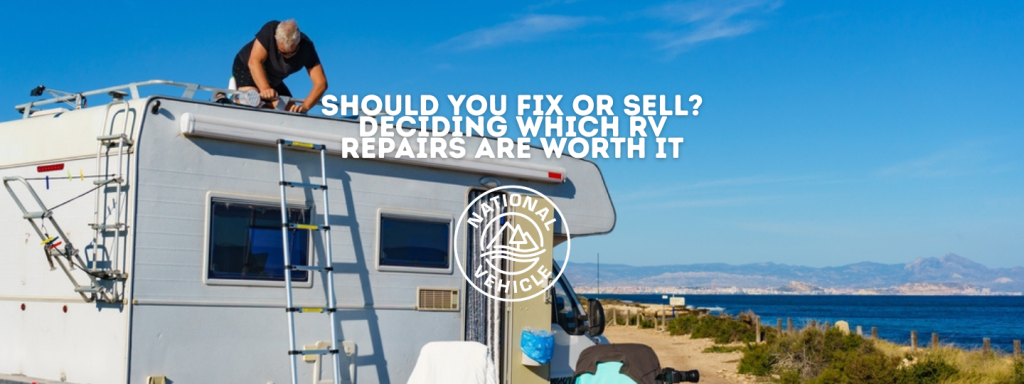

While every RV owner would rather not be answering this question, it is an important decision if you find yourself with a damaged RV. Even with careful driving and proper RV repairs, sometimes things happen that leave your vehicle in subpar condition.
Deciding whether to repair or sell your RV can feel like an overwhelming decision, as costs, safety, and future plans all come into play. Seemingly minor issues can turn into major expenses, but selling can feel like even more of a mystery. Should you invest in repairs to extend your RV’s life? Cut your losses and sell it as is? Or make some of the repairs before selling to try to maximize your resale value? The answer depends on several key elements, including repair costs, insurance coverage, market value, and your future RVing plans going forward. Understanding these factors will help you make a confident, informed decision that fits with your own budget and RVing lifestyle.
Here are 6 things to keep in mind while you decide if you want to repair or sell your damaged rig.
The Specific Cost of Repairs
One of the first things to consider is how much the required repairs would cost you. Having an actual dollar amount allows you to make an informed decision about repairs and the state of your RV. While you can learn a lot from doing research online or by word of mouth, it is most helpful to get a professional opinion. This is especially important if you have extensive damage, beyond just cosmetic issues like scratches in the paint. If you were in any type of accident—anything from a collision with another vehicle to a storm knocking down branches on your motorhome—there could be structural damage under the surface that you can’t see.
Insurance coverage
One factor that also significantly affects the cost of repairs is your insurance. There are many different types of insurance available for RV owners. Different coverages offer different benefits and would be recommended for different styles of RVing. A full-time RVer would want a different insurance plan than someone who takes their RV on a couple trips every summer and stores it over the winter.
If you have a damaged RV, you probably already researched different types of insurance and picked the plan you think will be best for you. When faced with repairs, it is important to know what your insurance will or will not cover, based on the damage and how it happened. Some plans only cover collisions while others cover a broader range of things like natural disasters or water damage. Having this information allows you to make an informed decision comparing the cost of repairs and the possible return from selling.
The extent and importance of repairs
While having an estimate of the repair costs is a necessary start, it is also important to understand the extent of the damage to your RV. Is it cosmetic—diminishing its “newness” or shiny appearance? Is it structural—affecting the load-bearing parts of the RV’s frame and potentially endangering the stability or safety of the vehicle? The cost of the needed repairs is completely different from the extent of the repairs or their importance.
If the problem is cosmetic, you might be able to continue using your RV. These surface-level scuffs and scrapes might lower a motorhome’s resale value. If you plan to own an RV long-term, selling your rig would also mean purchasing a new one. Ask yourself if the more travel-worn vehicle is sufficient for your RVing needs or if you are ready for an upgrade. Remember that it is smart to get a professional opinion before driving a vehicle with any kind of damage. An incident might appear to have created only surface-level damage but have also caused bigger, but less obvious, structural issues. It is not necessarily safe to drive a vehicle that you know is damaged.
Structural issues, on the other hand, make a vehicle unsafe to drive and stay in. If the repairs for this, minus whatever your insurance will cover, come out too costly for you to justify, then it might be time to sell. However, this decision should also be influenced by your vehicle’s actual market value—how much someone would likely be willing to pay for your RV in the current market.
As a private seller, it is always important to be honest with your potential buyers about the condition of the used RV you are selling. Unfortunately, the damage might deter some buyers or lower the amount they would be willing to spend. Many buyers get RV damage repaired before they sell, in hope of securing a higher selling price. Your target buyers are probably people who want to take on a repair project.
Your RV’s Actual Market Value
Before you decide to sell your damaged motorhome or travel trailer, you will need to determine its actual market value. Knowing this will enable you to make an informed decision about selling vs repairing your RV, because you can compare the actual numbers.
Finding an RV’s actual market value might not be something you have ever done before, but it is a very doable process with a little research. There are plenty of resources available to help you with this process, including NADA guides, online marketplaces, and local dealerships. Look for RVs for sale that are similar to your vehicle and check their selling prices to help you understand the current market.
If you are able to, find vehicles with the same make, model, year, and mileage as yours. If your RV is damaged, whether it has cosmetic or structural issues, try to find vehicles for sale with similar damage to see how open the buyers in your area are to these issues.
Remember that you will need to factor in the damage when determining your actual market value. While this may, unfortunately, deter some potential buyers, you must be honest and up front with buyers about the condition of your vehicle. This is essential to creating the trust between buyer and seller that is necessary for a good sale. If your RV is in very poor condition and you struggle to find a buyer for it, you can also consider selling it for scrap.
While determining your actual market value, a great place to start is National Vehicle’s free online RV valuation tool. The RV value you receive from us is based on current listing prices, Blue Book values, dealer comparable units, sold history data, and your individual vehicle’s condition.
Age and Mileage
Another important thing to consider is your RV’s age and mileage. All vehicles have a lifespan. An attentive owner can extend this lifespan by taking good care of their vehicle, but every RV has to retire eventually. In the same way that you consider age and mileage when you go shopping for a new RV, these details can also affect your decision to repair a motorhome or not.
It might be more worth it to repair an RV that is only a few years old or has very low miles, as opposed to one that is already ten to fifteen years old. Of course, maintenance affects this lifespan, including oil changes, engine cleaning, brake pad checks, interior cleaning, waxing, and good winterization. If you have taken good care of your RV, you know it is more likely to last longer if you invest in repairing it.

Long-Term RVing Plans?
After learning the estimated dollar amounts—for both your vehicle’s actual market value and potential repairs—another important decision-making factor is your own RVing plan for the future. Is RVing something you see in your future long-term or do you plan to stop if you sell your current RV? What are the most important RV features for you, and have you been thinking about upgrading?
A full-time RVer will have very different requirements for their motorhome than a casual RVer who only wants to hit the road for a few weekends every summer. If you RV with young children or plan to go boondocking off the grid, then the reliability of your vehicle is crucial to your safety.
Everyone approaches RVing with different plans and expectations. Your decision to sell or repair your rig depends on what you need from the RV in order to get your specific favorite traveling experience.
While on the road in an RV, it can become a home away from home quicker than other vehicles. While it can be hard to say goodbye to a motorhome with good memories, sometimes it is simply time for an upgrade to find new and better adventures.
If the selling process feels overwhelming to you, National Vehicle is here to help. We take care of pricing your RV and creating a strong online listing, and help you with preparing the vehicle for sale, connecting with buyers, and negotiations. Our listings go on our own online marketplace as well as other top platforms, and we offer premium ad placement. You can get peace of mind and expert experience to support you in the selling process.
Frequently Asked Questions:
Does fixing up an RV increase its resale value?
Fixing up an RV can increase its resale value, but there are very different types of repairs that provide different returns. Cosmetic improvements, like interior and exterior cleaning, touching up the paint, or updating appliances can make a strong impression on buyers. The vehicle’s appearance is not the whole picture in terms of RV ownership, but first impressions are often strong. Having a clean and updated RV can result in a faster sale.
However, major structural or mechanical repairs or upgrades can be expensive without guaranteeing a higher selling price. Many buyers expect the engine and essential systems to run, and the rig to be drivable and livable, so an RV with too many big issues might not be marketable. If you plan to sell your motorhome, compare the cost of improvements with the potential increase in resale value and determine if it is worth it financially, before you commit to making repairs,
How do I know when it is time to sell my RV instead of repairing it?
When the cost of the needed repairs gets close to or over the RV’s current market value, it may be time to put your vehicle up for sale instead of repairing it. Issues that may push an RV over the edge include extensive structural damage, ongoing mechanical problems, or issues that compromise the safety of driving or traveling.
Also consider the age and mileage of your vehicle. If it is an older rig or approaching 200,000 miles, repairs might not be worth it, especially if you were already considering an upgrade. Determine your RV’s current market value and compare it to the estimated cost of repairs. Factoring in your long-term travel plans—how many miles you want to get out of an RV in the future—can help you make a smart decision.
What is the average cost of major RV repairs?
The cost of major RV repairs can vary widely depending on the type of damage and severity of the issue. It can range from $2,000 to $10,000 or even more. Electrical and plumbing issues can add up quickly, especially if multiple systems are affected. The type of RV you own can affect the final price, since the availability of replacement parts and the cost of labor are factors as well. Getting a professional inspection and estimate is the best way to get a realistic understanding of the cost of major repairs.
7 Reasons Why Spring is the Best Time to Sell your RV

How Much Is MY RV Worth?
What to Inspect on a Used RV Before Handing Over a Deposit