
The Ultimate Pre-Season RV Maintenance Checklist
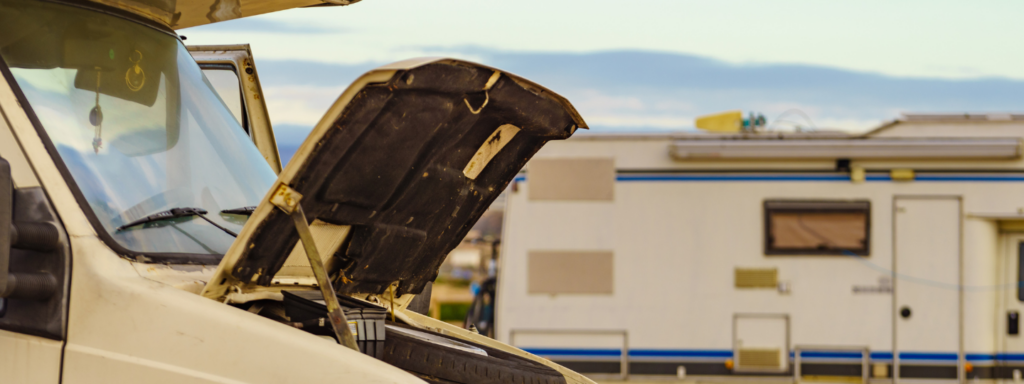

Spring is just around the corner and RVers across the nation are rejoicing! These last few weeks of winter are the perfect time to get the ball rolling on the prep work to get those RV tires rolling. While this can be a lengthy chore, the results of your hard work will pay off in spades for the remainder of the travel season. A little preparation can go a long way in making your trip enjoyable and safe!
Before you set off on your next adventure, it’s important to ensure your vehicle is in tip-top shape. So, use this maintenance checklist to ensure all parts of your RV are road-worthy and before you know it, all the hard work will be done in time for spring travels.
An ounce of prevention is worth a pound of cure, as the old saying goes. In the case of RV repairs, it is certainly true. It is estimated that annual maintenance costs can average between $1,000 and $2,000. That might seem expensive, not properly maintaining all parts and locations of a rig can be much more unsettling.
An additional statistic states close to 70% of damage seen by RV technicians is caused from a lack of regular maintenance. Inspecting the interior and exterior of a rig quarterly is a good idea, while some fellow RVers use this checklist before every trip, especially if they don’t hit the open road frequently.
After being idle for a long period of time, giving the rig a good ‘once over’ look is always the first step in the process. Take notes while you inspect the rig, end-to-end, top to bottom.
The Ins and Outs of RV Maintenance
When it comes to looking for needed repairs and worn out products, the process includes both interior (the ins) and exterior (the outs) sides of the walls, windows and vents.
Checking for worn out seals around windows, fans and vents is a key point of the checklist. Ensure the seals around doors, windows and side vents are properly fitting with no signs of tearing or gaping. If the damage seems minimal, an option would be to reapply sealant to protect from water damage.
Replacing a worn-out looking seal early can protect you from future damage (as well as unplanned expensive repairs). Skip the hassles and headaches faulty seals can cost and be proactive in the process.
The Power
A healthy battery is key to a reliable RV.
To check the charge of your batteries, use a voltmeter. Before taking a reading, ensure that the RV is disconnected from any electrical source to avoid getting a false reading.
If the voltmeter shows a reading close to 12.7 volts, this indicates a fully charged battery. On the other hand, if the reading is 12 volts or lower, it is recommended to charge the battery before heading out on your adventurous road trip.
The Covers
Making a preparation list wouldn’t be complete without some spring cleaning. Take time to clean both the inside and outside of the windshield and all windows.
Additionally, don’t forget to check and clean the awning. Start by brushing off any accumulated debris or grime. This buildup can lead to corrosion or rust and may interfere with the sealing.
Regularly cleaning and lubricating the rails in both spring and fall will help extend the lifespan of the parts and reduce the need for replacements.
The Rolls and Stops
Checking for brake issues or worn tires is an important part of the maintenance checklist. For both, there are some needed steps to ensure that both tires and brakes are in tip-top condition.
Tires (the Rolling)
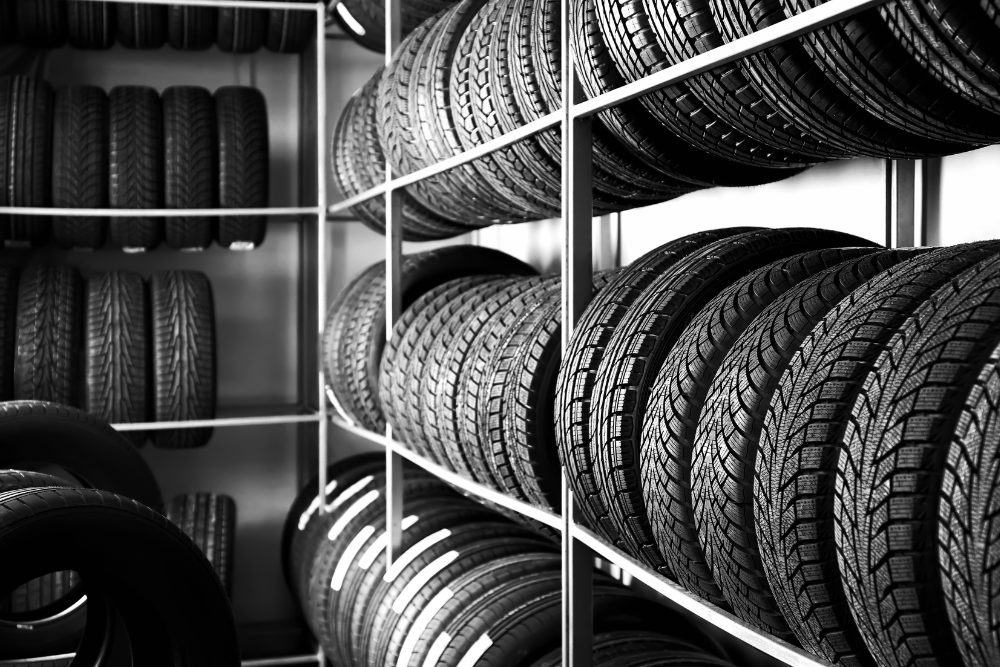
Your tires are your RV’s connection to the road, so it’s crucial to inspect them regularly. Check for proper inflation, tread depth, and any signs of wear or damage. Don’t forget to check the spare tire.
There are four steps for checking the condition of tires: looking at the sidewall condition, the interior and exterior of the wear and tear of the tire itself, and the depth of the tire tread.
Measure the tread and replace any tire that has a tread less than 2/32nds of an inch. This can be easily found out by using a tire tread depth gauge.
When it comes to sidewalls, you can eyeball for cracks, bulges or cuts or gouges. When any of these are easily visible, replacing them is an absolute necessity. If tire covers weren’t used on an uncovered RV for a period of time, it is likely that there will be cracks, as sunlight can do some damage to unprotected tires.
In addition to a tire tread depth gauge, another tool that is helpful is the tire pressure gauge. Once you see there isn’t damage, it is recommended to check the air pressure in all tires, including the spare. If the air pressure registers lower than the owner’s manual suggests, add air until you reach the proper pressure balance.
Brakes (the Stopping)
Your brakes are one of the most critical components of RV safety. Have them checked to ensure they’re functioning correctly. Look for signs of wear on brake pads and listen for any unusual noises when braking.
You should clean and lubricate the brakes, then test them at a low speed to ensure they function properly.
The Liquids
Make sure to top off all essential fluids, including engine oil, coolant, brake fluid, and transmission fluid. Keeping these levels in check will help your RV run smoothly and avoid any breakdowns.
The Lights
Functioning lights are essential for safety. Test your headlights, and make sure to wash off the covers to ensure optimum brightness. Also, be sure to check the brake lights, turn signals, and interior lights to ensure everything is working properly. Replace any burned-out bulbs to keep your RV visible on the road.
The Heat
If your RV uses propane, ensure the tanks are full and the system is leak-free. Conduct a quick test with soapy water; any bubbles will indicate a leak. Check the expiration date on propane tanks, and replace them if they’re expired.
The Comforts
Before you hit the road, make sure all appliances and systems are in working order. Test the refrigerator, stove, water heater, and air conditioning to ensure everything is running smoothly.
Other Systems
Make sure the freshwater system is functioning properly. Check the city water connection and the water pump. Inspect all valves, toilet, and faucets to ensure they are in working order. Flush and then refill the freshwater tank at least once a year to check for leaks in the upper portion of the tank, as well as in the fill hose and vent tube
Odds and Ends
These are some important pieces of the maintenance checklist that can easily be overlooked. First up, ensure your insurance policies are up to date. If traveling with a pet, bring along their vet history of shots and contact information for the veterinarian office.
While inspecting the exterior of your RV, don’t forget to take a quick look at the license plate tabs. It’s important to ensure they are current and legal, as this is an easy detail to overlook. Additionally, clean any dirt or grime off the license plate for improved visibility.
Inspect generators for any signs of damage and then check the oil level. If the generator has been dormant for several months, start it up and let it run for a few hours. Ensure that all gauges display the correct readings. Verify that the lights are functioning properly and check the inspection sticker to ensure it is up to date.
If you’re traveling with a tow car, consider keeping an extra set of keys in the RV glovebox in case the original set gets lost.
Here are a few more tips to keep in mind:
- Ensure the ladder is securely fastened to the roof.
- Change the oil filters and replace the air conditioning and heating system filters.
- Conduct a quick check of the door lock system.
- Before heading out on your trip, visit your mechanic for a complete pre-trip inspection report.
- Keep a log of when maintenance and replacements occur to ensure everything stays on track in the future.
The Supplies
Be sure to stock your RV with essentials. This includes kitchen supplies, bedding, first-aid kits, and any camping gear you might need. Also, bring along the board games, extra batteries and a few portable cell phone chargers. Don’t forget to pack snacks and drinks for the road!
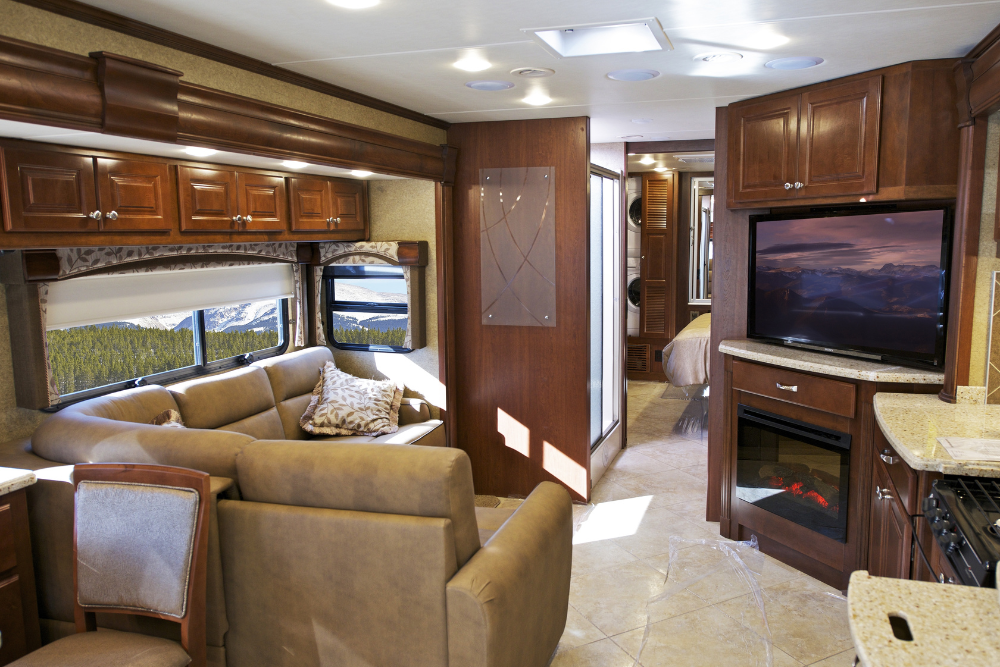
Last but not least, spend a bit of time conducting some spring-cleaning steps. t is essential to air out RVs, especially those that have been unused for a few months, but all RVs can benefit from this practice. Open the windows and roof vents for a while, and check that they are functioning properly. Next, clean the cabinets, windowsills, and the tops of appliances. Vacuum inside the cabinets, carpets, and sleeping areas.
If bedding and towels were stored in the RV, wash them. Make sure the first-aid kit is fully stocked, and check that the flashlights have fresh batteries or are fully charged. Ensure that the fire extinguisher is operational. Additionally, check other safety devices, such as the LP detector, carbon monoxide detector, and smoke alarms.
The Bonus
After deciding where you are going and how long you will stay, mapping out a route is the next step. Consider your intended stops and make reservations if necessary. Familiarize yourself with the areas you’ll be traveling through for a smoother trip.
The End
By following this friendly checklist, you’ll ensure your RV is safe, reliable, and ready for the open road. Remember that a little preparation can lead to a lot of fun and unforgettable memories. Happy travels!

RV Maintenance: 101

Winter Wonderland: 8 Tips for RVing in Cold Weather
DIY RV Repairs: 5 Essential Skills Every RVer Should Have