RV Selling FAQ
Value
What is the best way to determine the value of my RV?
The value of an RV can vary widely based on its age, condition, make, model, upgrades, and other factors. Start with a pricing site like NADA and then find more current information from exact match and similar RVs currently listed for sale or recently sold. If you are interested in learning more about the value of your RV, let us know. We have access to RV blue book values, sold history data and comparable units that will help you determine exactly what your RV is worth
How much should I expect to negotiate on the price of my RV?
The amount that you can negotiate on the price of your RV will depend on a number of factors, including the make, model, age, condition, and overall demand of your RV.
It is important to be prepared for negotiations by knowing the fair market value of your RV, and being willing to compromise on price and other factors, such as delivery, financing, or other terms of sale. It is not unusual to negotiate 5% for an RV above $50,000 and 10% for RVs below $50,000. Ultimately, you the seller gets to dictate the amount you sell your RV for.
Should I consider consignment as an option for selling my RV?
Consignment can be a good option for selling your RV if you don’t want to deal with the hassle of selling it yourself. However, one of the cons of selling your RV through consignment is the cost associated. Typical broker contracts charge a 10% commission on the sales price. If the idea of paying a broker 10% doesn’t concern you, then consignment could be a good option for you. In our opinion, it is quicker and easier to sell privately or trade in straight to a dealership, versus hanging on to a depreciating asset and handing control to a consignment lot.
Preparation
How can I prepare my RV for sale?
Preparing your RV for sale is an important step to make sure it looks its best and is in the best condition for potential buyers. Here are some steps to take to prep your RV before it hits the market:
- Clean the interior/exterior
- Check the mechanical systems
- Check the electrical systems
- Check seals, gaskets, roof, windows and plumbing for leaks
- Make any necessary repairs
- Take good photos
A little preparation goes a long way when selling an RV. Showing a clean RV with all repairs made shows buyers that the RV has been well cared for, and they can trust you in the buying process.
What paperwork do I need to sell my RV?
When selling an RV, you will need to prepare some paperwork to ensure a smooth and legal sale. In all cases, we advise verifying with your state DMV that you have your bases covered. Here are some important documents you should have ready when selling:
RV title: if paid in full and no lien
Bill of sale: state specific generated from the state the RV is licensed in.
Warranty documents
Maintenance records
Any other required documents: depending on your state and the type of RV, there could be other required documentation. Always check with your DMV. (Here is a list of state DMV websites).
Can I sell my RV with an outstanding loan or lien?
Yes, you can sell your RV with an outstanding loan or lien. This is a very common practice. Your first step is to determine the outstanding balance or payoff amount. In some cases, your RV may be worth less than you owe on it. This means that you will need to make up the difference when you sell the RV. So at closing you will need to send money to the bank equal to the difference between what you owe the bank and what the RV sells for. (For example, if you sell your RV for $31,000 but you owe $34,000 on it still, you will need to send the bank $3,000 at closing – they will often refinance the difference, so check with your bank early in the process).
Should I have my RV inspected before selling it?
A pre-sale inspection can give potential buyers confidence in their purchasing decision and make your RV more attractive. However, inspections cost money ($300-800), are not expected by most buyers, and are generally not necessary provided your RV was cared for properly. An exception may be for a custom RV. A schoolie or homemade RV may sell better/faster if it has been inspected by a professional.
Should I include any accessories or extras when selling my RV?
Including accessories and extras with your RV can make it more attractive to potential buyers. When deciding whether to include extras with your RV, make sure to factor in the cost of the items and the potential increase in the selling price. Ultimately, you, the seller, get to decide what extras, if any, to include.
Can I sell my RV to someone in another state?
Yes, you can sell your RV to someone in a different state. The bill of sale should originate from the state in which the RV is licensed. Additionally, any expenses because of an intrastate sale (i.e., transportation, state title inspection) are typically covered by the buyer, unless otherwise negotiated during the sale.
Timing
How do I sell an RV quickly?
If you want/need to sell your RV fast, there are several things you can do to increase your chances of a fast sale.
- Price your RV competitively (not too low, not too high – we have a free RV Valuation service to help you.)
- Clean/detail/declutter your RV.
- Take a lot of good quality photos.
- Advertise your vehicle on reputable RV sites with lots of traffic.
- Respond to every inquiry or question quickly.
- Respond to every offer no matter how low.
These steps will increase the likelihood of selling your RV quickly.
When is the best time to sell my RV?
The best time to sell an RV can vary depending on a few different factors. Here are some things to consider when deciding when to sell your RV:
- Season – demand can vary depending on time of year – similar to home sales, late December is probably the slowest time, but by February/March things heat up again.
- Market demand – supply and demand can dictate a successful selling experience – in the middle of COVID quarantines there was a dramatic increase in RV demand because people wanted to be free to travel.
- Age and condition – plays a role in determining the best time to sell your RV – people may look at an 8 year old RV in a better light than a 10 yr old RV.
- Personal circumstances – financial or other personal circumstances, can influence the best time to sell your RV.
Every RV will sell, but the time it takes and the price the market will offer, will vary. If you need to sell, then sell. Keep in mind that RVs generally depreciate, and there is a cost to keeping an RV to wait for the “right” time.
What should I do if my RV is not selling?
If your RV is not selling, there are a few things you can do to increase your chance of finding a buyer:
- Re-evaluate the price
- Improve the listing description
- Add pictures & replace poor quality pictures.
- Make repairs, even little ones.
Selling an RV can be a process, but with persistence, patience, and effort, you will eventually find the right buyer for your RV.
Can I still use my RV while I am selling it?
If you are selling your RV on the private market (not through a dealer or via consignment), yes, you can still use it while in the process of finding the right buyer. Be sure to update the mileage on your listing and keep your RV in good shape for showings.
Protection
How do I protect myself when selling my RV?
Selling an RV can be a significant transaction, so it’s important to take steps to protect yourself as a seller. Here are some tips to protect yourself when selling your RV:
- Be honest/clear about the condition of the RV
- Use a secure payment method – like a wire transfer or escrow company.
- Get a signed agreement, i.e. Bill of Sale
- Complete the necessary paperwork – bill of sale, title transfer, etc.…
- Take off the license plate before you give possession of the vehicle.
- Never talk to anyone who wants to pay you more than the RV is worth and have you give them money back.
- Be cautious of scams
Lastly, if you ever feel the need to talk to experts regarding the sales process, feel free to contact us with any questions you may have.
What are the most common mistakes to avoid when selling an RV?
There are a few common mistakes that sellers can make that may impact their ability to sell their RV. Here are some of the most common mistakes to avoid when selling an RV:
- Cleanliness: Clean and declutter to be sure people don’t get distracted by little things that are easy to correct.
- Overpricing: set the price in connection with the market.
- Neglecting maintenance: a lot of little things wrong can cause people to wonder about the soundness of the RV.
- Inadequate marketing: selling your RV requires advertising in the correct places. In our experience this includes sites like eBay, RVTrader, RVUSA, & RVT.
- Not responding to inquiries.
- Not being honest about condition
What are some common scams to watch out for when selling my RV?
Unfortunately, there are some scams to watch out for when selling your RV. Here are a few of the most common ones:
Overpayment scam – never work with anyone who wants to send a check for more than the asking price and have you send them money back.
Bad personal check or cashiers check – accepting payment by these methods without validating funds is risky. Talk to your bank if you will be accepting a check.
Communication only via text – Someone really interested in your RV will be willing to talk on the phone or in person as the deal progresses.
Identity theft – providing too much information to a prospective buyer can leave yourself vulnerable to identity theft. Never give your personal information (bank account, loan number, social security number, driver’s license number to a prospective buyer).
Should I disclose known issues or repairs needed with my RV when selling it?
Yes, it is important to disclose any known issues or needed repairs with your RV when selling it. When disclosing issues or needed repairs, be honest with potential buyers. It is also good to have maintenance records and documentation for repairs you have done.
Can I sell my RV to someone in another state?
Yes, you can sell your RV to someone in a different state. The bill of sale should originate from the state in which the RV is licensed. Additionally, any expenses because of an intrastate sale (i.e., transportation, state title inspection) are typically covered by the buyer, unless otherwise negotiated during the sale.

RV Buying FAQ
Costs
Is it financially smart to buy an RV?
Whether it is financially smart to buy an RV really depends on your financial situation and priorities. Things to consider include:
- Cost: RVs can be expensive to purchase, and ongoing maintenance should be considered.
- Frequency of use
- Resale value: RVs depreciate over time, which means you may not recoup your initial investment.
- Lifestyle: if you enjoy traveling and exploring new places, an RV can be a great way to do so.
- Financing: if financing your RV, you should consider your monthly payment, interest rate and how long the loan will be.
If you have the budget and enjoy traveling, an RV can be tremendously rewarding.
Can you save money living in an RV?
Living in an RV can be a cost-effective way compared to traditional housing, but it depends on your lifestyle and travel plans. It’s essential to consider all the costs involved, including the initial cost of the RV, ongoing maintenance and repair, and cost of travel.
When is the best time to buy an RV?
The best time to buy an RV depends on several factors, including your budget, travel plans, and current market conditions. Here a few times to buy an RV:
- End of season sales
- RV shows
- The “off-season” – late December has the lowest prices but also the lowest inventory. In late spring or summer when everyone else is buying, RVs will be harder to find because of demand and potentially more expensive.
How can I finance my RV purchase?
Banks will often be willing to provide financing for RVs. There are a few places that specialize in RV Financing, and may be able to respond quicker and find better rates than banks. For help financing your RV, we suggest Great RV Loan. In addition to having access to great rates, they are known for the personal service they offer their clients.
What are some common RV financing mistakes?
The biggest RV financing mistake we see is biting off more than you can chew. When purchasing an RV, it is best to check your finances, set a budget, and then stick to it! Remember licensing and insurance will need to be paid as soon as you buy an RV.
What is the cost of RV insurance and what does it cover?
The cost and coverage of RV insurance can vary widely depending on a variety of factors. We have teamed up with American Adventure Insurance to provide RV insurance policies in all 50 states for private buyers like you. They work with all major insurance providers so their rates are always competitive, and they get you the coverage that you need while on the road.
Protection
Should I purchase an extended warranty for my RV?
Whether or not to purchase an extended warranty for your RV depends on your personal situation and risk tolerance. Some factors to consider include the cost of the extended warranty, age and condition of the RV, likelihood of repairs, coverage and exclusions, and your personal risk tolerance.
If interested in finding out more about an extended warranty, Wholesale Warranties helps RV owners protect their investment. They will give you a quote, and you can decide from there.
How can I determine the condition of a used RV before purchasing it?
Before purchasing a used RV, it’s important to have the RV professionally inspected to determine it’s overall condition. Companies like Premier RV Inspections perform professional inspecitions for buyers across the US. Remember, a thorough inspection can save you a lot of money in the long run.
Can I test drive an RV before I buy it?
Test driving an RV is an important part of the RV buying process, as it allows you to get a feel for the vehicle and make sure it’s a good fit for your needs. Make sure to ask the seller about any requirements or restrictions they have.
Considerations
What type of RV is best for my needs?
The type of RV that is best for you depends on your lifestyle, travel plans, and personal preferences. When researching what RV you should buy, start with what class of RV best suits your travel needs. From there you can find an RV within the class that has all the amenities that you desire. This is a big topic and we have more information in this blog on: Which RV is Best for Me?
Should I buy a used or new RV?
Ultimately, the decision to buy a new or used RV comes down to your budget, the features you need, the availability to find the RV you desire, and your comfort level with owning a pre-owned RV over a new RV. There are pros and cons to each. Here are a few to consider:
New RV
Pros
- Latest features and technology
- Manufacturer’s warranty
- Customizable options
- No previous wear and tear
- Less short-term maintenance
Cons
- Higher cost
- Faster depreciation
- May haven initial issues and bugs to work out
- No history of reliability
Used RV
Pros
- Lower cost
- Depreciates at a slower rate
- May have necessary upgrades or modifications
- Proven track record of reliability
Cons
- Risk of pre-existing issues
- Limited customization options
- Financing could be more difficult and expensive
- Cost of maintenance will probably be higher than buying new
- Make sure to do your research and find out what your best option is. If you are patient and do your due diligence, there are some great benefits to owning a used RV.
What are the most important features to look for in an RV?
When looking for an RV, the most important features to consider really depend on your needs and preferences. Provided the RV has all the amenities and features you are looking for, the overall condition of the vehicle is just as important as the features it comes with.
What is the process of transferring ownership of an RV?
The process of transferring ownership of any RV varies depending on the state or province in which you are located. It is important to note that the specific requirements are regionally based, so it’s a good idea to check with your local DMV or equivalent agency for specific instructions and requirements. (State DMV list is available here.)
Can I drive an RV with a standard driver’s license?
The requirements for driving an RV with a standard driver’s license vary depending on the state or province where you are driving. It’s important to check the laws and regulations in your specific location for the type of RV you plan to drive to ensure that you have the correct license and endorsements.
What are the benefits of joining an RV club or association?
There are many benefits of joining an RV club or association: you can access discounts and deals, help in finding community and socializing, educational resources, advocacy and representation, group travel opportunities, etc.… Find a club or association that meshes well with you and become a member! One great way is to ask other RVers who you enjoy being around at the campground which clubs they are members of.
How do I properly maintain and store my RV when not in use?
Proper maintenance and storage of your RV when it’s not in use is essential for keeping it in good condition and ensuring that it’s ready for your next adventure. A few things you can do to make sure your investment is protected is to clean and inspect the RV regularly, drain and winterize your plumbing system, check the tires and keep them covered when not in use, disconnect the battery, keep or use a cover, store in a dry location, and lastly perform regular maintenance checks and fix issues when found.
What maintenance and upkeep is required for owning an RV?
Owning an RV requires regular maintenance and upkeep to ensure that it stays in good condition and operates safely. Some of the most important maintenance tasks include:
Tire maintenance: check tire pressure and condition often, rotate as needed.
Regular inspections: check for damage, wear and tear, cracks, or potential leaks, etc.…
Keep it clean: prevents damage from dirt, debris, and weather.
Fluid checks: check and change all necessary fluids regularly.
Battery care: check the health and charge level, clean the terminals, replace as needed.
Plumbing: check for leaks and keep systems clean.
Winterization: fully winterize your RV to prevent freezes damagingthe RV, and to prevent mold rot and clogged pipes and tanks.
Roof maintenance: inspect regularly and make any necessary repairs to prevent leaks immediately.
Pest control: seal openings, use repellents, and clean the RV completely after every use.
Regular use: using an RV is the best way to keep your RV in good working order. One of the worst things for an RV is to just sit around.
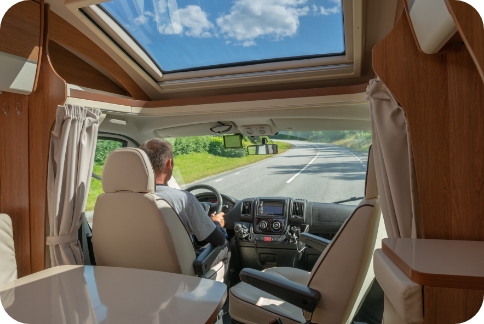
Browse our extensive selection of RVs by type, brand, class, price and more.