
Why Your Bilge Pump Deserves More Attention Than You’re Giving It

Out of sight, out of mind. For many boat owners, this matches perfectly how often they think about the bilge pump. Tucked away in the darkest, deepest, and grimiest compartment of your vessel, it sits silently beneath the floorboards. You rarely look at it, you rarely think about it, and as long as your boat stays afloat, you assume everything is working perfectly.
Why take this chance when you just need to add it to your regular maintenance checkups?
Your bilge pump is not just another utility onboard like a freshwater or a live well aerator pump. It is your boat’s primary defense against catastrophic flooding. It is the unseen guard that stands between a safe day on the water and a call to the Coast Guard—or worse, a salvage claim.
The Bilge Environment Reality
To understand why your bilge pump requires regular attention, you must first appreciate the environment in which it operates. The bilge is not a clean, dry utility closet. It is a collection point for everything that drips, leaks, or spills inside your boat.
A typical bilge contains a harsh mixture of:
- Corrosive Saltwater – If you operate in marine environments, saltwater constantly invades electrical connections and metallic components.
- Petroleum Products – Engine oil, diesel fuel, and gasoline vapors create a sludge that can degrade plastic housings and rubber seals.
- Abrasive Debris – Fiberglass strands, dropped screws, hair, fish scales, and other organic matter gather in the sump.
Extreme temperatures compound these issues. The bilge experiences heat when engines are running, followed by damp, cold during winter storage.
You can’t expect your boat’s bilge pump to sit in this soup mixture for months or years at a time, yet spin up instantly to maximum RPM. This is probably the top piece of equipment on your boat that is subjected to such extreme conditions with expected 100% reliability.
Understanding the Bilge Pump
Most recreational boats rely on submersible centrifugal bilge pumps. These units use an electric motor to spin an impeller, which forces water outward and up through a discharge hose. Because centrifugal pumps cannot pull air, they must be fully submerged in water to move it—meaning they are not self-priming.
A complete bilge pump system relies on three critical components working in perfect harmony:
- The Pump Unit – This houses the electric motor, the drive shaft, and the spinning impeller. Modern pumps generally feature sealed motors, but over time, seals can degrade, allowing water to get into the motor casing and cause an electrical short.
- The Switch Mechanism – A pump is only as good as the switch. Automatic systems use a float switch, a mechanical flapper that rises with the water level to complete the electrical circuit. Newer vessels often use electronic switches that detect water presence through conductivity or capacitance, eliminating moving parts but introducing sensitive circuitry.
- The Plumbing and Electrical Infrastructure – This includes the wiring harnesses, the smooth-bore or corrugated discharge hose, and the thru-hull fitting. A restriction anywhere in this plumbing line—such as a kinked hose or a mud dauber nest in the thru-hull—can reduce your pump’s capacity to zero.
What Are the Signs That My Bilge Pump Is Failing?
Total, sudden mechanical failure is actually less common. You will more than likely experience a slow decline in performance. If you wait for the pump to completely die before replacing it, you will likely discover the failure when your ankles are already wet.
Look out for these warning signs that indicate your bilge pump system is on its last legs:
- The Pump Runs but Moves No Water – If you hear the motor humming loudly but the water level in the bilge isn’t dropping, the pump is either “airlocked” (trapped air preventing priming) or the impeller has broken off the drive shaft.
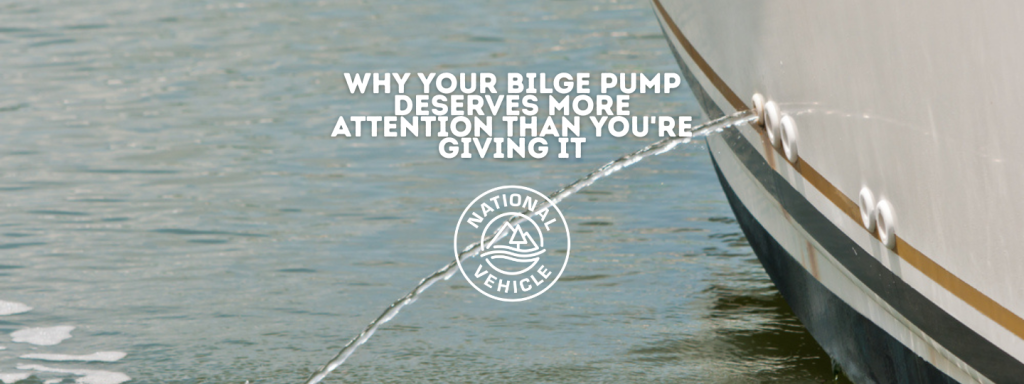
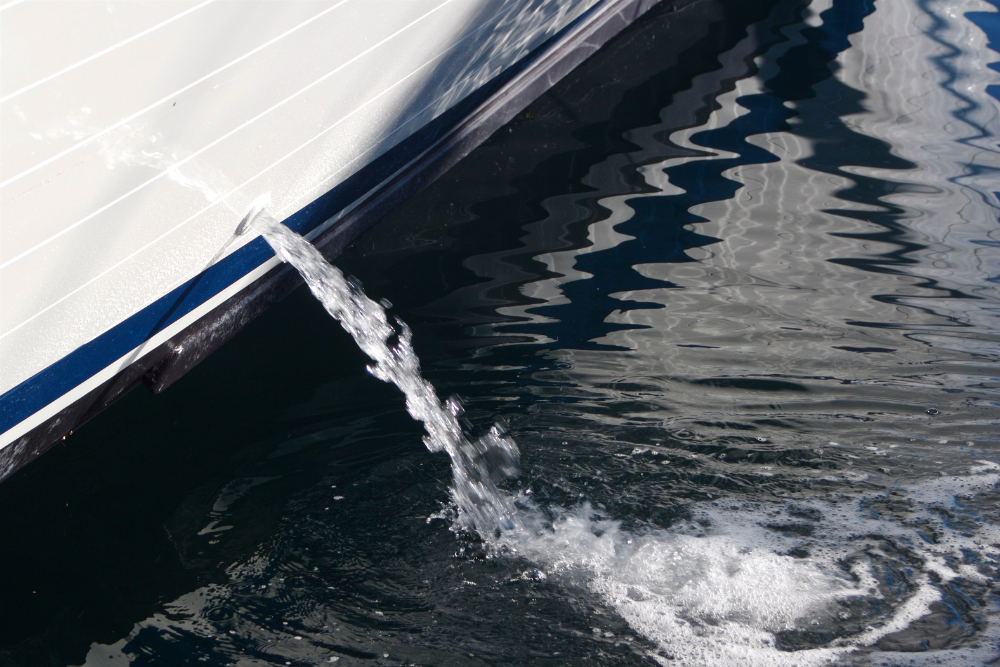
- A Slow, Sluggish Discharge – A healthy pump should have a strong, solid stream of water out of the thru-hull fitting. If the stream looks like a leaking kitchen faucet or a weak trickle, your impeller is damaged, your battery voltage is low, or the discharge hose is heavily clogged.
- The Switch Sticks or Fails to Activate – If you lift your float switch and the pump doesn’t turn on—or if you drop the switch and the pump keeps running indefinitely—the switch is failing. Mechanical float switches often get jammed by sludge or wedged under loose wires.
- Excessive Noise or Vibration – A pump that whines, rattles, or vibrates excessively is telling you that its bearings are shot or that debris is jammed inside the impeller housing.
- Blown Fuses – If your bilge pump repeatedly blows its inline fuse or trips the circuit breaker, the motor is drawing too much current. This usually happens when the motor is binding, or when water has breached the sealed motor casing, creating an internal short.
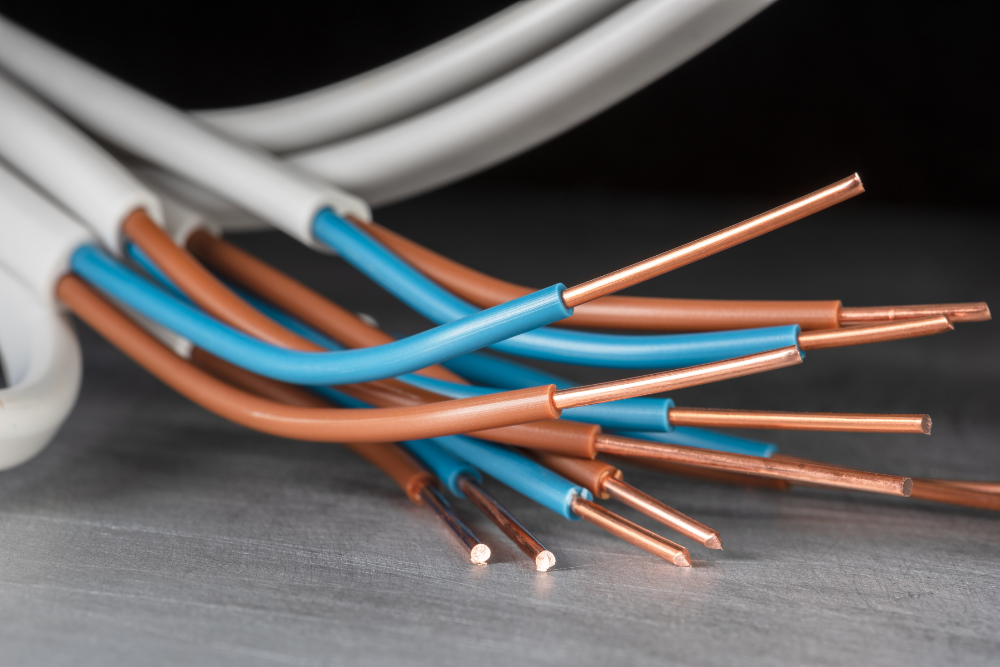
- Corroded or Green Wiring – Marine wiring turns a distinct green color when exposed to moisture and oxygen (copper oxidation). If the wiring leading into your pump is stiff, brittle, or green, electrical resistance will jump, reducing power to the pump.
Can a Boat Sink From a Failed Bilge Pump?
YES. A failed bilge pump is one of the leading causes of boats sinking, both at the dock and while underway.
Statistically, more boats sink at their storage slips than out on the open ocean. When a boat is left unattended at a marina, it relies entirely on its automatic bilge pump system to manage buildup of water. If that system fails, a minor, manageable leak will turn fatal for the vessel.
You should already be aware of these potential issues, but here are common ways water finds its way inside a boat:
- Drip Leaks – Traditional packing glands (stuffing boxes) around propeller shafts are designed to drip slowly when the engine is running. If a packing nut loosens, that slow drip can accelerate into a steady stream.
- Failed Through-Hull Fittings – Every underwater hole in your hull (for engine cooling water, livewells, or depth sounders) relies on a valve (seacock) and a hose. If a hose cracks or a corroded hose clamp snaps, water will rush into the hull under immense pressure.
- Rain and Weather – An open cockpit, an improperly fitted canvas cover, or blocked cockpit deck drains can cause heavy rain to drain straight into the bilge. During a severe storm, hundreds of gallons of water can pour into a boat within a few hours.
The Phenomenon of Progressive Flooding
When a bilge pump fails to clear this buildup of water, a dangerous chain reaction begins in your boat…we call it progressive flooding.
As water fills the bilge, the boat rides lower in the water. This added weight increases the hydrostatic pressure on the original leak, causing water to enter even faster. Soon, the water level reaches the boat’s batteries, shorting out the entire electrical system. At this point, even if you have a backup manual pump, your primary electronics, radios, and engines may die.
Once the water rises high enough to shift freely as the boat rocks, the “free surface effect” takes over. This massive, shifting weight of water destroys the boat’s stability, causing it to capsize or founder instantly.
How Long Does a Bilge Pump Usually Last Before It Needs Replacing?
In the marine industry, the lifespan of a bilge pump is measured more by environmental exposure and maintenance than by a calendar date. However, as a general rule of thumb, a high-quality, properly installed bilge pump will typically last between 3 and 5 years under average operating conditions.
This lifespan can fluctuate dramatically based on several key variables:
Cheap, unbranded bilge pumps may fail within a single season, while premium, heavy-duty commercial pumps can sometimes survive for a decade if they are kept extremely clean. Because the price of a top-tier bilge pump is incredibly low compared to the value of your boat, replacing your pump every 4 years, even if it still functions, is highly recommended.
The Rules of Bilge Pump Maintenance
You do not need to be a certified marine technician to keep your bilge pump system in operational order. Implementing a simple, regular maintenance routine will ensure your pump is ready when disaster strikes.
- Perform the “Bucket Test” – Do not just click the manual switch on your dashboard and listen for a buzz. A pump can spin dry but fail under load. Instead, fill your bilge with water using a garden hose until the automatic float switch lifts on its own. Watch how quickly the pump evacuates the water. Look at the discharge stream outside the boat to ensure it is strong and uninhibited.
- Clean the Strainer Basket – Almost all submersible pumps feature a snap-on plastic base that doubles as a debris strainer. Periodically snap the pump motor out of its base and clear away the hair, fish scales, and slime that clog the intake grates.
- Keep Oil Out of the Sump – Never use your bilge pump to pump out oil or fuel; doing so is highly illegal and carries massive environmental fines. Use oil-absorbent pads (often called “bilge pigs”) to soak up any stray petroleum products floating on top of the bilge water. This keeps your pump plastics and switches from dissolving or gumming up over time.
- Seal Your Electrical Connections – The number one cause of bilge pump failure is not a burnt-out motor; it is poor wiring. Every wire connection made in the bilge must use marine-grade heat-shrink butt connectors filled with waterproof adhesive sealant. Standard automotive twist-nuts or electrical tape will fail within weeks in a damp environment.
Designing a Redundant Pump System
If you only have one bilge pump on your boat, you are living on borrowed time. As a smart boater, you should rely on redundancy. If your primary pump fails, you should have a secondary line of defense.
A gold-standard bilge system consists of three distinct tiers:
- Tier 1: Primary Pump – Installed lowest in the bilge. Clears daily nuisance water (500 – 800 GPH).
- Tier 2: Secondary Pump – Mounted 3–6 inches higher. High-capacity emergency unit (1500 – 2000 GPH).
- Tier 3: High-Water Alarm – Wired directly to a loud horn to instantly alert the captain of a crisis.
By separating your pumps into a low-capacity “nuisance” pump and a high-capacity “emergency” pump, you protect the heavy-duty unit from the daily wear and tear of a dirty bilge. If the high-water alarm ever triggers, you know instantly that your primary pump has been overwhelmed or has failed, giving you precious minutes to locate the leak and don life jackets.
Your bilge pump requires very little – no fuel, very little electricity – and can be completely inspected and cleaned in less than fifteen minutes. Yet, the returns on that tiny investment of time are immeasurable.
Start lifting your deck hatches, clean out the grime, test your switches, and ensure your pump is armed and ready. Your boat, your passengers, and your life may one day depend entirely on its ability to work.
Frequently Asked Questions
What are the signs that my bilge pump is failing?
Watch for these signs: A running pump but no moving water, a slow discharge, the switch doesn’t activate, lots of noise or vibrations, blown fuses, or corroded wiring. These are all indicators the pump is giving up.
Can a boat sink from a failed bilge pump?
The short answer is YES. Excessive rain can flood your boat. Drips or leaks in the boat or an unknown hull issue can bring in water too. Your bilge pump is your backup for unexpected events.
How long does a bilge pump usually last before it needs replacing?
It does depend on whether you are buying a low- or high-quality pump, how often you boat, and what your maintenance activity is, along with other variables. But on average, a pump can last anywhere from 3-5 years.

Fall Care for Boat Canvas, Snaps, and Zippers

Boat Cleaning Hacks for Saltwater vs. Freshwater Boaters

19 Boat Cleaning Hacks for Saltwater vs Freshwater