
Boat Storage and the Common Mistakes to Avoid


If you follow the warm weather around the world and boating is your main way of life, you probably don’t need to worry about boat storage. For boat owners in the northern climates who depend on good weather and time off, boat storage is a way of life, too. We know it’s an important part of the process because it maintains the value of our boat. Most importantly, it gives our boat a long life and allows us to take many trips to the water.
Boat Cleaning for Winter
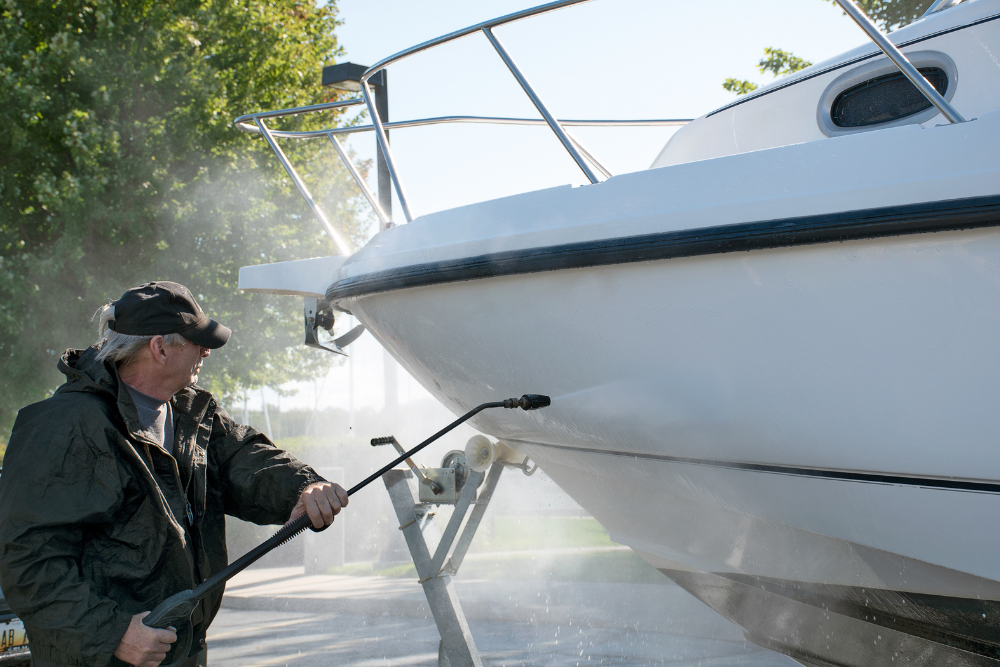
The biggest chore of storing your boat for the winter is a really deep cleaning. You should start by removing everything from the boat. Don’t overlook life vests, cloth items, and food. This is going to prevent mold and mildew and also keep pests from being attracted to your boat when it is in storage. Once you have the inside cleaned out, work on the exterior of the boat. Give it a good wash to remove dirt, salt, and buildup from the water. These things can also instigate corrosion while the boat sits. Take it one step further and apply marine wax to the hull.
Winterizing Your Boat Engine
One of the most expensive pieces of equipment on your boat will be your engine. Not only is it the most costly, but it is also the most sensitive to the climate, and the replacement components can be expensive. Here are a few steps you can take to winterize your boat after it is cleaned for storage.
- Antifreeze – Flush your engine cooling system with freshwater if you have been boating in saltwater and replace it with marine-grade antifreeze. This will help with freezing and help prevent corrosion
- Fuel– Fill the tank to about 95% capacity and add a fuel stabilizer. Run the engine for a few minutes to circulate the fuel stabilizer into the fuel. This will help prevent condensation from building up in the tanks, which can clog lines and filters later. It also helps prevent fuel degradation.
- Oil– Change the oil and oil filter while the engine is still warm after adding the fuel stabilizer. Also, treat the engine cylinders with fogging oil to protect the internal components from rust.
- Batteries – They can freeze and even crack if not fully charged. So, disconnect and remove batteries. This is a good time to clean the terminals and then store the battery in a cool, dry place. Hook it up to a charger so you can keep it within a 50% charge or more.
What Are Your Boat Storage Options?
Several boat storage options exist, each offering a different level of protection:
- Indoor Dry Storage: This is the best option for maximum protection from the elements, UV rays, and theft, though it is often the most expensive.
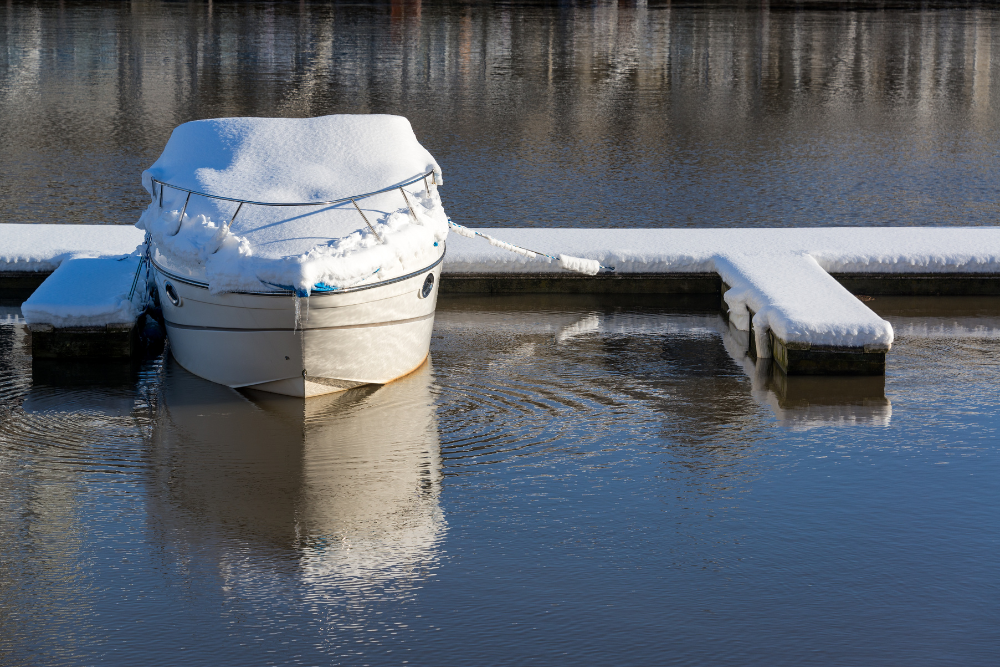
- Outdoor Dry Storage: A more affordable option, but requires a high-quality, snug-fitting cover or shrink wrap to protect against rain, snow, and debris.
- Home Boat Storage: An economical choice if you have a trailer and space in a garage or driveway. A sturdy cover is essential for outdoor home storage.
What Happens When You Don’t Store Your Boat Properly?
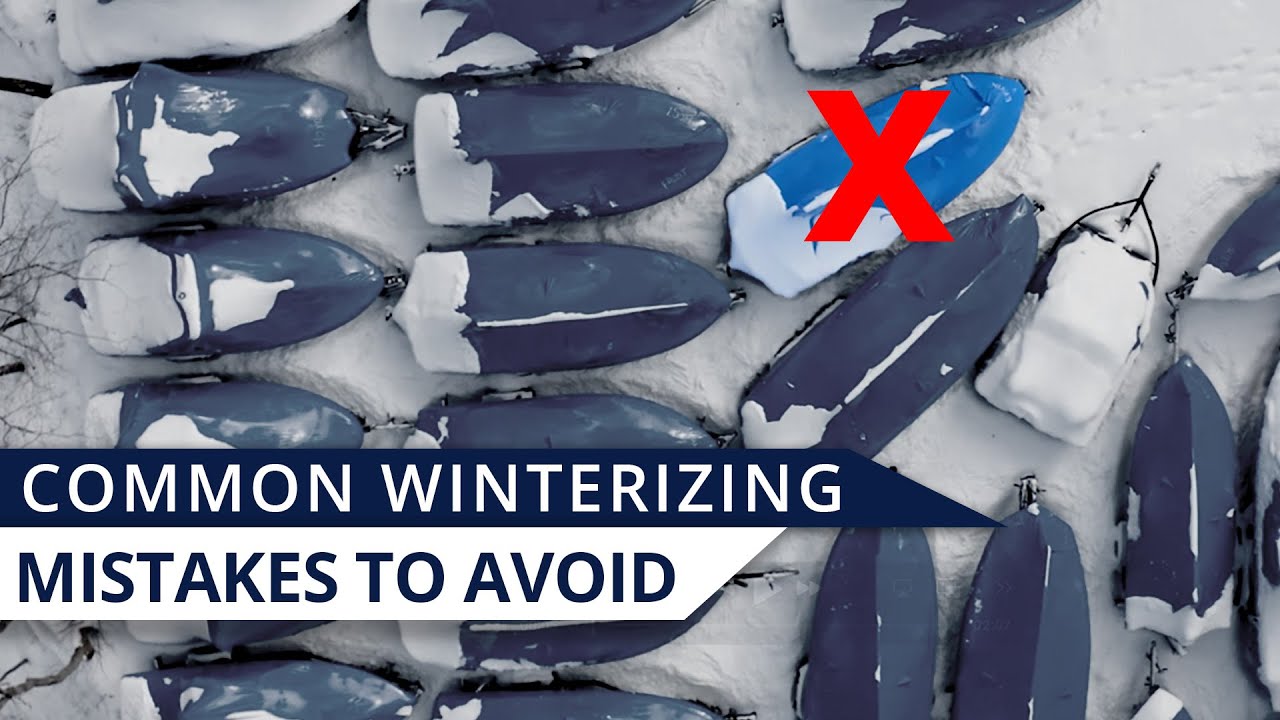
When you do not store your boat correctly, you are immediately reducing the value of your boat. It might even be unusable when you are ready for it again in the summer. What happens when you don’t store it properly? What happens when these steps are skipped?
Clean and Wax – causes corrosion, staining, UV damage, oxidation, and fading.
Electronics – invites theft, moisture damage, and extreme temperature damage.
Engine System – degraded fuel, clogs, and engine block freezing.
Moisture and Ventilation – trapped moisture, mold and mildew, permanent upholstery damage.
Safety Gear – mildew, moisture.
Your Trailer – dry rot, flat spots, rust.
Storing Supplies on Your Small Boat
When it is time to winterize, you may not have the space to put your boat gear anywhere else except on your boat. Here are some ideas on how to store supplies on your boat for the winter. A large part of boat storage success is organizing.
- Keep your safety gear accessible in case you need it for other trips. Make sure they are clean and moisture-free before you store them. It helps to put them in breathable mesh bags to prevent mildew. Keep a fire extinguisher handy, too, so you can easily reach it if necessary.
- Try to remove food to avoid drawing in pests. For other items like clothing, hats, etc., use waterproof and watertight containers. Use clear bins so you can see what is in them and label them, too.
- Use cargo netting, bungee cords, and even hanging bags to store items. Just in case water gets into the boat, the items will be off the floor. Plus, they won’t block access when you are checking on the boat in storage.
The thing I like to keep in mind the entire time I’m preparing my toys for storage is, “How do I want to find it when I come back?” If you feel uncomfortable with anything when you are getting your boat ready for storage, take care of it right then and there. You don’t want to worry about it all season or come back and find it has created a greater issue and delay your boating experiences. Besides, you don’t want to waste any summer time boating, fixing things. Just spend a few hours in the winter when you aren’t able to boat, prepping your fun for next season.
Frequently Asked Questions:
What is the best way to store a boat for winter?
Follow a winterization checklist that includes protecting your boat from moisture, freezing temperatures, and the environment. Finding a place to park your boat is key.
Which mistakes lower a boat’s value during long-term storage?
Skipping the cleaning process, not taking care of the engine, and not including the trailer in this process, combined with a poor storage choice, will devalue your boat.
How should supplies be stored on a small boat?
Box and bag up all items in waterproof containers – especially expensive items like electronics. Keep items off the floor and out of the way, and label them in case you need to find items while in storage.

Island-Hopping by Boat: Destinations You Can Only Reach By Water
Boating Safety Refresher for Summer Guests

How to Remove Hard Water Spots and Salt Build-up from Your Boat