
19 Boat Cleaning Hacks for Saltwater vs Freshwater

When you take the boat out, you just want the freedom and flexibility to enjoy the day. Sometimes your plans dictate where you will boat and sometimes it’s the weather. But everyone needs to know the boat cleaning hacks for where you decide to take your next boating adventure. Saltwater versus freshwater requires different practices.
There isn’t a major issue going from saltwater to freshwater. Boats built for saltwater normally have stronger hulls. Experienced boaters know that saltwater does deteriorate a boat much faster. You need to be diligent about cleaning after saltwater boating simply because of the salt content. Salt and metal don’t mix well.
Cleaning a Freshwater or Saltwater Boat
There are the standard boat cleaning items you need to take care of if you are freshwater or saltwater boating. These items should be done at least once a month but more often depending on how often you go boating.
INTERIOR SURFACES
- Carpet. If you can tip your boat as you clean, the water can drain out as you work. If you have a larger ship, you may need to have a wet vac on hand. Turning on A/C’s and fans can speed up the drying process.
- Non-slip fiberglass. You can use soap and water. If there is a tough stain, you can try Soft Scrub. Don’t wax these areas because that will make them slippery. Use non-skid wax items.
- Vinyl. Marine vinyl has been treated with mold and mildew coverage. Don’t use harsh chemicals that can rid your vinyl of this treatment. Instead use soap and water. For stains, try a marine vinyl cleaner and some elbow grease.
- Cushions. Check for the care label. If you don’t have instructions, you may be able to remove the coverings and wash them in cold water. The inside foam can be sprinkled with baking soda and sit in the sun for a few hours. If they have a smell or any mold, spritz with equal parts water and vinegar. Let them air out a few days too.
- Heads. Flush white vinegar through the system a few times and you will keep build up out of the lines.
EXTERIOR SURFACES

To keep your surfaces clean of debris and shiny, you should have an annual wax job and monthly cleaning. Again, the more you boat, the more often you should apply and clean.
- Hull top surface. Plan to give your boat a few good layers of paste wax yearly. If you want some extra shine, clean your boat with wash and wax soap monthly.
- Hull bottom. When your boat is on the trailer or you have it lifted out of the water, you can do the same to the bottom.
- Engine. Whether you have an inboard or outboard engine, you need to clean them inside and out. If you have surfaces like an auto, you can clean with soap and water and apply a coat of wax. Inside the engine, clean any dirt or debris and make sure you use recommended cleaning supplies. Some may contain chemicals that are bad for the engine wiring.
- Canvas. If you have canvas on your boat, follow the manufacturer’s recommended instructions for cleaning. Cloth canvas can sometimes be washed with baking soda and soap or bleach. Clear canvas can be cleaned with soap and water.
- Wood. You can wash any wood surfaces with warm soapy water. For stains you can use a non-harsh detergent. Let the wood dry out completely. Then you can add a sealant or finish to the wood.
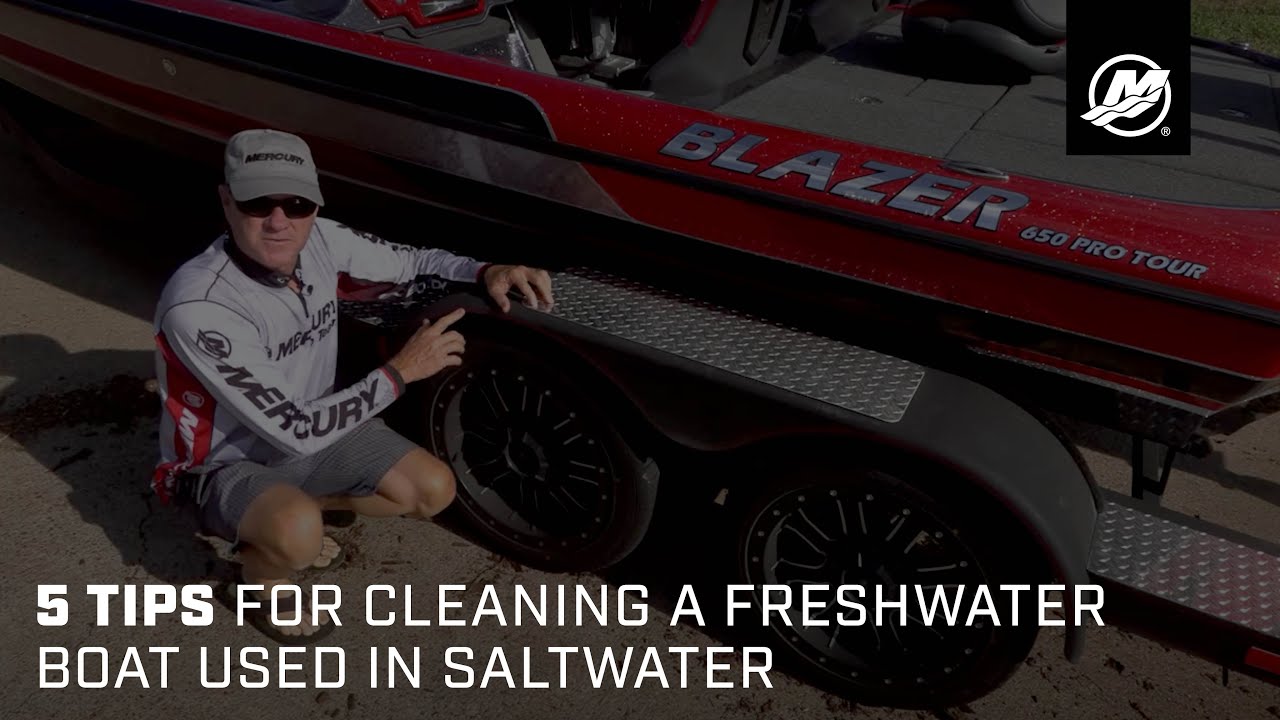
Cleaning Hacks for a Freshwater Boat Used in Saltwater
In addition to the regular cleaning steps you need after a boat excursion, you need to pay special attention to your boat in these areas after you use it in saltwater.
- Wash the Hull. Rinse the entire boat out with freshwater. This will help rid the boat of as much saltwater as possible before you start the cleaning process. Then wash the boat with soap and freshwater. Use a soap that is formulated to remove salt and residue.
- Wash the Trolling Motor. You do this during your normal cleaning process but now you should look closely at areas of your motor. What areas can experience salt build-up? Specifically check the stern and the drive shaft. Note many electronics may be for freshwater use only.
- Wash Metal Items. Once you have cleaned these with soap to remove saltwater, be sure you apply a corrosion inhibitor to the metal parts of the boat. Don’t forget bolts and other fasteners.
- Inspect. Look for signs your boat may be showing signs of corrosion. Areas that are sometimes missed include hatches, storage lockers, behind steering helms, electronics, plumbing, and thru-hull fittings.
TIP ONE: You want to take care of the anode, if switching from saltwater to freshwater. With freshwater you will want magnesium anodes and for saltwater, you will want zinc anodes. (Aluminum anodes are also used for freshwater but magnesium is preferred.) Your motor and your trailer can switch between the two uses as well. But make sure you include them in your clean-ups.
Cleaning Hacks for a Saltwater Boat Used in Freshwater
What if you want to take your saltwater boat and drop it in a freshwater lake? Do you need to do any boat cleaning? You will want to clean your boat you have been using in saltwater before you use it in freshwater. Here’s why…
- Wash Metal Items. You still don’t want corrosion to set in. So clean all of the metal items on your boat and inspect for signs of corrosion.
- Rinse the Hull. You do not want to transport any aquatic organisms that can be harmful to a freshwater ecosystem.
- Wash the Hull. You also don’t want the salt to have time to crystallize before you put it in the freshwater. Running it through a quick hand car wash can help you prepare it and your trailer for freshwater boating without corrosion setting in.
TIP TWO: Don’t forget your trailer, tools, or equipment! Anything you use to haul or operate your boat needs to receive the same cleaning attention as your boat.
Whether you enjoy freshwater, saltwater, or both during your boating excursions, it is all about cleaning and maintenance. Modern boats are built to handle the environment and if they are properly maintained, your boat will last you a long time – whether in salt or fresh trips.
Frequently Asked Questions:
Does salt water mess up boats?
Yes, salt water can damage boats over time. It can corrode metal parts, wears down finishes, and can cause engine and electrical issues if not properly rinsed off. That’s why thorough cleaning after saltwater use is essential.
What is the best thing to wash your boat with?
The best thing to wash your boat with is a marine-safe boat soap. These soaps are specifically designed to cut through salt, grime, and all kinds of Marine scum without damaging your boat’s finish or harming the environment. Look for products labeled biodegradable and non-toxic. Use it with soft brushes or microfiber cloths, and always rinse thoroughly with fresh water.
Is salt water hard on boat motors?
Salt water’s rough on boat motors if you don’t stay on top of maintenance. It can eat away at metal parts, clog up cooling systems, and just generally cause more wear and tear. Rinsing with fresh water after every trip makes a huge difference. Think of it like brushing your teeth—skip it too often, and stuff starts breaking down.

How to Remove Hard Water Spots and Salt Build-up from Your Boat

Biggest Red Flags to Watch Out for in Boat Listings
Why Your Bilge Pump Deserves More Attention Than You’re Giving It