
A Beginner’s Guide to Outboard Motor Maintenance
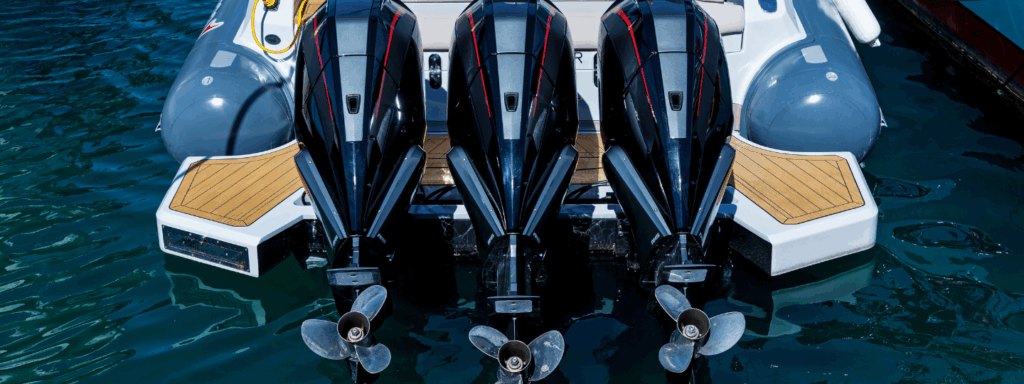

When we are ready to get out on the boat and enjoy the day, we don’t want it to be interrupted by motor maintenance issues. And when you invest in a boat, you don’t want to shorten its life of delivering top performance, for a long time. Whether you are an experienced boat owner or you are just getting started, maintenance is the key to preserving your outboard motor through many seasons. There are several questions you need to be able to answer as a beginner.
How often should I service my outboard motor?
This is one of the most common questions. Even if you are experienced, acquiring a new or different outboard motor means the frequency of service is critical. The industry recommends every 100 hours of use or at least once a year – whichever comes first. But the frequency of how often you service your boat may vary depending on various conditions. Here are a few things to consider.
Interval Checks – Your owner’s manual may specify certain items you need to check and will also list other service inspection intervals for other outboard motor components, such as thermostats, valves, and water pumps. If you have a warranty on your motor, you don’t want to void it by not following regular maintenance requirements.
Pre-Season – If your boat has been sitting for a while, you may want to go ahead and do a comprehensive service on it. Before you take it from zero to 30 and put some wear and tear on your outboard motor, you may want to do fluid changes, check for damages, etc.

How do I change the oil in an outboard motor?
You may want a boat service to provide you with oil changes. But it is an easy thing to do on your own if you follow a few simple steps. For a two-stroke outboard, the engine oil mixes with the fuel during use. Changing the oil is just replacing the gear oil in the lower unit. Here is a simple guide for a four-stroke outboard engine.
- Tools – Gather the things you will need to do the oil change. Engine Oil, filter, drain pan, funnel, and a filter wrench. Check your motor manual for the oil weight and filter you need.
- Engine – Warm up the engine by running it for a few minutes so the oil is warm. This way, it will drain more quickly.
- Motor – Tilt the motor to access the drain plug and place the drain pan underneath it. Open the plug completely and let the old oil drain into the pan until empty.
- Filter – Remove the oil filter. Apply fresh oil to the gasket on the new filter and then screw it in with your hand. Do one more turn on the new filter with the wrench.
- Oil – With the funnel, add the new oil through the dipstick opening or fill cap. Check as you add with the dipstick until the oil reaches the “add” and “max” marks.
- Leaks – Run the motor for a short time to make sure there are no leaks.
- Disposal – Make sure you dispose of the old boat motor oil properly. There is usually a designated recycling center near you. Many boat parts stores and boat repair services offer used oil recycling.
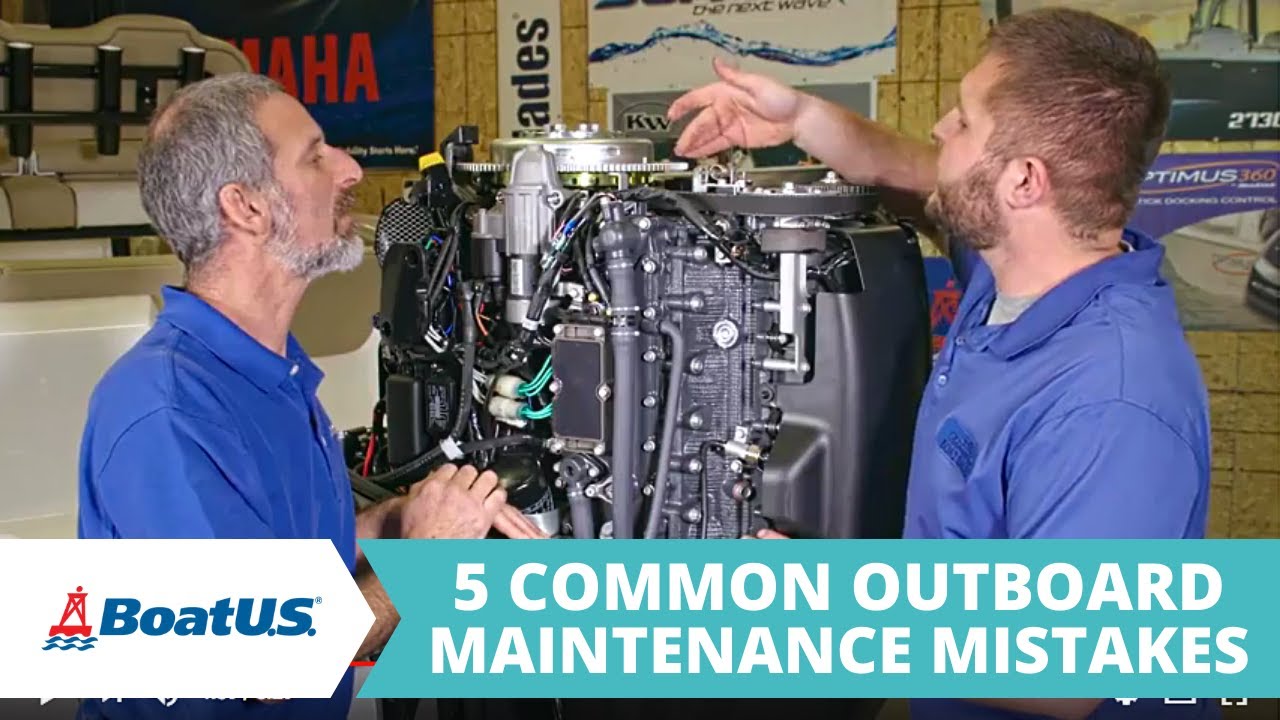
What are common signs that it’s time for some motor maintenance?
Learning from other boater experiences can help us avoid problems. Knowing what to look for can also help prevent further damage and repairs and leave you stranded on the waters. Here are some common signs of outboard motor problems. You should address these on your own or seek service as soon as possible before using your boat.
- Corrosion – Any time you see corrosion, it will only worsen, especially if you boat in saltwater. Take the time to treat these spots. You will also want to check the anodes and replace them if they are 50% or more disintegrated.
- Noise – Is the outboard motor making loud clunking noises, or is something rattling that shouldn’t? Any unusual noise should be checked. You may be having issues with bearings, pistons, or rods. It might even be a damaged propeller.
- Overheating – Don’t wait to take care of this issue. If the water pump is not releasing water, this is serious. Also, check the thermostats and the impeller. This can cause permanent damage to your engines.
- Power – Are you losing power, or is the engine sputtering? You may have bad fuel, closed filters and airlines, a weak pump, or more. You might have bad fuel efficiency, so check your carburetor, fuel injectors, and spark plugs.
- Starting – If you have difficulty getting your boat started, it could be issues with the spark plugs, fuel system, or even ignition parts.
Being able to answer these questions will help you identify trouble spots and repair them before they become trouble on the water. You can also check your maintenance manual for tips on your boat model. And you can schedule regular maintenance checks with a boat repair service. With a few easy maintenance repairs on your outboard motor, you will see any issues and be able to enjoy low-trouble boating.
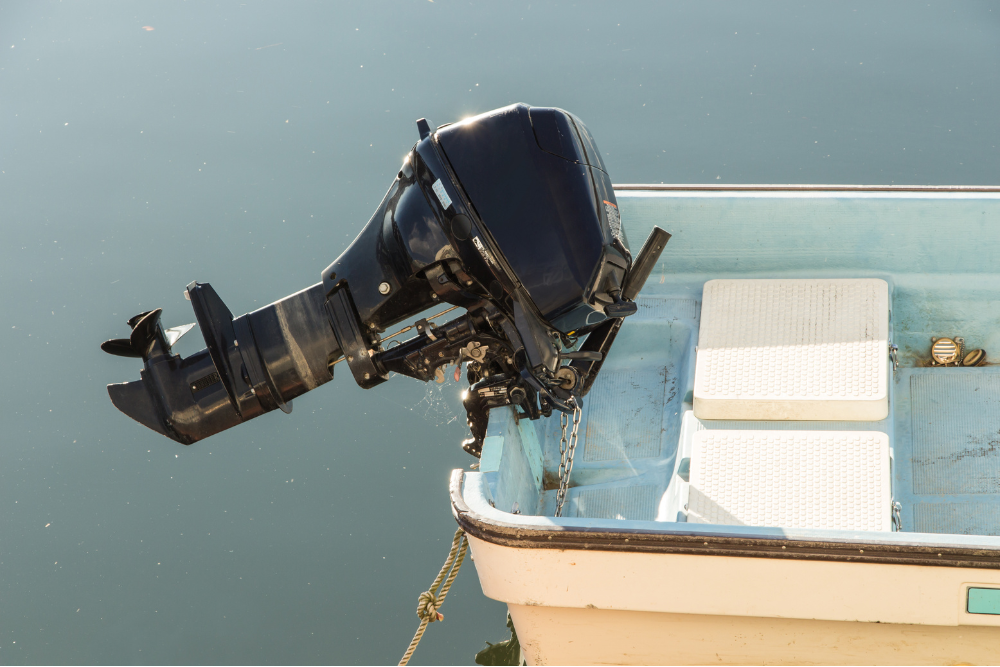

Boat Storage and the Common Mistakes to Avoid
Protecting Your Boat from Moisture and Mold in the Off Season
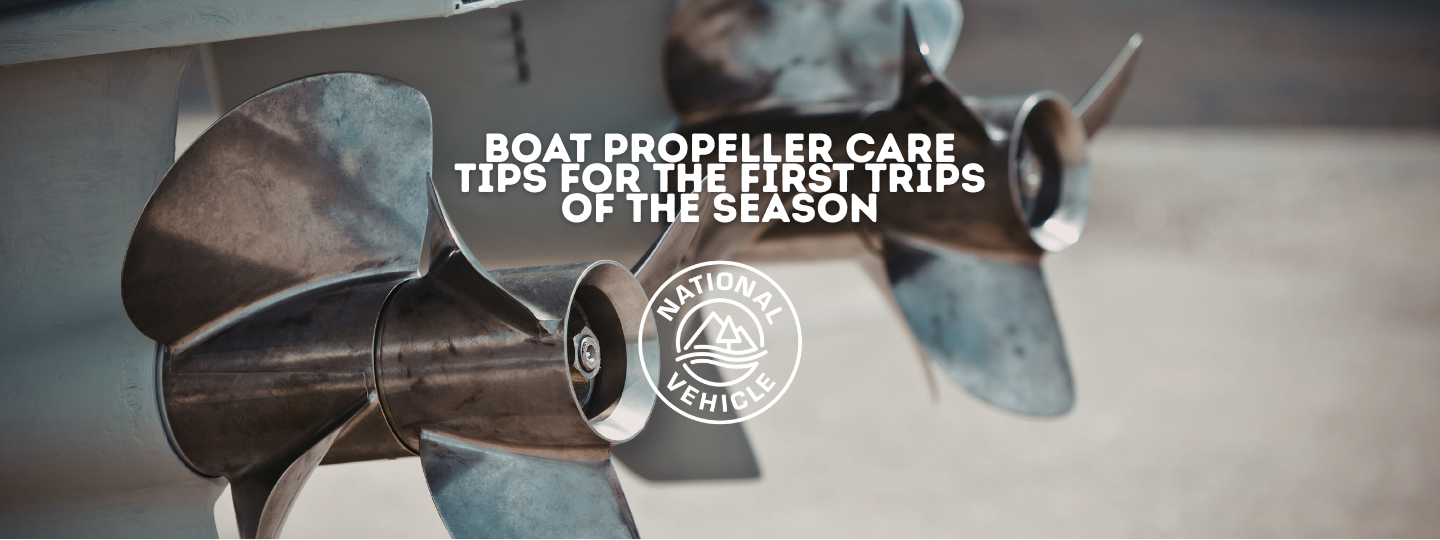
Boat Propeller Care Tips for the First Trips of the Season