
What to Keep in Your First Aid Kit on your Boat


A first aid kit on a boat is more than a convenience. It is one of the most important safety items you can carry because help may not be immediately available when you are out on the water. Even a minor cut, burn, or eye irritation can become harder to manage when you are dealing with wind, sun, motion, saltwater, and limited space. A well-stocked marine first aid kit helps you respond quickly, protect injuries from getting worse, and keep your passengers safer until you return to shore or reach medical care.
Why a First Aid Boat Kit Matters
Boating comes with risks that are different from those on land. Passengers can slip on wet decks, get cut by fishing hooks or sharp hardware, suffer sunburn after hours of exposure, or feel the effects of motion sickness unexpectedly. Because marine environments are wet and often harsh, your supplies need to stay dry, organized, and easy to reach. A first aid boat kit should be built for real conditions, not just packed as an afterthought.

Core Wound-Care Supplies to Pack
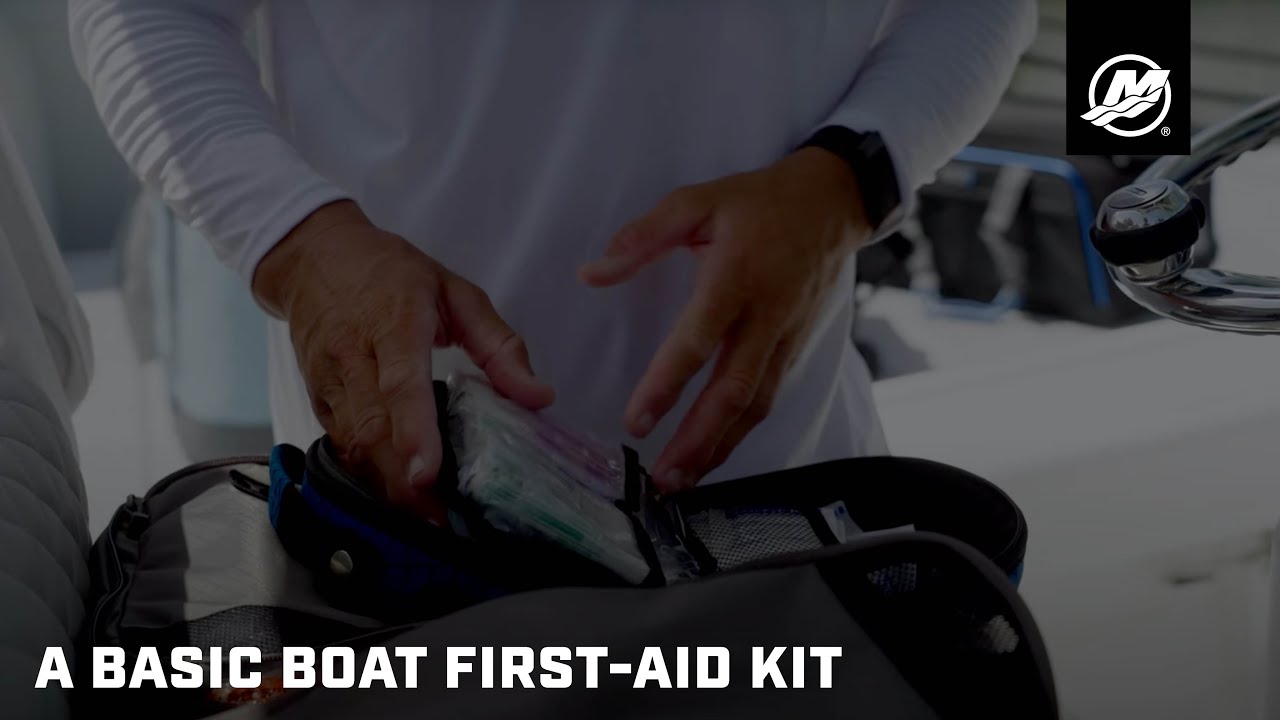
Start with the basics for cuts, scrapes, and other minor injuries. Waterproof adhesive bandages in several sizes are especially useful because standard bandages often loosen in damp conditions. Sterile gauze pads and rolled gauze are important for larger wounds, while waterproof medical tape helps hold dressings in place when hands, skin, or surfaces are wet. You should also include antiseptic wipes or a cleansing solution to clean minor wounds and antibiotic ointment to help protect small cuts and abrasions. Several pairs of nitrile gloves are a smart addition because they help protect both the injured person and the person giving care.
Useful Tools and Treatment Extras
A good first aid kit should also include a few practical tools. Tweezers can help remove splinters, debris, or other small foreign objects, while blunt-tip scissors make it easier to cut gauze, tape, or clothing safely. An elastic wrap can provide support for a mild sprain or strain. Burn gel or aloe is helpful for minor burns and sunburn, both of which are common on long days on the water. Instant cold packs can reduce swelling after bumps or minor injuries, and sterile saline or eye wash is valuable for flushing saltwater, sand, or irritants from the eyes.
Water-Specific and Boating-Specific Items
Some supplies are especially important because you are on a boat. Motion sickness medication or remedies can help keep a minor issue from becoming a miserable trip. An emergency blanket is useful if someone goes into shock, gets chilled by wind and spray, or shows signs of hypothermia. If you boat in coastal areas where marine stings are possible, sting-care items may also be worth carrying. It is also wise to keep extra drinking water available for rinsing wounds and supporting hydration, especially in hot weather. If family or frequent passengers rely on prescription medication, those items should be considered part of your broader emergency planning as well.
How to Store and Maintain the Kit
The best supplies will not help much if they are wet, expired, or impossible to find in a hurry. Store your kit in a waterproof, clearly labeled container and organize items by category so you can reach what you need quickly. Check the kit regularly for expired medications, opened packages, or rusted tools, and replace anything that has been damaged by moisture. It also helps to customize the contents based on the size of your boat, how many people are usually aboard, and whether you are taking short day trips, fishing offshore, or spending extended time away from shore.

Be Ready Before You Leave the Dock
The right boat first aid kit depends on your vessel, your passengers, and the kind of boating you do. What matters most is that your kit is complete, protected from the elements, and reviewed before every trip. A little preparation before leaving the dock can make a major difference when something unexpected happens on the water.
Frequently Asked Questions:
Is a first aid kit required on a boat?
For most recreational boats in the United States, a specific first aid kit is generally not listed as a federal U.S. Coast Guard requirement, but carrying one is strongly recommended because medical help may be far away on the water. Requirements can differ for commercial vessels, charter operations, or under state and local rules, so it is smart to check the regulations that apply to your boat and where you operate.
What do I do if someone gets injured on a boat?
First, make sure the scene is safe so no one else gets hurt, then assess the person quickly. Control bleeding with firm pressure, keep the injured person as still and comfortable as possible, and use supplies from your first aid kit to clean and dress minor wounds. If the injury is serious, the person has trouble breathing, there may be a head, neck, or spine injury, or you are far from shore and need urgent help, contact emergency services or marine radio assistance right away and return to shore as safely and quickly as conditions allow.
How do I treat a fishhook injury on a boat?
If the hook is only lightly embedded, wash the area, control any bleeding, and cover it after careful removal if you know how to do so safely. Do not try to remove a fishhook if it is in or near the eye, deeply embedded, near a joint, or if there is severe bleeding, numbness, or concern about damage to deeper tissue. After removal or stabilization, clean the wound well, apply antibiotic ointment and a bandage if available, watch for signs of infection, and follow up for medical care, especially if a tetanus shot may be needed.

Best Fall Fishing Trips You Can Take by Boat
Fuel Dock Etiquette and Other Unwritten Rules of Summer Boating

Boating the Great Lakes