
Routine Boat Inspections: What to Check Every Month


You may not be selling everything you own and moving into your boat. But your boat inspections should look like that is your plan. Not only is your safety riding on routine boat inspections, but the longevity of your boat is worth the time investment. And the reason you purchased a boat is to do your favorite activity on the water.
Creating a Boat Checklist
There are a lot of combinations of checklists you may need based on your boat. Your boat may be a small skiff with no “bells or whistles”. Or it may be a moderate-sized boat with specialized equipment and technical systems. You will need to create a list based on an inventory of your boats’ needs for optimum performance.
Some boaters even have a separate checklist they do on top of the regular boat inspections for arrival, departures, and leaving the boat docked. This will vary by boat, but redundant checklists are not a bad habit to have. Here are some ideas on how to put together your own checklist customized to your boat.
- Videos – Watch a lot of YouTube how-to videos and find out what boat owners with your type of boat routinely check and how. Also, note what routine repairs are for your boat. This will help you create a spare parts checklist too.
- Facebook – It is a good idea to look for Facebook groups for your type of boat. It is better to learn from others’ mistakes and not your own! You can also get quicker answers to specific questions. Just be sure you have done your own research first.
- Boat Owners – You can ask other boat owners for a sample boat inspection checklist. You will need to customize it to your specific boat needs, but it will give you a place to start.
- Boat Sales and Rental Websites – You can learn a lot about boats by looking at their specifications, systems, and equipment listed online. Maintenance requirements are often listed, so you can see the choices that were made on your boat if you bought it used.
- Professionals – Look for maintenance books from professional organizations like the National Marine Manufacturers Association (NMMA), the Coast Guard, or a related boating club. They put out helpful manuals and instructions for boat safety.

A Basic Monthly Boat Inspection List
Some inspections may not need to occur every month. It is still important to include them in the rotation. You can have a different checklist per month, too. If you are not sure where to start, here are a few standard areas on any boat that you should inspect every month.
Docking equipment – Make sure your anchor is properly stowed and functioning. You do not want rust, and you want your rode to be properly attached and free of wear and damage. Check mooring lines and balls for damage or fraying, too.
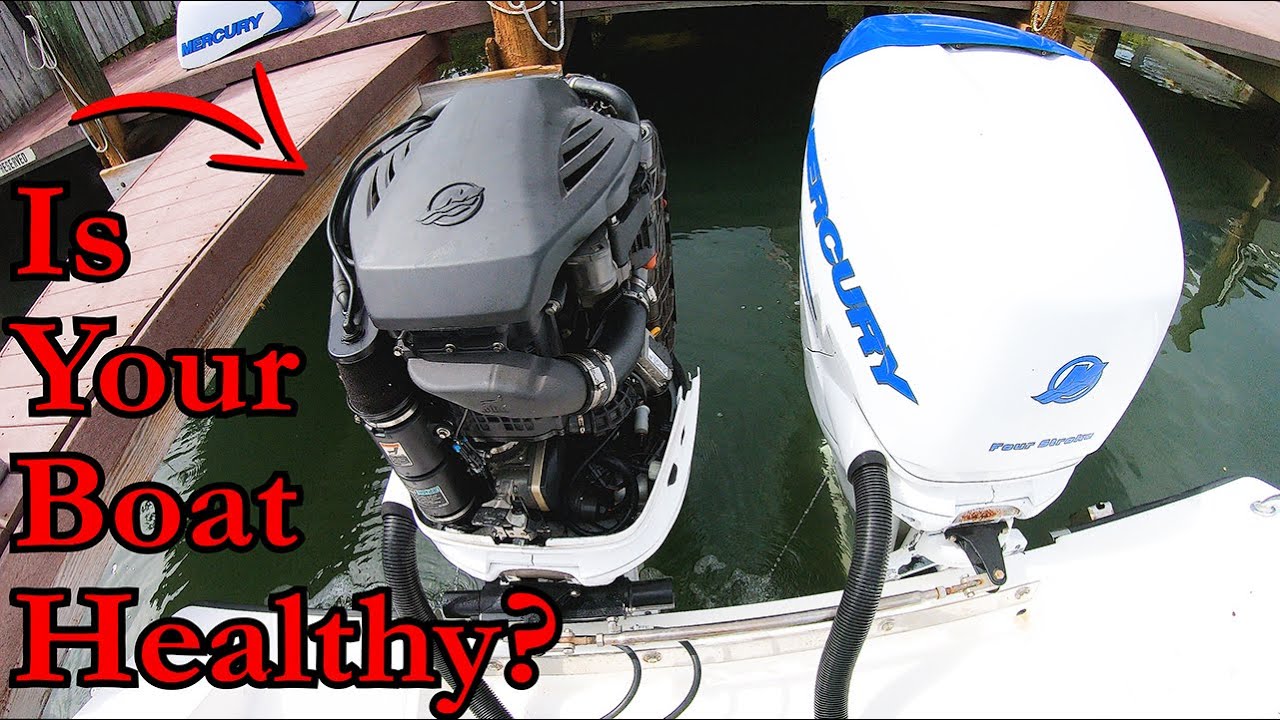
Motor/Engine – You will want to remove the propeller every so often for a good cleaning. This is the best time for an inspection. Look for damage like dents, rusting, or bent blades. You want to make sure the shaft is aligned and attached correctly.
You will need regular oil and filter changes, and check the engine for any damage or loose connections. All of the belts and hoses should be checked. Clean and flush the cooling system so your engine can run at the right temperature.
Batteries – Look for corrosion on the terminals and cables. Make sure connections are secure and tight. Do you need batteries for remote controls or other tech gadgets? Make sure you carry spares.
Hull Cleaning – Inspect the hull for damages, cracks, and any other areas that can cause bigger issues later. Especially look for problems where the waterline starts and goes down to the underside of the boat. While you have it out for inspection, clean and sea growth off the hull. Make sure to use the right cleaning supplies based on your boat’s hull material.
Spare parts – It is a good idea to know what can and often needs to be repaired on your boat type. Having spare parts to fix routine issues on your motor, gadgets, and safety gear can make the difference between a bad boating day and a good one.
Safety Gear – Have an up-to-date, inspected Fire extinguisher onboard. Life jackets should be in working order and legally enough for the number of passengers. Check the first aid kit and make sure you have basic items you may need in an emergency. Flare guns can be helpful.
Licensing, Insurance, and Registration – You should have set reminders on when you need to take care of these legal requirements. Especially if you do not routinely use your boat. Make sure you have the required paperwork onboard.
Boat Trailer – Don’t forget about the trailer that services your boat! Check your tire pressures, make sure you have a fully aired-up spare. Look for worn tires that may need to be replaced. Some boaters also jack up the trailer and spin the wheels to make sure they turn without problems. Check your hitch and make sure everything is fit to go. Check your trailer lights and turn signals to make sure they are working.
Other items your boat may have that will need inspections include items like:
- Dingy
- Electrical systems
- Tech equipment
- Rigging
- Water systems/Plumbing
- Solar panels
- Steering system
Where Boat Inspections Should Occur
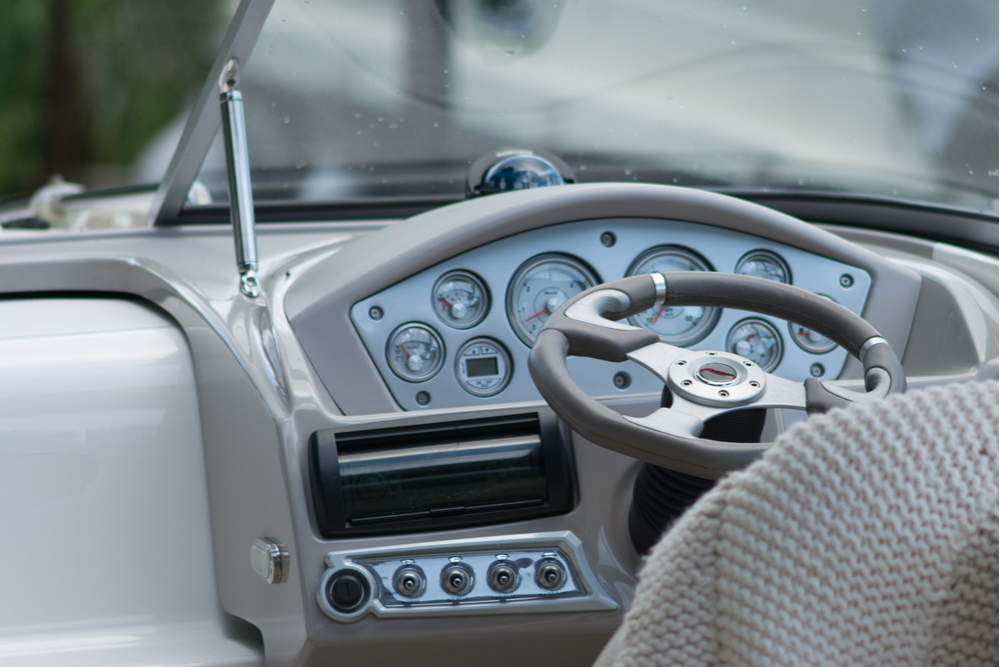
Some boat inspections should be on land, while others are better done on the water. Usually, there are three types of inspections for your boat on each outing. You will do a pre-launch on land. An on-water one while the boat is in use.
The final is a post-use check, which includes making sure the boat is clean, draining water, cleaning away any invasive species, and addressing any issues you found on the water. Here are the inspections you should do pre-launch and while actively boating.
On Land Boat Inspections
- Boat systems
- Safety features
- Boat hull
- Boat cleaning
- Trailer
On Water Boat Inspections
- Steering and control
- Engine functionality
- Navigation lights
- Hull issues in water
- Propeller
TIP: It is a good idea to keep the checklist on paper and laminate it. You can check each item off when you complete the inspection. This is a good idea when you are not in an area to receive phone service and you can’t pull up your checklist on your phone.
You want to enjoy the moments you are out on the water. You don’t want to be attempting a repair in the middle of what would have been an awesome outing. Simple, routine boat inspections monthly will deliver this peace of mind when it’s time to set sail.

What to Know About Boating in National Parks 2025

Smart Storage Ideas to Maximize Boat Deck Space Before Summer
Boat Storage and the Common Mistakes to Avoid