
Fuel Dock Etiquette and Other Unwritten Rules of Summer Boating
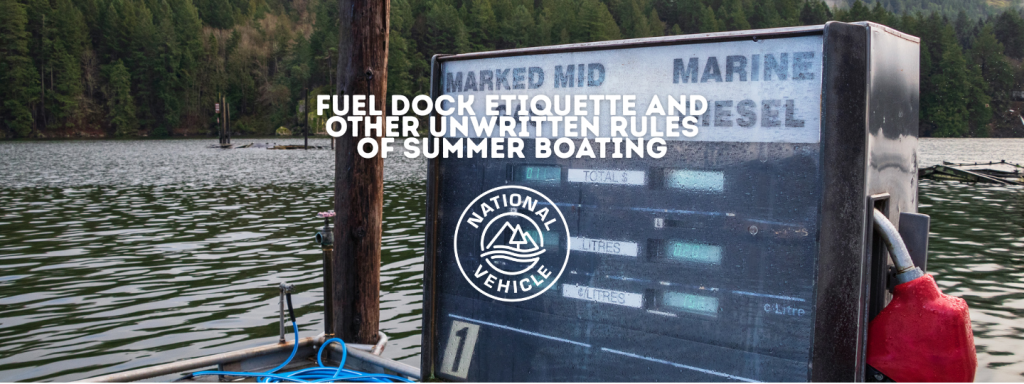

While getting out on the open waters is exactly the freedom we as boat owners are seeking, it doesn’t mean that when we have arrived that our rights override those around us. When we get to the lake or river or ocean, other boaters deserve our respect. There are unwritten rules that every boater should be aware of to make everyone’s boating experience what we dream of. Especially if you are entering crowded months or peak boating seasons like summer.
The Fuel Dock: Efficiency and Precision
If you plan on doing any amount of time out on the water, refueling will be a part of your day. That means the fuel dock will be the area of most congestion. This also means it is the most important area to know the etiquette. Here are the answers you should know before you go.
How Long Is It Okay to Stay Tied Up?
You should remain tied up at a fuel dock only for the duration of the fueling process itself, typically capped at 10 to 15 minutes. The fuel dock is a transitional zone, not a parking space or a public marina slip. The absolute rule of the fuel dock is simple: pump and move.
To maintain efficiency and respect your fellow boaters, follow these unwritten rules:
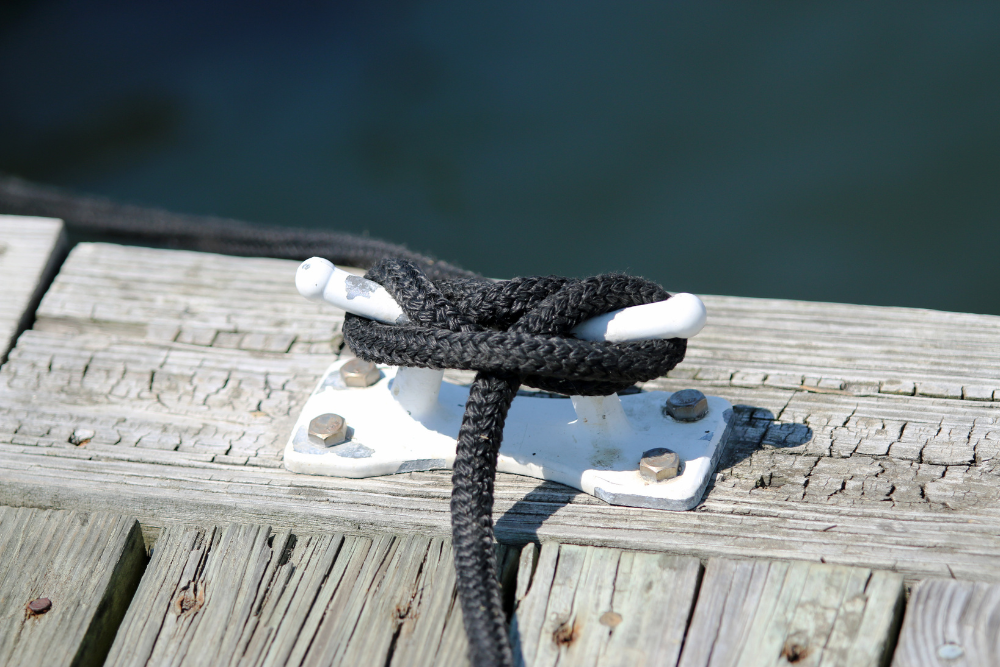
- Prepare Before Docking – Complete all prep work while still idling out in the channel. Prepare your lines, hang your fenders, open your fuel cap, and ready your payment method. Never approach a fuel dock with unrigged lines or hidden fill ports.
- Start the Fueling: Tie up quickly, kill your engine, and safely insert the nozzle. Do not leave your vessel unattended while the pump is running.
- Clear Out Immediately: The moment the pump clicks off, secure your gas cap, run your blower motor (if applicable), start your engine, and cast off.
What should you NOT do at the Fuel Dock?
Do not treat the fuel dock as a multi-purpose stop. If you must use the restroom or buy ice, complete your fueling, move your vessel to a designated transient slip or anchor out, and return by land or dinghy.
- Do not leave your boat tied up to go order food at the marina restaurant.
- Do not use the fuel dock hose to wash down your boat or items.
- Do not send your entire crew inside the marina convenience store to browse snacks while your boat blocks the pumps.
Safe Passings: Overtaking and Sharing the Water
Navigating around other boats requires clear communication, predictability, and knowing how your boat’s displacement impacts others. Here are a few etiquette tips while you are in the water.
Passing Slower Powerboats
When overtaking a slower motorized vessel from behind, the overtaking boat is legally and ethically the “give-way” vessel. This means it is entirely your responsibility to steer clear and pass safely.
- Signal Intent – If navigating in tight channels, use VHF Channel 16 or sound your horn (one short blast to pass on their starboard/right side; two short blasts to pass on their port/left side).
- Manage Your Wake – The unwritten rule dictates that you must manage your wake. Do not blow past a slower boat at a speed that creates a massive, rolling wave. This can destabilize their vessel, spill contents, or cause injuries.
- Slow Down or Power Up – Either drop completely down to an off-throttle idle speed to pass cleanly, or pass far enough away that your wake flattens out before hitting their hull.
Encountering Kayaks, Canoes, and Paddleboards
Human-powered vessels always have the right of way over motorized boats. Kayaks, canoes, and stand-up paddleboards (SUPs) sit incredibly low to the water, possess zero structural protection, and are highly susceptible to capsizing.
- The Off-Throttle Rule – When passing a kayak or paddleboard, you must slow down to a completely wake-free speed.
- Give Wide Berth – Pass as far away from paddlecraft as the channel allows. A wake that feels like a minor bump to a 24-foot center console can easily flip a kayak or wash a paddleboarder into the water.
- Watch the Shoreline – Be aware that paddlecraft often stay close to the shore. If you pass them at high speed, your wake will not only hit them directly but will also rebound off the shoreline or seawall, creating a dangerous “washing machine” effect of chaotic waves.
Soundscapes on the Water: Noise and Music Rules
Sound travels exceptionally well over open water. Without trees, walls, or land nearby to absorb the acoustic waves, a speaker playing at a moderate volume can easily be heard over a mile away.
Managing Your Audio
Yes, there are strict unwritten rules—and often local law enforcement ordinances—regarding noise and music when boating near others.
- The Sandbar and Anchorage Rule – When you join a crowded sandbar, cove, or anchorage, turn your music down to a radius that stays within your own boat. Your fellow boaters anchored 50 feet away did not choose your playlist.
- Turn Down the Bass – Subwoofers vibrate through fiberglass hulls and travel through the water itself. Even if the lyrics are muffled, the structural thumping of heavy bass ruins the peace of an anchorage.
- Match the Environment – If you arrive at a quiet, serene cove where families are swimming, and people are reading, killing your stereo entirely is the proper etiquette. Save the high-energy party tracks for open-water transit.
Late-Night and Early-Morning Courtesy
Sound carrying capacity doubles at night and early in the morning when ambient wind and engine noises drop.
- Raft-Up Quiet Hours – If you are tied up to other boats (rafted up) or staying overnight in a marina, observe quiet hours starting at 10:00 PM.
- Early Morning Warm-Ups – Anglers and early risers heading out at 5:00 AM should keep engine idling to a minimum near docks and avoid shouting across the deck to crew members.
Additional Unwritten Boating Rules of the Summer Season
Boat Ramp Efficiency
The boat ramp is another zone where preparation prevents gridlock and tempers flaring. Try these tips.
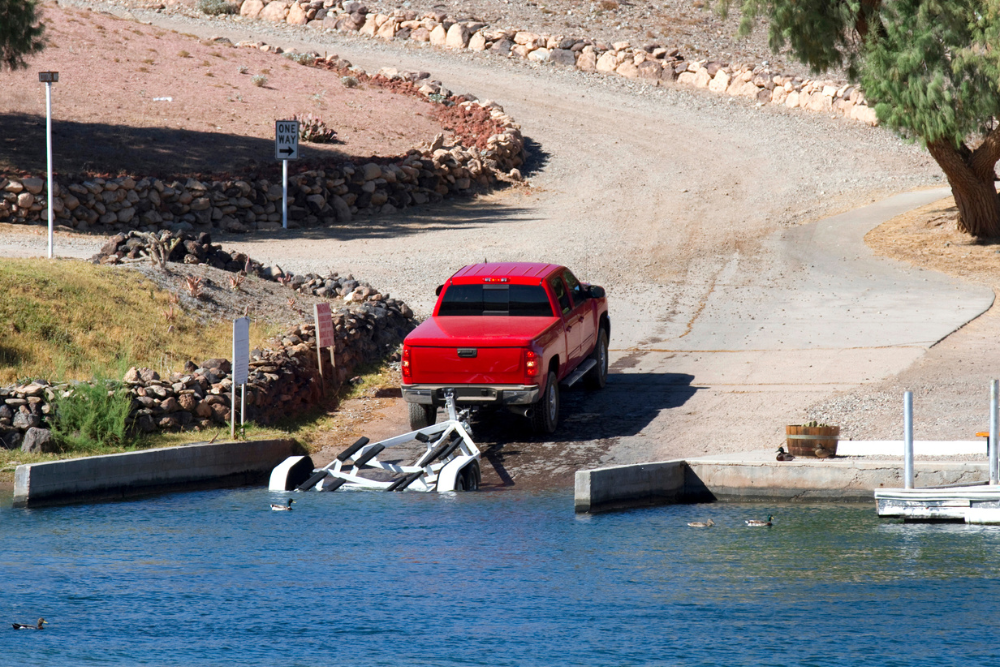
- The Staging Area – Never back your trailer down the ramp until your boat is 100% ready to launch. Use the designated staging parking lot to load coolers, insert the drain plug, remove transom straps, and turn on batteries.
- The Launch – Back down, release the boat, and immediately move the tow vehicle to a parking space. The person operating the boat should idle away from the ramp immediately to clear space for the next trailer.
- Engine Testing – It isn’t a bad idea to test starting your engine quickly to see if it is ready to leave the boat ramp area when you place it in the water. Nothing worse than unloading and finding out it won’t start!
The Mechanics of Anchoring
Anchoring is not a matter of “first come, first served” math; it relies on mimicking the boats already in the area.
- Match the Scope and Setup – Look at how the boats already anchored are sitting. Are they using one anchor or two? How much line (scope) do they have out?
- The Swing Radius – Always anchor far enough away to account for wind shifts. If the wind changes 180 degrees, your boat must be able to swing completely around without hitting your neighbor’s hull.
- First Come Dictates the Rule – The boat that anchored first sets the standard. If you arrive later, it is your responsibility to position your boat safely relative to them.
Handling Trash and Environmental Respect
The golden rule of the marine ecosystem is simple: if it goes out with you, it must come back with you.
- Secure Light Items – Summer breezes easily blow empty aluminum cans, plastic bags, and potato chip wrappers straight out of open boat cockpits. Use a secure, weighted trash bin or a zippered bag.
- Never Discharge Bilge Toxins – Ensure your bilge is clean and free of oil or fuel before your automatic pump activates.
- Cleaner Than You Found It – My Dad always taught us to find the area cleaner than you found it. It doesn’t hurt you to pick up trash or a floating escaped object that isn’t yours and dispose of it properly.
Following etiquette out on the water, at docks and pump stations is not really difficult. It really is common sense if you look to treat others and the environment around you better. Other than a few simple rules like how to use your horn when passing, there are only a handful of actual rules. The rest rely on you being a courteous boater. True seamanship is defined not just by how well you steer your vessel, but by how little your presence disrupts the enjoyment of those around you.
Frequently Asked Questions
How long is it okay to stay tied up at a fuel dock?
Only until you fuel up. If you need a restroom, supplies, or any other excursions, pull your boat away and dock or anchor it to spend more time at the dock.
What is the proper way to pass a slower boat or kayak?
Signal your intent to pass with a short horn blast to pass starboard or two for port. Don’t create a large wake and pass widely to prevent your wake from beating against their hull.
Are there noise and music rules to follow when boating near others?
Yes, there are both unwritten rules and ordinances. Common sense should let you know to match the environment on how and what music you are playing. If you are near a marina, there are probably quiet hours you should follow too.
Mid-Season Boat Maintenance: Keep Things Running Smoothly All Summer

What to Keep in Your First Aid Kit on your Boat

Boating with Dogs 101: How to Safely Bring Your Dog Aboard