
Boating Safety Refresher for Summer Guests


As you know, summer is the boating season, and for many boat owners, this is the time for welcoming guests aboard their vessels. Whether you’re heading out to go tubing, enjoying a sunset cruise, or introducing first-time boaters to life on the water, safety should always come first.
The truth of the matter is that a lot of boating accidents occur simply because passengers are unfamiliar with basic boating safety practices. After all, how would a guest know where safety equipment is, and if they’ve never been on a boat before, how would they know proper safety procedures in case of an emergency? By offering a safety briefing and making sure everyone is on the same page, you can skip the avoidable accidents and ensure everyone stays as safe as possible.
Start with a Boating Safety Orientation
Remember that your guests may or may not have any experience boating at all, and even if they do, they probably don’t know where things are on your vessel. For this reason, you’ll want to conduct a safety briefing before you depart.
This doesn’t have to take long; five minutes should be enough time to introduce guests to:
- The location of life jackets
- Fire extinguishers
- First-aid kits
- Emergency communication devices
- Emergency exits
- Boarding ladders
- Bilge pumps
- Navigation lights
It’s also important that parents of young children know where safety equipment is located and what rules the kids need to follow during the trip.
Make Sure Everyone Has a Properly Fitting Life Jacket
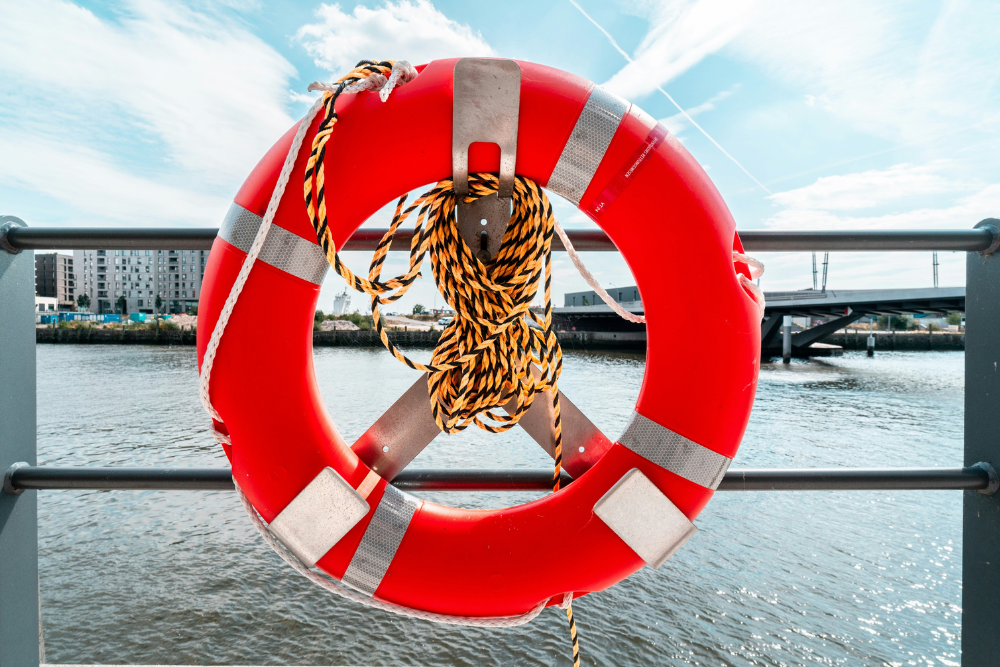
As a boat owner, you’re probably well aware of the importance of life jackets. You probably also know how crucial it is that lifejackets fit properly. Before you get out onto the water, ensure everyone has a life jacket that fits, check all life jackets for damage, and make sure everyone knows how to wear it correctly.
Keep in mind that, depending on local regulations, children may be required to wear life jackets while on the water. Actually, I recommend encouraging all guests to wear life jackets while the boat is moving, especially on smaller vessels. Remind your guests that even strong swimmers can struggle in cold water, especially if they are injured or exhausted.
Explain Basic Boat Rules
As I said before, not everyone has spent time on a boat before, meaning your guests may have absolutely no experience. Because of this, it is key that you establish rules before departure, so everyone is on the same page. The rules can be communicated during the safety briefing and should include the following.
- Stay seated while the boat is accelerating.
- Keep hands and feet inside the boat.
- Use handrails when moving around.
- No running on deck.
- Ask permission before changing seats.
- Stay clear of the helm area unless invited.
- Never distract the operator during docking or navigation.
Be sure to communicate rules clearly to children and make sure they understand the importance of the rules.

Discuss Weather Conditions
You probably already know that the weather can change rapidly on the water, but your guests may not. Before departure, explain the forecast and discuss what may happen if conditions deteriorate.
Guests should know where shelter is available if it is needed, what severe weather signs might look like, how storms could affect the trip, and why sudden changes in plans might be necessary.
Review Safe Movement Around the Boat
Slipping, tripping, and falling are the top reasons for injury on boats. The best way to avoid these types of injuries? Be very careful about how you move around the boat.
Let your guests know that they need to maintain three points of contact when moving, walk slowly, watch for wet surfaces, and avoid climbing on anything.
Older adults and young children may need additional assistance when boarding or moving around the vessel. Make sure that help is available and encourage guests to ask for help rather than risk a fall.
Teach Proper Boarding Procedures
Most people don’t realize that a huge number of boating incidents actually happen before the boat ever leaves the dock. Boarding is especially hazardous, especially for people who are totally new to the world of boating.
When guests arrive, make sure to board one person at a time and have them step into the center of the boat when possible. Remind them to use handrails and avoid jumping into the boat. It’s also important to keep the weight in the boat as balanced as possible.
Explain Emergency Procedures
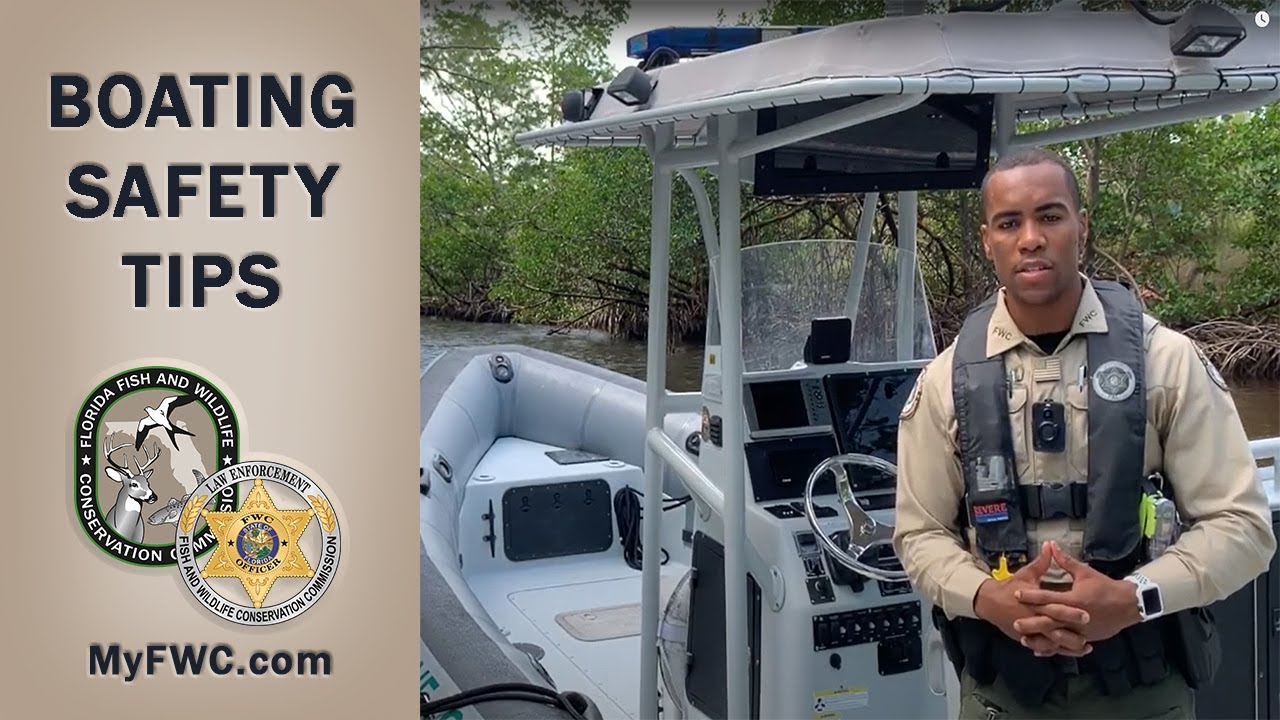
Obviously, nobody wants to think about emergencies, but it is, unfortunately, necessary to do so. Everyone who boards your boat should understand basic emergency procedures.
Person Overboard
Explain:
- How to alert the operator
- Why they should never jump in after someone
- How to keep visual contact with the victim
- How flotation devices may be deployed
Fire
Show guests:
- Fire extinguisher locations
- Emergency exits
- Evacuation procedures
Medical Emergency
Point out:
- First-aid kit location
- Emergency communication methods
- The importance of notifying the operator immediately
Sudden Storms
Review:
- Safe seating locations
- Procedures for returning to shore
- Why passengers may need to remain seated
Keep Alcohol Use Under Control
Summer boating and alcohol often go hand in hand. Unfortunately, alcohol is the reason behind many boating accidents. For this reason, boat operators should never consume alcohol while out on the water, and guests should do so responsibly. Remember that alcohol affects balance, judgement, coordination, and reaction times. Additionally, heat and dehydration can amplify these effects, meaning your passengers should be encouraged to drink plenty of water.
Practice Sun Safety
Sunlight reflects off the water’s surface. This increases UV exposure and raises the risk of sunburn. Heat exhaustion and dehydration are also things to watch out for. Be sure to use sunscreen, sunglasses, and UV-protective clothing. Sit in the shade and drink lots of water. Watch for symptoms like dizziness, headaches, nausea, fatigue, and confusion.
Review Swimming Safety
Many boating trips involve swimming, tubing, floating, or other water activities. This is all awesome, but it is so, so important that your guests know where designated swimming areas are, as well as the depth of the water and the current condition in those areas. It’s also crucial that swimmers know safe reboarding procedures.
As the boat operator, you’ll want to remember to turn off engines when people are near the stern and establish a clear system for counting swimmers and ensuring everyone is accounted for before restarting engines.
Explain Towing Safety
Tubing, water skiing, and wakeboarding are also super popular boating activities. That said, you will want to be extra careful when enjoying these kinds of sports.
Before beginning:
- Check tow ropes and equipment.
- Ensure riders wear approved life jackets.
- Establish hand signals
- Designate a spotter
- Review starting and stopping procedures.
Remember that the operator should focus solely on driving, while the spotter monitors riders.
Secure Personal Belongings
Loose items can quickly become hazards on a moving boat. Ask your passengers to secure things like bags, coolers, phones, and toys, as loose items can cause trips and falls, damaged equipment, and more. I like to offer easy-to-access designated storage areas to make putting things away a cinch.
Keep Children Safe
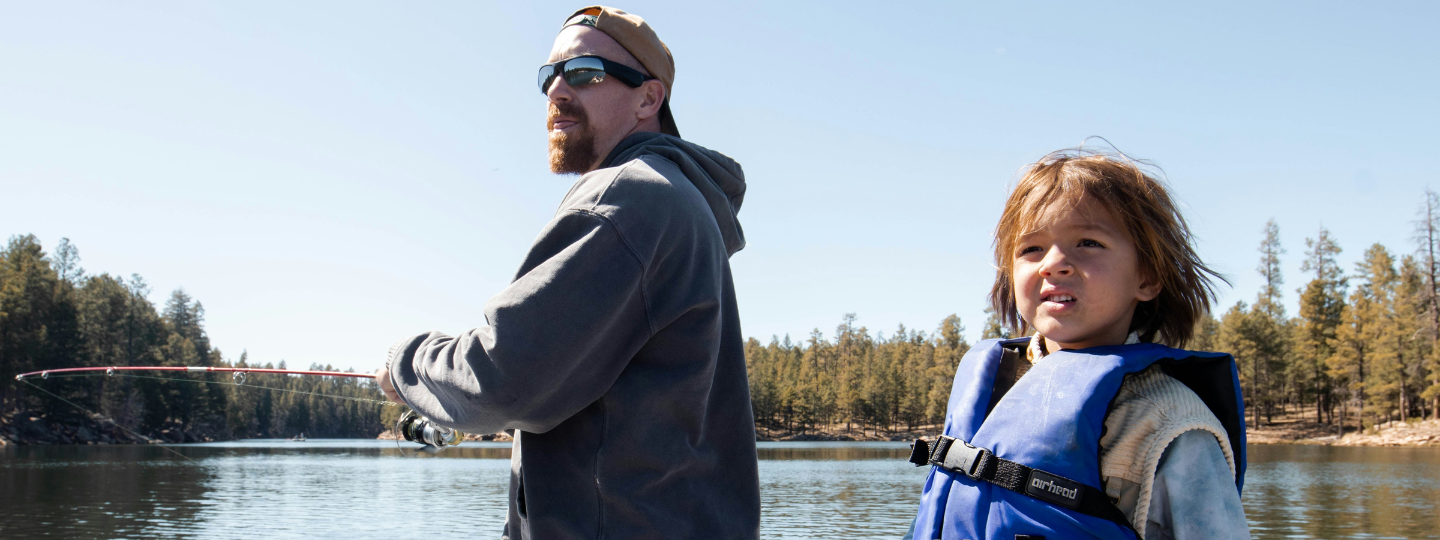
Clearly, children require extra attention when on a boat. In fact, we even have some kid-specific rules on our boat that include:
- Always wear life jackets.
- Stay within designated areas.
- Ask permission before moving around.
- No leaning over rails.
- No roughhousing
In order to avoid situations where multiple adults assume someone else is watching the children, we assign specific supervising duties.
Prepare for Returning to the Dock
You may be tempted to relax as you approach the dock, but the trip isn’t over until everyone has safely disembarked, and there are lots of opportunities for accidents at a crowded dock. Before approaching the dock, ask everyone to remain seated and assign line-handling duties to specific, capable adults. Explain the docking process so everyone knows what to expect, and remind everyone to keep their hands and feet inside the boat and avoid trying to stop the boat with their limbs.
Yes, there are a lot of safety rules to keep in mind and convey to your passengers. That said, by communicating these rules before you set out on your adventure, you should be able to keep everyone safe and have a successful trip, and that definitely seems worthwhile to me.
Family Boating 101: Tips for Safe and Fun when Boating with Kids
How to Keep Your Boat Upholstery Protected From Summer Sun

Boating with Dogs 101: How to Safely Bring Your Dog Aboard