
Boat Cleaning Hacks for Saltwater vs. Freshwater Boaters


The benefits of owning a boat are pretty incredible. That said, it also requires quite a bit of work. For one thing, there’s the cleaning. And if there’s one thing every boater learns fast, it’s that water—salt or fresh—doesn’t keep your vessel clean. Instead, it makes it dirty in different ways, and that means lots of boat cleaning is required.
Unfortunately, just hosing it off isn’t enough. This is because saltwater and freshwater both present distinct cleaning challenges. They cause different types of grime, corrosion, and growth, and these need to be properly treated in their own respective ways.
In this post, we’ll dive into why this difference matters, break down specific hacks for saltwater and freshwater boaters, and share universal cleaning tips to keep your boat in tip-top shape for years to come.
Why Cleaning Differently for Saltwater vs. Freshwater Matters
First, let’s take a look at what you might be dealing with, depending on the type of water you spend time in.
Saltwater
- Leaves salt crystals everywhere.
- Salt is hygroscopic (it attracts water), so even in dry air it can keep metal damp, speeding up corrosion.
- Salt crust damages gelcoat and paint.
- Saltwater is generally harsher on electronics, metal fittings, and engines.
Freshwater
- Lacks salt, so less corrosion risk—but not zero!
- Promotes algae, slime, and biofilm growth.
- Can leave hard water spots from dissolved minerals.
- Mildew is common in humid freshwater environments.
- Can carry invasive species that hitchhike on hulls and trailers.
Knowing which battles you’ll need to fight is a good starting point, but you also need to know how to fight those battles. That’s where the tips below come into play.

Saltwater Boater Cleaning Hacks
If you use your boat in the ocean (or other salty bodies of water), you’re going to find yourself constantly fighting salt. The main problem with salt? Well, left on the boat, the stuff will keep attracting moisture, corroding metal, dulling gelcoat, and damaging anything electrical.
Rinse with Freshwater Every Time
The single most important habit for saltwater boaters? Rinsing after every single trip out onto the water. Sure, this is a pain, but it will ensure your boat remains in good condition for years to come. A quick rinse now is much cheaper than repairing corrosion later.
Rinse everything from the hull, the deck, and hardware to the windows and electronics housings. Don’t forget hard-to-see areas like anchor lockers and rod holders!
If you have an outboard, flush it with fresh water. Most modern engines have a flush port or can be run in a freshwater tank or with earmuffs. For inboards or sterndrives, use their built-in freshwater flush systems.
Use Salt-Removing Rinse Additives
A freshwater rinse alone is good, but specialized rinse solutions (like Salt-Away, Salt Off, or homemade vinegar mixes) actually help dissolve salt deposits, making the rinsing even more effective.
DIY Tip: A mild vinegar-water solution (about 1 part vinegar to 4 parts water) works in a pinch, but dedicated products tend to be gentler on finishes.
Wax and Seal Frequently
Another big problem with salt is that it scours gelcoat and paint. Fortunately, wax or polymer sealant is really just a sacrificial layer, meaning that as long as you replace it in a timely manner, losing that top coat won’t damage the boat permanently.
To wax your boat, use a marine-grade wax or sealant designed for UV and salt protection. Apply the wax 2–4 times per season, depending on usage. Think of wax as sunscreen for your boat; it does need to be reapplied from time to time in order to do its job.
Anti-Corrosion Treatments
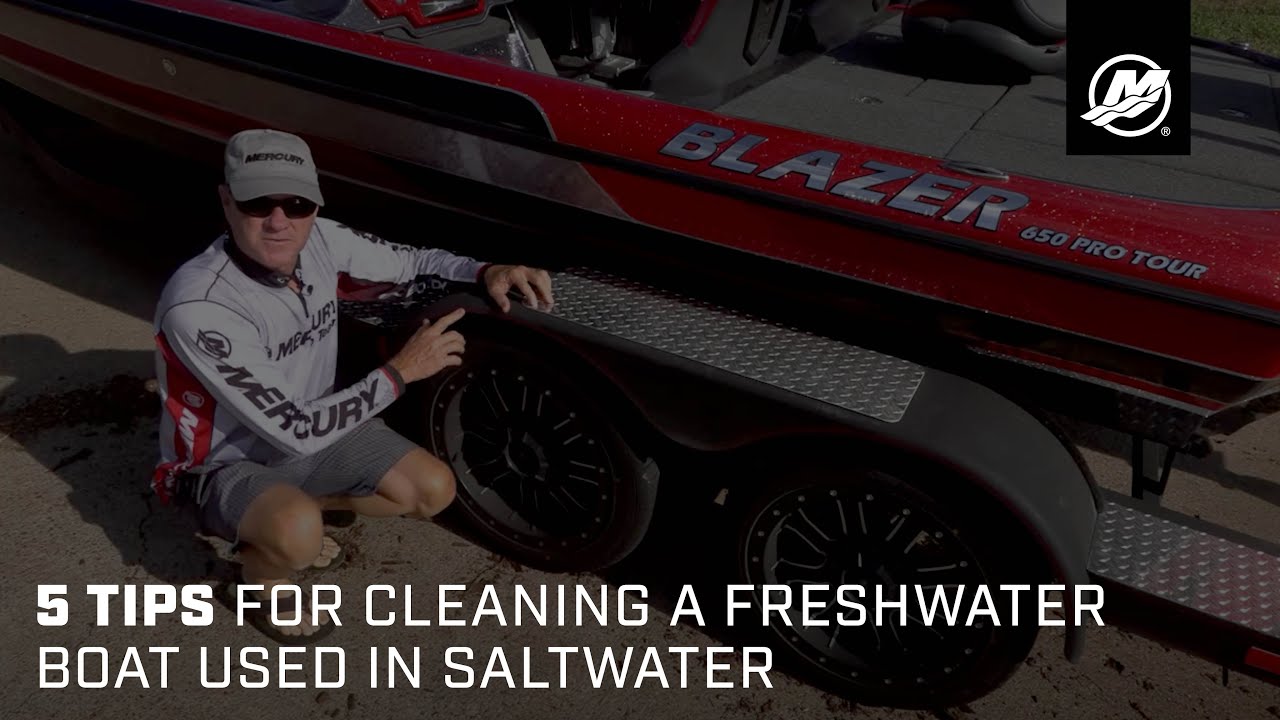
Because saltwater exposure accelerates corrosion of all metals, smart boaters proactively protect metal fittings, hinges, latches, and electronics. Luckily, this is relatively easy to stay on top of, and a few dollars spent on anti-corrosion sprays can save hundreds in repairs.
Start by wiping metal hardware with corrosion inhibitors (e.g., Boeshield T-9, CorrosionX). Remember to also check anodes regularly and replace them before they’re completely eaten away. Spraying electrical connections with dielectric grease or anti-corrosion sprays can help ensure you don’t experience electrical issues due to salt water.
Clean and Protect Your Trailer
Many saltwater boaters forget this, but your trailer is also exposed to salt when launching. This means the trailer deserves some TLC after every launch.
Make sure to rinse the entire trailer after every dunk, paying special attention to brakes, springs, and axles. It’s also important to allow the trailer to dry completely before storing. You may also want to apply a corrosion inhibitor to key components before putting it away.
Mind Your Canvas and Upholstery
Something you may not think about? Salt spray leaves residue on canvas covers, seats, and cushions. For this reason, you will want to rinse these with fresh water as well.
If these surfaces get really dirty, use mild, marine-safe soaps to clean the cushions and remember to let the upholstery dry completely before covering or storing to avoid mildew.
Freshwater Boater Cleaning Hacks
Saltwater is a pain, and you might think freshwater is easy by comparison. Unfortunately, this isn’t necessarily the case. Sure, corrosion is slower overall without the presence of salt, but algae, mineral spots, and biofilm present a different set of problems that need to be accounted for.
Tackle Algae and Slime
Freshwater lakes and rivers can be full of algae, especially in warm weather. Because of this, boats that live in the water often develop a green film at the waterline, something that is less than pretty to look at.
Luckily, you can get rid of this slime:
- For light slime: Use a 50/50 white vinegar and water spray. Wipe with a soft brush or cloth.
- For heavy buildup: Use a hull cleaner specifically formulated for your boat’s finish. Be careful with acid-based products on painted or delicate surfaces.
- Pressure-washing can help for serious growth, but always follow manufacturer guidelines.
Want to prevent slime completely? Don’t keep your boat in the water. If you must leave the boat in the water, apply a hull wax or anti-fouling bottom paint.
Control Hard Water Spots
Algae isn’t the only problem found in freshwater. Many lakes and rivers have mineral-heavy water that leaves spots on gelcoat, glass, and brightwork. To help prevent these spots, always rinse your boat with fresh water after a trip out, and dry all glass surfaces, windshields, and chrome hardware with a microfiber cloth. You may also want to use a quick detailer or dedicated water-spot remover for stubborn areas.
Hack: A light mist of vinegar solution can break down mineral spots before they set.
Mildew Prevention
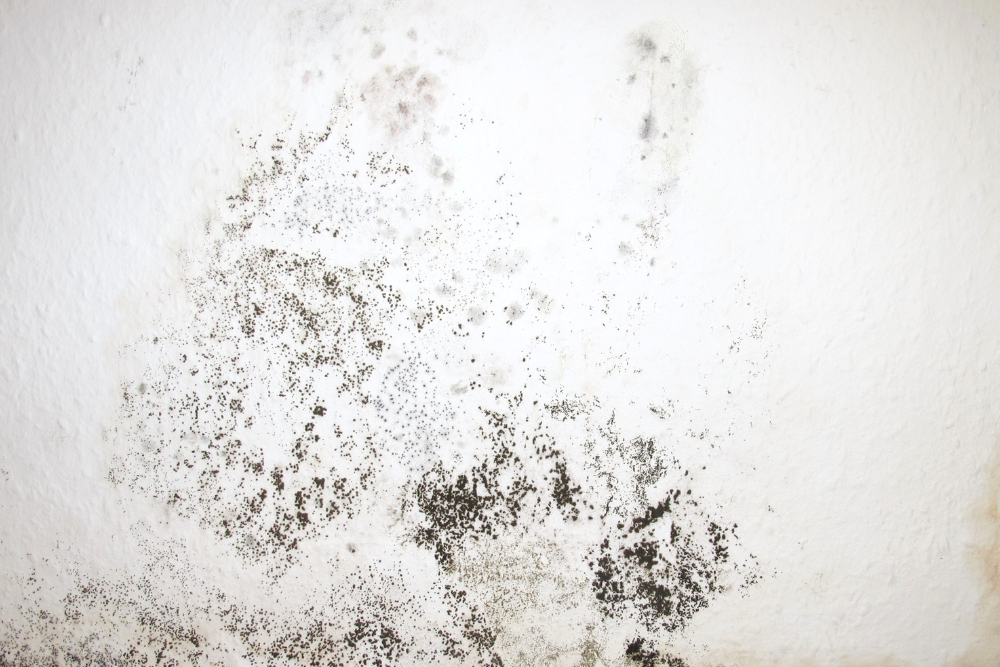
Freshwater boating often happens in humid areas. Unfortunately, this is where mildew loves to grow, and mildew can cause problems. Not only is it unsightly, it can damage upholstery and give your boat a musty odor that’s hard to get rid of.
To avoid issues with this, clean interior surfaces with mildew-resistant cleaners and leave hatches and compartments open to ventilate. You can also use moisture-absorbing products or dehumidifiers in cabins.
Trailer Cleaning
Salt may not be a problem when launching into freshwater, but freshwater ramps do often play host to slippery algae or mud. This gunk can easily transfer to your trailer, and letting it sit can lead to damage.
For this reason, it’s a good idea to pressure-wash your boat trailer after retrieval to prevent green slime buildup. Be sure to check and clean rollers and bunks, as algae there can transfer to your hull. You’ll also want to inspect brakes and wheels for mud or gravel that can cause wear.
Prevent the Spread of Invasive Species
Freshwater boaters face a unique responsibility: not spreading invasive plants and animals from lake to lake. This is so, so important, which is why you absolutely must rinse your hull and trailer thoroughly after every use and inspect for (and remove) weeds, mussels, or snails. Make sure to drain live wells and bilges before leaving the ramp, and give everything a chance to dry completely before launching into a new body of water.
Note that many states have regulations about invasive species transport. These may seem annoying, but following them protects the waterways we all love.
More Boat Cleaning Tips
Yes, saltwater and freshwater pose different threats. That said, there are some cleaning habits that are always good practice in any environment. No matter where you prefer to go boating, you’ll want to keep the following tips in mind.
Use the Right Tools
Using correct tools for the job will help ensure you get the task done right:
- Soft-bristled brushes prevent scratching gelcoat.
- Microfiber towels are great for glass and detail work.
- Extendable handles help you reach hard spots without crawling around.
- Always rinse brushes and towels so you’re not grinding grit into the finish.
Choose Eco-Friendly Cleaners
We love our waterways and want to make sure they are in good shape for the next generation to enjoy. For this reason, choosing the right cleaning product(s) is super important:
- Use biodegradable, marine-safe soaps.
- Avoid harsh chemicals that can harm the environment or your boat’s finish.
- Always follow local regulations about wastewater runoff at marinas.
Make It Routine
Avoiding buildup will help ensure cleaning your boat is never too big a chore. This requires making cleaning a part of your boating routing. You’ll want to rinse the boat and wipe it down after every trip and deep clean either monthly or every few trips, depending on use.
Besides cleaning, make sure you don’t put off small maintenance jobs—they’re always easier to tackle before they get big.
Inspect as You Clean
Certain damages can cause huge issues for boaters. That said, if you catch the problem early on, you can actually prevent extensive damages. For this reason, we highly recommend carefully inspecting your boat as you clean:
- Check for cracks in gelcoat or seals.
- Look for loose screws or corrosion on fittings.
- Inspect lines and fenders for wear.
- Check electrical connections and battery terminals for corrosion.
Store Your Boat Properly
Last but not least, be sure to store your boat properly to avoid damage from sunlight, rain, and dirt. Use a cover to protect the boat from the elements, and ventilate closed storage spaces to avoid problems with mildew. It’s also a good idea to clean the boat well before storing it in order to avoid “baking in” stains.
Yes, boating is about freedom, adventure, and the joy of being on the water. That said, if you want to enjoy all of that fully, you need a clean, reliable boat. This is why using the tips above to clean and maintain your boat is key!
Take notes, create a cleaning schedule, and you’re sure to enjoy many years of happy boating in a well-maintained boat.

How to Get Kids Involved in Pre-Season Boat Prep

How to Remove Hard Water Spots and Salt Build-up from Your Boat
Fuel Dock Etiquette and Other Unwritten Rules of Summer Boating