
How to Keep Your RV’s Tires in Top Shape for Summer Travel

Does anyone remember the ad slogan used by Michelin in the 1980s and 90s? “Because so much is riding on your tires”. Not only do we have an RV riding on our tires, but we may also have children, pets, partners, or friends. This is why it is so important to maintain our RV’s tires, but it is an area we routinely miss. Where do you start?
Invest in the Right RV Tires
Check your owner’s manual to start off with the basic tire information. You can also look for the details on the sidewall of your tire that are currently on your RV. You will also find tire information in the driver’s side door of motorized RVs.
Because you are towing or hauling a lot of RV, you also need to consider the Ply rating. The higher the ply is, the more durable and stronger the tire. RVers tend to start with around 10-ply, but your specific needs factor in. You will need to consider how much weight you are towing, the types of roads you are traveling on, and how often you are traveling.
Maintaining Your RV’s Tires
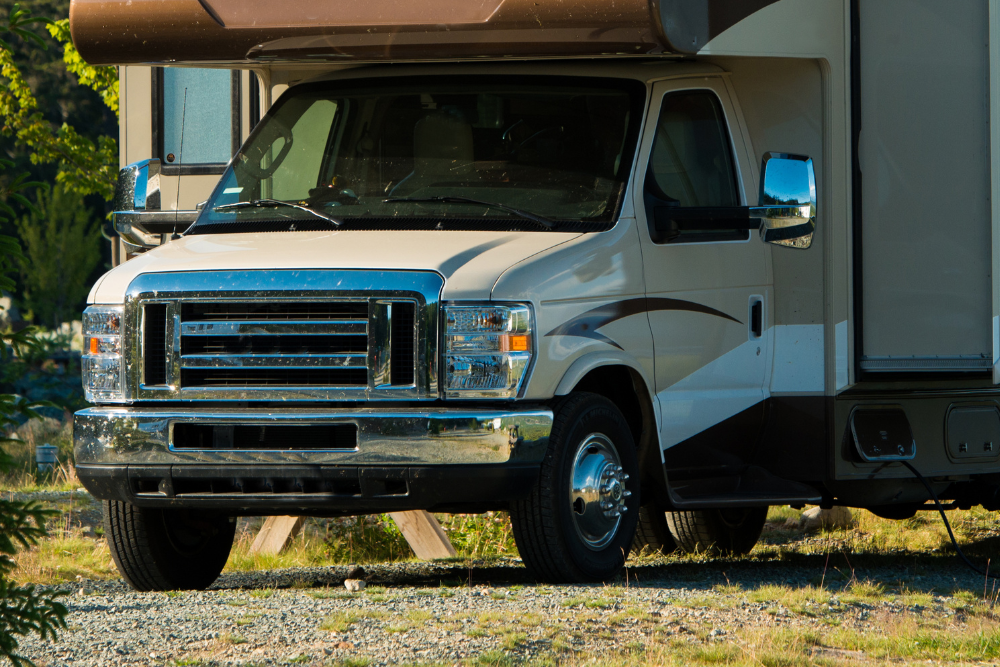
Some of the tire maintenance is similar to a car. But there are some special steps you need to be aware of when caring for your RV’s tires.
- Alignment & Balancing – It is a good idea to get them aligned or balanced anytime you feel vibrations while driving, the RV pulls to one side, if your RV’s tires are not wearing evenly, or when you make a new tire purchase. Axle alignment is the focus on a trailer or fifth wheel for proper towing, too.
- Rotation – You should rotate you RV’s tires more often than a car. It is even recommended to rotate them every six months, even if you haven’t been RVing.
- Tire Pressure – For towed RVs, the tire pressure is found on your RV’s certification label. If you have an RV with a motor, check your owner’s manual for specifications. When you are on a long RV trip, you should check the pressure regularly. Also, you may need to adjust the pressure based on the outside temperature. Here are the steps for checking pressure appropriately:
- Check the pressure when the RV’s tires are cold
- Don’t exceed the tire pressure listed on your tire’s sidewall
- All tires on an axle should have the same pressure
TIP: It is important to point out that many RVers invest in a Tire Pressure Monitoring System(TPMS). It is possible to drive in a large rig and not even know you have had a flat tire. The systems can also let you know if a tire is getting too hot while driving in the summer.
- Tread – Make sure your tire does not look brittle, faded in color, or show cracks in the tread. Also, check the depth of the tread. Some states say tires are legally worn when the tread depth reaches 2/32 of an inch. You will also want to choose a tread that matches your style of RVing…are you always on the Interstate, do you go off-road, etc.
- Spare Tire – Don’t forget to carry your spare. Ensure the spare is maintained just like your mounted tires.
Set Up a Regular Routine
Keeping your RV’s tires in shape for summer travel is not just about performing the regular maintenance routines. It is also about doing them on a regularly scheduled basis. You need to know your tires and your RV to create the right tire care routine. But here is what RVers currently do to care for their tires.
- Monthly tire pressure inspections
- Monthly tread depth check
- Rotation every 3,000 to 8,000 miles
- Tire replacement every 5-7 years
- Cover tires when not in use against UV and heat
- Wash RV tires with proper cleaning materials
- Adjust the position of the rig when parking for long periods
- Invest in a TPMS and monitor tires while traveling
Know Your RV’s Tires
You want to keep your tires healthy, but what is healthy for the tires you purchased? There are things you need to know about your tires so you have a basis of reference. Here are some things you should learn.
- Longevity. What is the lifespan of these tires?, There are many variables like how much weight is on them, how often you ride on them, and what types of roads you travel. But from your past experience and that of others, you can come up with a general average for the length of time these tires may last.
- When to Replace. If you have tires replaced in a shop, they will tell you the mileage when you need to replace them. Individuals with higher risk aversion may want to replace tires a year or two before the suggested time. Some people go with the average replacement time. Others will try to get all they can out of the tires by checking them regularly for flaws or issues.
- Overload. Know your RV’s weight limits! This will factor into the right kind of tires you need. Overloading the weight on your RV will result in blowouts.
- Storage or Parking. If you do not use your rig all the time, you may be storing it or parking it for extended periods of time. It is a good idea to avoid exposing your tires to excessive heat during the summer. If possible, you may even slightly move your rig forward or backwards so they are not parked in the same position for a long time.
- Safe Driving. Make your tires last longer and provide a safer ride. Use RV-related driving tools and GPS to keep you on roads appropriate for your rig. Add your own attentive driving to those resources, and you will know the roads where you take your tires. You can be careful where you park, avoid potholes, and even avoid gravel or dirt roads.
- How to Clean. Read up on what cleaning materials can be used on your tires. Using the wrong cleaning supplies can shorten or damage the life of your tires. You will want to clean tires regularly. This is a good time to do an inspection as well.
We can utilize all the information provided to us on tires. Ultimately, each tire has gone through its own creation and usage process. The best practice to keep your tires in top shape during summer travel – visual inspections. When you stop at a fuel station, walk around your rig and check the tires. You can never do too many tire inspections on the road. Happy travels!

Prepping Your RV for Use

The Off-Season: Things to do and Prep for Your RV Adventures
RV Air Conditioner Maintenance: Stay Cool on the Road