
RV Friendly National Parks to Explore This Summer
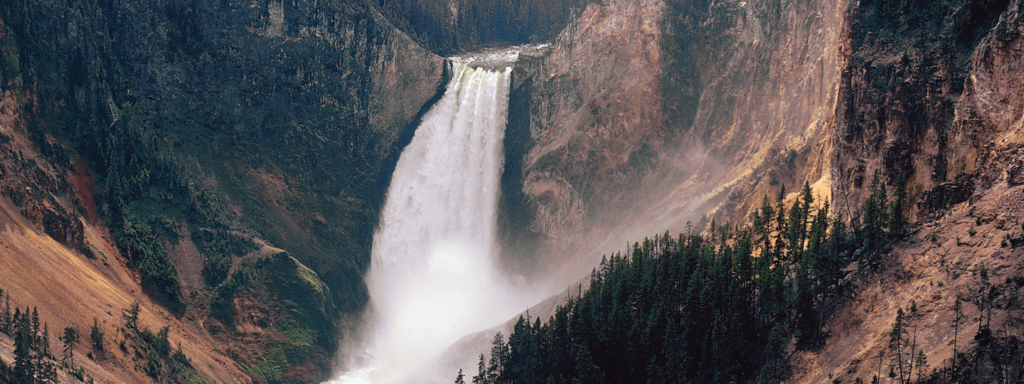

Summer is the season so many of us want to get out and explore. The weather is warmer, the days are longer and school break opens up time off for families and educational staff. The sea waters are warmer, we don’t have to wear so many layers, and nature is alive. It’s time to find an RV Friendly National Park to visit!
Even if you don’t like crowds, you can enjoy the shoulder months of May and June or September and October. Everything is open and buzzing, especially the national parks. Hopefully, you have planned ahead because by the time summer is here, most all RV sites are booked and the first-come, first-serve spots are taken.
National Park RV Friendly Site Features
As you get ready to prep for your camping experience in the national parks, you need to know some basic information. Although most national park campgrounds will have these general features, you need to check with each park for site information specific to their area. Sometimes you may not have water because the area cannot support underground water and sewer systems. Or, they can’t run electricity to very remote areas.
- Site Lengths – You will find a large percentage of national parks will limit the length of the RV to around 30-35 feet or less. If you have a big rig, don’t fret. There are a lot of campgrounds that will accommodate your length. Most national park reservation systems will indicate the maximum length an RV can be to fit into the site. I also recommend checking out the sites visually if you can (online photos or Google satellite maps). Some sites may have overhanging branches that are hard for 13.5-foot-high RVs to access.
- Hookups – Not all hookup options are available in a national park campground. If you are camping in the summer, you probably want 50amp. If they do not have it for A/Cs, you may need to bring a generator. Most RVs will have access to water hookups but always double check. A large percentage of national parks do not have sewer access so know how long you can go before your tanks will be full. Some parks do have a dump station. If you need to dump mid-stay, you will need to unhook and leave your campsite or, have a portable RV tank to haul and dump.
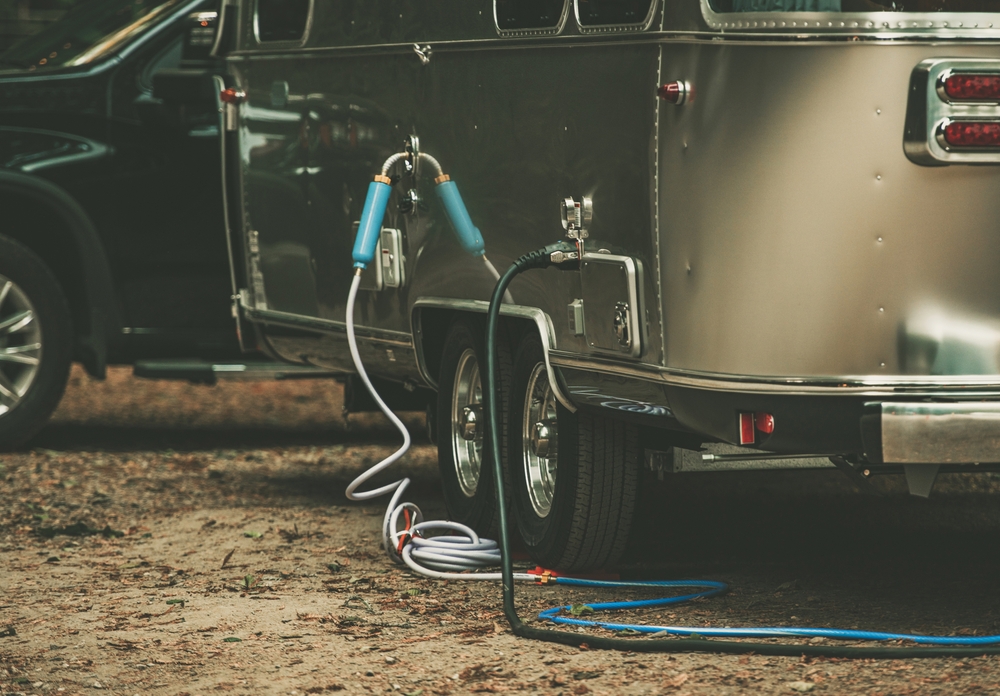
- Generators – In the summer, RVs can get very hot inside. If you do not have electric hookups or are limited to 30amp or less, you may not be able to run an air conditioner. Generators are usually a backup in this scenario. But some campgrounds do not permit generators or they may have limited hours you can run them.
- Roads – The entrance and access to a national park can vary. Some have dirt roads, others are paved. You may be able to get into the campground but driving around in the national park is not permitted. If you want to drive around the park, find out which roads are accessible by RV and which ones are not.
- Fire pits – Most national parks will not permit you to bring in outside firewood. You usually need to purchase onsite. If you plan to cook out a lot, check on these campground features. Be aware too that parks may have fire bans. Then all your cooking plans are off the table.
- Other Amenities – Other amenities may include picnic tables, fire pits, or access to shower and restroom facilities. These may not be available at every national park. Each park does list its amenities so ensure the features you want will be available.
Always check with the campground when you have narrowed your search for where you want to stay. Everyone camps differently. There may be some campsite features you don’t want to live without.
Best RVs for National Park Camping
If you want to camp mainly in national parks, here are some guidelines for selecting the best RVs. If you plan to do other types of camping, Don’t limit your RV choices to these features; instead, look for the national parks that are suited to your rig choice.
- Length – As mentioned, some of the best lengths for national park camping are around 30-35 feet or less. If park camping is your primary goal, then looking for RV brands that build rigs under 30 feet is your best option.
- Self-Contained – An RV that has a shower, restroom, or even a washer-dryer can open up your stay length and options. These aren’t necessary but can give you more flexibility.
- Tanks – Since a lot of parks have minimal hookup options, I would select an RV that provides features where your RV can provide you with what you need. For water and sewer, look for an RV that has large tanks. This will make it possible for you to camp for longer periods without needing to refill or empty tanks.
- Electricity – In the summer, this is probably one of your most desired features but not necessarily available in all national parks. Your RV should be fitted with a generator. Better yet, use solar panels combined with a battery bank to ‘restock’ your power supply.
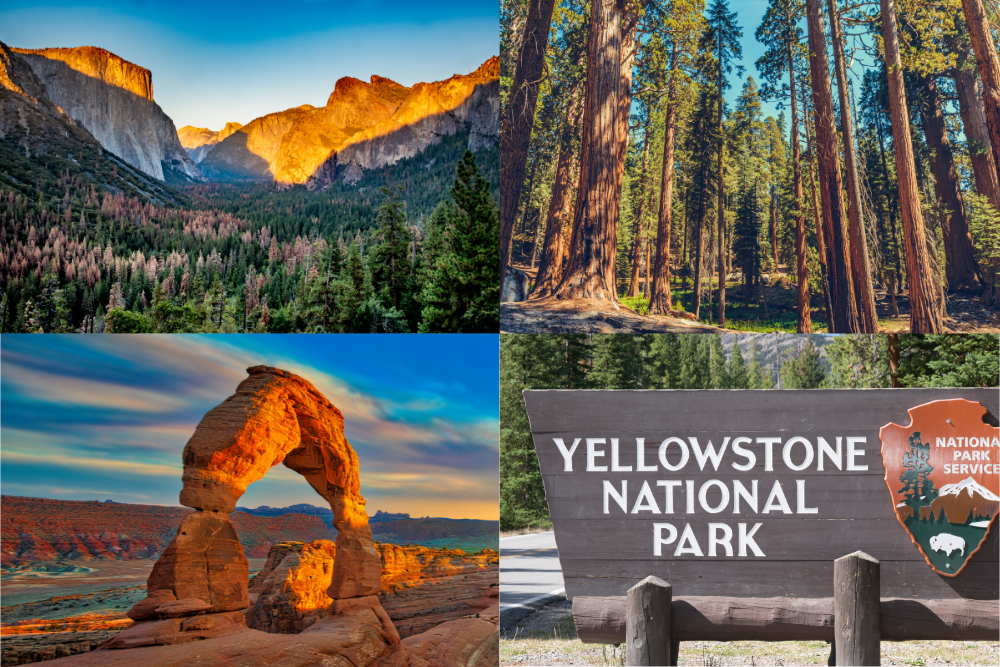
Top National Parks for RVers
If you have the right RV and are ready to book, here are some of the top national parks for RVers this summer. These national parks are some of the best to visit because they have the best summer weather, most services and activities are open and wildlife viewing is easily accessible. What kind of RV features can you expect?
| National Park | Hook Ups | Rig Size | Reservations |
| Acadia Maine | Water, Electricity, some Sewer | Up to 45 ft | Online |
| Wind Cave South Dakota | No Hookups | Unrestricted | Online |
| Great Smoky Mountains Tennessee | Electric, Water | Up to 40 ft | Online |
| Shenandoah Virginia | Water, Dump Station | Up to 100ft combo* | Online |
| North CascadesWashington | Full Hookups | Up to 122ft combo | Online |
| Grand TetonWyoming | Full Hookups | Up to 45ft combo* | Online |
*Combo means that is the length of your trailer or fifth wheel and your tow vehicle combined.
Don’t rule out a national park because it doesn’t have full hookups. Look for independently owned RV campgrounds within driving distance of the park. You can enjoy full hookups, the campgrounds, the national park, and scenic or city drives in the area.
No matter what national park campground you choose, you can’t go wrong. Just build your plans with these tips to get started. Planning your campsite needs and selecting the best RV will help you make the most out of your RV adventure. Happy Camping!
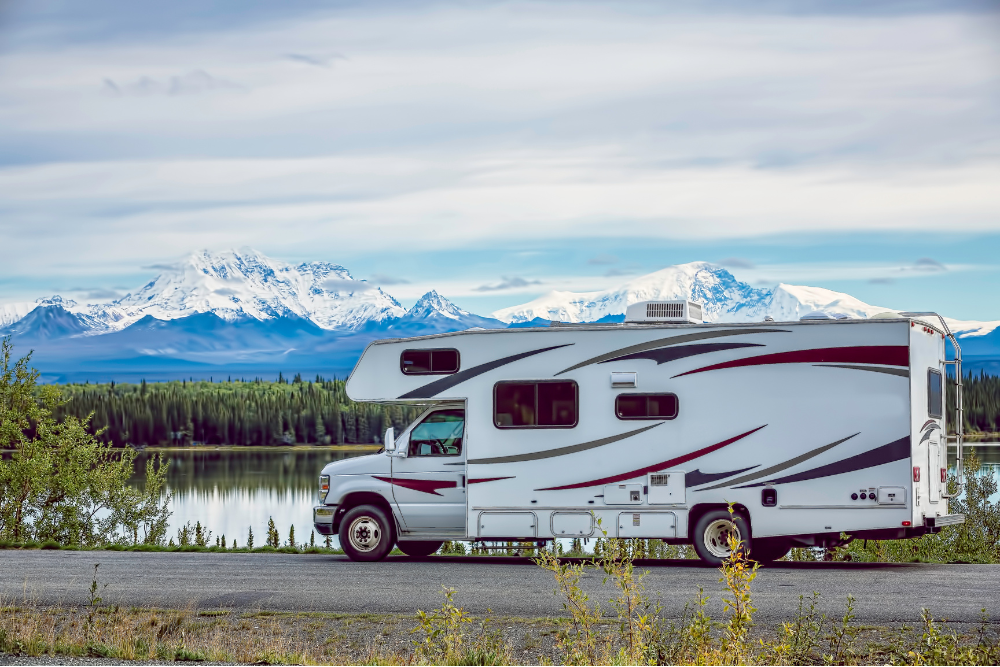
Spring is Sprung! Hitting the Road in Your RV

7 Reasons Why We Love RVing
5 Cold Weather RVing Hacks: Staying Cozy Without Breaking the Bank