
6 RV Maintenance Tasks You Should Handle Before Your Next Adventure


Before your next getaway, a little preventive RV maintenance can save you from roadside headaches, expensive repairs, and lost vacation time. RVs combine vehicle systems with household-style appliances, which means a quick pre-trip walkaround is not enough on its own. The smartest approach is to check the components most likely to affect safety, reliability, and comfort before you pull out of the driveway.
From tire pressure and roof seals to batteries, propane connections, and slide-outs, these are the RV maintenance tasks worth handling before your next adventure. Use this guide as a practical pre-trip checklist to ensure your RV is road-ready, campsite-ready, and less likely to surprise you once the journey begins.
Tires and Wheels Come First in RV Maintenance
RV tire problems are one of the most common causes of trip delays, and they are often preventable. Before a long drive, check tire pressure when the tires are cold, inspect sidewalls for cracks or bulges, and look for uneven tread wear that could point to alignment, suspension, or overload issues. Do not forget the spare. It should be properly inflated and easy to access. It is also smart to verify lug nuts are tightened to the manufacturer’s specification and, on towables, to check wheel bearings for play or signs they need service. A tire pressure monitoring system can add another layer of protection once you are on the road.
Inspect the Roof, Seals, and Exterior Openings
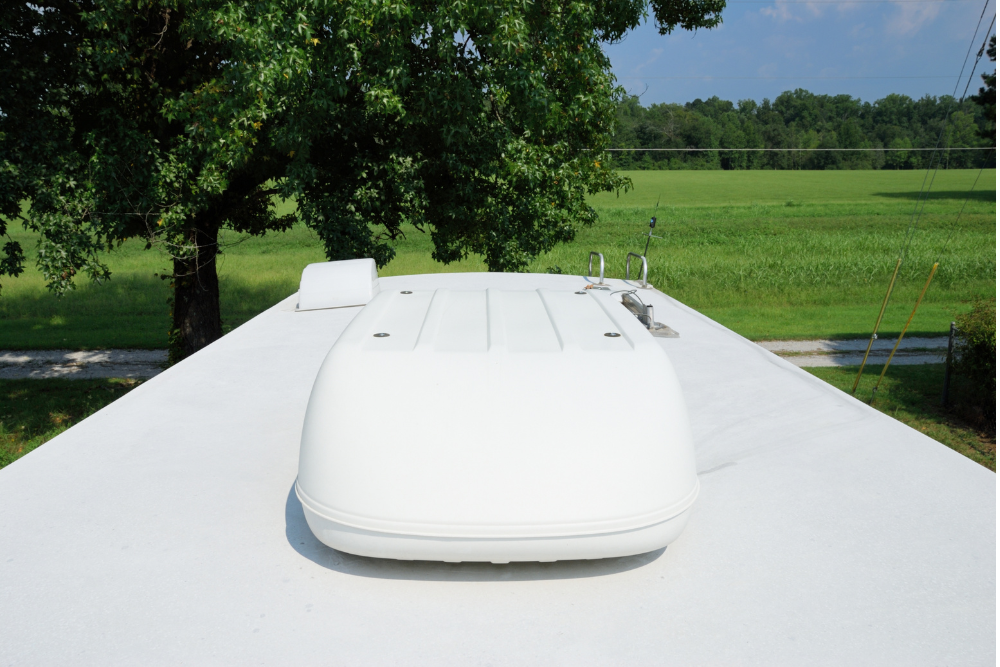
Water intrusion is one of the costliest RV problems, so inspect the roof before every major trip. Look around vents, skylights, antennas, air conditioners, windows, doors, and exterior compartments for cracked, lifted, or missing sealant. Check slide-out seals and awning attachment points too. Even a small gap can let water in and cause hidden damage over time. If you spot worn sealant, address it before departure instead of hoping it lasts one more weekend.
Check Batteries and Electrical Systems
Electrical issues can derail a trip quickly, especially if your house battery has been sitting between outings. Inspect battery terminals for corrosion, make sure connections are tight, and check charge level before leaving. If you have lead-acid batteries, confirm water levels are correct. Test interior and exterior lights, verify your shore power cord is in good condition, and make sure the converter, inverter, or generator is working as expected. If your RV has a generator, run it before the trip instead of waiting until you need it at camp.
Verify Propane, Water, and Appliance Readiness
Before travel, confirm propane tanks are secured, check fuel levels, and inspect connections for leaks using a simple soapy water test. Make sure the refrigerator, furnace, water heater, and stove all operate properly. On the water side, look underneath the RV and around fittings for leaks, test the water pump, and verify your fresh water and waste systems are ready for travel. If your water heater uses an anode rod, inspect it periodically and replace it when it is heavily worn. These easy checks can prevent a frustrating first night at the campsite.
Do Not Skip Brakes, Lights, and Towing Connections
Whether you drive a motorhome or tow a trailer, your departure routine should include a full lighting and brake check. Test headlights, brake lights, turn signals, running lights, and hazard flashers. For towables, inspect the hitch, coupler, safety chains, wiring harness, breakaway cable, and brake controller settings. Make sure everything is locked, secure, and correctly connected. These checks only take a few minutes, but they are some of the most important steps for safe travel.
Prepare Slide-Outs, Awnings, and Moving Parts
Some of the easiest RV maintenance items to forget are the ones that move. Clean debris from the tops of slide-outs before retracting them, inspect slide seals for wear, and lubricate components only with products approved by your manufacturer. Check that awnings retract fully and are secured for travel. Also inspect entry steps, jacks, stabilizers, locks, and hinges so you do not discover a sticky or failed component when you arrive.
Finish With the Easy-to-Forget Safety Checks
Finally, test your smoke alarm, carbon monoxide detector, and propane detector, and confirm your fire extinguisher is charged and accessible. Secure loose items inside the RV, latch cabinets and doors, close roof vents and windows, and do one final walkaround before you leave. A good pre-trip routine is not just about preventing breakdowns. It also gives you confidence that your rig is safe, comfortable, and ready for the road ahead.
A little preparation before each trip can make a big difference in how smoothly your RV adventure goes. By checking the essentials—such as tires, seals, batteries, propane, water systems, and safety equipment—you reduce the risk of breakdowns, protect your investment, and travel with greater peace of mind.
The goal is not to make pre-trip RV maintenance complicated, but to build a reliable routine that keeps your RV safe, comfortable, and ready for the road. With a consistent checklist in place, you can spend less time dealing with problems and more time enjoying the journey ahead.
Frequently Asked Questions:
What is on a basic pre-trip RV checklist?
A basic pre-trip RV checklist usually includes the essentials that affect safety, drivability, and campsite readiness:
Basic pre-trip RV checklist
Tires: check pressure, tread, sidewall cracks, and the spare
Lights: test headlights, brake lights, turn signals, and running lights
Brakes and towing gear: inspect hitch, coupler, safety chains, breakaway cable, and brake controller if towing
Battery and power: check battery charge, terminals, shore power cord, and generator
Propane system: make sure tanks are secured and check for leaks
Water system: look for leaks, test the water pump, and confirm tank readiness
Roof and seals: inspect for cracks or worn sealant around vents, windows, and doors
Slide-outs and awning: clear debris, inspect seals, and make sure everything retracts properly
Safety devices: test smoke, carbon monoxide, and propane detectors; check the fire extinguisher
Interior prep: secure loose items, latch cabinets, and close vents and windows
Final walkaround: confirm steps, jacks, compartments, and doors are stowed and locked
How do I check my RV tires before a long drive?
Before a long drive, I’d check your RV tires in this order:
Check pressure when the tires are cold
Use the inflation pressure recommended for your RV or tire setup, not just a generic number on the sidewall.
Inspect the tread
Look for uneven wear, bald spots, or low tread depth. Uneven wear can point to alignment, suspension, or loading problems.
Examine the sidewalls
Look for cracks, bulges, cuts, or dry rot. These are warning signs that a tire may be unsafe for highway travel.
Check for age-related wear
Even if tread looks fine, older RV tires can age out before they wear out. If you know the tire is several years old, it may need closer inspection or replacement.
Inspect valve stems and caps
Make sure valve stems are not cracked or leaking and that caps are in place.
Verify lug nuts
Make sure they are tightened to the correct specification, especially if the wheels were recently serviced.
Do not forget the spare
Check its pressure and condition too, and make sure you can easily access it.
Look for signs of overloading
Bulging tires or excessive wear can mean the RV is carrying too much weight.
Consider wheel bearing condition on towables
If you tow a travel trailer or fifth wheel, check for play, noise, or signs the bearings need service.
Use a TPMS if you have one
A tire pressure monitoring system can alert you to pressure or temperature problems while driving.
What RV maintenance tasks are easy to forget before a trip?
Easy-to-forget RV maintenance tasks before a trip usually include the small items that are not obvious until something goes wrong.
Commonly forgotten RV maintenance tasks
Testing safety detectors like smoke, carbon monoxide, and propane alarms
Checking the fire extinguisher to make sure it is charged and accessible
Inspecting roof sealant around vents, skylights, antennas, and AC units
Looking at slide-out seals for cracks, wear, or trapped debris
Clearing debris off slide-outs before retracting them
Checking the spare tire for pressure and condition
Inspecting battery terminals for corrosion and loose connections
Running the generator before the trip to make sure it starts and carries a load
Checking propane connections for leaks
Inspecting the water heater anode rod if your RV uses one
Making sure awnings are fully secured for travel
Lubricating entry steps, jacks, locks, and hinges if needed
Securing loose items inside so they do not shift while driving
Closing roof vents and windows before departure
Doing a final walkaround to confirm compartments, steps, cords, and stabilizers are stowed
These are the kinds of things people often skip because they are quick, but they can cause some of the biggest headaches on the road.
How often should I service my RV before regular use?
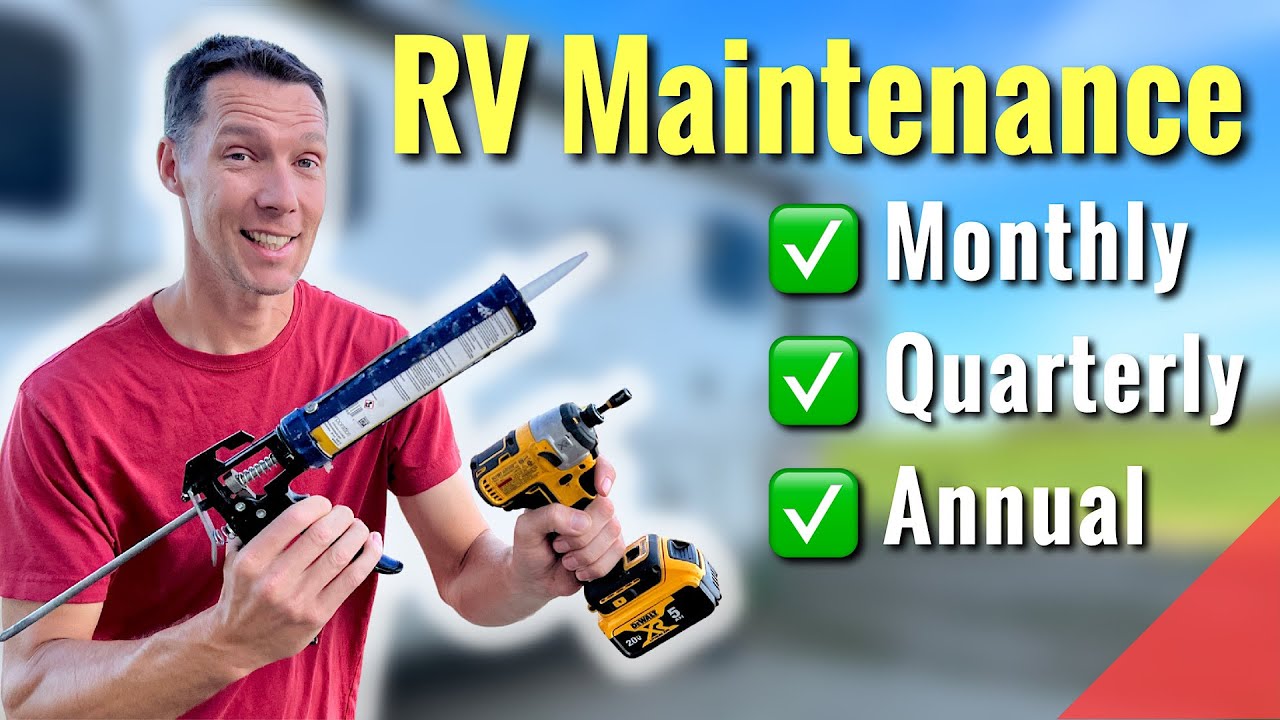
A good rule of thumb is to do a basic pre-trip check before every outing and follow a larger maintenance schedule throughout the year.
Simple RV service timeline
Before every trip:
Check tires, lights, battery charge, propane, water leaks, roof seals, slide-outs, safety detectors, and do a final walkaround.
Monthly or during regular use:
Inspect batteries, run the generator, check fluid levels if applicable, test appliances, and look for leaks or seal issues.
Seasonally or every few months:
Inspect and reseal problem areas as needed, service wheel bearings on towables when recommended, check the roof more thoroughly, and inspect brakes, suspension, and moving parts.
Annually:
Do a deeper service that may include brake inspection, bearing service, appliance service, water heater checks, battery testing, roof inspection, and any manufacturer-recommended maintenance for your chassis or engine.
Themost accurate schedule is always the one in your owner’s manual for both the RV and the chassis. Different motorhomes, trailers, batteries, roofs, and appliances all have different service intervals.

Ready to Winterize your RV? Get Started Now!

5 RV Upcycle Ideas to Give New Life to Old Items

Creative RV Storage Solutions for Small Spaces