
RV Tire Safety in Summer Heat: What Every RV Owner Should Know
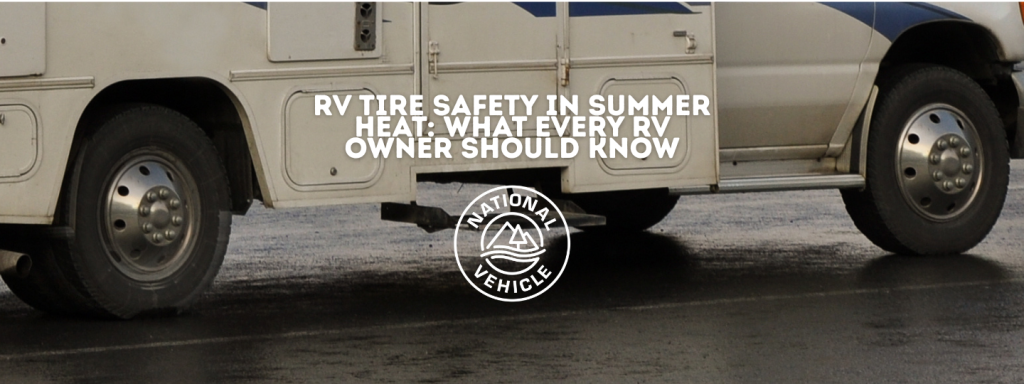

RV tires are complicated multifaceted constructs of a variety of compounds, including rubber, woven steel belts, beads, sidewall reinforcements, etc. When a rv tire blows out there’s an explosive release of pressure that tears the tire apart and showers the highway and surrounding vehicles with a cloud of particles some larger than others but all of this debris creates immediate and subsequent road hazards that needs to be avoided by all the drivers, not just the one that lost the tire.
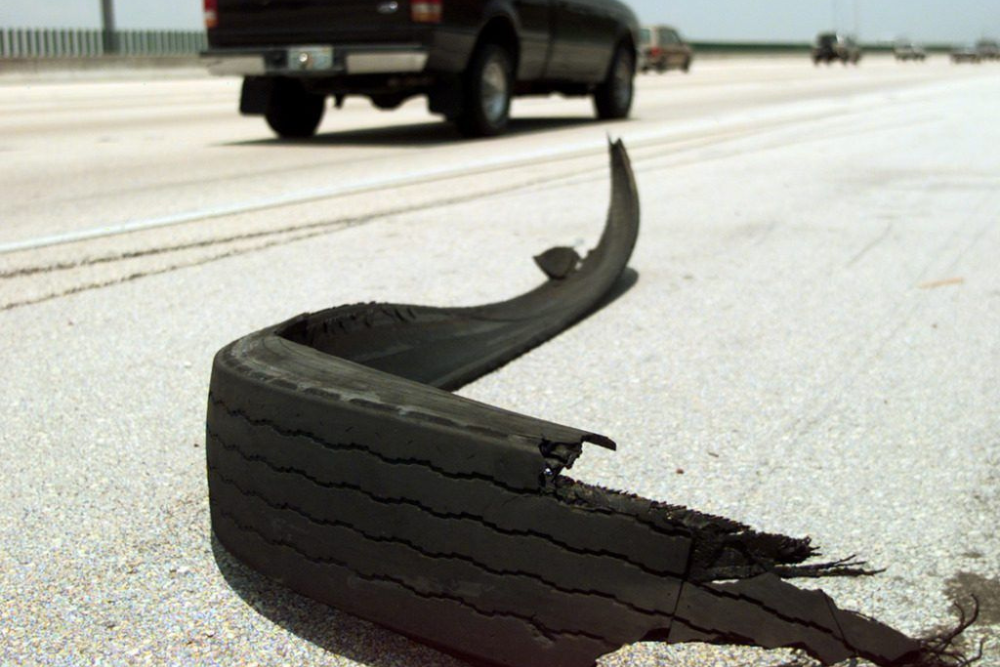
Watch For Tire Debris Zones
You have probably driven on highways that were littered with debris from blow outs. Take that as a warning. Those stretched of highway may be unusually hot in the summer months because of the angle of the sun, the lack of shade, the volume of traffic, the highway speeds, wind-lessness or other conditions that increase the temperature of the roadway. When you see all the damaged tire remnants on a section of highway slow down, and give other drivers around you a little more space. After all, you don’t want to be beside an 18 wheeler and have a third of a truck tire slam into your windshield or fender.
Why RV Tires Age Differently
As an RV owner, you need to be particularly mindful of the condition of all your tires on your motorhome, towed trailer, or towing truck. It’s a good idea to keep track of the purchase date and age of the tires because tires rot from the inside out while your RV is just sitting.
Unlike most passenger vehicles which are in regular daily use, where the wear and tear from driving generally matches up with the overall age of the tires, RV tires are different and may have less discernible wear because the RV is often parked for long periods of time, whether it’s stored between camping trips, or it’s stationary in a campground and used as a vacation retreat, or it’s winterized and not in use during the off season.
Either way the age of the tires is the key component because they are continually breaking down (rotting) on the inside. Therefore, if your RV tires still have a lot of tread but they are 8 or 9 years old they probably should be replaced, or at least removed and professional inspected to make sure they aren’t a blow out just waiting to surprise you. It would be prudent to replace old tires rather than try to wring every last mile out of them and put yourself and others in a dangerous situation caused by a blowout.
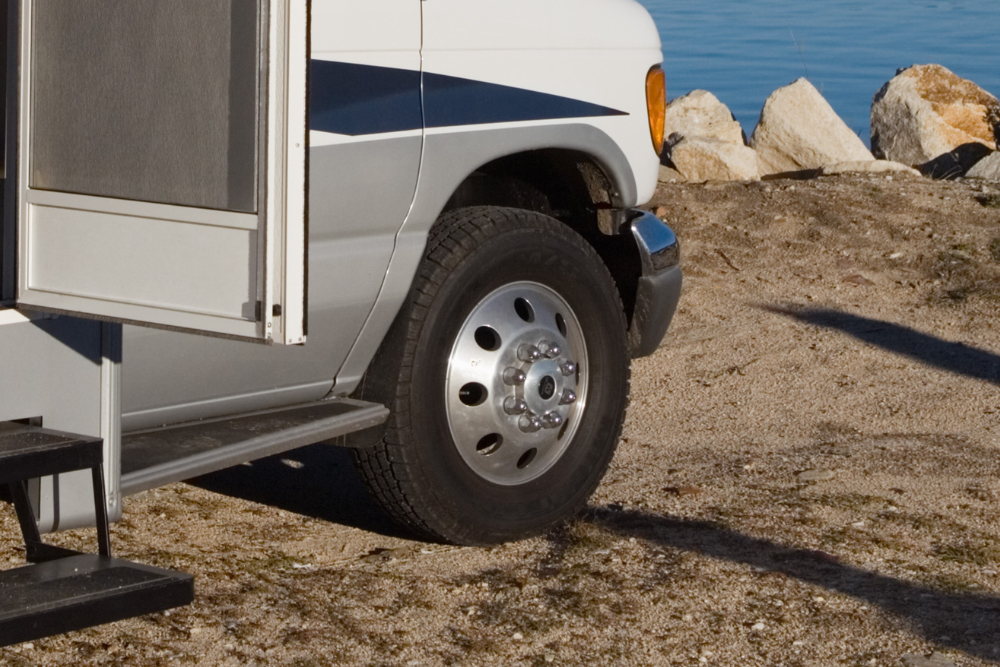
The bottom line, if it’s hot outside, be mindful of the dangers of blowouts and drive accordingly. Slow down, allow more space around your vehicle, take a few breaks, or drive during the cooler hours of the day. Hot summer driving can be just as dangerous as driving on icy roads. Just because it’s sunny outside doesn’t mean it’s safe to tear down the road with your hair on fire.
Frequently Asked Questions:
How does summer heat affect RV tires?
It is almost as dangerous to drive in conditions of extreme heat as it is to drive in snow or ice. The danger is from blown out tires, both on your vehicle, as well as, on all the other cars and trucks on the road in front or beside your vehicle. A blow out is a sudden massive loss of air pressure in a tire and it can easily cause the loss of control of the vehicle. The natural reaction to a blowout is to slam on the brakes but that can cause your vehicle to swerve or fishtail out of control and the likelihood that you’ll lose control is exacerbated if you’re towing a travel trailer or 5th wheel trailer.
A blowout can occur on the towing or towed vehicle. Regardless of which vehicle has the blowout, the recommendation by professional trucking organizations is to grip the steering wheel firmly while trying to lightly accelerate through the blowout until your vehicle is back under your control. Accelerating vs braking causes your vehicle to move in a forward direction within the traffic lane rather than fishtail out of the lane.
The #1 cause of blowouts is under inflated tires. When tires are under inflated more of the rubber is in contact with the hot road surface which raises the internal temperature of the tires even higher which can cause excess pressure and eventually a blowout. Over Inflated tires are also a common cause of blowouts as well as old or poorly maintained tires. Rubber wears out so you need to check your tires frequently for proper pressure or visible signs of wear, like bulging, cracks in the sidewalls or uneven wear in the tread. Poor tire maintenance increases the risk of a blowout.
As temperatures go up so does the number of blowouts. Road surfaces that are exposed to direct summer sunlight can become dangerously hot and there’s no relief from the accumulation of excessive heat on the inside and outside surfaces of your tires. The longer you drive under those conditions the greater the chance that you will experience a blowout.
A blowout on your vehicle is certainly dangerous enough but the risk is not confined to your tires. Other drivers near you could also experience a blowout causing their vehicle to swerve into your lane or even just shower you with large rubber debris. This debris is a traffic hazard causing multiple drivers to swerve to miss the obstruction in the lane. Overall, blowouts and the aftermath of blowouts creates real hazards on multiple roadways every summer and these events do cause traffic accidents.
What causes RV tire blowouts and how can they be prevented?
As stated above the #1 cause of tire blowouts is under inflated tires. Under inflated tires exposes more of the tire’s rubber surface to come in contact with the hot asphalt which raises the internal temperature of the tire even further. This ever-increasing heat builds up and eventually causes the tire to fail with a sudden loss of all air pressure.
The best way to prevent blowouts is to inspect and maintain your tires. Look for obvious wear, cracking on the sidewalls, bulges, uneven tread wear, or other signs that the tires are failing. Check and maintain the proper inflation level. When driving on hot road surfaces, take some breaks. Stop at a rest stop for half an hour and let the tires cool. Park in the shade, if possible. A break is good for the driver, as well as, the vehicle’s tires.
The longer you’re on the road in the heat of the day, the more the heat will build up in your tires, so give yourself and your tires a break. Additionally, if you need to drive a long distance try to adjust your schedule so you can cover some of that distance during the cooler hours of the day or night. And finally, be aware that every other car or truck on the road could create a hazard for you if a blowout occurs directly in front of or beside you.
Therefore, during the hottest months drive defensively to limit your exposure to other people’s mishaps. Reduce your speed to help reduce excessive heat build-up. Allow extra space between you and vehicles you are following in case they have a blowout and shower the roadway with large rubber debris that you will need.

RV Breakdowns: How To Be Prepared
8 Key Reasons to Check on your RV to Prevent Stressful Storage
9 Valuable Upgrades for Boosting Your RV’s Market Value