
What to Know About Boating in National Parks 2025
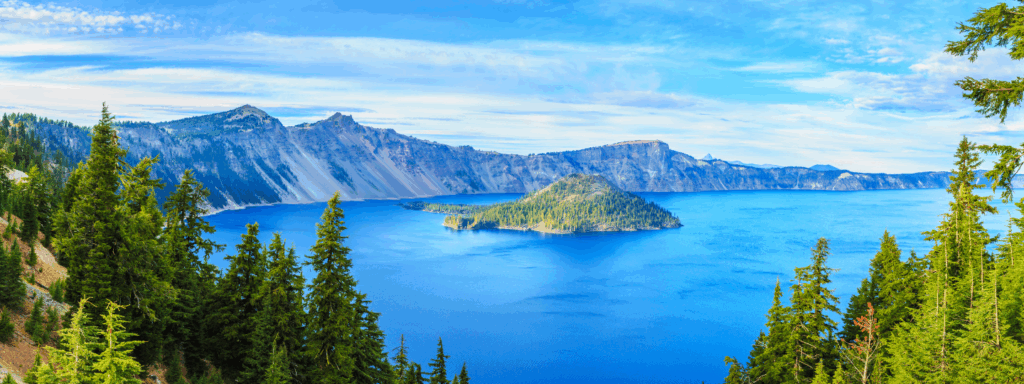

I absolutely adore exploring national parks. In fact, I’d even go so far as to say it’s my favorite thing to do while traveling. That said, there are certain parts of the parks that you really can’t experience on foot or in a car. These must be experienced via watercraft, meaning if you have a boat, you are better able to see all of the magical hidden areas of the parks.
Not sure how to begin boating in national parks? Here’s what you need to know to get started.
Boating Basics in National Parks
While it would be nice if all of the national parks had the same rules regarding boats, this isn’t the case. It would be impossible to impose blanket rules because each park is so unique. Instead, every national park has its own rules governing boating—i.e. what types of watercraft are permitted, which bodies of water are open, and what fees or safety requirements are in place.
That said, there are some general guidelines that apply at all (or almost all) national parks:
- Registration: All boats must be registered in your home state.
- Permits & Fees: Most parks require a boating permit, with separate fees for motorized and non-motorized watercraft.
- Life Jackets: U.S. Coast Guard-approved life vests are mandatory for each person onboard.
- Invasive Species Inspections: Many parks require boats to pass inspections or carry proof of decontamination to prevent the spread of aquatic invasive species (AIS).
- Alcohol & Safety: Boating under the influence is illegal and dangerous. Operators must follow all safety regulations and speed limits.
Where Boating Is Allowed: A Park-by-Park Look
Not all national parks allow boating, and as mentioned above, those that do have their own set of rules regarding watercraft. While we can’t possibly cover the boating rules for every park in this one article, we will cover some of the more popular national parks for boating in this section.
Yellowstone National Park
Yellowstone National Park is one of the most popular national parks in the country, and for good reason: The place is absolutely stunning and totally unique. Many people wouldn’t think about boating in this particular park, but it is possible, and it’s a great way to escape the crowds.
The season for boating in Yellowstone is Memorial Day through the end of October. Motorized boats are allowed on Yellowstone Lake and Lewis Lake. Non-motorized boats are allowed on many other lakes, though some are off-limits (e.g., Sylvan Lake, Eleanor Lake). Permits cost $20–$60 depending on boat type. AIS inspections are required, and some boats must be dry for 30 days before launch.
Keep in mind that weather changes quickly in the park, and water temperatures are dangerously cold. Always wear a life vest and stay close to shore.

Grand Teton National Park
Located not too far from Yellowstone, Grand Teton is another fantastic park that should be on everyone’s bucket list. Really, this might be an even better place for boating if you ask me.
Motorized boating is permitted on Jackson Lake as well as Jenny Lake, but there is a 10-horsepower max on the latter. Meanwhile, non-motorized access is allowed on most other lakes and parts of the Snake River. It is important to note that all boats must display AIS decals and comply with Wyoming’s aquatic invasive species program.
Everglades National Park
I absoltuely love Everglades National Park. It’s one I return to time and time again. And one of the coolest things about this park? A full third of the park is navigable via boat, and much of that can only be accessed by boat.
There are designated motorized and non-motorized zones, so you do want to make sure you are aware of where you and your watercraft are allowed to be. Idle-speed zones protect manatees; electric trolling motors are required in some sensitive areas.
Additionally, boaters must complete a park-specific education course.
Note that jet skis, water skiing, submersibles, and drones are all prohibited.

Glacier Bay National Park
Located in Alaska, Glacier Bay National Park is actually only reachable via boat or seaplane. That said, the park is absolutely gorgeous and well worth the effort it takes to explore it. If you don’t have a boat of your own, you can take paid tours, but if you do own a boat, that is the way to go.
Private vessels are allowed between April 1st and November 1st. That said, boat owners must coordinate travel with park officials in order to ensure they are allowed to have their boat in the park. Anchoring is banned in protected research zones, and dumping wastewater is strictly prohibited. On top of all that, noise and wake restrictions apply in wildlife-sensitive areas, so you will want to pay attention to signage and rules.
Dry Tortugas National Park
Another park that is accessible only by boat or seaplane, Dry Tortugas is a boating paradise in the Gulf of Mexico. The park is known for its turquoise waters, coral reefs, and Fort Jefferson, and it is a place all boaters will want to see at some point.
Here, private boating is permitted and encouraged. However, you must file a Boater Safety Information Packet and radio your arrival to park rangers. Anchoring is allowed in sandy areas near Garden Key. A few moorings are available, particularly near snorkeling sites. Boaters may camp on Garden Key but must pack out all trash and bring fresh water.
Keep in mind that there is no landing allowed on protected islands (like Bush and Long Keys). It’s also good to keep in mind that strong currents, sudden weather shifts, and shallow reefs make nautical charts and weather awareness essential.
Isle Royale National Park
Located in Lake Superior, Isle Royale is a rugged and remote wilderness. It is only reachable by boat and is an ideal spot for experienced boaters and kayakers seeking solitude.
Most visitors arrive via ferry, but personal boating is welcome. The park is open to private motorboats, sailboats, and kayaks. All boaters must obtain a boating permit (daily or seasonal), inspection and self-certification for AIS is mandatory, and overnight docking fees may apply. Numerous harbors and docks exist, but some are limited in size. Therefore, you’ll want to make sure to secure a spot early in the day, especially in peak season.
It’s important to note that cold water, underwater rocks, and fog are major concerns in the waters surrounding the island. VHF radio, GPS, and charts are recommended.

Channel Islands National Park (California)
This remote archipelago off the Southern California coast is best accessed by boat. You can take a concession ferry, but if you have a private watercraft, that is definitely the way to go, as it will give you freedom to explore at your own pace.
The park is open to private vessels, sailboats, and kayaks, and launching from Ventura or Oxnard harbors is typical. Some islands do require permits to land, and certain coves are designated for anchoring only. Landing is often prohibited during sensitive wildlife seasons (i.e. seabird nesting). There are no mooring buoys—anchoring in sand or gravel is permitted, but kelp beds and rocky shores complicate navigation.
Sudden wind shifts and fog are common, so always check marine forecasts before departure.
Tips for a Safe and Enjoyable Boating Experience
Now that you know where to go boating in national parks, let’s take a minute to discuss some tips for doing so safely. Using these tips will ensure your boating experience is enjoyable and as safe as possible:
- Research Your Destination: Park rules can change seasonally and may vary even within a single park. Always check the official park website.
- Permit and Inspect Early: Obtain boating permits and schedule AIS inspections in advance, especially in high-traffic parks.
- Gear Up: Bring USCG-approved life vests, emergency equipment, and maps. Know local laws about motors, speed limits, and noise restrictions.
- Be Weather-Wise: Sudden storms, cold water, and fast-moving rivers are common hazards. Check forecasts and avoid venturing too far from shore.
- Respect Nature: Avoid disturbing wildlife, keep noise to a minimum, and never dump waste or fuel into park waters.
Hopefully this article helps you get started with boating in national parks so you can experience all of the beauty found out on the water in these gorgeous and unique places. Why not get started today?
Frequently Asked Questions
Night Boating Basics: What Changes After Sunset
Iconic Islands to Visit to in Summer 2026

How to Plan Your First Family Boating Trip of 2026