
Protecting Your Boat from Moisture and Mold in the Off Season


Owning a boat is a wonderful thing. That said, maintaining it means staying on top of a lot of things. After all, you want to make sure to protect your investment so it can be enjoyed for years to come. One of the biggest threats to your vessel is excess moisture. This is especially true during the off-season. This is because trapped humidity and poor ventilation can lead to mold, mildew, and rot. The end result? Bad smells, yes, but also structural damage that could render the boat unusable if not repaired.
Fortunately, there are ways to ensure your boat stays dry, even through the winter. In this article, I will discuss how to go about this so you can be sure your boat is ready to go when spring rolls around again.
Why Moisture is Such a Big Threat
Obviously, moisture is going to be pretty unavoidable in a marine environment, but if it isn’t kept in check, it can become a serious problem. Humidity, condensation, rainwater leaks, and poor air circulation can all work individually or together to cause mold, mildew, and water damage, especially when the moisture soaks into wood, canvas, and upholstery onboard.
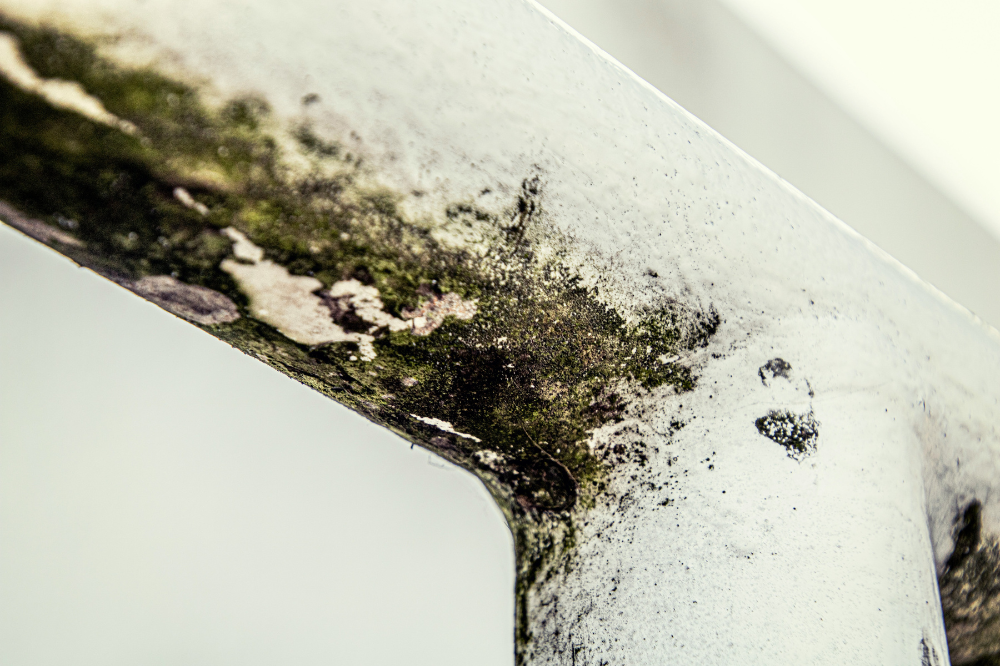
Mold spores are microscopic and will spread quickly across vinyl, cushions, carpet, and even fiberglass. Getting rid of all those spores is next to impossible, so it’s a much better idea to prevent the problem in the first place.
Preparing Your Boat Before Storage
Obviously, you want everything clean, dry, and protected before putting your boat into storage. This will help ensure that problems don’t develop while you’re not around.
Give Your Boat a Thorough Cleaning
Start with a good scrubbing. Salt, dirt, and organic matter all hold onto moisture and feed mold spores. You’ll want to wash the hull and topsides, scrub bilges and make sure they dry completely, clean upholstery and carpets, and polish and wax the hull for extra protection.
Dry Everything Completely
Obviously, you don’t want to leave any moisture behind at all. This means you’ll want to make sure that all upholstery, carpeting, bilges, live wells, storage compartments, and sails, lines, and canvas covers are 100% dry before putting the boat into storage.
This can be a little bit tricky, but if you position a fan or use a shop vacuum on “blow” mode to circulate air through the boat and its compartments, you will speed the drying process.
Remove Soft Goods and Valuables
Obviously, anything that is valuable should be taken off the boat. Additionally, I recommend removing anything that might hold onto moisture, as well as items that could be damaged by moisture or temperature fluctuations. Some examples of things to take off the boat include bedding, pillows, towels, clothing, jewelry, and electronics.
Check for Leaks
You definitely don’t want any leaks to be present while your boat sits in storage for months. Before you put the boat away, inspect seals, hatches, and windows. Replace worn gaskets and reseal fittings as needed. This will help you avoid huge problems down the line.
Choosing the Right Storage Option
How you store your boat over the winter can also make a huge difference when it comes to moisture management.
Outdoor Storage
Storing your boat outdoors is often the most feasible option, but it does mean taking some extra steps to protect your investment. One of the best things you can do is cover the boat. That said, you will want to choose your cover wisely:
- Shrink-wrapping is highly effective but can create condensation if not properly vented. Always ensure vents are installed.
- Canvas covers allow some breathability, but you’ll want to choose one specifically designed for your boat model to prevent water pooling.
Trailer Storage
If you’re storing your boat on a trailer, you should…
- Park on a well-drained surface, not bare soil.
- Elevate the tongue so water runs off.
- Use one of the covers mentioned above.
Indoor Storage
If you have access to dry-stack or indoor storage, you’re going to be much better off. In these facilities, your boat won’t be subjected to wet weather and harsh temperatures. That said, indoor facilities can have humidity problems, so dehumidifiers or moisture absorbers may still be necessary.
Ventilation: The First Line of Defense
Good airflow is one of the most effective ways to prevent problems with moisture. It might seem like a good idea to seal your boat completely. However, a boat that’s sealed too tightly will actually trap condensation inside. Meanwhile, a properly vented one allows damp air to escape.
Passive vents are my favorite options. These are installed in shrink wrap or canvas and let air circulate without electricity, making them incredibly low maintenance. That said, if you want something that does a bit more work, you might consider solar vents, which use solar power to keep small fans running during the day—or if you have access to power, low-wattage fans or ventilators designed for marine use.

Controlling Humidity Inside the Boat
Ventilation is your first line of defense, but it shouldn’t be the only way you go about keeping moisture from building up in your boat. The following options are simple enough to employ, so I recommend combining all three for maximum effect.
Moisture Absorbers
Products like DampRid, Dry-Packs, or silica gel work well in enclosed cabins. Place them in lockers, galleys, and sleeping quarters. Check periodically and change when necessary.
Dehumidifiers
If you store your boat in a space with electricity, a small marine-rated dehumidifier can keep humidity levels safe (ideally between 30–50%).
Anti-Mildew Sprays
Spray down surfaces with a mold inhibitor before storage. Many marine products contain safe fungicides that keep spores from growing.
Protecting Key Areas from Mold
There are a few more things you can do in specific parts of your boat to help prevent moisture build up and mold growth. These are simple things, but they really do help.
Cabin and Upholstery
To protect carpet and upholstery, store cushions vertically to maximize airflow and prop open lockers, drawers, and doors to avoid stagnant air.
Engine Room and Bilge
In the engine room, wipe everything down with a moisture-displacing lubricant like WD-40 or a marine equivalent. You’ll also want to keep bilges dry, using an absorbent pad if needed.
Galley and Head
Of course, you’ll also want to take care of the galley and head. Empty and clean the fridge and freezer, then leave doors slightly ajar. Remove all food and trash from the galley and drain freshwater systems to prevent freezing and mold growth.
Ongoing Winter Maintenance
Even after putting your boat into storage, you will want to check in on it every week or two to help prevent nasty surprises when spring rolls around. While there, empty moisture absorbers, wipe condensation, and inspect covers. Check for snow accumulation on covers, as excess weight can cause sagging and water intrusion. Sniff for musty smells.
If you catch water leaks in time, you can fix issues before they spread.
Spring Recommissioning
When you bring your boat back out in the spring, make sure to take the following steps to prevent mold growth and ensure the vessel is ready for new adventures.
- Air it out: Open hatches and let fresh air circulate for several hours.
- Wipe all surfaces: Even if no mold is visible, a quick disinfecting wipe prevents spores from settling.
- Check bilges and storage areas: Ensure no hidden moisture remains.
- Replace dehumidifiers and moisture absorbers for the active season.
Frequently Asked Questions:
What’s the ideal humidity level for storing my boat?
Aim to keep interior humidity between 30–50%. If it’s sitting above 60%, mold spores are likely to grow.
Should I shrink-wrap my boat?
Shrink wrap provides excellent weather protection. That said, it must be vented. Without vents, it can trap condensation and make mold worse.
Can I use a household dehumidifier on my boat?
Yes, if your boat is stored indoors with power access, a household dehumidifier is just fine. For outdoor use, a marine-grade model is recommended for safety and durability.
What if I discover mold in the spring?
Know that you are not alone. Clean the moldy area with a marine-safe mildew remover or a vinegar-water solution to see if that takes care of the problem. For severe infestations, professional cleaning may be needed.
Is mold only a cosmetic problem?
No, it can actually be a much bigger issue. Mold can damage upholstery, wood, and even fiberglass over time. It can also trigger respiratory problems, making it a health hazard.
How to keep mold out of a boat in winter?
As explained above, the key to keeping mold out of your boat is preparation and airflow. Start by cleaning and drying every surface before storage. Remove soft goods like cushions and bedding, or store them in a dry place indoors. Use moisture absorbers or a dehumidifier, and make sure your cover or shrink wrap is properly vented. Regularly check on your boat throughout the off-season if possible.
How to keep moisture out of a boat?
Honestly, you probably won’t be able to eliminate moisture entirely, but you can control it. Make sure the bilge and storage compartments are dry, seal leaks around hatches and windows, and provide ventilation with passive or powered vents. Making use of silica gel packs, DampRid, or a dehumidifier will further reduce humidity.
Is it bad to store a boat outside in winter?
Storing outdoors is not necessarily a bad thing, but you will want to properly prep your boat for sure. Invest in a high-quality vented cover or professional shrink wrap, support the cover to prevent pooling, and check regularly for snow buildup.
Moisture is one of the hardest things to control in a boat. Unfortunately, it is also one of the things that can cause the most damage. Mold and water damage are no joke and can cost thousands of dollars to take care of properly.
Instead of putting yourself through that misery, make sure to prep your boat properly and check on it regularly this off-season. This will allow you to rest easy knowing your boat will be mold-free and ready to hit the water right away next spring!
How to Detect Early Signs of Boat Engine Wear
Why Your Bilge Pump Deserves More Attention Than You’re Giving It

Fall Care for Boat Canvas, Snaps, and Zippers