
Boat Propeller Care Tips for the First Trips of the Season


You can feel the warmth of the sun on your skin and the wind in your face! And you aren’t even on the water yet. It’s called anticipation, and it’s OK to let it simmer. Because the first thing you want to do is uncover your boat and prep your gear. But often times, the boat propeller can be the most overlooked piece of equipment on your boat.
Like the tires on your vehicle or trailer, the propeller is your tread and alignment. You want to start the season by making sure everything is in top condition. Especially for a peak boating season – you don’t want to miss anything because a neglected propeller slows you down and uses more fuel. Or worse, damages your engine and leaves you stranded.
Here are a few tips that provide all the details on how to maintain your propeller for spring and get rid of the winter storage pests.
Your First Boat Trip is Important!
During the off-boating season, you may have had your boat on a trailer, dry rack, or in the water. All of these scenarios can still cause issues for your propeller. Starting the season off with an inspection ensures your drivetrain is working great on the first and following days of spring.
Trailer or Dry Rack – Seals can dry out, grease can harden, and small nicks from the previous season can begin to oxidize.
On the Water – If you keep your boat in a slip over the winter, the propeller becomes a prime real estate site for marine growth, which creates massive drag.
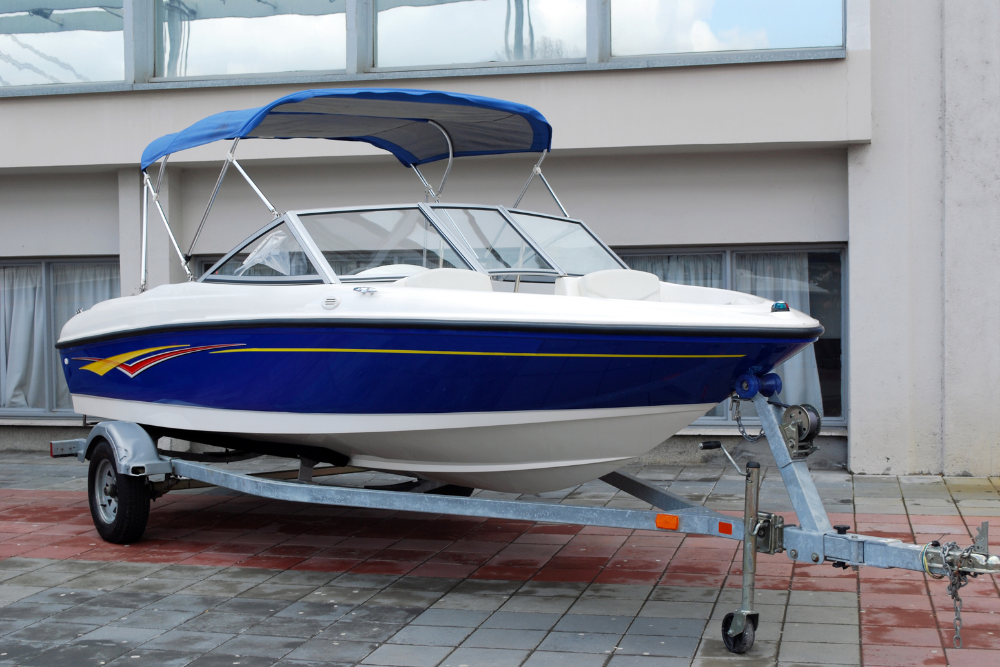
Signs of a Damaged Boat Propeller
A propeller is the easiest to check out for damage. No diving under the boat looking for performance or physical issues. Look for these cues.
- Extreme Vibration – This is the most common red flag. If you feel a rhythmic shaking in the steering wheel or the floorboards that increases as you throttle up, your propeller is likely out of balance. Even a tiny bend in one blade can cause the prop to wobble, putting immense strain on the propeller shaft and transmission seals.
- Low Speed and RPMs – If your boat struggled to reach its usual “Wide Open Throttle” (WOT) RPMs last year, or if it feels sluggish reaching a plane, the blades may be “pitched” incorrectly due to a strike, or they may be covered in growth.
- Visual Damage – A physical inspection is the only way to be certain. Look for:
- Dings and Nicks – Even small chips on the leading edge of the blade disrupt water flow (cavitation).
- Curled Edges – This suggests a strike with a hard object like a rock or a log.
- Discoloration – “Burnt” looking spots or pitting can indicate galvanic corrosion or cavitation burn, which eats away at the metal.
- High Fuel Use – If you find yourself visiting the fuel dock more often than usual, a damaged propeller is a likely culprit. When a prop is inefficient, the engine has to work harder (and burn more gas) to achieve the same speed.
How to Remove Barnacles and Marine Growth
If your boat spends a lot of time in salt or brackish water, the propeller may be covered in all types of fun marine life. You may have everything from barnacles to algae, even calcium deposits. This growth will create resistance as you flow through the water and, in turn, reduce your fuel efficiency. It also doesn’t bode well for your hull if it hangs on long-term. Here are steps you can take to reduce boat drag and help your propeller.
Step 1: The Scrape
Start with a plastic or wooden scraper. Avoid using metal scrapers on stainless steel or painted aluminum props if possible, as they can create deep scratches that encourage future growth. Gently pop off the hard shells of the barnacles.
Step 2: The Acid Bath (The Secret Weapon)
Barnacles leave behind “husks” or “base plates” made of calcium carbonate that are incredibly hard to scrub off. Apply a specialized muriatic acid solution or a dedicated hull cleaner.
Safety First: Wear gloves and eye protection. Let the acid sit for a few minutes; you will see it “fizz” as it dissolves the calcium. Rinse thoroughly with fresh water.
Step 3: Mechanical Cleaning
For any remaining stubborn spots, use a medium-grit pad or a soft wire brush. Avoid heavy-duty grinders unless you are experienced, as you don’t want to remove the actual metal of the prop.
Step 4: Prevention (The Pro Tip)
Once the prop is clean and dry, consider applying a foul-release coating or a specialized propeller anti-fouling paint. This makes it much harder for organisms to grip the metal next time.

Support Your Propeller Water Test
In order to test your propeller on the water, make sure you complete other essentials before your boat launch. Here are five important steps to make sure your first trip out is successful – before you back down the ramp.
- Check the Cotter Pin – Ensure the cotter pin (or locking tab) is secure. If it looks rusted or brittle, replace it. It’s a $0.50 part that prevents a $500 propeller from falling off.
- Grease the Splines – Remove the propeller and apply a generous coat of marine-grade lithium grease to the prop shaft. This prevents the propeller from “seizing” to the shaft due to corrosion.
- Inspect the Hub – Most modern props have a “pressed-in” or “drop-in” rubber hub designed to spin if you hit a rock (to protect the engine). If you see black soot or melted rubber around the hub, it’s failing and needs replacement.
- Look for Fishing Line – This is the #1 killer of lower units. Remove the prop and check for fishing line wrapped around the shaft. If left there, it will melt into the oil seals, causing gear lube to leak out and water to get in.
- Monitor Gear Lube – While you’re at the back of the boat, ensure your lower unit oil is topped off and isn’t “milky” (which indicates a water leak).
Your propeller is the strongest or weakest link between the power of your engine and the resistance of the water. By taking about an hour before your trip to inspect your propeller, you will not interrupt hours and hours of fun on the water.
Frequently Asked Questions:
What are the signs of a damaged boat propeller?
When you take your boat out, watch for excessive vibrations, any loss of speed and RPMs, and poor fuel economy. Before you take your boat out, you can also look for visual imperfections like dings, nicks, curled edges, and discoloration.
Can I repair a bent boat propeller myself?
Probably not. There is a precision to propellers to operate at peak performance. The pitch and rake, the integrity of the material, and the science of balance.
How do I remove barnacles and marine growth from a boat propeller?
Scraping, acid baths, and using a tool to grind away growth works. Prevention goes a long way, too. So use a coating to make it hard for things to attach to your boat.

Winter Boat Storage Myths: What You Actually Need to Do
How to Spot a Well-Maintained Used Boat in 60 Seconds
19 Boat Cleaning Hacks for Saltwater vs Freshwater