
Mid-Season Boat Maintenance: Keep Things Running Smoothly All Summer


If you are looking for an article that details how to keep your boat running smoothly all summer, you’ve come to the right place. In addition to outlining mid-season boat maintenance tips and advice, this article will also highlight ways to keep your boat in tip-top shape all season long.
Between advice for cleaning the exterior of the boat, engine fluid checks, and inspecting both the electrical system and the mechanical systems, by the end of the article you will have a firm grasp on how to care for and maintain your boat. Here’s a detailed mid-season boat maintenance list, to keep things running smoothly all summer long.
Cleaning and Checking the Exterior and Interior
At the end of each trip, wash the boat, as a preventive measure against mildew and corrosion. This is especially important when trips are made in bodies of saltwater. Be sure to hit all the nooks and crannies, and rinse thoroughly.
On a weekly basis, thoroughly clean the interior of the boat. Rod holders, seats, everything within the inside of the boat should be wiped down, checked over, and cleaned up. Use a soft brush and a non-abrasive cleaner that is marine grade. Also, be sure to check for cracks or tears in the seats, as they will deteriorate quickly in that state. Keep an eye out for damage throughout the boat as well.
Don’t forget the bilge- a mold cleaner will block unpleasant odors from building up. Remove any debris that might be visible. Another notable task is to check the float switch and ensure that it is still working as it should. If there are unusual noises being heard, it is likely caused by something being stuck inside the bilge pump.
Hull and Deck
While it may seem to be time-consuming, washing, waxing, and polishing is an essential part of boat maintenance. This process will help protect the boat from the elements and will help hold the shiny appearance of the boat for a longer period of time. In addition to keeping its ‘new’ look, keeping the hull and deck clean is an essential part of regular boat maintenance that helps extend the life of your boat.
Wash and wax the hull to protect them from the elements and prevent fading. It’s important to choose a time when it is cloudy, or during evening/early morning hours to clean the hull. It is ideal to avoid cleaning the hull in direct sunlight, as the sun can cause products to dry rapidly, causing spots and streaks.
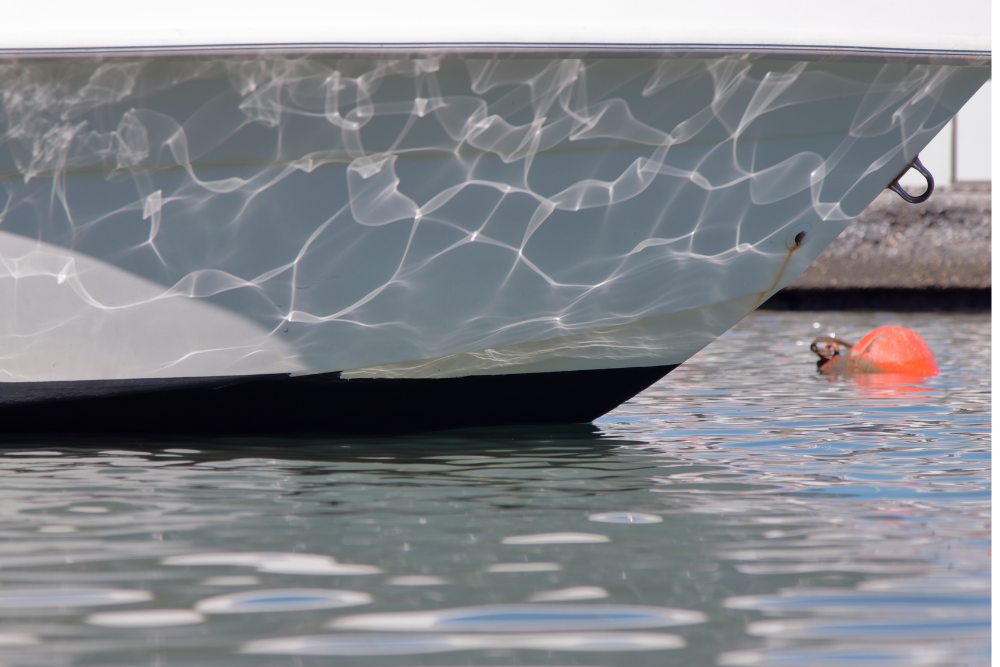
Fully Cleaning the Hull
- Sweep off any loose sand, dirt, or debris from the deck and hull. Choosing to vacuum the debris is also an option.
- Rinse completely, ensuring all dirt, salt and other grime and contaminants are removed. With a hose or pressure washer, pay close attention to the waterline and propeller areas.
- As part of thorough boat maintenance, use a boat-safe soap or cleaning agent on the hull. With a sponge or soft brush, gently scrub to move algae, grime and dirt build-up. Be sure to avoid harsh chemicals or abrasive products, as they can damage the paint or gel coat. Apply in small sections and work from the top down to stop streaks. For barnacles or other marine growth, use a putty knife or scraper for removal, carefully avoiding scratching the surface.
- Rinse thoroughly, ensuring all soap residue has been removed with fresh water, with particular care taken around the propeller and water line. Avoid rinsing products directly into the water.
- To remove hard stains, choose a lime scale removal product or a dedicated hull cleaner. Take precautions, such as wearing protective gear. Wearing gloves and eye protective glasses when handling these products is highly recommended.
- To protect the hull from sun ray damage and water, add a sealant or a wax product
For the deck, use this set of steps:
- Sweep or vacuum loose debris, sand, and loose dirt.
- Apply the boat-specific cleaner or soap to the deck with a sponge or soft brush.
- To remove grime, dirt, or stains, gently scrub the deck.
- With fresh water, rinse residue away completely.
- For stubborn stain removal, apply a deck-specific cleaner or lime scale remover.
- Apply a sealant or wax to protect from future water and UV damage.
Consistent boat maintenance not only enhances performance but protects your investment. Following these outlined steps, as well as these additional tips, will help ensure a long-lasting, healthy boat. Avoid typical household cleaning products, as they can damage the boat. Cleaning the boat often will help stop grime and marine growth buildup. Be sure to rinse thoroughly, as soap and cleaner buildup can cause future damage.
Checking and Cleaning Throughout the Boat
Check the oil on a daily basis, with the same method as checking a car’s oil: inspect the dipstick, clean it, place it back in, and take it out once more for a reading. It is also recommended to change the oil every 100 hours of running outings. If changing the oil yourself isn’t an option, hiring a professional is an option.
Once the oil has been properly looked after, it’s just as important to check around the engine and battery for water buildup. If water buildup is found, let the water dry out, then clean it with a damp cloth and follow with anti-corrosion component to protect and prevent future issues.
Upholstery
To maintain the appearance of the vinyl seats and other upholstery, and to prevent mildew throughout these products, be sure to clean with a soft brush and upholstery cleansing gel.

Canvas
To keep canvas looking new and in good shape, rejuvenate the original waterproofing of the canvas with a waterproofing product. Consider a spray, such as boiled linseed oil. A spray-on product such as this is a convenient method that provides effective protection against water damage.
Engine and Mechanical Systems
Starting with the fluids, check, and fill as needed to top off, the power steering fluid, coolant, engine oil, and the transmission/lower unit fluids. Inspect the priming bulb and fuel lines for wear and tear, or cracks and replace if necessary. Following the instructions in the operating manual, great the hardware.
Be sure to check for worn hoses, loose belts, and proper hose connections. Then, start the engine and keep an ear open for any unusual noises before testing the gears. Be sure to try the neutral, reverse, and forward. Lastly, test to make sure the engine cut-off switch is still in proper working order.
Electrical System
Make sure the horn is in operational condition, as well as all lights. Test for correct functioning of the bilge pump, and check all the battery levels, voltage and charge. Clean and thoroughly check all the electrical connections.
Propeller and Anodes
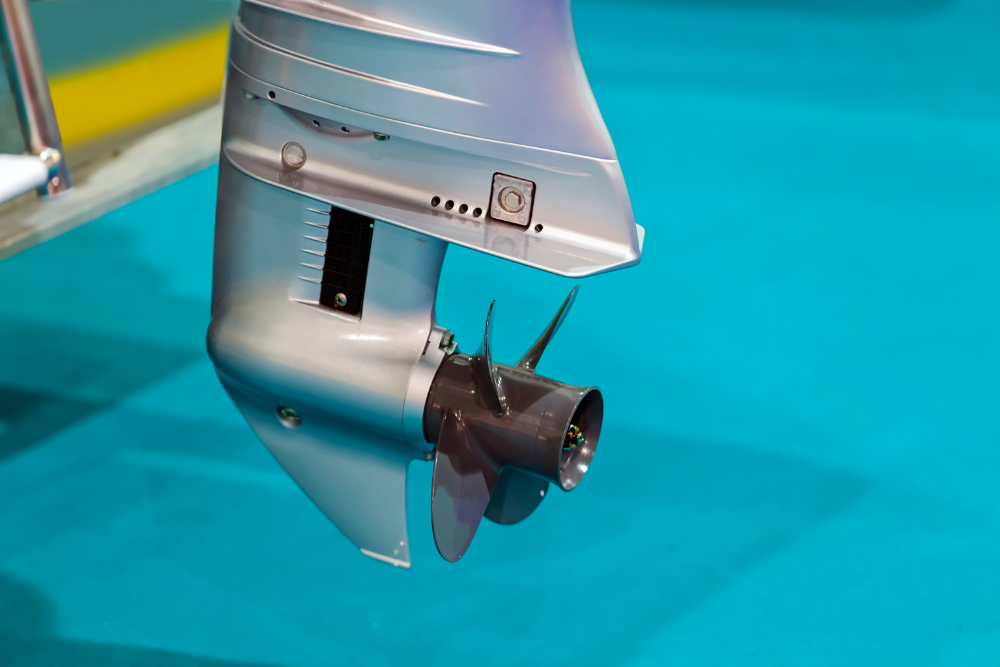
Inspect the propeller for wear and tear, any loose fittings, or dings and dents. For anodes, be sure to check the zinc anodes for corrosion.
Hardware and Fittings
Be sure to check all hardware pieces. Inspect cleats, ladders, and rails for corrosion, rust, and loose fittings. Check all seacocks as well. Another step to take to prevent sticking and for checking for leaks is to regularly open and close the seacocks.
Bottom Paint
Pay attention to the bottom paint, by looking for signs of fouling. This would be algae or barnacles. Inspect the bottom as well, by entering the water and inspect the boat’s lower half for fouling or damage.
Update Boat Accessories as Needed
Emergency Kit and Supplies
Be sure nothing is missing and needing to be restocked within the emergency kit. Ensure flashlights work and all batteries are fully powered or loaded with a full charge. Check the radio and any navigation tools as well.
Trailer
Check all wires for damage and ensure brake lights and blinkers are still in proper working condition. Ensure tires are properly aired up to the correct air pressure level and inspect the tires for any sidewall cracking or wear and tear damage.
This comprehensive, mid-season boat maintenance tips list should help ensure vessels continue to run smoothly throughout the summertime. With a little elbow grease, time, love and care, your boat will be in pristine condition for a long time.

Fuel Dock Etiquette and Other Unwritten Rules of Summer Boating

Fall Care for Boat Canvas, Snaps, and Zippers

Winter Boat Storage Myths: What You Actually Need to Do