
5 Tips When Sanitizing Your RV Water System
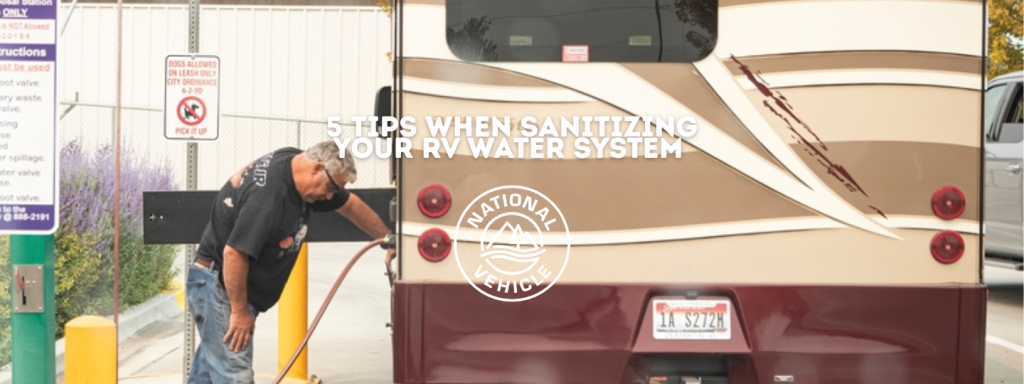

There are many good reasons to sanitize your RV’s fresh water holding tank. They include health concerns, taste, smell, and potential damage to your RV water system and plumbing caused by contaminants in the water, like calcium or other corrosive minerals which can damage fixtures, pipes, or appliances.
Why is it Important to Sanitize the Fresh Water Holding Tank?
The reasons to clean that tank becomes even more clear when you think about putting a glass of water on your kitchen counter for several months. How would you feel about picking it up d and drinking it after it set out for that long? Or consider the condition of the inside of your toilet tank, (not the toilet bowl) but the tank where the water is stored for the next flush.
The water in the toilet tank comes from a clean, fresh water source and it actually comes from the same source as your kitchen tap water. But the inside of the toilet tank is usually encrusted with a dark build up of chemicals, metal molecules, and organic matter.
You probably would not want to take a cup full of the toilet tank water to make a cup of Earl Gray Tea, or Folgers Coffee. In comparison, the inside of your RV fresh water tank has less regular water circulation then the toilet tank because the water in the toilet tank is replaced every time the toilet is flushed. The water in the RV fresh water tank may sit undisturbed for months.
Just because the RV fresh water tank is made of plastic and is out of site doesn’t mean that it’s impervious to the build-up of metal particles, microbes, mold, and bacteria, like the toilet tank, and it can be just as disgusting and contaminated as the toilet tank.
Municipal water systems are pre-sanitized with enough chemical additives (chlorine) to kill bacteria but microbes and other contaminants like metallic molecules (calcium magnesium, iron, and manganese) could still be in the municipal water supply and they will be transferred to your fresh water tank and eventually to your pipes, faucets, appliances and finally to you. So, it’s a good source of water for your RV but pretreated municipal water is not the whole solution to the problem of maintaining a supply of clean safe fresh water in your RV.
Keep your Tank Empty
A great tip to help reduce contaminants in your water supply is to keep your fresh water tank empty when the RV is not in use or is being stored for the off season. An empty tank prevents the growth of living organisms, like mold and bacteria. If the tank has been empty for a while, a quick rinse with clean water before taking on a load of water for a camping trip will wash out any loose particles or dead microbes. The full sanitation procedure will not be needed as often if the tank is left empty for long periods of time.
Filter First
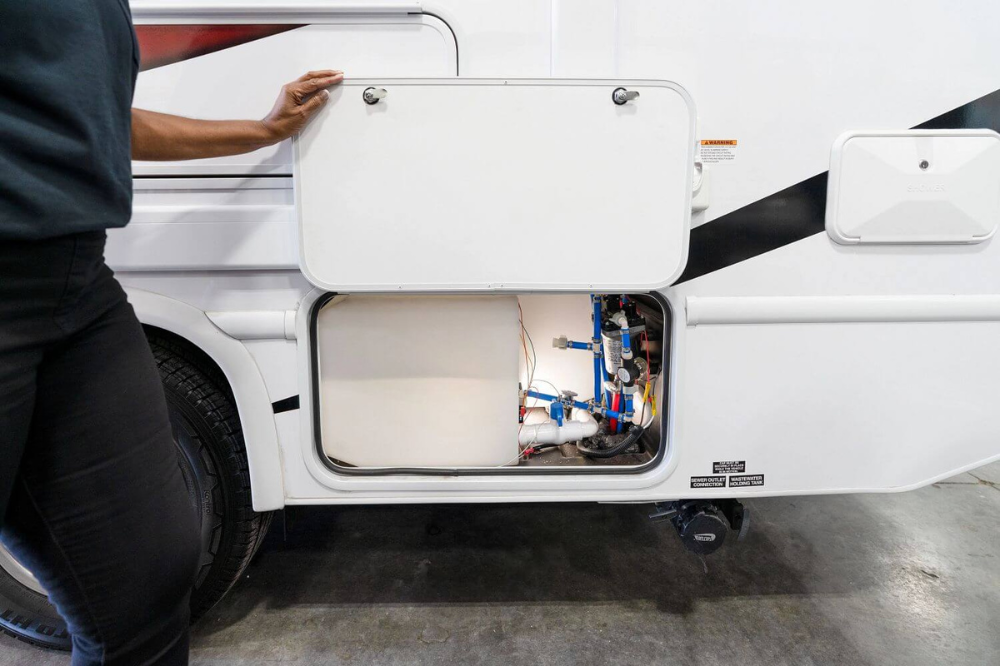
Another tip for maintaining a safe source of potable water in your RV is to prevent the contaminants from entering the RV in the first place. This might involve adding a filtration system and/or a water softening system to remove metallic molecules that enter your living environment through the water. Hard water results from an accumulation of metallic particles and it can damage equipment and fixtures. A filtration system will reduce microbes, bacteria and other foreign particles from ever getting inside your RV while the water softening system will remove the positively charged metal molecules by bonding them to a negatively charged agent, like saline crystals.
Municipal water is treated with chlorides which will generally kill harmful bacteria but they do not filter out all the metallic particles that cause hard water and they don’t kill all the microbes. Plus, as you travel in your RV you may encounter water from wells, or trapped rain water, or from streams or lakes. You just never know what might be in your water. It’s wise to sanitize your fresh water tank but preventing contaminants from entering your RV, in the first place, is a better strategy.
Vinegar and Baking Soda
A simple safe way to sanitize the fresh water tank without bleach is to use either baking soda or distilled white vinegar or both. The general procedure for this chemical free cleaning method is to introduce a small amount of white distilled vinegar into your half full fresh water storage tank. Then drive or tow the RV for 15 or 20 minutes, preferable with numerous turns and stops and starts to make the fresh water slosh around in the tank. Then open all the faucets to draw the vinegar water through all the pipes, don’t forget the shower, toilets, and clothes washer, if the RV is so equipped.
Once all the vinegar water has been removed from the tank through the RV’s faucets, close the faucets and half fill the fresh water tank again with clean water. Repeat the rinse procedure with the clean water, as described above. The acidity in the vinegar will kill most of the living organisms in the tank and it cuts through any small clogs or debris in the pipes. A small quantity of dissolved baking soda can be used instead of the vinegar rinse or you can combine these two agents to create a fizzing reaction that helps to cut through organic or chemical residue in the tank and pipes.
Commercial Cleaners
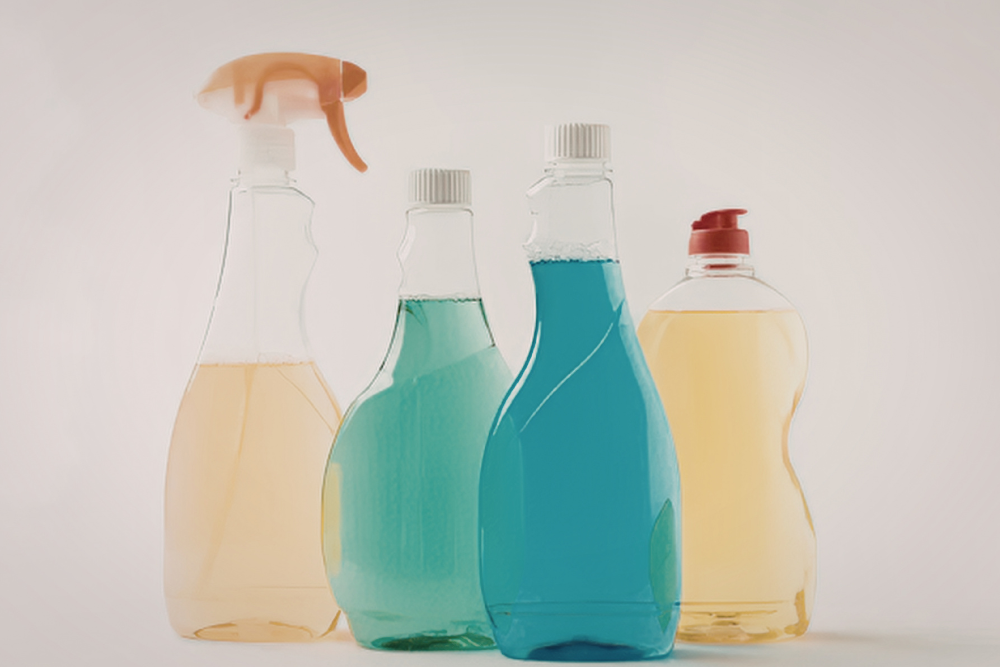
Use commercial tank cleaner like Camco Tastepure products and follow the instructions on the packaging. There are also other commercially available tank sanitizing products for sale on-line or at any RV supply store like Camping World, but when shopping for these products you should be mindful of the dangers of introducing harmful chemicals into your fresh water supply. Read and heed the warnings for these products.
Full System Flush
Bear in mind that rinsing the fresh water holding tank as described above uses a lot of water which alternatively could be discharged through the low point drain instead of the faucets if you are only interested in cleaning out the fresh water tank. However, you could use the described fresh water flushing procedure to also clean both the black and gray holding tanks along with all the pipes, plumbing fixtures, faucets, and water related appliances in your RV. By doing so, you can remove harmful contaminants from the entire water system, all at one time, but be careful not to exceed the capacity of any of the holding tanks while doing this whole home fresh water sanitation procedure.
Conclusion
Lots of people just use bleach in their fresh water holding tanks which does work to kill bacteria and other pathogens that might be hiding in the tank, but there’s a danger of using too much bleach which leaves an unpleasant smell and taste in the water. And it doesn’t take much bleach to foul up your fresh water. Rinsing will eventually dilute the taste and diminishes the smell, but it takes a long time to purge out the bleach, once it’s there.
Follow these 5 tips when sanitizing your fresh water tank without using bleach and remember that one of the primary reasons for cleaning the tank is that water quality does impact your health and well-being. You may not be able to see, smell, or taste the dangerous contaminants but they are still there, and you need to sanitize your water system to remove these dangerous particles or pathogens. As a reminder just think about the plight of the residents of Flint Michigan who discovered their water supply was contaminated with lead. Don’t let your fresh water supply poison you and your family. Clean that tank and sanitize your water system.
Frequently Asked Questions:
How often should I sanitize my RV water system?
The answer varies based on you RV usage, water source, and the presence or absence of a filtration system in your RV. Generally speaking, sanitizing your fresh water tank should be done at least every three months, when the RV is in use. Monthly would be better and if you’re filling your tank with well water or captured rain water it is recommended to do it monthly, became the “natural” water source could have more bacteria and microbes than municipal water.
In this situation it’s better to err on the side of caution, to keep you and your family safe from all kinds of water-born contaminants. Remember to leave your tank empty when it’s parked and not in use. Sanitize it before winterizing it so the tank and pipes are as clean as possible going into the off-season.
How do I eliminate the bad smell in my RV water tank?
The bad smell could be the result of water-born contaminants building up in your tank or pipes.
It could also be the smell left over from improperly sanitizing your fresh water tank with bleach. If you rinse out your tank by filling it with fresh water then draining all the water out through the low point drain and the smell is still there then the source of the bad smell might be in the pipes. You will need to thoroughly sanitize your fresh water system as described below. You could use vinegar or baking soda or commercially available tank cleaner.
If multiple rinses don’t remove the order try increasing the amount of cleaner in your cleaning process and be patient. It can take time to break down and flush out the source of the odious aroma. The danger here is that you might get rid of the original offensive order but end up making your fresh water tank smell like a pickle if the vinegar concentration is to strong. I guess the smell of a pickle is better than the smell of a dirty toilet tank.
How do I sanitize my RV water system without bleach?
The best way to sanitize your RV water system without bleach is to thoroughly flush it out with vinegar and/or baking soda. Both are safe to ingest and both are effective natural cleaning compounds. Try to use distilled white vinegar and any off-the-shelf baking soda. Add a small quantity of either to the tank, slosh it around for 15 minute by driving or towing the RV, then discharge the liquid in the tank through the faucets in your RV including the toilets, shower and clothes washer.
When the tank is empty, refill it with fresh water and repeat the procedure with the sloshing and open faucets to rinse out all the pipes and fixtures. If you still smell vinegar, rinse it again through the faucets but don’t overflow your gray or black tanks while rinsing the fresh water system. Also remember if you choose to use both vinegar and baking soda, they will create a robust fizzing reaction when combined, so be prepared for that. Too much of these chemicals combined can be messy.

7 Small RV Upgrades That Make it Ready for Full Time Living

Our 2025 Full Guide to RV Dewinterization
DIY RV Repairs: 5 Essential Skills Every RVer Should Have