
3 Steps to Get You Prepared for Off-Season RV Storage
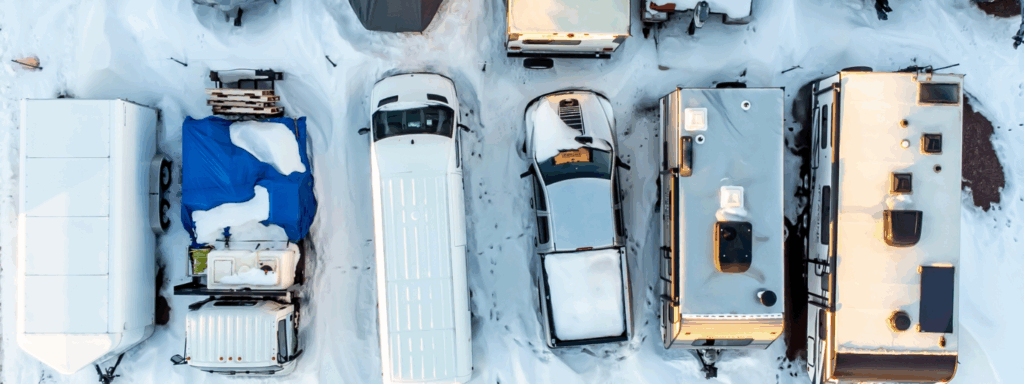

Although we don’t want to think about putting our RV away for the season, it is important to prepare. Having a checklist will minimize time away from your current fun activities, but still have plans for RV storage in advance. Having a checklist for inside versus outside preparations is helpful to divide your tasks.
When it comes time to store your RV, you might want some guidance. Check out these tips on RV storage and get your RV tucked away properly for the off-season!
How do I prepare for RV storage?
Your checklist should begin with cleaning your rig inside and out. Next, you will want to remove anything from the rig that will not last through the season – especially food and perishable items. That means you need to go through anything where you store these items. Check refrigerators, cabinets, bathroom shelves, and pantries.
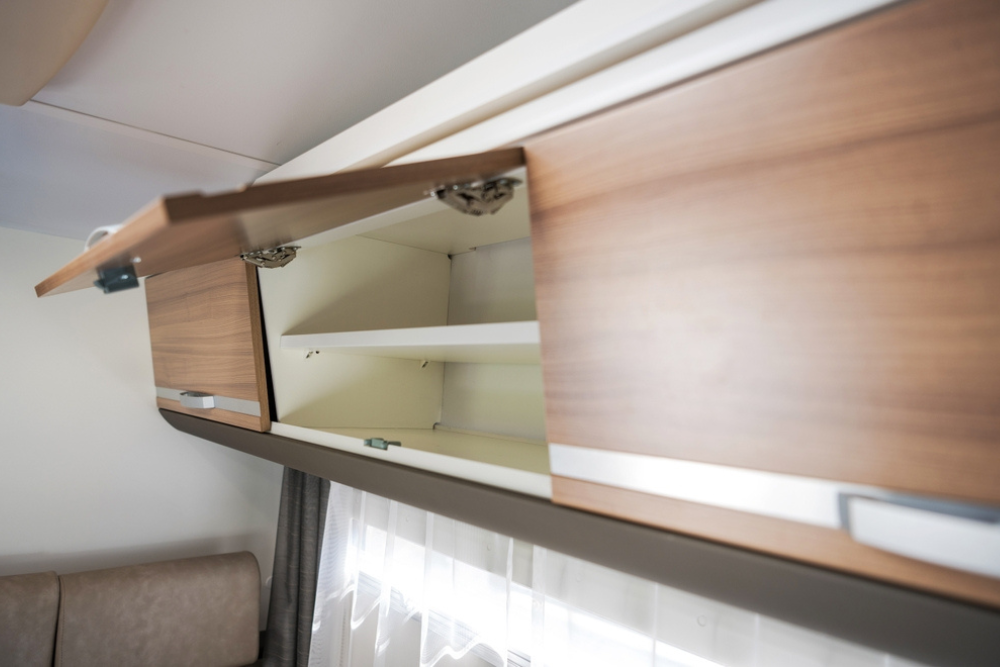
Have cleaning supplies available so you can wipe down all surfaces and areas where you had food stored. This will help prevent unwanted pests from taking up residence in your stored RV. Defrost your refrigerator freezer, too, and wipe it down as well. To prevent mold buildup, leave doors open so they can dry out and be well-ventilated in storage.
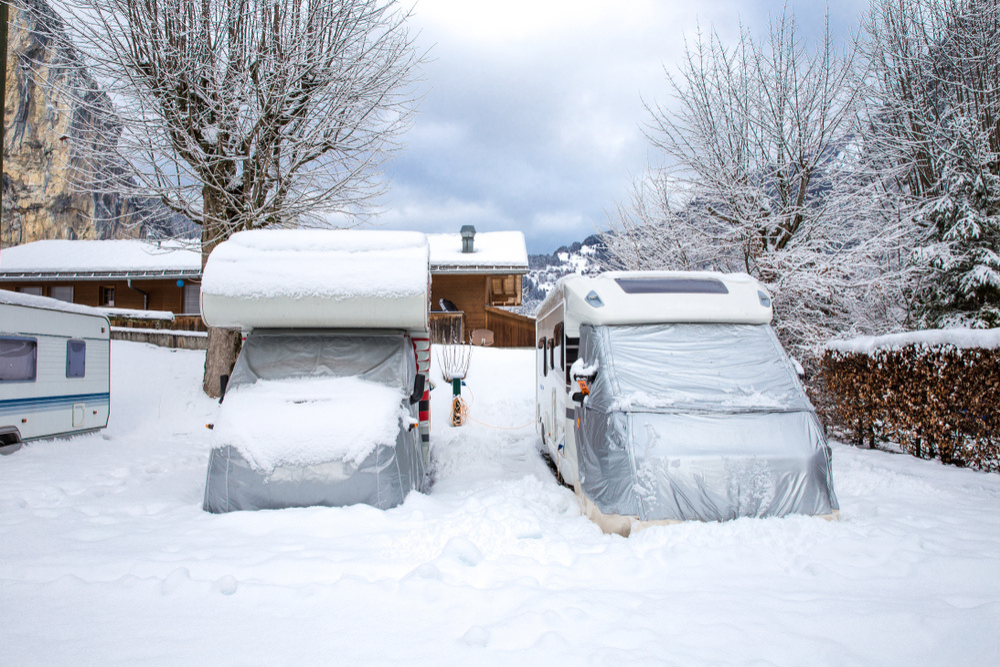
Don’t forget the tires. If you will be storing your rig outside, you might need to cover your tires. Check tire pressures if they will be in fluctuating heat. If you will be in long-term storage, you may want to elevate your RV on your jacks to reduce weight on the tires while they are sitting in one spot.
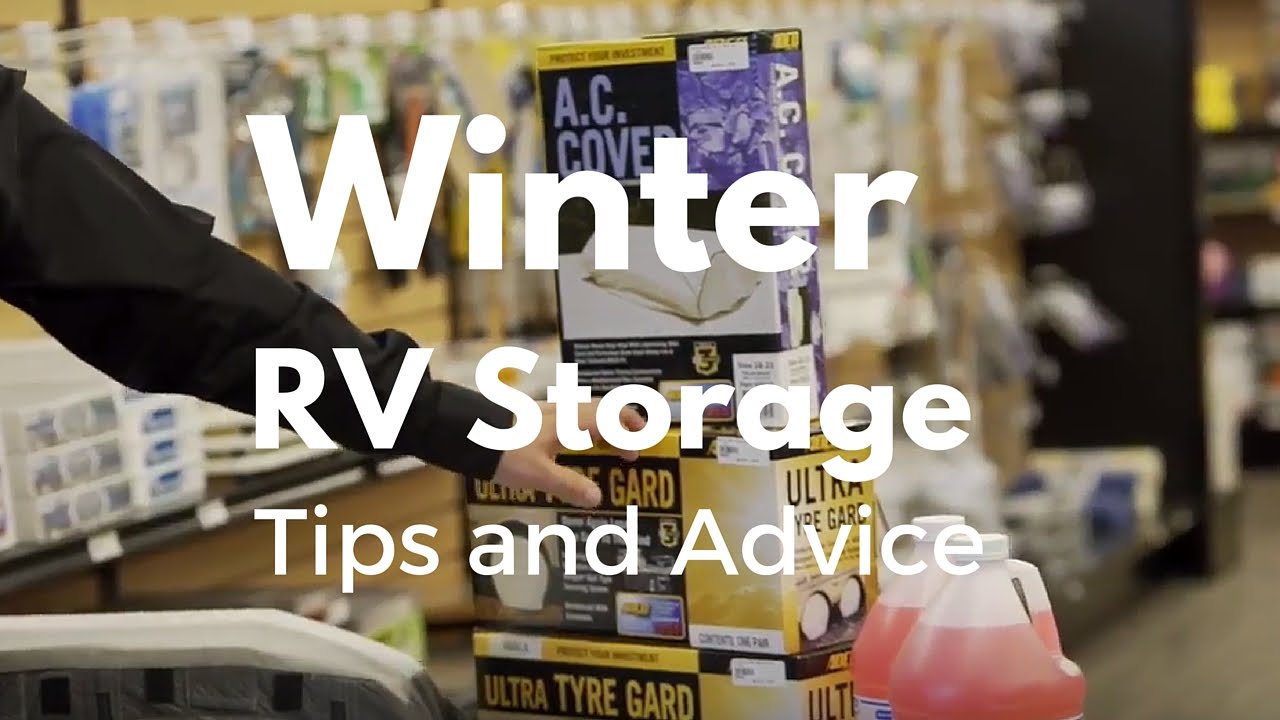
How do I keep moisture out of my RV in winter storage?
Start with protecting your RV from freezing temperatures. Anywhere you have water in your RV needs your attention. Start by draining the water from all of your tanks. That includes your water heater tank, too. Check any water pumps in your rig to make sure they are not holding water. Once you have the water drained from all systems, add a safe antifreeze through the entire water system. Be sure to run it through your faucets, drains, and toilet. If you have an ice maker in the fridge, run it there too.
Another way to keep moisture out of your RV is to check your RV for cracks and inspect seals. A checklist of all the things you need to look over inside and out is helpful. The list can be long. Look at the window, slide, and door seals and feel for drafts around each opening. Checking the seals and cracks not only helps keep moisture out but also aids in preventing unwanted pests from entering your rig in storage.
How to keep batteries from freezing/damage?
Batteries can be high-value items. They are also key to starting and using your RV when you remove your rig from storage. So you want to take care of them. The best way to do that is to remove and store the batteries in a cool, dry place. You may have other items in your rig that run off the batteries. Disconnect items like your inverter, solar panels, or appliances.
Make sure to fully charge them before disconnecting them. (Lithium is OK to run at a partial charge, but don’t let them discharge completely). This will prevent your batteries from freezing and receiving damage. If you have lead-acid batteries, be sure to check the water levels and provide them with a trickle charge for the season.
You might want to periodically go in and check on your rig while it is in storage. You will want to look for any damage, leaks, moisture, pests, problems with your battery or tires, and appliances. How often you check on your RV in storage will depend on where and how you are storing it, as well as the number of devices you are handling. The industry recommends you check on your rig at least once a month. Some RVers check every couple of weeks.
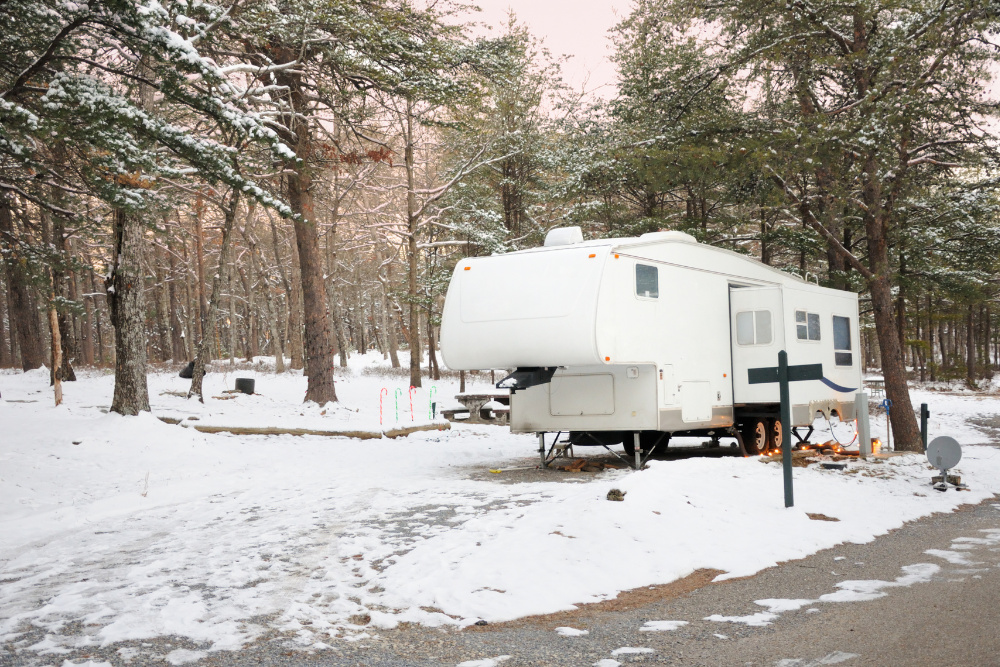
No matter how you store your RV, use a checklist and do regular checkups on your rig. In the end, you want to be able to walk into storage and receive no unexpected surprises. The sooner you can get back to your RV adventures, the sooner your relaxing vacation can begin.
Staying Safe on the Road: Our Ultimate Guide to RV Safety

RV Insulation 101: How to Insulate your RV for Colder Weather
5 Tips When Sanitizing Your RV Water System