
Boat Storage Costs Are Coming: The Real Math on Holding a Boat Through Winter


Our boating experiences and lifestyle can bring changes throughout the year. We begin to store the great days on the water memories, but we have to look towards the next stage of owning a boat. The standard calendar event that every boat owner dreads: winterization and boat storage season.
Many owners view the off-season as a temporary pause button, assuming that holding onto an idle asset costs very little. However, the real math of keeping a boat through the freezing months tells a completely different financial story. When you calculate the compounding expenses of premium indoor space, mandatory maintenance, winterizing fluids, and the silent assassin known as off-season depreciation, holding a boat through the winter can cost thousands of dollars without offering a single hour of recreation.
If you have been contemplating upgrading, downsizing, or stepping away from boating altogether, selling your boat before the snow falls is often the smartest financial move you can make. Let’s take a look at the cold, hard math of winter boat storage, the hidden liabilities of holding an idle vessel, and why selling now gives you a massive advantage.
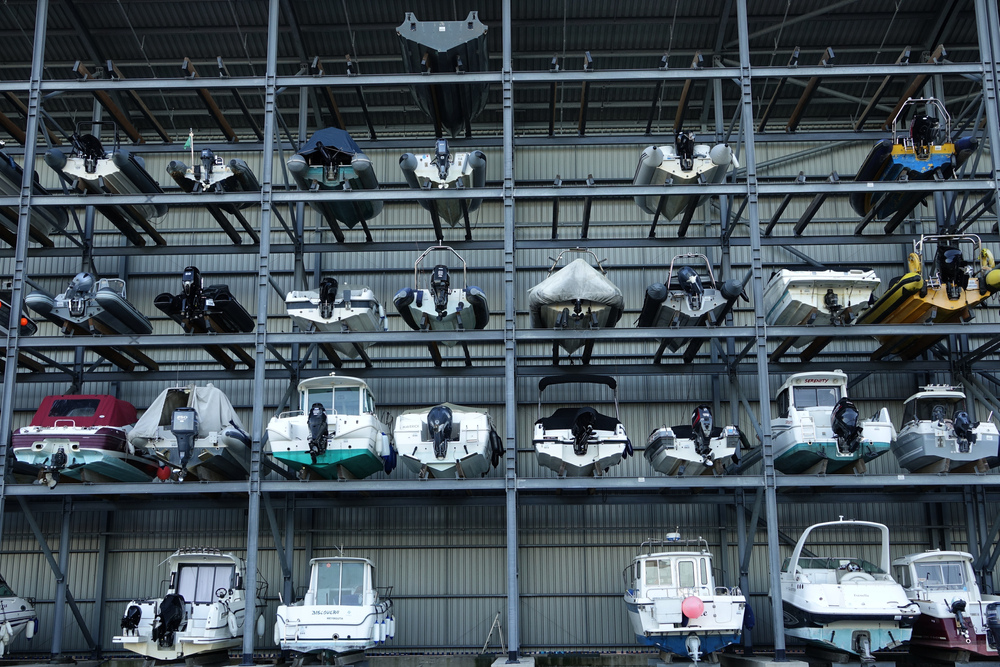
The True Cost of Indoor Boat Storage
When it comes to protecting your boat investment from freezing temperatures, snow loads, and UV degradation, indoor storage is widely considered the gold standard. Leaving a boat outside under a tarp invites pests, structural strain, and moisture issues. But shielding your vessel from the elements comes at a steep premium.
- Monthly Rental Rates – On average, basic indoor boat storage at a commercial facility ranges between $200 and $500 per month. If your boat is stored in a high-demand coastal area, near a major metro lake, or you opt for a premium heated facility, those prices can easily jump to $600-800 a month.
- Flat-Rate Marina Charge – Many commercial marinas do not charge a flat monthly fee per unit; instead, they bill by the linear foot. A common industry rate for indoor heated storage is $35 to $60 per foot for the season. If you own a modest 24-foot center console or bowrider, a rate of $50 per foot translates to a flat $1,200 fee.
Note: Marinas do not just measure the manufacturer’s listed boat length. They measure the “total footprint,” which includes the length of the trailer tongue, the swim platform, and the overhang of the outboard motors. A 24-foot boat easily becomes a 30-foot billing footprint, pushing your storage bill higher before factoring in a single day of maintenance. - No Boat ROI – Consider the length of the standard winter season. In northern climates, boats sit in facilities for roughly six months—typically from mid-October to mid-April. At a standard indoor rate, you are committing $1,200 to $3,000 simply to let an asset sit completely stationary in the dark. That is cash gone forever, with zero return on enjoyment.
Hidden Boat Costs of Winterization
The invoice from your storage facility is rarely limited to the square footage your hull occupies. True winter storage forces a cascading series of secondary preparation fees that many owners overlook when calculating the annual boating budget. Consider these expenses:
When you sum up haul-out, professional engine preparation, storage space, and the inevitable spring start-up fees, the true cost to “hold” a boat through a single winter easily totals $2,500 to $6,000.
Depreciation and Insurance Liabilities
Besides the visible upkeep and storage on your boat, don’t forget about the bills we pay each month that are required. And depreciation fall in this area too. Holding a boat through the winter means you may be paying ongoing insurance or boat payments and experiencing ongoing asset depreciation.
- The Off-Season Depreciation Hit – Vehicles and boats do not depreciate based on how many hours you drive them; they depreciate primarily based on the calendar year. A boat held through the winter of 2026 becomes a year older by the spring of 2027. During those six months of storage, your boat’s market value will steadily decline, even though the hour meter on the dashboard has not budged. By holding the boat through the winter, you are actively paying thousands of dollars in storage fees just to emerge in the spring with an asset that is worth less than it was when you put it away.
- Continuous Insurance Liabilities – Your insurance company does not give you a discount or a pause on premiums because your boat is tucked safely inside a building. Marinas require all stored vessels to maintain comprehensive hull and liability insurance policies throughout the off-season. If a fire breaks out in the warehouse, or if a roof collapses under heavy snow, the marina’s commercial policy rarely covers individual boats; your personal policy must foot the bill. You are essentially paying hundreds of dollars in insurance premiums for a boat you cannot legally or physically drop into the water.

The Necessity of Winterization for Your Boat
A common misconception among newer boat owners is that choosing indoor storage eliminates the need for mechanical winterization. They assume that because a boat is shielded from rain and snow, the internal components are safe. This is a highly dangerous and potentially catastrophic assumption.
- Freezing Water – Unless you are paying a massive premium for a 100% reliable, climate-controlled, heated indoor facility, your boat will experience ambient freezing temperatures. When raw water left inside an engine block, a manifold, or a livewell freezes, it expands by roughly 9%. This expansion exerts thousands of pounds of pressure per square inch. The result is cracked engine blocks, ruptured water lines, and destroyed fiberglass components—none of which are typically covered by standard insurance policies if mechanical neglect is proven.
- Essential Winterization Steps – To prevent catastrophic failure, any boat stored in a non-heated environment requires a rigorous winterization protocol. Flushing the cooling system, fuel stabilization, fogging the cylinders, and protecting onboard systems are part of that process.
Skipping these steps turns your stored boat into a mechanical mess for the spring.
The Strategic Advantage of Selling Your Boat Before Winter
When you add up the monthly indoor storage fees, the upfront winterization costs, the insurance premiums, and the inevitable off-season market depreciation, the financial argument for selling your boat in the late summer or early autumn becomes incredibly compelling.
- Cutting Out the Red Ink. Selling your boat before the cold weather hits means you instantly wipe out thousands of dollars in upcoming, non-recoverable expenses. You do not write a check to the marina, you do not pay a mechanic for antifreeze, and you do not watch your insurance money vanish. The cash value of your boat is extracted and safely placed into your bank account, where it can earn interest over the winter rather than evaporating into storage maintenance.
- Capitalizing on the “Last Hurrah” Buyer Market – While spring is famously known as peak buying season, early autumn features a highly motivated, overlooked pool of buyers. Savvy shoppers look for deals at the end of the season, wanting to secure a boat ahead of time so they are first on the water next year. By pricing your boat fairly in the fall, you can secure a clean sale and hand the upcoming winterization and storage liabilities directly to the new owner.
- Freedom of Choice and Reinvestment Flexibility – Holding onto a boat out of sheer habit or guilt ties up your liquidity. If you sell before winter, you enter the off-season completely unburdened. When spring arrives, you are not locked into a vessel you might be outgrowing. Instead, you have a pile of cash ready to deploy. If you choose to return to boating, you can shop the spring markets with zero trade-in hassles, hunt for a newer model, or choose to invest that capital into entirely different lifestyle experiences.
Boating is an incredible lifestyle, but it should be driven by passion and utility, not by the dread of upcoming storage invoices. If you find that your boat usage dropped this past season, or if the thought of prepping your vessel for the snow feels more like a financial chore than an investment, listen to the math.
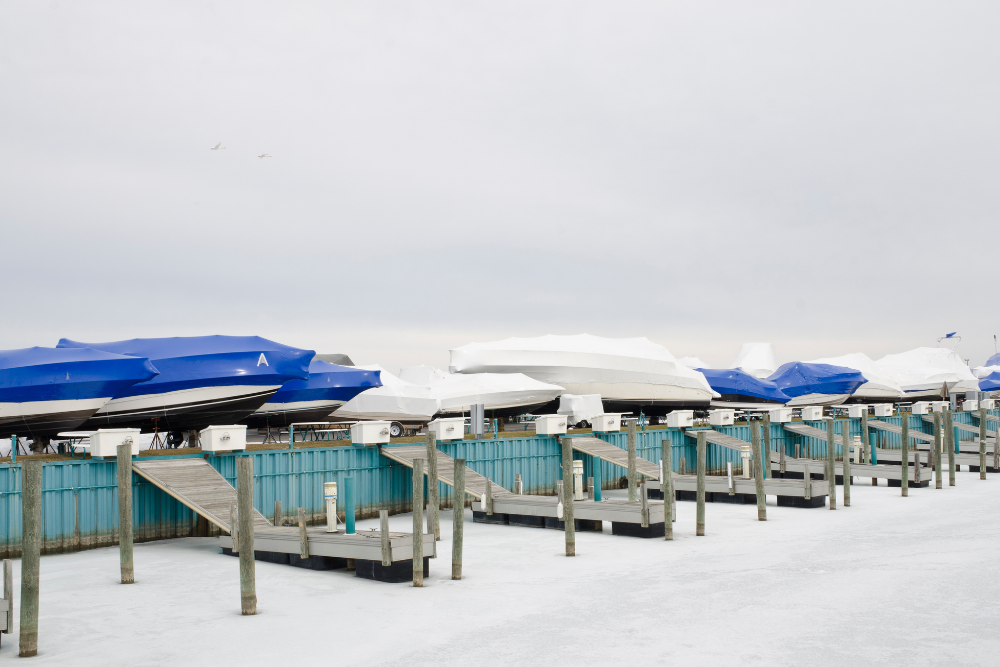
Bypassing the winter storage cycle by selling your boat now preserves your capital, eliminates seasonal stress, and puts you in complete control of your financial sails. Do not let your money sit frozen in a warehouse all winter—sell smart, maximize your return, and head into the off-season with complete peace of mind.
Frequently Asked Questions
What’s the average cost of indoor boat storage?
The average cost of basic indoor boat storage typically ranges from $200 to $500 per month, depending heavily on your geographic location, the size of your vessel, and facility demand. Premium facilities that utilize indoor heated climate control or charge by the linear foot can easily push the total cost for a six-month winter season well past $1,200 to $3,000+.
What are the hidden costs of winter boat storage?
Beyond the basic facility space rental fee, the hidden costs of winter storage include mandatory marina haul-out and short-haul fees, hull pressure washing, professional mechanical winterization, and continuous off-season insurance premiums. Additionally, owners face the invisible cost of off-season asset depreciation, meaning the boat steadily loses market value while sitting completely idle for six months.
Do I need to winterize my boat if I’m storing it?
Yes, you absolutely must winterize your boat unless it is being kept in a premium, 100% climate-controlled, heated indoor facility. Standard indoor storage units still experience ambient freezing temperatures. If raw water is left inside the engine block, manifolds, or plumbing lines, it will expand as it freezes, resulting in catastrophic cracked blocks and ruptured systems that are rarely covered by insurance policies.

How to Prepare for a Successful Boat Sale

5 Reasons to Sell your Boat this Winter

Why Fall 2025 is the Perfect Time to Sell Your Boat