
Should I Sell My Boat Now or Wait Until Spring?
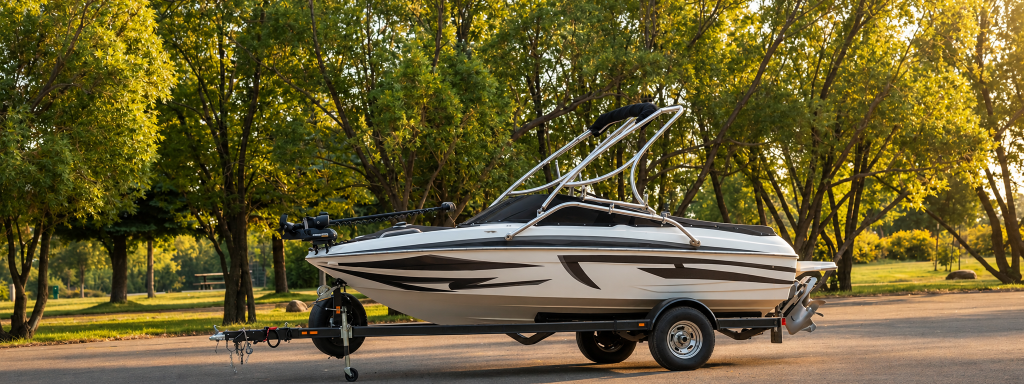

The last good weekends on the water are behind you. The cover is coming out of the garage, the storage bill is about to show up, and one question keeps nagging at you: should I sell my boat now or wait until spring?
It is one of the most common questions boat owners ask this time of year, and the honest answer is that it depends. Spring does bring more buyers. But waiting also costs you money, time, and sometimes value, and those costs tend to get overlooked when everyone repeats the same advice that “boats sell in spring.”
This guide walks through what actually changes between now and spring, what it costs to hold onto a boat you have already decided to sell, and the specific situations where waiting is the smarter move. By the end, you should know which side of the calendar makes sense for you and your boat.
What Actually Changes Between Now and Spring
Before deciding whether to sell your boat now or wait until spring, it helps to know what the market really looks like in each season. A lot of sellers picture fall and winter as a dead zone. It isn’t. It is just a different kind of market.
Buyer volume goes up in spring. Once the weather warms, casual shoppers start browsing. Tax refunds land, boat shows wrap up, and families start planning summer weekends. More eyes on listings means more inquiries.
So does seller volume. Here is the part people forget. Every other owner who decided to “just wait until spring” lists at the same time. Spring and early summer bring peak demand, but they also bring the most competition. Your boat goes from one of a handful of options to one of dozens.
Buyer intent shifts. Fall and winter shoppers tend to be more serious. Someone searching boat listings in November is not killing time. Many are planning ahead so they can avoid spring price jumps and have a boat ready to go the day the ramps open. Others live in warmer states where boating never really stops.
Your boat’s condition and age change too. Every month that passes adds a little age, and a boat that sits for months can develop issues that were not there when you pulled it out of the water. Batteries drain, seals dry out, and critters find their way into places they shouldn’t be.
In short, spring offers more traffic, while the off season offers less noise. Neither one is automatically better. What matters is which one fits your boat, your finances, and your timeline.
The Real Cost of Waiting Until Spring
Waiting feels free because you are not writing a check today. But holding a boat you plan to sell for another five or six months comes with a bill, and it shows up whether the boat sells in April or not.
| Cost of waiting | What it covers | Avoided if you sell now? |
|---|---|---|
| Winterization | Engine, fuel system, water lines, and lower unit prep for cold weather | Yes, if it sells before the freeze |
| Winter storage | Indoor, outdoor, or shrink wrapped storage for the off season | Yes |
| Insurance | Off season coverage you keep paying while the boat sits | Yes |
| Loan payments | Monthly payments and interest if you still owe on the boat | Yes |
| Spring commissioning | Dewinterizing, new battery, fresh fluids, and a cleanup before showings | Yes |
| Depreciation | Another model year of age on the listing | Partly |
Add those up and the total can easily run into the high hundreds or low thousands of dollars, depending on the size of your boat and where you store it. For a bigger boat in indoor storage with a loan still on it, waiting can cost even more.
Now compare that to the bump you are hoping spring will give you. If you expect spring to bring a slightly higher price, that extra amount has to cover all of those holding costs before you come out ahead. Sometimes it does. Often it doesn’t, especially once you account for more competing listings pushing prices down.
There is also a cost that never shows up on a receipt: your time. Waiting until spring means one more round of winterizing, one more round of dewinterizing, and one more season of thinking about a boat you are ready to move on from. If you have a new boat, an RV, or a different plan lined up, that delay can push back the next thing too.
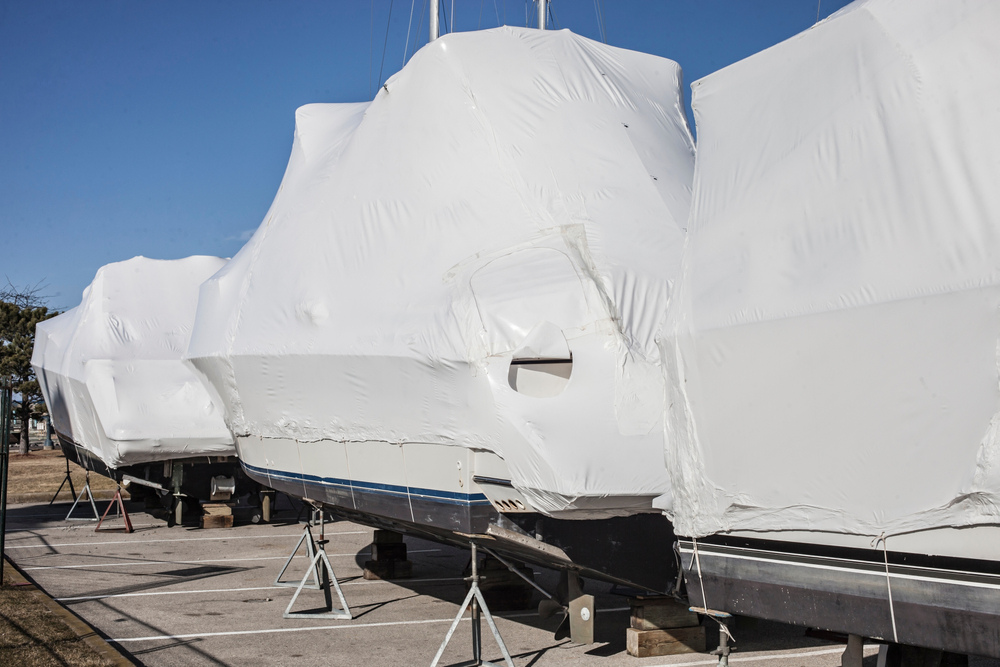
What Spring Gives You (and What It Doesn’t)
To be fair to spring, it does have real advantages. If you are weighing whether to sell your boat now or wait until spring, here is what the warmer months bring to the table.
What spring gives you:
- More buyers browsing listings, including first time boat owners
- Easier sea trials, since the water is open and buyers can see the boat run
- Better photos with green trees, blue water, and bright light
- Buyers in a buying mood, picturing summer weekends instead of storage bills
What spring doesn’t give you:
- A guaranteed higher price. More buyers also means more sellers, and buyers in spring have plenty of options to compare
- A faster sale. With more listings competing for attention, a boat that is priced even a little high can sit for weeks
- Negotiating leverage. Buyers who see five similar boats will push harder on price, and typical boat negotiations already land somewhere between 5% and 15% off asking
- A fresh boat. Your boat will be another model year older, and it will need a full spring wake up before it shows well
The biggest factor in how long a boat takes to sell is price, not the calendar. A well priced boat in January can sell faster than an overpriced boat in May. Spring simply gives you a bigger crowd. It is still up to your price and your listing to stand out in it.
Signs It Makes Sense to Sell Your Boat Now
For a lot of owners, listing now is the better move. If several of these sound like you, there is a good chance selling now beats waiting until spring.
- You haven’t paid for storage yet. If you can sell before the storage contract starts, that money stays in your pocket instead of going toward a boat you won’t be keeping.
- You still owe on the boat. Every month you wait is another loan payment. Selling with a balance is common, and the buyer’s payment goes toward your lender payoff and lien release.
- You already know you are done. Maybe you hardly used it this year, the kids have moved on, or you’re switching to a different kind of boat or an RV. If your mind is made up, waiting rarely changes the outcome.
- Your boat appeals to year round buyers. Fishing boats, pontoons, and boats suited to southern waters attract shoppers in every season, especially buyers in warmer states who don’t care what the weather is doing in the Midwest.
- You want less competition. With fewer boats listed in fall and winter, yours gets more attention from the serious buyers who are still shopping.
- You are buying your next boat soon. Selling first frees up cash and lets you shop for your next one with a clear budget and no storage for two boats.
- The boat is in good shape right now. A boat that just came off the water clean and running well shows better today than it will after five months of sitting.
One more thing to keep in mind: listing now doesn’t mean you have to stop enjoying the boat if the weather holds. Private sellers can keep using their boat while it is listed, which is something you give up with consignment.
Signs Waiting Until Spring Makes Sense
Waiting isn’t always the wrong call. There are situations where holding the boat a few more months really can work in your favor.
- Your storage is already paid. If the winter storage is a sunk cost and the boat is already winterized, a big chunk of the holding cost is behind you.
- The boat is a summer toy. Ski boats, wake boats, and personal watercraft tend to be more seasonal, and buyers want to see them on the water.
- It needs work you plan to do anyway. If you’re going to fix the upholstery, replace the carpet, or handle a mechanical issue over the winter, a spring listing lets buyers see the finished product.
- You want a sea trial on the water. Some buyers won’t commit without seeing the boat run. If your boat is in a region where the water freezes, spring makes that possible.
- You are in no hurry and have no loan. If the boat is paid off and the holding costs are small, the downside of waiting shrinks.

If you do decide to wait, use the time well. Winterize properly, keep the battery on a tender, gather your paperwork, and get a free valuation in late winter so you know where the market is before you list. The sellers who win in spring are the ones who list early, before the crowd shows up.
The Middle Path: List Now and Sell Into Spring
Here is something a lot of owners don’t consider. You don’t have to pick one season. You can list your boat now and let the listing carry you into spring.
Listing in the off season puts your boat in front of the serious buyers who are shopping right now, with far less competition. If one of them bites, you skip storage, insurance, and spring prep entirely. If the right buyer doesn’t come along over the winter, your listing is already live, already ranking, and already in front of shoppers when the spring rush starts. You aren’t scrambling to take photos and write a description in April while everyone else does the same thing.
A few tips to make this approach work:
- Take your photos before the boat is covered. Get clean, bright shots of the hull, helm, interior, and engine now, while it still looks like it did on the water.
- Price it for the market you’re in. Start from a real valuation, not a hopeful number. You can adjust later, but an overpriced listing loses momentum fast.
- Make showings easy. Let buyers know they can see the boat in storage or on the trailer. Serious winter buyers expect this and are usually fine with it.
- Have your paperwork ready. Title, a bill of sale for your state, registration, and maintenance records all build trust and speed things up when an offer comes in.
- Mention the winterization. A buyer who knows the boat was properly winterized has one less thing to worry about.
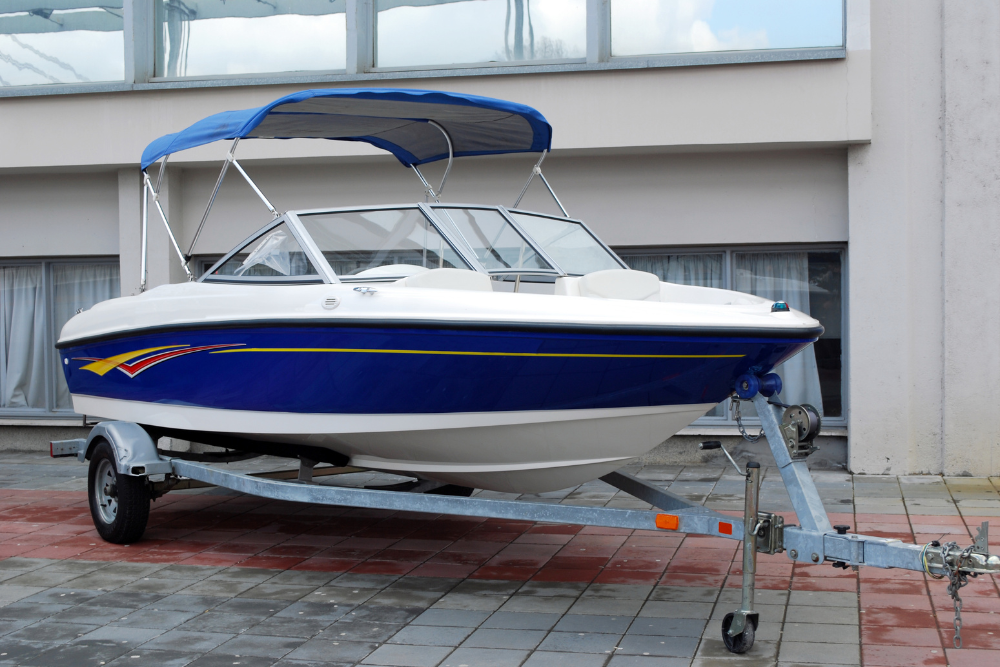
This approach gives you the best of both seasons: a shot at a quick sale with less competition now, and a head start on the spring crowd if you need it.
A Quick Gut Check: Sell Now or Wait?
Still on the fence about whether to sell your boat now or wait until spring? Answer these five questions honestly.
- Would the money I spend on storage, insurance, and loan payments this winter be better in my pocket? If yes, that points toward selling now.
- Have I already decided I am done with this boat? If yes, waiting mostly delays the inevitable.
- Is my boat the kind that sells in any season? Fishing boats, pontoons, and well kept family runabouts usually are.
- Do I have a next purchase lined up? If you’re waiting on this sale to buy a boat, RV, or something else entirely, selling sooner keeps your plans moving.
- Is my boat in its best shape right now? If it just came off the water clean and running strong, today may be the best it will look for months.
If you answered yes to three or more, there’s a strong case for listing now. If most of your answers were no, waiting until spring may be reasonable, as long as you plan ahead and list early in the season instead of late.
And if you’re split down the middle, the list now and sell into spring approach covers both bases.
Conclusion
The question of whether to sell your boat now or wait until spring doesn’t have one right answer for everyone. Spring brings more buyers, but it also brings more sellers, more price pressure, and a stack of holding costs you pay just to get there. The off season brings fewer buyers, but the ones shopping are serious, and your listing doesn’t have to fight through a crowd to be seen.
For many owners, the smartest move is the one that keeps money in their pocket and their plans moving: get an honest price, list the boat while it still looks its best, and let the right buyer find it, whether that happens next month or when the ramps open.
Not sure what your boat is worth heading into winter? Start with a free boat valuation based on current listings, sold history, dealer comparables, and your boat’s condition. When you’re ready, sell your boat with NationalVehicle.com and get your listing on five top boat sites, including Boat Trader and Boats.com, with expert pricing help, screened buyer inquiries, and support all the way through the sale. You keep the full sale price with no commission, and your listing stays live on NationalVehicle.com until your boat sells. Questions? Call 1-800-320-9557.
Frequently Asked Questions
Do boats really sell in the winter?
Yes. Fewer boats are listed in fall and winter, and the buyers still shopping tend to be serious. Many are planning ahead to avoid spring price jumps, and buyers in warmer states shop year round. A fairly priced boat with good photos can absolutely sell in the off season.
Should I winterize my boat before I list it?
If freezing temperatures are on the way, yes. Protecting the engine and water systems matters more than timing, and a properly winterized boat is a selling point. Take your listing photos before you winterize and cover it, then let buyers know the work has been done.
Can I sell my boat if I still owe money on it?
Yes. Selling a boat with a loan is common. The buyer’s payment goes toward your lender payoff, the lender releases the lien, and the title transfers to the buyer. Selling sooner also means fewer loan payments while you wait.

How to Handle Boat Showings During Active Use Season

How to Prepare for a Successful Boat Sale
How to Price your Boat With One Good Month of Season Left