
Winterize First or List First? A Straight Answer for Fall Sellers

People who are ready to sell their RV in the fall have to decide if they should go ahead with their usual winterization procedures or list their RV for sale before they winterize it. There are many factors to consider when making this decision.
What’s the typical weather pattern in your hometown?
First, where do you live and how threatening is the weather in your location? Are you apt to have a damaging hard freeze early in the season or is it a rarity to experience extreme freezes where you live? Has your RV been damaged in the past by the winter weather?
How do you intend to sell your RV?
Second, will you aggressively promote the sale of your RV or will this be a passive activity? Will you advertise it locally, regionally, nationally, or internationally? Are you going to use any professional help to reach a broader market? Do you anticipate selling it quickly or are you willing to wait for the “perfect buyer”?
Answering these questions will help you evaluate the risk of not winterizing weighed against the prospect of a successful sale. In this discussion we are primarily concerned with the winterization activity of adding antifreeze to the fresh water tank. All the other winterization steps described below can and should be completed before you list your RV for sale which answers the question of which activity to do first.
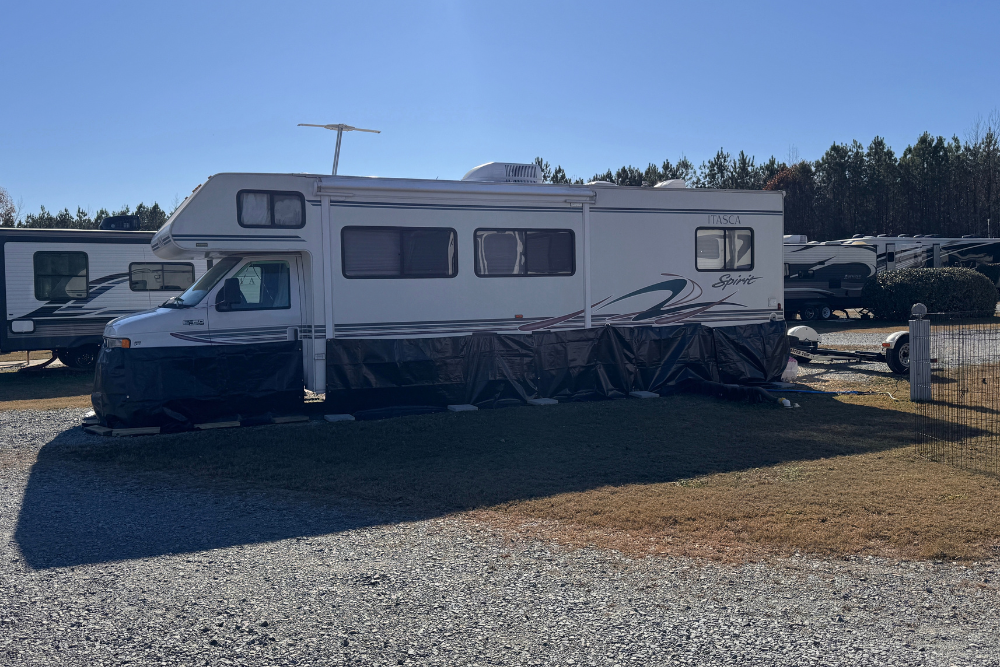
If you live in an area where the plumbing in your RV will most certainly be damaged by your local winter weather then it makes sense to prevent that damage by winterizing the RV, even if you’re going to list it for sale in the near future. But most areas of the country have milder weather where winterization is recommended but it’s not imperative, so waiting on the antifreeze for an extra month or two might not result in any damage.
You’ll need to have your RV in a ready-to-roll condition so you can show it off and demonstrate all its features. Having the fresh water tank out of service and the batteries disconnected will not allow you to properly showcase your RV during a buyer’s inspection.
Winterizing Is About More Than Antifreeze
However, the question is should you winterize or list first, and constraining this discussion to just the procedure of adding antifreeze to the fresh water system is missing the point. Winterizing an RV includes many procedures in addition to treating the freshwater tank. These other winterization procedures include: cleaning the inside and outside of the RV, checking and repairing missing or damaged roof caulking, and lubricating the rubber gaskets around the slide outs.
Additionally, many RV owners use the winterization process to bring their RV into an “as new” condition so they include maintenance and minor repairs in the process. During the winterization process you should also remove all perishable food substances; cereals, condiments, and packaged goods, stored in the cupboards to discourage rodents from invading the RV. Empty the refrigerator and clean it as well as the microwave, coffee maker, stove top, and oven.
These steps should always be part of the winterization process. Other winterization activities include, decluttering the cabinets and storage areas, cleaning the sinks, shower, and toilet, and removing the screens, then washing the windows inside and out.
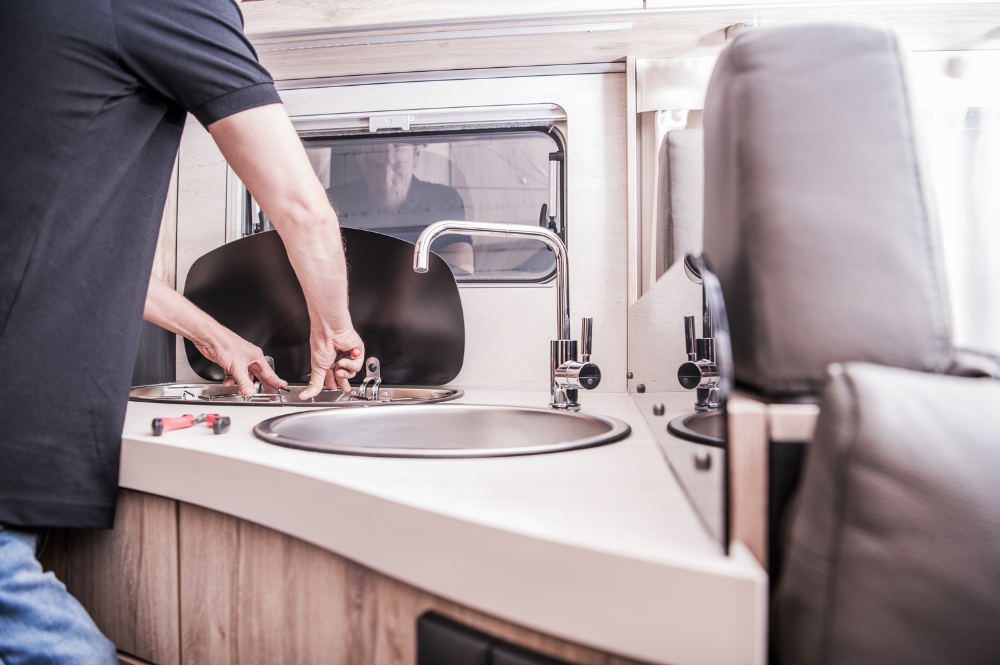
All of these listed winterization activities are also things that need to be done before you sell your RV and it makes sense that all of them should be done even before you list your RV for sale because these procedures make your RV more photographic and easier to show to prospective buyers.
Do you have to do all these things to winterize your RV or to sell it. No. But using the pre-winter storage routine (winterization) to bring your RV back to an “AS NEW” condition will prolong the life of your RV and enhance your enjoyment in its use for years to come. It will also help you sell it more quickly. After all, most people don’t want to buy a project or a recreational vehicle with a long list of needed repairs or one that’s dirty and has been poorly maintained.
Conclusion
Winterize first or list first? Since the bulk of the winterization process is also needed before you can sell your RV it makes the most sense to winterize first (skip the antifreeze, if it’s safe to do so in your location. You can always add antifreese later if it’s taking longer than you expected to sell the RV or the weather forecast calls for damaging freezes).
After you’ve done all the cleaning and maintenance to get your RV back to the “As New” condition contact National Vehicle for a free valuation to learn what it’s really worth in today’s market, then let them guide you through the selling process. They will help you write a compelling ad (to accompany your photos) which they submit to all the major on-line RV sites, so your RV gets all the exposure it needs to sell quickly. Selling your RV can be exciting and with a little professional help you’ll be able to quickly convert your valuable asset to cash.
How much does it cost to winterize an RV?
The vast majority of the expense of winterizing your RV is labor and for the most part you can do it yourself so there’s very little out-of-pocket expense in this process. Some people like to include minor maintenance and repairs to their winterization procedure so any known problems are handled at that time making their RV ready-to-roll next spring.
However, if you’re going to have professionals handle any of these maintenance tasks it will increase the cost of the winterization process. For example, if you want to have your tires rotated or hire someone to re-caulk the roof it could end up costing you a few hundred dollars to have your RV winterized.
On the other hand, if you’re willing to do all the labor yourself, then the whole expense will be just the materials needed for the procedures like caulking compound and antifreeze. Antifreeze costs roughly $12 per gallon and you can buy a tube of caulking compound for about $15 so the supplies needed for winterization are very affordable.
Should you winterize an RV before selling it?
There is a lot more to winterizing an RV than just putting antifreeze in the fresh water tank and some of these steps are also part of the selling process. For example, when you winterize an RV you should clean it, inside and out, remove food and perishable goods, clean out the refrigerator and clean the microwave, oven, coffee maker, and stovetop.
You may also want to remove excess or unused camping gear and discard accumulated clutter. Basically, you’ll want to clean up your RV before storing it for the winter. And these are all steps you’ll need to do when you’re ready to sell it. So, the bottom line is yes, you should do all the cleaning steps associated with winterization before you sell it.
The final step of adding antifreeze to the fresh water tank will depend on where you live, and how prevalent damaging freezes are in your location and how long it will take to sell your RV, which will depend on how aggressively you advertise it for sale.
If you’re not going to work hard to sell your RV and you’re just going to park it in a conspicuous location with a “For Sale” sign in the window then treating the fresh water tank with antifreeze to finish the winterization process would probably be prudent. Afterall, you don’t want to have ruptured pipes when you’re finally ready to show your RV to a prospective buyer.
On the other hand, if you’re going to be more aggressive in your sales efforts and use the professional services of National Vehicle to sell your RV then you will undoubtedly get calls from prospective buyers who will want to inspect your RV. Therefore, having the batteries connected, the fresh water tank in a usable condition, and the RV in a ready-to-roll state will help you sell it.
Also, you might imagine that a winter RV buyer would appreciate the fact that your RV is already winterized, which will save them the time and expense of winterizing it themselves, but that’s not realistic. Who buys an RV just to put it in storage as soon as they get it home.
Most buyers are going to take the new RV out to familiarize themselves with their new acquisition and to have a little camping fun. It doesn’t matter if it’s winter or the peak of the RV season. People who buy an RV are going to want to take it out for a spin. So if you sell it winterized, they will need to de-winterize it before they can enjoy it.
Do RVs sell in the winter?
ABSOLUTELY! RVs are sold in every season. There are thousands of people who live year around in an RV, plus there is an even larger community of RVers who use an RV to escape the brutally cold winter weather in the higher latitudes. These folks (snow birds) load supplies into an RV in the fall and take off from Canada and the northern US states headed for various destination in the sun belt.
At any given time, many of these full-time RVers and snow birds are in the market to upgrade their RV (even in the winter month). In fact, many of them become acutely aware of their need for an upgrade because it’s winter and some aspect of their current situation is unsatisfactory. In many cases buying an upgraded RV is more of a necessity than a preference, consequently, they are highly motivated RV buyers, even in the winter.
How Long Does It Take to Sell an RV?

Preparing Your RV Listing for the 2026 New Year Market
7 Reasons Why Spring is the Best Time to Sell your RV