
Navigating the Boat Buying Process: A Buyer’s Guide
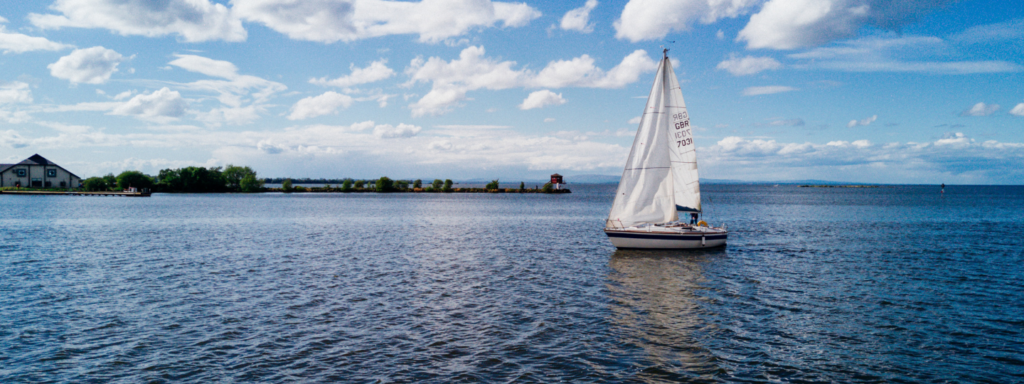

Looking to buy a boat? Getting a boat of your own is an exciting step to take for sure. That said, it is crucial that you know what you’re doing. After all, you want to make sure the boat you buy is right for you and that it will last for years to come.
Unfortunately, unless you’ve owned a boat before, it can be hard to determine what to look for as you shop. That’s why I’m here today. In this article, we will discuss the most important things to look for as you seek out the perfect boat to take you on all your water adventures. The boat buying process might feel overwhelming, but with the right information and a little planning, you’ll feel confident every step of the way.
Determine Your Needs and Budget
Decide on Boat Type
Before diving into the market, assess how you plan to use your boat. Will you use it for fishing, cruising, sailing, water ski sessions, or something else?
If you plan to use the boat for several different activities, a bowrider or center console boat could be best. Those who want to focus on freshwater fishing might want a bass boat. Meanwhile, those looking to cruise a lake or river might consider a pontoon boat. Knowing what type of boat you’re looking for will really help narrow down your choices. Understanding the different boat types can also help you decide which vessel best fits your lifestyle.

Consider Size
Next, ask yourself:
- How big do you need the boat to be?
- What do you need it to carry?
This will narrow your choices even further and help ensure you end up with something that can carry what you need without being unnecessarily large. Make sure it handles well for the kind of boating you plan to do.
Set a Budget
Of course, you do also have to consider cost. If you’re on a budget, consider purchasing used rather than new. If you need a warranty, buying a new boat might be a better bet. Make sure you also factor storage, insurance, registration, docking fees, winter storage, and maintenance costs into the overall cost of ownership, and set a realistic budget that you stick to while you shop. Boat ownership involves ongoing expenses, so it’s important to look beyond the sticker price.
Research and Compare Boats
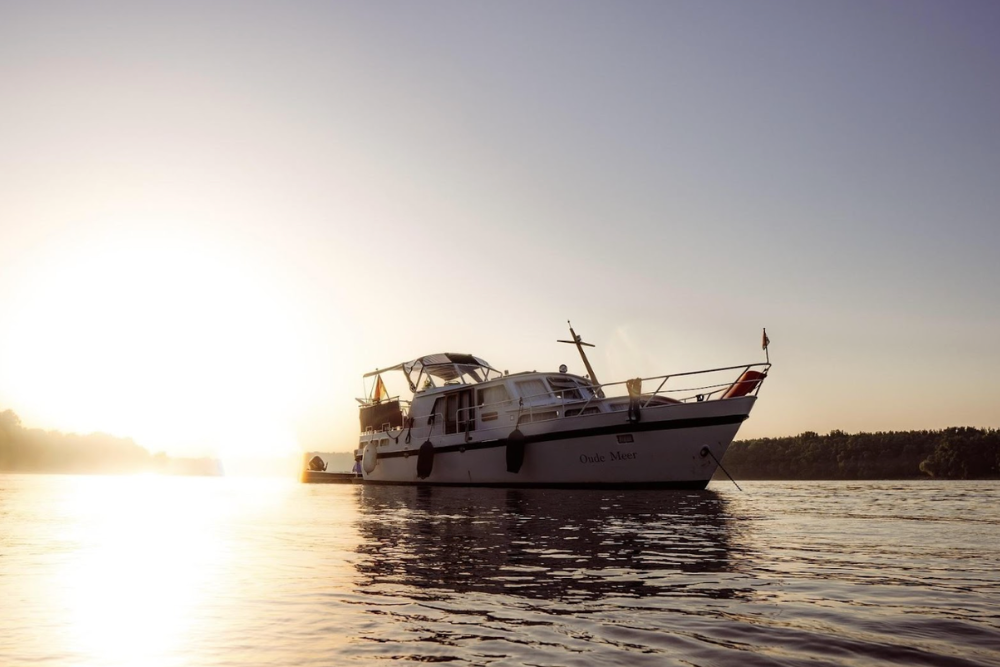
Once you have a clear idea of what you need, research different makes and models. Visit boat shows, browse online listings, and read reviews. Compare features, fuel efficiency, durability, and resale value to narrow down your options. Some boaters even work with yacht brokers during this stage of the buying process to help find deals and gain insight into the market.
If you can’t figure out where to begin, you can check out boat forums such as [The Hull Truth](https://www.thehulltruth.com/) for opinions on what might best suit you, or you can ask a salesperson or dealer to guide you in the right direction. Just make sure to take all advice with a grain of salt and do your own research before making a final decision.
Inspection and Sea Trial
Before committing to a purchase, conduct a thorough inspection. Check for structural integrity, engine condition, and necessary repairs. Make sure to keep an eye out for red flags such as hull damage, mold, soft spots, faulty electrical systems, or strange noises from the engine. If buying a used boat, hiring a marine surveyor for a professional evaluation is a smart decision and something I highly recommend doing. They know the secret areas to inspect.
A sea trial (AKA test drive) will help you gauge performance and comfort and is something you should always do before purchasing any boat. If an owner does not allow a sea trial, you should walk away, as this is an enormous red flag. It’s the only way to know how the boat handles, how the engine performs under load, and how the vessel feels with you and your crew on board.
Understand Financing and Insurance
If you require financing, shop around for loan options with favorable terms. Keep in mind that interest rates, down payments, and loan duration will impact your overall cost and are important factors to consider. I recommend starting with local banks or credit unions and getting a few different quotes before making a final decision.
On top of financing, you’ll also need to shop for boat insurance. Insurance is essential for protecting your investment, and if you finance the boat, it may even be required. Boat insurance is also required to dock in many locations. Compare policies and choose coverage that suits your needs, making sure to keep worst-case scenarios in mind.
Negotiate and Finalize the Purchase
Once you’ve found the right boat, negotiate the price based on your research and inspection findings. Make sure you know what similar boats are selling for in your area so you don’t overpay, and remember that any issues found in the inspection can likely be used to negotiate a lower price. Used boats especially may offer room to negotiate, depending on their condition and paperwork.
Review all paperwork carefully—including the bill of sale, title, and warranty details—to make sure everything is in order. Before taking ownership, ensure registration and licensing requirements are met. Failing to do any of these things could leave you in a pickle, so don’t get too excited and skip steps.

Prepare for Ownership
Having a boat is not all you need to do to get out and start enjoying some time on the water. Before heading out in your new boat, make sure you complete any required safety courses and understand all local boating laws. You’ll also need to outfit your boat with essential gear, including safety equipment. These steps are super important for keeping everyone safe during your adventures.
Of course, it’s also important to establish a maintenance routine and find a way to remind yourself of needed maintenance tasks so your boat stays in tip-top shape. You might also want to research additional resources like online articles, videos, or local boating clubs for ongoing support in your boat ownership journey.
Frequently Asked Questions about the Boat Buying Process
The tips above will help ensure you buy an excellent boat that will serve you well for years to come. Want a few more tips? The answers to the frequently asked questions below might help!
What are the red flags when buying a boat?
-Hull damage, cracks, or repairs
-Water damage, mold, or soft spots in flooring
-Engine issues like excessive smoke or strange noises
-Outdated or faulty electrical systems
-The unwillingness of the seller to allow inspections or sea trials
-Incomplete paperwork or questionable ownership history
What paperwork is needed when buying a boat?
-Bill of sale
-Title and registration documents
-Hull Identification Number (HIN) verification
-Lien release (if applicable)
-Warranty documentation (for new boats)
-Service and maintenance records (for used boats)
What else is there to look out for when buying a boat?
-Ensure the boat meets your specific needs and intended use
-Check the overall condition of the hull, engine, and electrical systems
-Research hidden costs like docking fees, maintenance, and insurance
-Verify the boat’s history, including past repairs and ownership
-Understand financing and insurance obligations before purchase
Let’s Get You on the Water
By now, you should feel more confident navigating the boat buying process. Whether you’re exploring used boats, working with yacht brokers, or searching for the perfect ride to start your sailing adventures, remember: asking for more help along the way is okay.


Boat Value Forecast: What to Expect from the 2026 Market
Boat Trends: What’s Hot in 2025

The Best Time of Year to Buy a Boat: Seasonal Price Trends Explained