
Boat Financing 101: Options for Buyers and Sellers
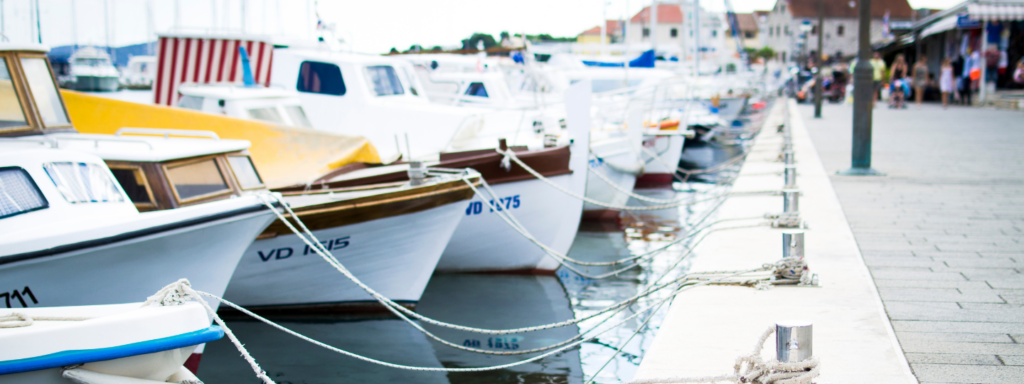

Buying a boat is a dream come true for many. Unfortunately, most people can’t pay cash for their dream boat. This means the majority of us have to seek out boat financing once we find the boat we’d like to purchase.
Finding the right boat loan for your situation may sound daunting, but it doesn’t have to be. There are plenty of options for boat financing, and one of them is bound to be right for you and your situation. Whether you’re after a new or used boat, the financing process can be straightforward with the right preparation.
Options for Buyers
If you are a buyer, you have several different options when it comes to a boat loan. Here are some of the most common loan types.
Traditional Loans
Available through most banks or credit unions, traditional loans offer competitive rates for well-qualified borrowers. The loan terms can vary but generally include fixed rates and scheduled monthly payments.
Certain lenders like LightStream or Bank of the West offer loans specifically for boat purchases. These specialized boat loans sometimes come with lower interest rates and more lenient loan terms. If you’re looking for new boat loans, this can be a smart route. Your credit score, loan amount, and down payment will all play a role in credit approval and how favorable your interest rate will be.
Personal Loans
Personal loans are an option for buyers with strong credit. They aren’t always a great choice because they usually come with higher interest rates and shorter terms than traditional loans, especially if the loan is unsecured (and it generally will be). That said, there are some cases that call for a personal loan.
For instance, those who wish to finance a used boat that is over 15 or 20 years old may need to look into a personal loan rather than a traditional boat loan. This is because most lenders will not finance an older boat. If you go this route, compare the estimated monthly payment and total cost carefully.

Lease-to-Own or Rent-to-Own
Some boat dealers offer a lease-to-own option. This is where a buyer rents a boat with the intent to purchase at the end of the lease term. Rent-to-own can be a good pick if you’re worried about upfront costs or aren’t 100% sure you’re cut out for boat ownership, but it does have drawbacks.
One major con? You’re very likely to end up paying more for the boat in the end. It’s also harder to find rent-to-own deals, meaning the selection of boats available to you may be small if you choose to go this route—especially if you’re after a specific boat type like pontoon boats or a fishing boat.
Dealership Financing
Many boat dealerships offer in-house financing. These often come with promotional interest rates, particularly for new boats, and can seem like a great deal.
I won’t deny the fact that in-house financing is convenient, and in some cases it can be a good deal. That said, you should compare it to other offers because dealership financing is not usually the best way to go in terms of total cost. Ask about any prepayment penalties, whether loan proceeds can cover extras like taxes, and review the full purchase process.
Home Equity Loan or Line of Credit (HELOC)
If you own a home, you could consider using a home equity loan or line of credit to finance your boat purchase. This often offers lower interest rates and allows you to take out a larger loan amount that is spread out over more time, but it means your home is collateral, which can be risky.
Another drawback is that paying the boat off over a long period of time means you are likely to be upside-down on the boat (financially speaking) at some point during the life of the loan. This is especially true if your monthly debt payments are already high or your debt to income ratio is near the lender’s limit.
Peer-to-Peer Lending
If a bank doesn’t want to give you a loan or you simply can’t find one that suits your needs, you might look into the possibility of peer-to-peer lending. Online platforms such as Lending Tree allow buyers to borrow from individuals instead of banks.
Occasionally, interest rates are more favorable for the buyer, and sometimes even those with poor credit or those attempting to purchase an older boat are able to get a loan. Just be sure to read all terms and compare the estimated monthly payment with what you can afford based on your monthly income.
Cash Purchase
Of course, there is the option of skipping the loan altogether and paying cash. This eliminates loan interest and can give you more negotiating power with the seller. It also ensures you will never owe more than your boat is worth, and it means you won’t have a boat payment hanging over your head each month for the next several years.
Options For Sellers
As a seller, you may have to consider some different kinds of boat financing. Here are a few that may apply to you.
Trade-In Options
If you’re selling your boat to a dealer, they may offer a trade-in value toward a new or different boat. This is a quick and simple process, but the value offered may be quite a bit lower than selling privately. Honestly, this isn’t something I recommend doing unless you need to get rid of the boat quickly or plan to upgrade to your next boat right away.
Seller Financing
Instead of trading in, I recommend selling the boat and using National Vehicle to help you reach the right buyer. That said, this means being prepared to help the buyer through the sale.
In many cases, the buyer will need some sort of boat financing. Generally, the best option is for the buyer to take out a loan through their bank or credit union. In some cases though, a seller may choose to offer financing directly to the buyer, allowing them to make monthly payments over time.
This can help close a sale when the buyer may not qualify for traditional financing. That said, it requires a lot of trust and a formal contract. If you go this route, make sure you understand how to create a legally binding agreement and factor in things like sales tax, documentary stamp tax, and whether you’ll need to collect tax amount on payments.

Boat Leaseback
Some sellers who want to keep using their boat after selling it may enter into a leaseback arrangement with the buyer. This allows the user to continue using the boat under a rental agreement while paying a rental fee to the buyer. This isn’t typical and can get complicated, so it is important to research the ins and outs of such a process before diving in.
Frequently Asked Questions about the Boat Financing Process
Still have questions? We’ve got answers. Below are some of the most frequently asked questions, along with our best answers.
How do most people finance boats?
The majority of boat buyers finance through traditional bank loans using secured loans. That said, plenty of people do find that personal loans, peer-to-peer lending, or dealership financing work best for them. The best boat financing option in any given situation will depend on the buyer’s credit score, the price of the boat, the age of the boat, and what sort of down payment the buyer is able to make.
If you’re unsure how to estimate what you can afford, consider using a boat financing calculator to compare different loan terms and down payment options.
How hard is it to get boat financing?
Getting boat financing is usually pretty easy as long as you have good credit, a stable income, and a reasonable debt-to-income ratio. After all, lenders are generally willing to finance boats as long as they believe you can repay the loan.
Of course, the type of boat you’re purchasing—new versus used, size, etc.—and its value also play a role in the approval process. Older boats or boats that are being sold for much more than they are worth can be difficult to finance. Lenders may require things like a personal financial statement, employment history, and copies of your bank statements or tax returns to evaluate the loan application.
What are current boat loan rates?
Boat loan rates can vary widely depending on the lender, loan terms, and your credit score. Currently, rates for new boats tend to range from 4% to 7%, while rates for used boats may be slightly higher. It’s always a good idea to shop around so you can compare rates from various lenders and find the best deal for you.
Rates and terms are subject to change, so getting pre-approved can help lock in a competitive rate during your purchase process.
Finding the Boat Financing That Works for You
As you can see, there are a number of ways to finance the boat of your dreams. That said, not every option is good for every buyer. Make sure to consider your financial situation and the pros and cons of each option carefully before making a final decision.

Which Boat Type do you Need?
How to Spot a Well-Maintained Used Boat in 60 Seconds
Buying a Used Boat: The Real Story on Freshwater vs. Saltwater History