
How to Negotiate Boat Prices During Peak Season

Spring has sprung and the call from the open waters is reaching you. Perhaps you meant all winter to pick a new model boat for just this moment, but life got in the way. The good news is it is peak season for boat purchases. The bad news-it’s peak season for boat purchases. While peak season does usually lean towards a seller’s market, all hope is not lost. The following steps will help you secure your dream boat and have you out on the water in no time. Get ready to negotiate boat prices today!
Do Your Homework Before You Shop
In peak season, knowledge is your leverage.
- Research market value, not just asking prices, for the exact make, model, and year
- Compare listings across multiple regions if possible
- Know what similar boats actually sell for, not just what they’re listed at
When you can back up your offer with data, sellers are more likely to take you seriously.
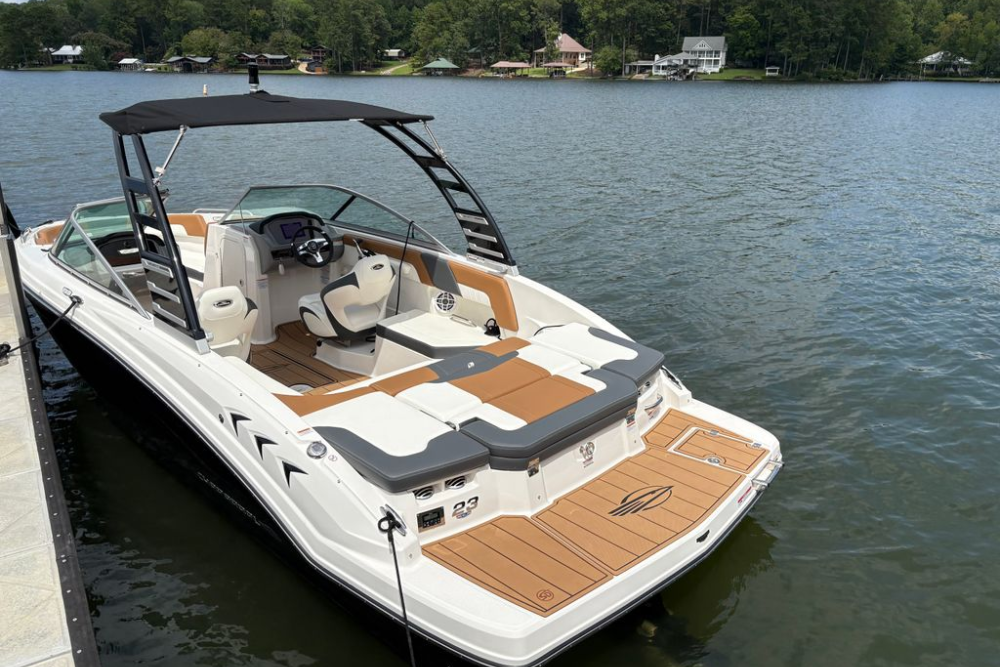
Focus on Boats That Have Been Sitting
Even during busy months, some boats don’t move quickly.
Look for:
- Listings that have been up 30 days or more
- Boats with price drops
- Models that are less popular or slightly outdated
Sellers paying slip fees, storage, or loan payments tend to be more flexible.
Be Ready to Act Immediately
Peak-season sellers care about speed almost as much as price.
Strengthen your position by:
- Having financing pre-approved or cash ready
- Being available for inspections and sea trials quickly
- Making clean, straightforward offers
A fast, low-stress deal can be more appealing than a slightly higher offer that drags on.
Negotiate on Value, Not Just Price
If the seller won’t budge much on price, look for savings elsewhere.
Ask for:
- Safety gear, electronics, or accessories to be included
- Seller-paid survey, detailing, or transport
- Covered slip time or storage
These extras can add up to meaningful savings.
Use Timing Within the Season
Peak season still has mini-windows where sellers soften.
Better moments to negotiate:
- End of the month (sales targets matter)
- Right before holidays (seller wants the deal done)
- When weather slows traffic temporarily
Even motivated sellers don’t want to lose good buyers over small differences.
Keep Emotion Out of It
Peak season creates pressure—but don’t show it.
- Avoid saying this is “the one”
- Be willing to walk away
- Let silence work after you make an offer
Often, sellers circle back once the rush cools.
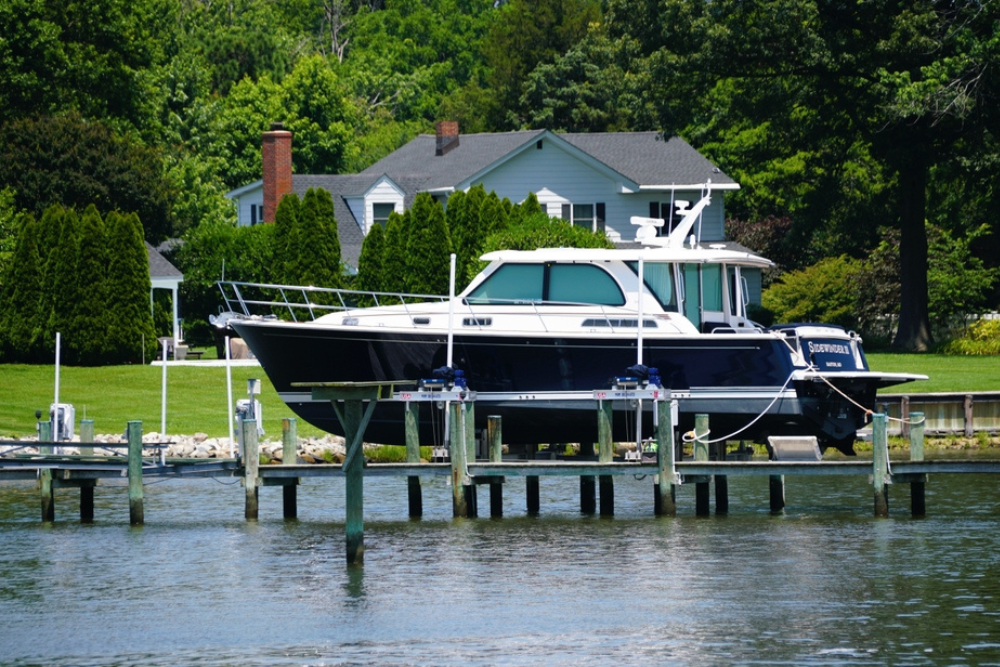
Consider Private Sellers Over Dealers
Private sellers are often more flexible in season because:
- They’re typically paying ongoing ownership costs
- They may be upgrading or relocating
- Emotions and convenience influence them more than margins
Dealers, on the other hand, know summer is their strongest leverage period.
To Recap
Negotiating during peak season isn’t about scoring a massive discount—it’s about stacking small advantages. Preparation, timing, readiness, and flexibility can often save you more than aggressive price cutting.
Frequently Asked Questions:
Is it harder to negotiate boat prices in peak season?
here are some reasons why negotiation might be tougher in peak season. Spring and summer typically bring higher prices and fewer discounts, making negotiation more challenging compared to the off-season.
During peak boating months:
Demand is high, so boats sell faster
Inventory moves quickly, especially popular models
Sellers know there are other buyers waiting, which reduces pressure to discount
Dealers are less motivated because summer often represents their strongest sales period
Spring and summer typically bring higher prices and fewer discounts, making negotiation more challenging compared to the off-season.
Because of the demand during peak season, price flexibility is usually limited and discounts tend to be smaller. If you see a boat advertised that sounds interesting, you should strike while the iron is hot, because sellers may prioritize speed and convenience over negotiating.
Some sources explicitly note that during summer, dealers are often not open to negotiation unless the boat has been sitting a long time or demand softens temporarily.
The Tradeoff:
While negotiating is harder, peak season does offer:
Better selection
Immediate delivery and usage
Easier sea trials and inspections
So buyers are often trading price leverage for convenience and availability.
Yes—negotiating boat prices is generally harder in peak season because demand favors sellers and limits your bargaining power. That doesn’t mean negotiation is impossible, but buyers should expect smaller concessions and need to rely on preparation, timing, and flexibility rather than steep discounts.
How do I know if a boat is overpriced?
Shopping around and knowing the average ballpark for specific boat models you are interested in is a good way to make sure you don’t pay more than the value of the boat. Some steps to ensure the boat isn’t overpriced:
Compare the Asking Price to Market Value
Start by checking what similar boats are actually selling for, not just what sellers are asking. Look for:
Same make, model, and year
Similar engine hours
Comparable options and upgrades
Similar geographic market
Multiple buying guides note that boat prices can swing 20–30% between peak and off-season, so a price might be technically “normal” for summer but still high overall if compared to fall or winter values.
Red flag: The boat is priced well above comparable listings with no clear justification.
Check How Long the Boat Has Been Listed
Days on market is one of the best pricing indicators.
Boats priced correctly in peak season often sell quickly
Listings that sit for 30+ days during summer may be overpriced
Several seasonal buying guides point out that even in peak season, overpriced boats tend to linger while correctly priced ones move fast.
Red flag: The boat has been listed a long time with little or no price movement.
Evaluate Condition vs. Price
Price should reflect condition—many listings don’t.
Consider:
Cosmetic issues (faded gelcoat, worn upholstery)
Mechanical condition
Maintenance records
Engine hours relative to age
Buyer resources consistently warn that asking prices often ignore deferred maintenance, which shifts real value downward.
Red flag: The price assumes “excellent condition” but the boat clearly needs work.
Watch for Seasonal Price Padding
In peak season, some sellers add a premium simply because demand is high.
Market guides show that spring and summer pricing is often 10–20% higher than off-season for the same boats.
That doesn’t automatically mean the boat is a bad buy—but it does mean:
Negotiation room is usually smaller
The same boat may be cheaper later in the year
Red flag: Price is justified only by “summer demand,” not features or condition.
Compare Price to Replacement Cost
For new or newer boats:
Check original MSRP
Look at how much a similar boat costs brand new today
If a used boat is priced close to a new one—or higher without clear value—buyers often walk away. This pattern is noted in multiple new-vs-used buying guides.
Red flag: Minimal discount compared to new, with no added value.
Pay Attention to Seller Language
How a seller describes price can tell you a lot.
Be cautious with phrases like:
“Firm price”
“Priced for summer”
“Won’t last at this price” (while it’s been listed for weeks)
Experienced buyer guides emphasize that confident language doesn’t always reflect real demand.
Get a Survey Before Assuming Value
A marine survey often reveals issues that justify a lower price:
Mechanical wear
Structural concerns
Safety issues
Buyer guides consistently recommend surveys as the final reality check before agreeing on price.
Keep in Mind
A boat is likely overpriced if it’s:
Well above comparable market listings
Sitting unsold during peak season
Priced as “excellent” but shows wear
Justified only by timing, not condition or features
The strongest indicator is comparison—when price doesn’t line up with similar boats, condition, and season, it’s usually inflated.
Do private sellers negotiate more than dealers on boats?
Private sellers are usually more open to negotiation, especially on used boats and in slower periods. This is true especially in regard to used boats and during slower sales periods.
On the other hand, dealers are typically less flexible on the price of the boat, but offer added value and protection, as shown below. Here are some reasons why private sellers might negotiate more often than dealerships:
Private sellers often have no fixed pricing structure
They may be motivated by personal timelines (moving, upgrading, storage costs)
Ongoing expenses like slip fees, insurance, and loan payments can increase urgency
Many are emotionally ready to sell and prefer a quick, clean deal
Private sellers are often more open to haggling and adjusting prices than dealerships. Dealers may still negotiate, but they’re more likely to offer smaller price reductions. They might also shift value into financing incentives, accessories, warranties, or service perks instead of a lower sticker price.
While dealers tend to be firmer on price, multiple sources point out that they often provide:
Verified inspections and service history
Warranty options (especially on used boats)
Help with paperwork, registration, and financing
Post-sale service support
This can reduce risk and unexpected
How to Spot a Well-Maintained Used Boat in 60 Seconds

The Best Time of Year to Buy a Boat: Seasonal Price Trends Explained
Which Boat Type do you Need?