
How to Get Kids Involved in Pre-Season Boat Prep
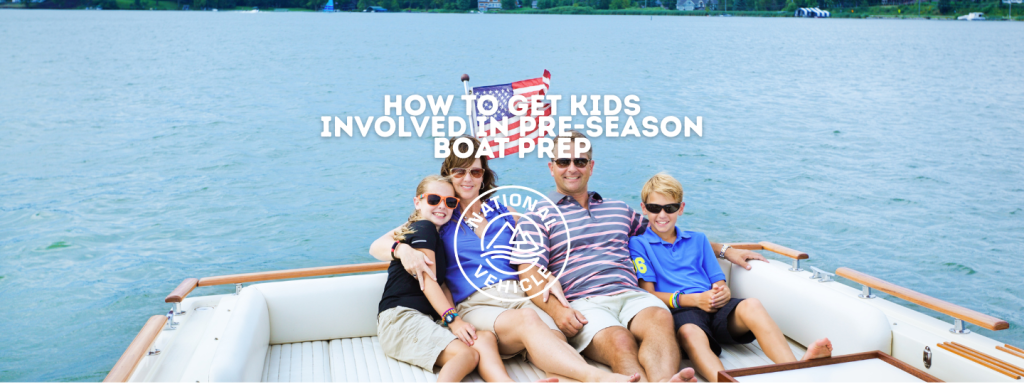

Boat season is almost upon us, and that means it’s time to start getting ready for boat prep!. You could do everything yourself of course, but I recommend making the pre-season boat prep a family affair by getting the kids involved.
Believe it or not, kids can do quite a few boat prep jobs, and handing them these tasks comes with a variety of benefits. Not sure how to begin getting the kids involved with pre-season boat prep? Here are my top tips.
Start with the Right Mindset
Heading into your boat prep sessions with the right mindset will make all the difference in the world. It’s important that you know what to expect from your kiddos and that they know what to expect from the experience as well.
For instance, I can attest to the fact that pre-season prep with kids will actually 1) take longer than doing it alone, 2) be less efficient, and 3) involve mistakes, spills, and do-overs. That said, it will also get the kids excited about the boat season, build excellent skills, give your family some amazing bonding time, and give the kids some ownership of the boat.
I like to think of pre-season prep as part workshop, part classroom, part family hangout. Remember: the goal isn’t perfection, it’s participation.
Explain the “Why” Before the “What”
I am far more willing to help out with something when I understand why that something matters. I think most people are the same, including kids.
For this reason, I try to give my kids the why before the what when asking them to help out with tasks. As an example, instead of saying, “We need to clean the boat,” I’ll say, “If we don’t clean this now, it’ll smell bad all summer and things won’t last as long.”
Remind the kids that…
- A clean boat means more swimming and relaxing!
- A well-maintained engine means fewer cancelled trips.
- Organized gear means more time having fun!
Match Tasks to Age and Ability
In our family, the 14-year-old gets different tasks than the 6-year-old. This just makes sense. After all, a teenager is a lot more capable than a kindergartener.
Make sure you also keep your kids’ ages and abilities in mind when assigning tasks. Not only will this prevent frustration from tasks that are too difficult, it’ll also help you avoid kids who are bored from doing something far too easy and mundane.
Toddlers and Preschoolers (Ages 2–5)
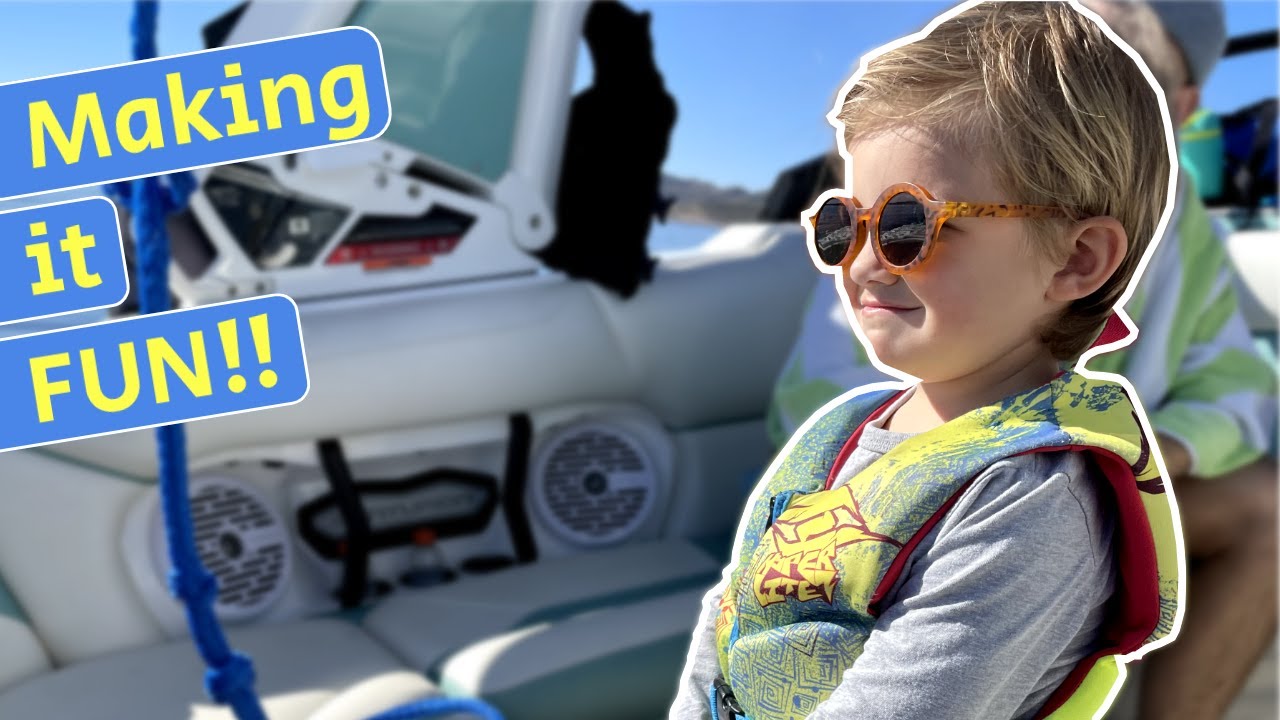
Toddlers are too little to be very productive. Instead, the goal should be to involve them and expose them to the work you do on the boat.
Good tasks include:
- Handing you tools or supplies
- Wiping surfaces with a damp cloth
- Spraying water from a hose (with supervision)
- Matching items together (life jackets, ropes, fenders)
- Putting stickers on labeled bins
By giving these sorts of tasks, you are teaching your little one that boats require care and that helping is part of family activities. At this age, I recommend keeping sessions short and upbeat.
Early Elementary Kids (Ages 6–8)
My 6-year-old loves to help out. I give her clear, straightforward instructions, and she is able to carry out a wide variety of tasks fairly successfully.
Good tasks include:
- Washing hull sides and deck surfaces
- Scrubbing non-skid areas with soft brushes
- Cleaning seat cushions
- Sorting safety gear
- Checking expiration dates on flares (with you)
- Rolling lines and dock ropes
When kids in this age range help on the boat, they are learning basic maintenance habits and how to follow instructions. They will be able to see the difference they are making, which encourages them to keep going.
Older Elementary to Middle School (Ages 9–12)
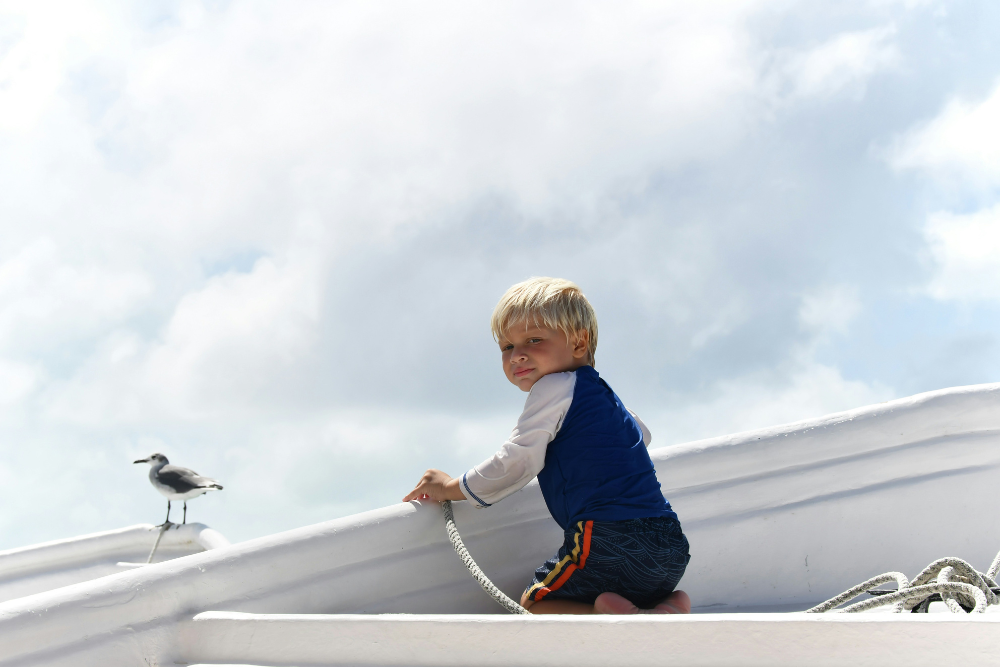
At this point my son was able to do quite a lot to help out, and with a bit of practice he was able to do tasks correctly and completely, making his help extra appreciated.
Good tasks include:
- Inventorying gear using a checklist
- Inspecting life jackets for damage
- Cleaning coolers and storage compartments
- Applying protectant to vinyl seats
- Helping change batteries (with guidance)
- Learning basic knots while organizing lines
Helping out on the boat helps kids in this age range learn things like systems thinking, accountability, safety awareness, and problem-solving. This is also a great age to introduce why maintenance both prevents breakdowns and saves money.
I’ve even gone so far as to sit down and write out maintenance expenses versus repair maintenance, so my son could see the difference visually.
Teens (Ages 13–18)
They may not always love it, but teens can handle real responsibility. While my son is now at the age where he will often argue with me about doing his part, I know that getting things done and being a valuable contributor does give him a sense of pride.
Good tasks include:
- Checking fluid levels
- Inspecting trailer lights and tires
- Replacing anodes (with supervision!)
- Cleaning and waxing larger surfaces
- Testing electronics and switches
- Assisting with engine checks
These tasks are a bit more complex and teach mechanical confidence, as well as skills that translate well to other parts of life, such as vehicle ownership. Involving teens also pays off when they start bringing friends along, because they tend to be more respectful of something they helped maintain.
Use Checklists Kids Can Read
I love a good checklist. It allows me to see the progress I’ve made and encourages me to keep going. I’ve found that my kids feel the same way. Not only does the visual help them stay on task, but it also gives them a sense of accomplishment every time they get to make a check mark.
I like to keep lists simple and visual. The usually look something like this:
- Wash seats
- Check life jackets
- Put ropes in bin
- Clean cup holders
Keeping the list simple encourages kids to use their executive functioning to break down tasks. If my kids need help figuring out how to do something, they can always ask for help.
Teach Boat Safety During Prep (Not Just On the Water)
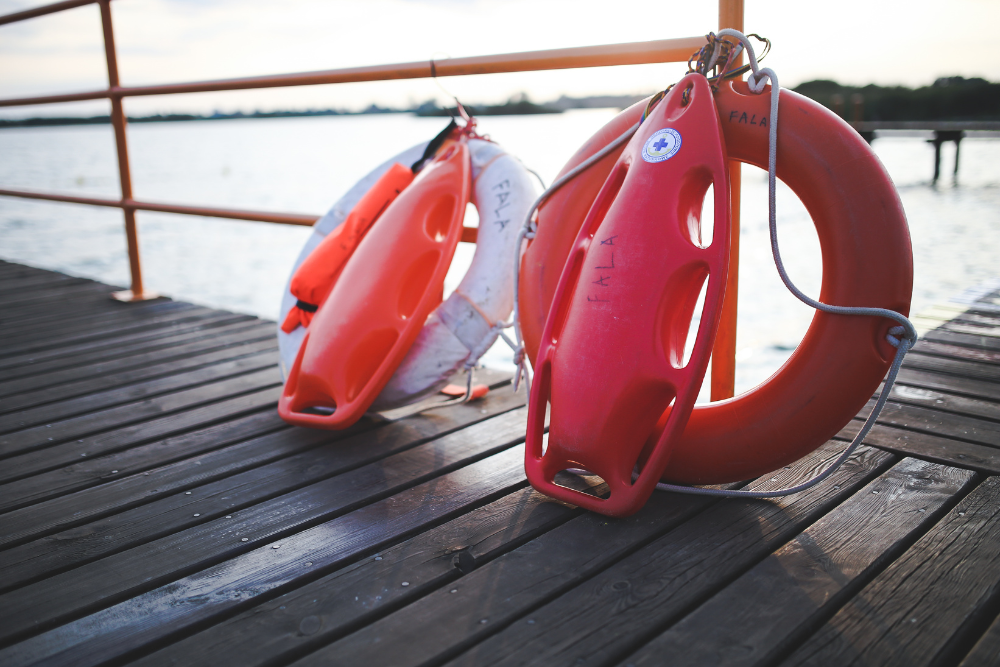
I love using the pre-season to prep our boat to go out on the water as a family. That said, this is also a good time to chat about safety. Doing this when things are calm and not urgent helps ensure everyone is paying attention, so you are all prepared should something ever go wrong while out on the water.
Involve kids in:
- Locating fire extinguishers
- Checking that whistles and horns work
- Inspecting life jackets for size and fit
- Talking through what to do if the engine won’t start
- Practicing basic radio or communication rules
By involving your kids in these things, they will be more likely to remember where things are and how they work should they need them down the line.
Make It Social and Comfortable
As I said above, I like to make pre-season boat prep a family affair. It may be work, but it doesn’t have to feel like a punishment. In fact, we’ve found that by going in with the right attitude, we can make boat prep a fun, exciting activity and a great lead-up to the excitement of boat season.
Some things we do to create the right vibe include:
- Playing music everyone likes
- Packing favorite snacks and drinks
- Taking breaks
- Working in short sessions across multiple days
- Celebrating milestones (“Hull cleaned—ice cream time!”)
Doing these things makes the whole affair feel more like a party than chores.
Let Them Make (Small) Mistakes
I used to be a perfectionist. If a chore wasn’t done right, I felt the overwhelming urge to go back and re-do it immediately. Here’s the thing though: Correcting small mistakes is discouraging and a great way to kill motivation.
Yes, a rope might be coiled wrong, or a seat might need to be re-cleaned, or a bin might be mislabeled, but that’s okay! If it’s safe and functional, I do my best to let it stand.
Give Them Ownership Over “Their” Area
Even when pre-season prep is done, there are still plenty of other things to keep up with on a boat. I like to assign a seasonal task or two to each kid. Making specific tasks “theirs” gives them a sense of pride and leads to fewer complaints.
Some example jobs include:
- Managing the cooler
- Handling life jackets
- Checking lines before departure
- Helping with docking prep
Connect Prep to the First Trip
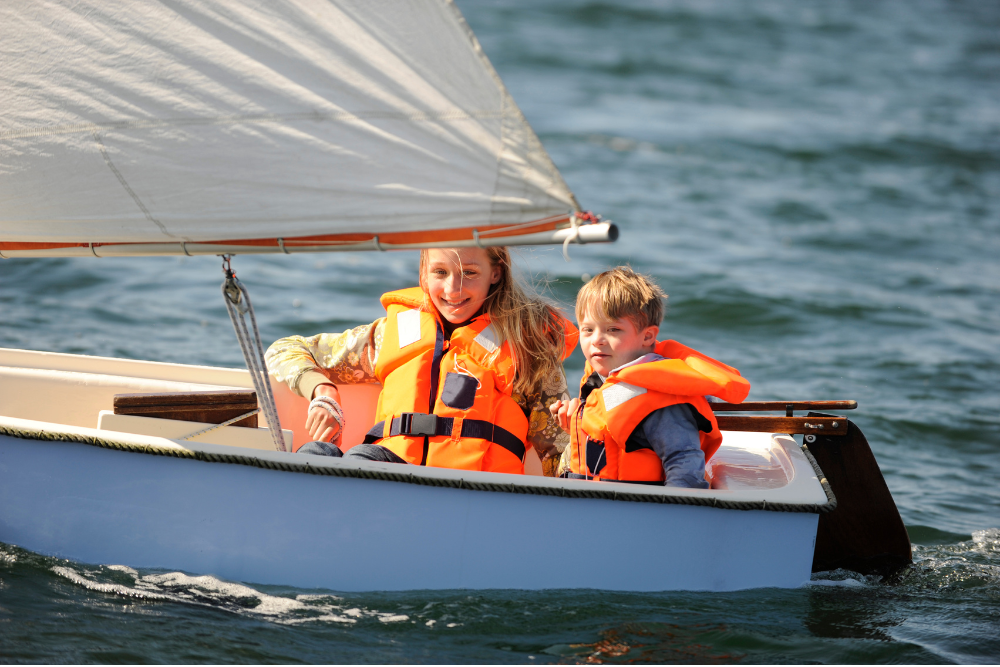
As the season opener approaches, I like to remind my kids that the boat is ready to go because we worked together as a family to make it that way. Connecting their hard work to the ability to get out and have a fun time is a great way to encourage kids to continue helping out with maintenance.
You might even go so far as to point out specific benefits of prepping the boat as you enjoy your first trip out. For instance:
- Launch day goes smoothly.
- Nothing smells musty.
- Gear is easy to find.
- Everyone knows where things are.
The Bigger Picture
Getting kids involved in pre-season boat prep isn’t just about the boat; it’s about teaching responsibility and practical skills that can be applied to life down the line. I also like to use it to create shared traditions that the whole family looks forward to year after year.
I’ve found that sharing boat prep helps kids feel capable and trusted—especially when we tackle these tasks together every year—and they grow in their confidence and abilities.

19 Boat Cleaning Hacks for Saltwater vs Freshwater
How to Spot a Well-Maintained Used Boat in 60 Seconds

How to Handle Paperwork When Selling Your Boat Privately