
Choosing an RV that’s Perfect for Your Lifestyle in 2026
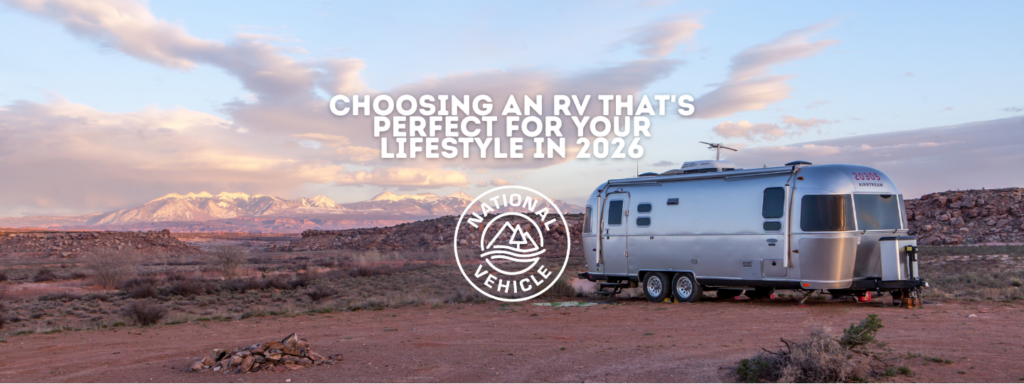

Buying an RV is an exciting first step into new adventures! However, with all the options available on the market, the decision can feel overwhelming. How do you know which RV is the right one for you? If you do some research up front and take some time to consider your own travel style, it is not an impossible question. Learning some simple tips to help you make a good decision can boost your confidence, from setting a good budget up front to understanding different RV classes and features. Are you ready to choose the best RV for your own unique adventures?
Start by Choosing an RV Budget
When you start the process of buying an RV, the first thing to decide is your budget. Having a plan upfront will help you make an informed decision, avoid financial stress later, and be able to enjoy the RV you choose. Start by looking at your monthly or weekly budget if you have one, or just assess your current income and expenses and any existing debt.
If you plan to finance an RV, decide how much you can spend on RV payments per month and still meet all your monthly essentials. Remember to also budget for vehicle registration, insurance, routine maintenance, potential repairs, and fuel while traveling. If you plan to put your RV in storage in storage over the winter, you will need to budget for that too.
Take some time to consider if you want to look at new RVs or used. This decision will change the amount you should realistically expect to spend on a motorhome. RVs depreciate quickly, meaning once they go home with the first buyer, their market value goes down quickly. Because of this factor, buying an RV used can make a big difference in price, even if it is not very old.
You will have to put some more time and energy into assessing the vehicle’s condition yourself, but you always hire a third-party, professional inspector for peace of mind. You can see many reference prices on our used RV market, where you are able to sort by make, model, year, or price.

The 5 Main Classes of RV
Once you have determined your budget (including minimum, maximum, and amount per month), the next step is to decide what type of RV you are interested in looking at. There are five main types or “classes” of RVs to choose from. While you can shop around and look at several different types at the time, you can narrow down your search by learning upfront which types would work best for your lifestyle.
The five classes can be narrowed down to two categories: drivable RVs and towable RVs. The drivable RVs include Class A, Class B, and Class C. The towable RVs include travel trailers and fifth wheels.
When considering different types of RVs, ask yourself some questions about your lifestyle: How many people you will be taking, how many beds you need, what type of place you want to traverse, and if you have a vehicle that could reasonably haul a towable RV. Remember that you will be taking your new RV on the road, so it needs to be a vehicle you are comfortable driving or towing. Do some research on your favorite parks or states, or places you plan to visit, to avoid putting yourself (literally) in a tight place!
The 3 Drivable RVs:
Class A motorhomes are the biggest type of RV and the most luxurious. They are long, blocky vehicles with a large, flat front windshield. They will be the roomiest option and a good one to consider if you plan to travel with a larger group of people. You can also buy them with either a gas or diesel engine, so you have more options to consider.
Class B RVs, or conversion vans, are the smallest drivable RV. They vary greatly in the amenities and creature comforts that they include, and some have slide-outs to add more space. This category includes B+ RVs, which have more amenities. Travel vans are easy to maneuver, and drive more like a car than bigger RVs do, some even being equipped with four-wheel drive.
Class C motorhomes are somewhere in the middle out of the drivable RVs in terms of size. They have a protruding engine and often include a loft over the driver’s seat, which gives them an easily recognizable shape. They are lower and offer less visibility while driving than the Class A, but are also smaller and easier to move around.
The 2 Towable RVs:
Travel trailers are smaller RVs, that have no built-in engine but instead are pulled behind another vehicle. There is a variety of options for this type of towable RV. Some can be hauled by a small car while others require a heavy-duty truck. However, they all use a standard hitch.
The fifth wheel is similar to travel trailers but it can be attached exclusively to a pickup truck, with the hitch resting in the bed of the truck. They are typically larger than travel trailers, and many find them easier to maneuver and park. However, as they can only be towed by a pickup, they might not be the best option for everyone.
If you want to read more about the five types of RVs, we have another post with more details. This is a good place to start if you are new to the RV world.
How Long do you Want to be Away?
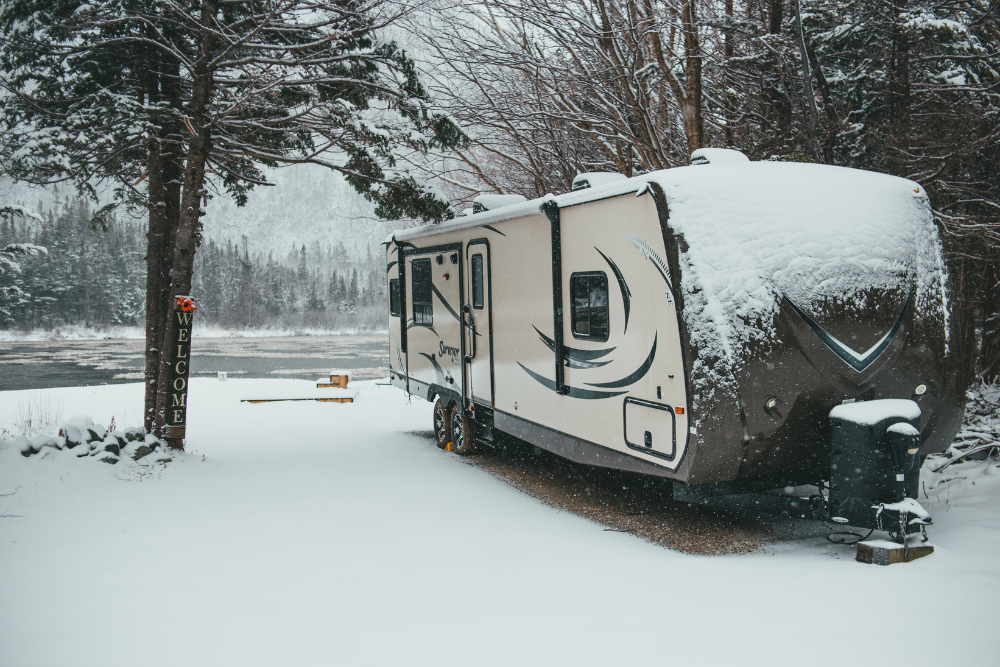
Another question to consider while RV shopping is how much time you plan to spend traveling. If you plan on taking short weekend trips, you will not need as much storage for clothes or food. You might also find it more convenient to have a small travel trailer that is easy to store when you go back home. If you enjoy biking or winter sports while you travel, remember you will need to pack these things and bring them with you. What type of RV will accommodate them? If you plan to be gone for weeks, or even months, then other features will become more important, such as additional storage, or larger water and waste tanks.
If you plan to live in your RV full-time, then you will want features that support your daily life, not just vacation routines. Consider your wardrobe, eating and cooking habits, and comfortable sleeping habits. What do you need more storage for? Determine how many beds you will need, how much space each RVer will need to live comfortably, and what layout will work for your pets if you have them. Having separate living and sleeping spaces can improve comfort when on the go for so long. How much seating do you need?
Will you need a designated work space on the road? Insulation and temperature controls are also especially important for full-time RVers, since their motorhome will be on the road in all seasons.
Whether it is 365 days a year or just a few weekends, an RV suited for your specific lifestyle makes the trip more enjoyable for everyone!
What Type of Trip do you Enjoy Taking?
Also consider your camping preferences and the type of trips you enjoy taking. What time of year do you travel? Do you stay in remote places or crowded? What types of hookups are available? Some RVers prefer to relax outside around their campsite, while other travelers want to move around and sightsee.
If you want to have a regular vehicle—separate from your RV—during the trip, you might be happier with a travel trailer or a fifth wheel. These towable RVs are hauled to your destination by a car or a truck, giving you access to a second vehicle while you travel. The trailer can stay at your campsite all set up, while you go sightseeing during the day. If you are a minimalist who mostly wants to explore national parks or unfamiliar cities, then you will be looking for an easy-to-drive RV. A longer-term or full-time RVer might prioritize amenities and comforts over mobility.
If you plan to boondock—or camp off the grid, without electrical and water hookups—those plans should also be taken into account when choosing an RV. Look for RVs with good insulation and larger freshwater tanks. Also make sure you are equipped with solar panels, lithium batteries, and/or a reliable generator. It is important to be prepared for unexpected turns when you are camping remotely and will not necessarily have connection or access to necessities.
Smaller, self-contained RVs are often preferred for boondocking, because they are easier to drive, use up less gas, and generally do not take as long to set up. However, the larger RVs, like Class A motorhomes or fifth wheels, can work better off the grid since they have additional space for things like solar panels and bigger water tanks. Any of these RVs can equipped or upgraded for boondocking.
Choosing an RV is all about understanding your own needs as an RVer. While the wide variety of rigs available might feel overwhelming, you can narrow down your options with confidence and peace of mind. Set a realistic budget first thing, do your research on the different classes of RVs available to you, decide how long you want to be away from home, and consider your own unique travel preferences.
Whether you dream about weekend getaways, long road trips, full-time RVing, or an off-the-grid adventure, the right motorhome should support both your safety and your comfort. Taking some time at the beginning to do your research and ask important questions helps you avoid expensive or dangerous mistakes later. You can be prepared and confident as you go RV shopping and find a rig that truly fits your needs.
Frequently Asked Questions:
What are the most important RV floor plan features for full-time living?
For full-time RV living, the right floor plan can make a big difference in both comfort and functionality. Look for a layout that offers clear separation between living, sleeping, and working areas to avoid feeling cramped. Having plenty of storage—such as wardrobes, pantry space, exterior compartments, or a bigger refrigerator—is essential for everyday life on the road. A comfortable, well-sized kitchen and bathroom support daily routines, especially if you are bringing multiple people on the road. Many full-timers also prioritize extra seating, good natural light, and designated workspaces so they can focus in their new mobile home.
What is the maximum RV length allowed in most U.S. National Parks?
Most U.S. National Parks do not have a single maximum RV length, but it is important to figure out if a park is well-suited for your size of RV. The parking pads at campgrounds are only so big, and many National Parks have narrow roads or tight turns. The average range for most parks is 30 to 40 feet, although some only accommodate smaller rigs. Some have room for 50-foot or longer motorhomes, although vehicle that big are less common. These days, most parks have length requirements listed online for their various campgrounds, that you can look up before you leave. Different campgrounds at the same park can have different length capacities, so be sure to stay on top of where you are staying and how your vehicle really is.
What are the most common RV buyer mistakes I should avoid?
First-time RV buyers often make a few common mistakes that can lead to regret down the road. One of the biggest is buying an RV that is too large or too small for their travel plans, especially without considering campground restrictions. Understanding how to make a realistic budget is also important—many buyers forget to factor in insurance, registration, maintenance, winter storage, and/or the cost of fuel. Purchasing an RV is an exciting but big step. You can avoid having buyer’s remorse down the road if you do your research well at the beginning and know your top priorities as you start shopping.

8 Promising RV Market Trends for Potential Buyers to Watch for in 2025
Snowbird Shopping: Choosing an RV You Can Actually Live In From October to March

3 Reasons FALL is the Best Time to Buy or Sell an RV