
4 Key Things to Check when buying a used RV This Off-Season
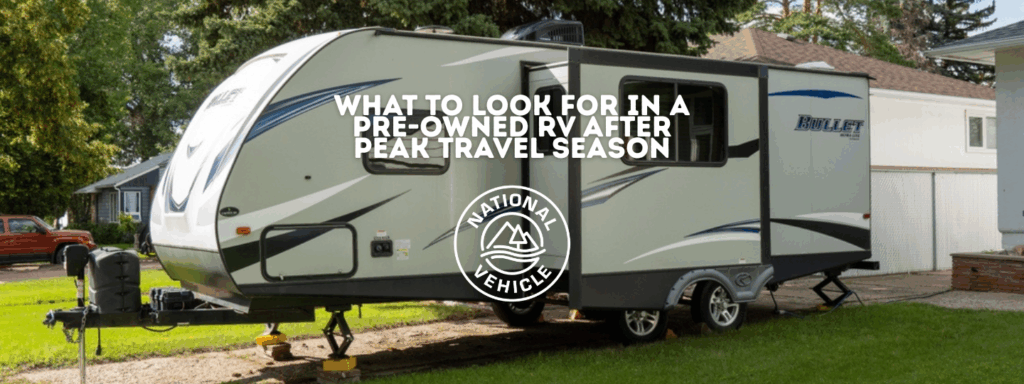

Peak RV travel season is coming to an end as we jump into fall. You may find many used RV’s going up for sale, as their owners have finished their last RV trip and are ready for something new. Buying used is a great way to get into the RV life at a reasonable price.
While it may seem intimidating as you start to sort through the options, there are many easy tips for determining if a used motorhome is a good sale. These are some key things to consider when looking at pre-owned RVs, that will help you find the best sale on the used RV market for you!
Maintenance History
One of the most important things you should ask for while looking at a used RV is its maintenance history. A responsible seller should save all of their vehicle’s maintenance records for the benefit of potential buyers like you. This allows you to see what the motorhome has needed in the past and can clue you in on what it may need in the future, helping you make an informed decision.
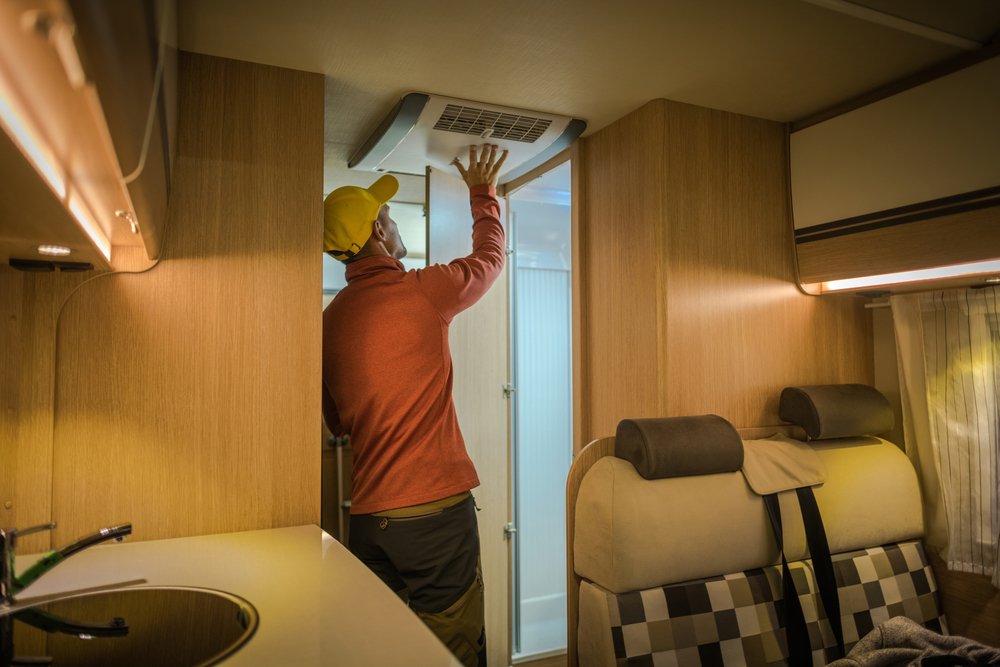
An RV, especially one of the bigger models, is a small home on wheels. That means it has all the systems that other vehicles have, along with additional appliances like those in a house. You will want to check a used RV’s engine, brakes, tires, etc. and also its indoor systems like heaters, generators, water systems, or refrigerators.
You can check the maintenance records for repeating issues, like leaks or electrical problems that have needed to be repaired over and over. These might be evidence of an ongoing problem you will have to fix. You might also notice some regular maintenance—resealing, brake replacements, oil changes—that did not occur frequently. That is something to be wary of when purchasing a vehicle, and to factor into your budget if you plan to have work done as soon as you buy an RV.
However, these records also allow you to see when a motorhome has been well maintained and give you peace of mind about your purchase. Ultimately, taking the time to ask for maintenance records and look through them can save you money and prevent a lot of unwanted surprises. You should feel confident that you and your RV are ready for adventure!
Spotting Rust When Buying a Used RV
If you are considering a used RV for sale, make a quick look over the body for rust. Some wear should be expected on a used vehicle, especially an older one. Rust does not necessarily turn an RV into a bad purchase. But you will want to watch out for significantly rusted metal that could indicate bigger problems or potential structural issues.
Since rust forms over time when metal is exposed to too much moisture, check all metal parts of the RV that may often get rained on or exposed to leaks or spills. Vehicles that have been driven in rainy or coastal areas are more likely to show signs of wear and rust, but so are RVs from colder climates that were not properly stored over winter. The motorhome’s driving history can also tell you what to look for.
Be mindful of key areas like the frame and undercarriage—an RV with a weakened structure can be dangerous to drive. Repairing a vehicle’s frame can also be very pricey and it is not an issue that you want to be surprised by after a purchase! Use a flashlight to check under the vehicle for rust, flaking, or bubbling. Pay special attention to the areas around the plumbing system, water heater, and roof seams where water might splash or leaks are more likely.
Just like other maintenance, you should factor rust damage into your budget if you see something you have to fix. Making a thorough inspection for rust and water damage keeps your RV travel safer, less stressful, and more fun.
Mold & Moisture Signs in RVs
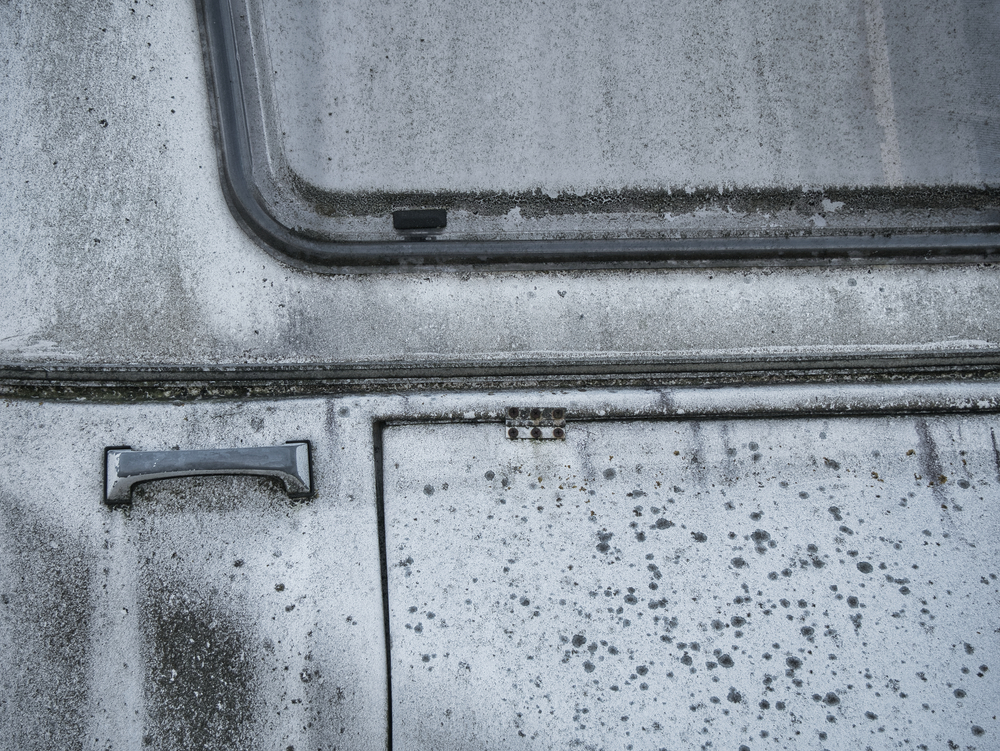
While inspecting a used RV, water damage is one of the most important issues to catch. Learn where to check for leaks in a motorhome and make a thorough inspection, even in areas without visible rust. Small leaks can lead to structural issues that are expensive or unsafe, so be sure to pay attention to the seals and windows while you look over an RV. Watch for stains, bubbling paint, soft or spongy surfaces, and musty odors.
Finding signs of water damage will help you determine your next steps. You can go through the maintenance records (if the current owner has them). If the leak that caused the water damage has been repaired by them recently, you might decide the RV is worth some minor repairs. You might also decide to purchase an RV with leaks and do extensive repairs yourself—just remember that you will need to factor this into your budget and account for minor water damage issues that might surprise you along the way! However, one thing to always watch out for is a motorhome that has started growing mold. Areas that have been exposed to leaks and moisture are at high risk of getting moldy. You can also hire a professional inspector for this step, if it would give you more confidence.
If you are looking for an RV that is travel ready, you should probably be skeptical of those showing signs of leaks, rust, or potential mold. While any vehicle can have issues and end up needing some extra care, you make your chances much better with some quick inspection and a little research to know what you’re looking for.
Finding an RV That Fits
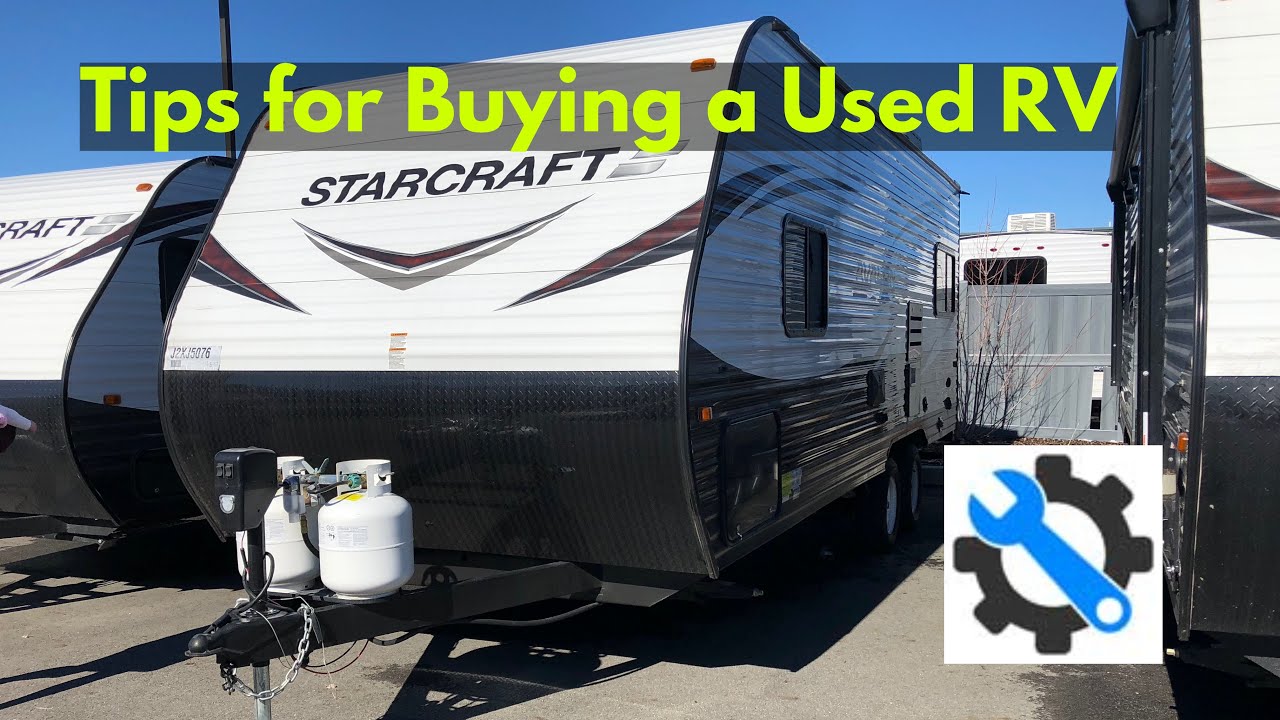
Another thing to be aware of when purchasing an RV, either new or used, is its size. The last thing you want to do is purchase an RV and then find out it is too big for your storage space or is too long for you to feel comfortable driving it.
Before you start shopping, determine where you can store a motorhome and take measurements of the area. What length and width of vehicle will fit on your property or your storage facility? If you plan on storing it indoors, figure out how tall the ceilings are. Take tight corners into account as well. Have these measurements on hand as you look at RVs and be sure to get the length, width, and height of every vehicle you look at to avoid unpleasant surprises. Consider taking the potentials for test drives as well, to start getting comfortable behind the wheel of such a large vehicle. This helps you find the RV that is well suited for you and your needs.
Frequently Asked Questions:
How to inspect a used RV before buying?
When inspecting a used RV, start with a visual inspection. Check the exterior for rust, especially the frame and undercarriage, which is crucial to a safe vehicle and expensive to repair. Try to determine the age and amount of wear and tear on the tires, and always ask for maintenance records. Check around all the doors, windows, and seams—inside and out—for leaks or water damage. Watch for stains, and damaged floors or paint. Test the appliances in bathrooms and kitchens, plumbing systems, and electrical. Consider taking it on a test drive to see how it handles and if the engine sounds normal.
You can also hire a professional inspection company before you commit to buying. This can help give you peace of mind about your purchase, so the upfront cost is often worth it, especially for new RVers.
How to check for mold in a travel trailer?
Checking for mold is an important part of any RV purchase. Mold can be a big problem, in both houses and vehicles, so be sure to take some time on this. Important places to check are around windows, ceilings and corners, around sinks and plumbing systems, and inside cabinets. Use a flashlight if you need to. Look anywhere you see water stains, and watch for discoloration, especially black or green spots. If you end up dealing with mold, be sure to keep those spots clean afterward, and get leaks or ventilation issues repaired as soon as possible to prevent future problems.
What is the most common RV leak?
The most common place for RVs to spring leaks is typically the roof. They get the most exposure to sun and bad weather, and the seams and vents get worn out over time. Any small cracks can create bigger problems later, since even the smallest leaks cause water damage. As an RV owner, taking care of your motorhome’s roof is a very important part of maintenance! Inspect it regularly and reseal risky spots with an RV-safe sealant. If you are inspecting an RV as a potential buyer, be sure to check the roof for damage or leaks before you buy.
RV Buyer vs RV Seller Market: How the Difference Can Affect Your Situation
Fall RV Sales: What Buyers Are Looking For Right Now

Your 2025 RV Buying Guide: How to Pick the Right RV for you