
Boat Storage Guide: Prevent Damage and Refresh Your Interior
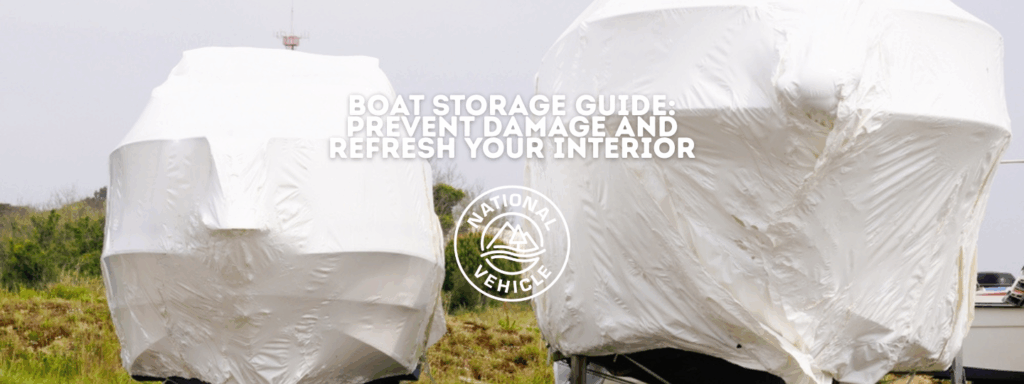

The days are getting longer, the air is getting just a bit chillier, and summertime has come to a close. Old Man Winter is moving in, and that means (for most of us) boat outings have slowed down, and plans for boat storage are currently underway. There are some responsibilities for us each winter month while we dream of spring or a Florida getaway.
Whether storing your boat for a short period of time or for an entire season, and whether you choose to store in a covered storage boat unit, at the marina, or covered on a trailer in your driveway, the prep work is all the same. There are steps to be taken before, during, and after storage that will ensure the boat’s continued freshness. Follow these guidelines in order to have your boat looking and smelling fresh for the upcoming spring trips.
Pre-Boat Storage Prep
Taking the time to properly do a refresh prior to storing your boat is the key to a fresh interior. Important factors to focus on before boat storage begins include proper ventilation, moisture control, and a deep cleaning of all interior surfaces. To achieve an optimum pre-storage prep, consider the following steps.
Do a Deep Clean
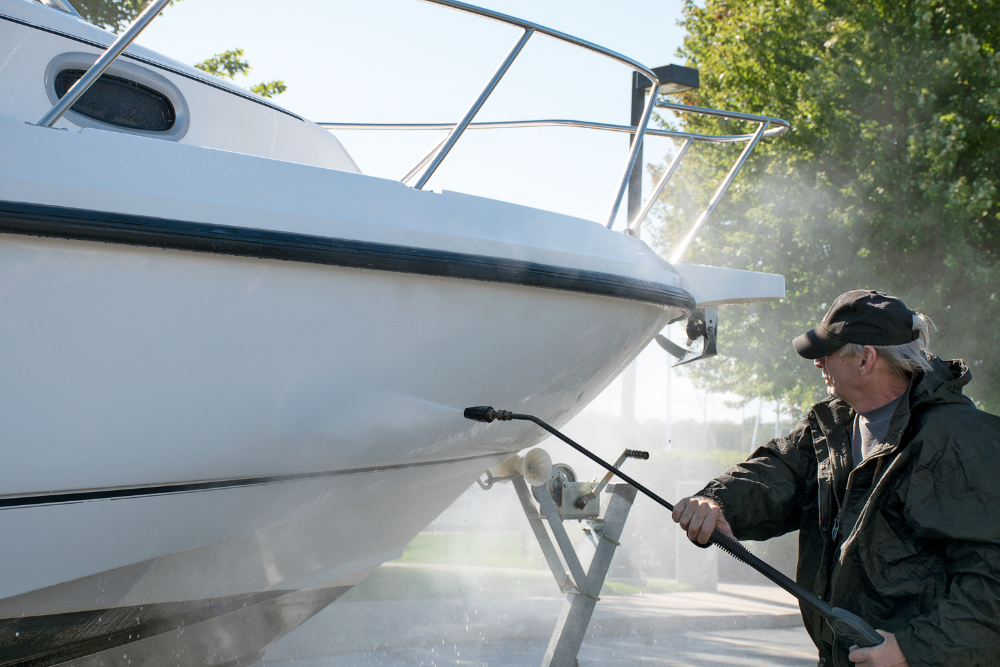
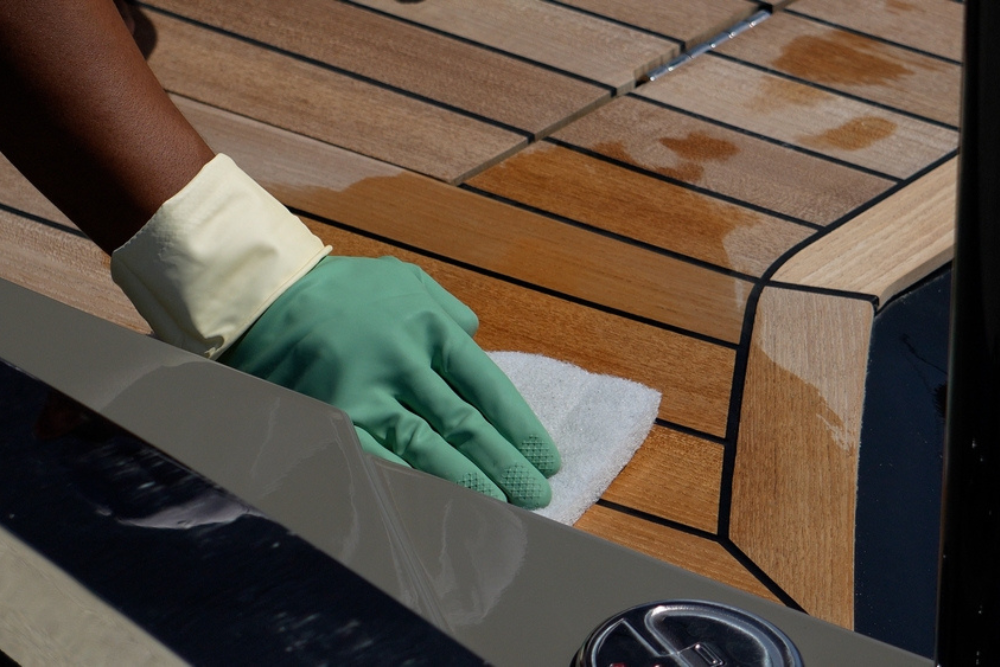
This type of ‘base work’ will ensure the boat starts off fresh when entering storage. Completely clean all the interior surfaces with marine-specific products. Make sure to remove salt and dirt from the carpets, fiberglass, wood, and upholstery throughout the boat’s interior. Since dirt and salt retain moisture that can lead to mold, it is imperative to properly dispose of even the smallest specks prior to covering and/or storing. Here is more information on protecting your boat from mold and moisture.
Consider steam cleaning the carpets and make a point to clean and deodorize the bilge area, removing any standing odors from oil, fuel, or other items. Also, be sure to have all the waste holding tanks emptied and cleaned completely prior to storage.
Dry Surfaces Completely
Do a once-over to fully ensure all areas are completely dry before storing. For a faster process, you can add fans to areas that need more drying time. Check everything, from bilges to cushions, to storage spaces, before placing on the cover or using shrink wrap.
Remove Extra Items
Pack up the life jackets, towels, clothing, and bedding, and store them at home. It’s also good practice to remove mattresses, rugs, and chair or couch cushions from the boat, as mildew and mold can grow underneath them.
Likewise, empty all the drawers and storage containers, and remove items from the freezer and fridge. To prevent odors and/or mold, be sure to leave the doors on the appliances, cabinets, and storage lockers slightly open.
Do Some Inspecting
Before storing for the off-season, be sure to thoroughly check the deck fittings, hatches, seals, and all the windows to ensure they are properly sealed. Make any necessary repairs to ensure the seals are fully waterproof and snugly fitting.
Recommended Products
To clean the upholstery on boat seats, add a mixture of water and Dawn dish soap into a spray bottle. You will want to use two parts water to one part soap. Spray the upholstery and gently wipe with a cloth, and then be sure to rinse with warm water and to allow it to dry completely before covering it or storing it.
For a more serious deep clean, consider a product such as Marine 31 Vinyl Cleaner and Protectant Kit or a tough stain remover such as Seat Reviver, followed up with 303 Protectant for preventive use against future spills and stains.

Pest Control
In addition to ensuring seals and snug to prevent water leaks and condensation, it’s also recommended to seal off potential spots that pests can easily enter into the boat at. Removing food and most items with a scent will help, but placing a deterrent, such as moth balls or Irish Spring bar soap, will help keep pests at bay. Some people set out traps as well.
Maintenance During Storage
First and foremost, always have a boat dehumidifier inside the boat while it is being stored. One that uses activated charcoal is ideal, as it can provide plenty of help towards having clean air quality. By absorbing moisture and musty pungent odors, as well as leaving the air clean and fresh, an unscented boat dehumidifier product within a stored boat is a great first-line defense.
A quick and inexpensive DIY for moisture control is the old milk jug filled with cat litter hack. Easy peasy, just cut the top off of an old milk carton and fill it full of cat litter. The litter will help maintain low moisture levels. Building on that, place 20-ounce bottles, filled halfway with litter, in the cup holders. Placing bowls around the area that contain baking soda, activated charcoal, or used coffee grounds is helpful in odor control.
Of course, go big or go home, by using commercial products for air control. By purchasing products taylor-made for odor absorption, such as chlorine dioxide gas treatments. These products can cut into fabrics, eliminating odors fully, instead of just covering them up.
Other products for purchase that help with moisture control include DampRid, calcium chloride, and silica gel packets. Scattering them through the interior will help capture any moisture.
Schedule Bi-Monthly Visits
Stopping by and checking on your boat, maybe twice a month, is recommended. These short visits can include actions such as opening the windows and hatches to allow the interior some fresh air and to be aired out, wiping down any built-up condensation, and also looking throughout the interior for leaks, while also keeping an eye out for insects and pests. It wouldn’t hurt during these visits to replace the insect deterrents placed within the boat prior to storage.
Do a light cleaning during each visit. A clean boat will have cleaner air flow, and if you maintain the interior’s cleanliness with each visit, when it’s time to prepare it for spring, the workload will be less. This preventive maintenance, along with cleaning up drink spills and food crumbs when the mess occurs, will help stop odors from leaving a lingering odor.
Check on the moisture-absorbing products that are placed within the storage spaces and the main cabin itself. They will need to be replaced occasionally, as they start to appear waterlogged.
If the boat is covered with shrink wrap or a cover, be sure it has vents. The vents can be solar-powered or passive and need to allow the air to move freely and to block the buildup of condensation. Set a small fan or dehumidifier to run on the set humidity level, usually 45%.
Post Storage
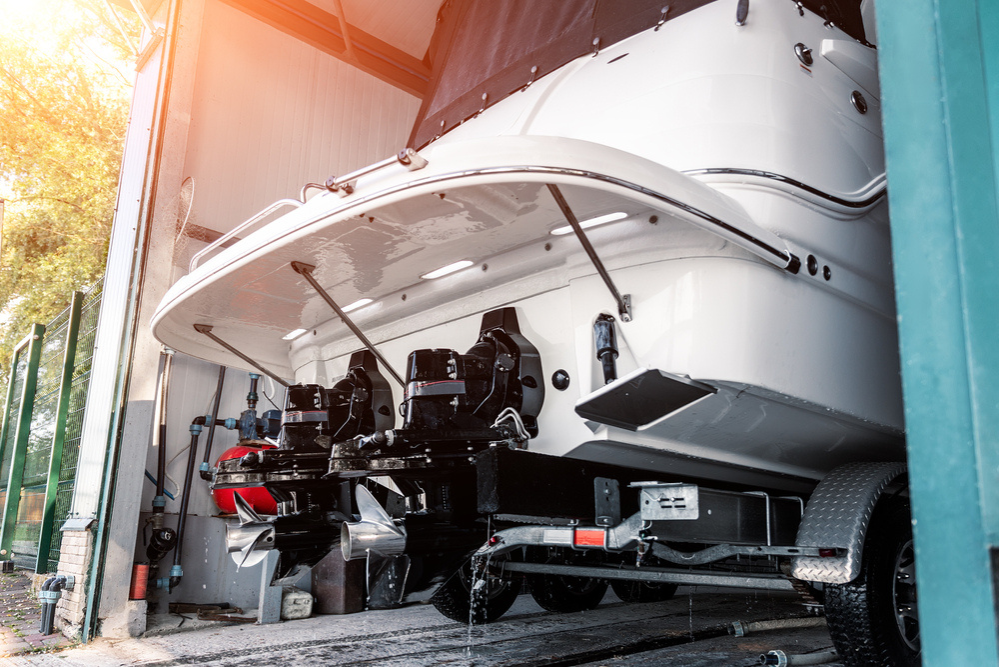
When you are ready to remove your boat from storage, there are a few steps to take prior to hitting the waterways. Doing a thorough once-over to see what interior items need a facelift is the first step to ensure the cabin continues to smell fresh. Making upgrades to the carpet, upholstery, and throw pillows can ensure fresh materials provide fresher scents. Give the seals one last check before getting out on the open sea.
Keeping the interior of your boat fresh and clean might seem like a hefty responsibility, but by regularly maintaining the air flow and ventilation, keeping new containers of odor absorbers in place, and doing a quick cleaning with every visit, the boat should be fresh as the spring flowers in bloom when boat storage season comes to an end this spring.
Frequently Asked Questions:
How can I keep the cabin smelling fresh during storage?
Remove any soft furnishings, such as throw pillows, rugs, blankets, etc., prior to storing. Clean the area thoroughly in order to remove sources of odor and mildew, and be sure to clean and deodorize the bilge area, as well as empty and disinfect the holding tanks before storing. Use a dehumidifier or fan to help prevent moisture and mold. Place open boxes of baking soda, coffee grounds, or activated charcoal, which act as odor absorbers, throughout various locations inside the boat.
Stop by once or twice a month to do a light cleaning, check on moisture absorbing products, and to ensure seals are still in proper condition.
What products work best for refreshing boat upholstery and cushions?
For refreshing material within the boat’s interior, a DIY can be used for light cleaning. Mixing Dawn dish soap and water (2 parts water, 1 part Dawn) into a spray bottle provides a solid cleaning solution for average stains and spills. Or, consider purchasing a mildew stain remover that is designed for marine use, for stubborn mildew, mold, or dried-in stains.
For upholstery, it’s best to go with a specialized marine vinyl cleaner. It will work hard to remove stains and odors without damaging the vinyl. After cleaning, consider applying a marine-grade spray that will protect against any future staining.

2026 Winter Boat Storage 101: How to Protect Your Investment During the Off-Season

How to Keep Your RV Electrical System Reliable All Season

How to Choose the Right Type of Boat for Your Lifestyle