
2026 Winter Boat Storage 101: How to Protect Your Investment During the Off-Season
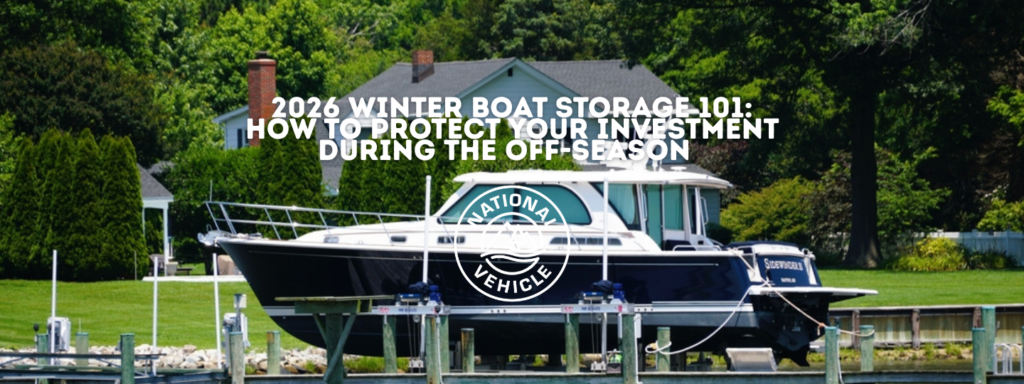

As winter approaches, boat owners face the crucial task of preparing their vessels for storage. Proper winter boat storage not only protects your investment from cold winter weather and environmental damage, but it also ensures your boat is ready to hit the open seas when warmer days return. This guide provides essential steps and considerations to help you store your boat safely and effectively during the winter months.
Why Winter Boat Storage Matters
Storing your boat properly during the off-season prevents costly repairs, preserves resale value, and prolongs the life of your watercraft. Exposure to freezing temperatures, moisture, and pests can wreak havoc on both mechanical and cosmetic components if left unchecked. Following this step-by-step guide will help prevent costly damage and will protect your big-ticket purchase from the harsh winter months.
Step 1: Clean Your Boat Thoroughly
- Wash the exterior: Wash and rinse away any algae, dirt, grime or salt from the deck, hull, and hardware of the boat.
- Clean the interior: Wipe down all surfaces inside the cabin, paying close attention the the carpets, storage compartments, and upholstery.
- Dry interior and exterior: Ensure the entire boat is completely dry before placing it in storage, as this will prevent mildew and mold from forming.
Step 2: Maintenance and Repairs
- Thoroughly look for damage: Check for blisters, cracks, or other issues on the hull and deck.
- Don’t put off needed repairs: Address any maintenance needs before storing, as cold weather can worsen existing problems. Plus, by fixing the issues before storage, the boat will be ready to be nautical when spring rolls around.
- Lubricate Moving Parts: Apply marine-grade lubricants to latches, hinges, and steering components.

Step 3: Engine and Fuel System Preparation
- Flush and drain: Flush the engine with fresh water and drain any residual water from the cooling system.
- Drain the boat’s system: Additionally, you will want to tilt outboards into a fully down position, allowing water to escape. Drain all the water tanks, and then pull the boat’s drain plugs and ensure the bow is elevated slightly to prevent water from pooling up.
- Stabilize fuel: Add a fuel stabilizer to the tank to prevent fuel degradation.
- Change oil: Replace engine and lower unit oil to remove contaminants.
- Fog the engine: Use fogging oil to protect internal engine components from corrosion.
Step 4: Electrical Systems and Battery Care
- Disconnect the battery: Remove and store the battery in a cool, dry place. Charge it periodically to maintain health.
- Protect electronics: Remove or cover sensitive electronics to prevent damage from moisture and freezing temperatures.
Step 5: Cover and Shelter
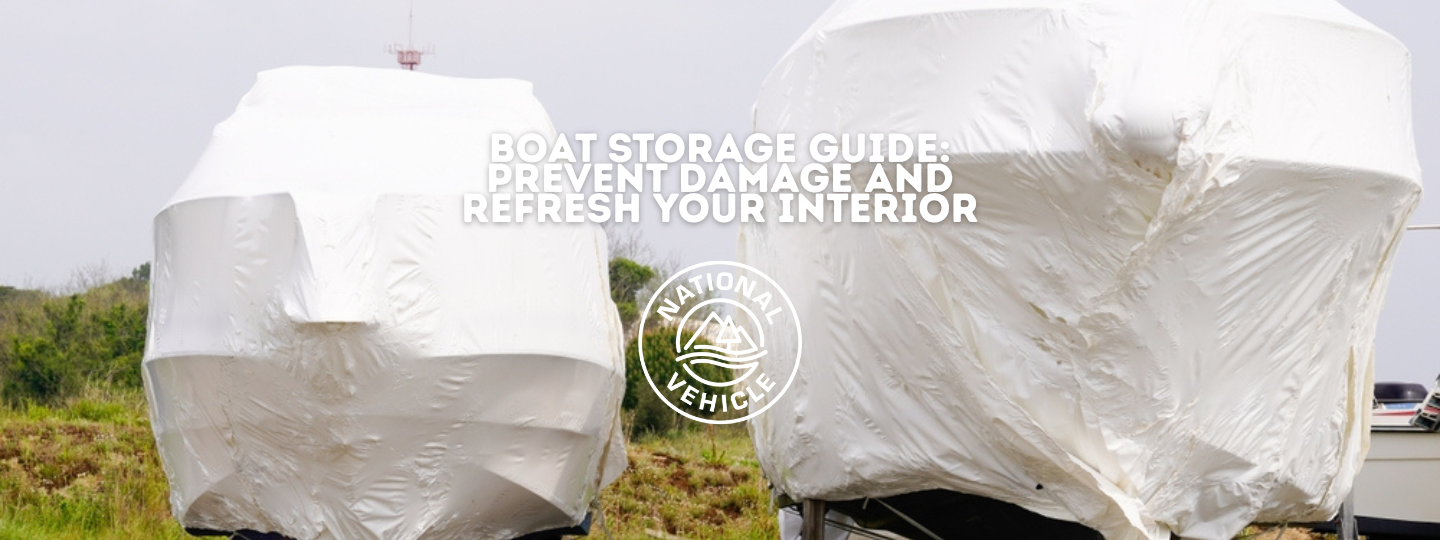
- Use a quality cover: Invest in a properly fitting, breathable cover to shield your boat from snow, ice, and debris.
- Indoor vs. outdoor boat storage: Whenever possible, opt for indoor boat storage. If outdoor storage is the only option, elevate the boat and ensure the cover is securely fastened.
Step 6: Prevent Pest Intrusion
- Seal openings: Block exhaust ports, vents, and other entry points to deter rodents and insects.
- Remove food and organic material: Take out all perishables and organic matter to avoid attracting pests.

Step 7: Regular Checks During Storage
- Inspect periodically: Visit your boat occasionally during winter to check for water intrusion, cover integrity, and pest activity.
- Clear snow and ice: Remove any buildup from the cover to avoid damage and excess weight.
Storage Options for Boats
There are a variety of storage options for you to choose from, but keep in mind that there are advantages and disadvantages to each option of winter boat storage. No matter the region or climate, optimum results lead from the boat being stored in an outdoor or indoor shelter on dry ground. Not sure how to decide? The choice likely boils down to the price and the convenience.
Investing in a storage setup at your home is just a one-time cost, as opposed to high marina fees each month. If going with marina storage-either interior or exterior storage- book your reservations early as you might lock in a lower rate by missing the last-minute markups at the cold winter season’s start.
Dry Stacking: This is a good option for the smaller boat units, and it provides protection from moisture, decreasing the chance of mold and mildew developing and growing. However, the downside is that the boat may require additional hauling to and from the boat dock.
Wet Storage: While this might be the most convenient, leaving your boat at the marina can also lead to issues that will cause corrosion, mildew, algae buildup, and mold spores. If you choose this boat storage method, be sure to add a thick, properly fitting boat cover to provide an extra level of protection. Also, plan on having some heavier spring cleaning on the boat when warmer weather rolls around. This is only recommended for boat owners in more mild climates.
Indoor Dry Boat Storage: Another way to store your boat for the winter is to invest in an indoor dry boat storage setup at your marina. While this option does provide the most protection,
Outdoor Dry Storage: You could rent a boat-sized storage unit, or you could invest in an outdoor boat storage shed or an outdoor carport to keep your boat covered and protected from the elements.
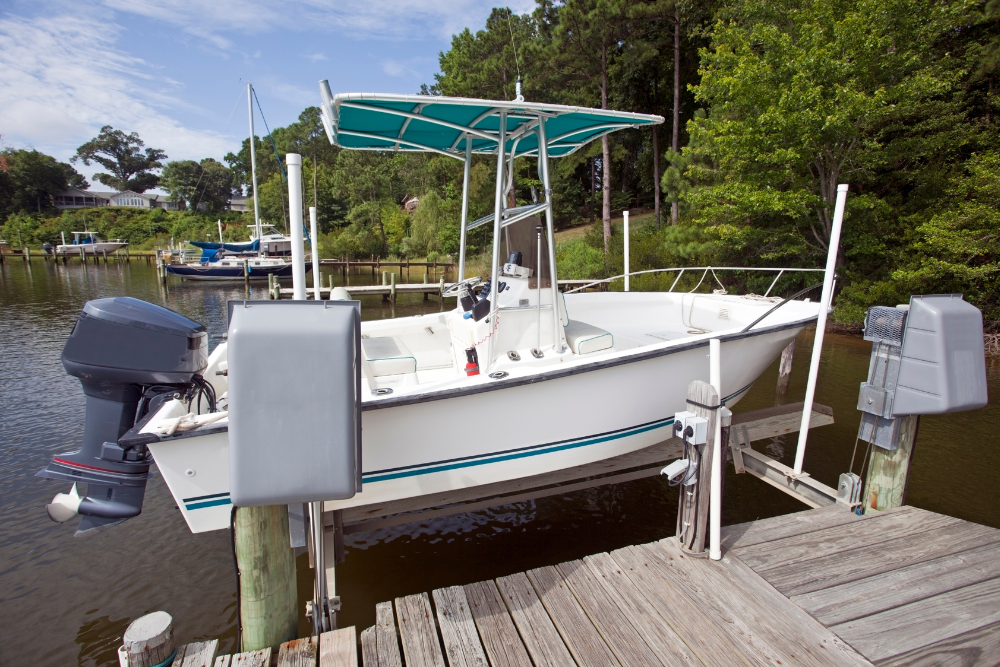
Boat Lifts: Boat lifts are perfect for larger boats or for those who reside in a region where extreme winter weather occurs. While this is a more expensive method of boat storage, the old adage applies: You get what you pay for. This is a perfect option for moisture evasion, and when spring arrives, there won’t be a need for extra-strength cleaning.
Custom Cradles: Going with a custom boat cradle is a prime option for catamarans or pontoons. Designed as a means of providing even support and stability to the hull, a custom cradle is a good option for long-term boat storage or transport.
No matter which option you select, it’s highly recommended to get your boat serviced and inspected at the end of the season.
Proper winter storage is essential to protect your boat and maximize its lifespan. By following these steps, you can rest easily knowing your vessel is secure, maintained, and ready for another season of enjoyment. Investing a little time and effort now will save you money and hassle in the long run.
Frequently Asked Questions:
How do I properly winterize my boat before putting it into storage?
There are several steps to take to properly winterize a boat prior to placing in storage. First, stabilize the fuel by filling the fuel tank to almost full, add a fuel stabilizer, and then let the engine run for about 10 minutes to ensure the mixture circulates throughout the entire system. Then, you will want to change the oil and flush and drain the cooling system. You will want to fog the engine by spraying the cylinders with a fogging oil that will prevent rusting in the internal parts of the engine.
For the water systems and sanitation, you will want to drain all the water from both the saltwater and freshwater systems, which includes the live wells, ballast systems, water heater, and the engine. After that is complete, you will want to pump a marine-safe antifreeze through the freshwater systems to prevent any water pools that might have been left behind from freezing.
Disconnect the battery and remove it, placing it in a dry, temperature-controlled environment. Remove all food and drinks, along with valuables and clean out all storage compartments.
Lastly, you will want to clean the hull by washing and waxing, in order to protect the finish from the winter weather. Cover the boat with a high-quality, winter-grade boat cover that will provide optimum coverage and protection from dirt, UV rays, and most important, moisture.
When spring arrives, what should I inspect and do to get my boat ready after winter storage?
To get your boat ready for spring, you will remove the cover, clean the hull, and then wash the interior. Then, change the oil and oil filter, inspect the spark plugs, and check all fluid levels. Flush the cooling system to remove anti-freeze and then check all your safety equipment, inspect the electrical connections and the bilge pump, and lastly, ensure the battery has a full charge and that the fuel system is in proper working order.
It is also a good idea to have your boat inspected and serviced after being in storage throughout the winter season.

How to Choose the Right Type of Boat for Your Lifestyle
Boat Storage Guide: Prevent Damage and Refresh Your Interior

How to Keep Your RV Electrical System Reliable All Season