
How to Choose the Right Type of Boat for Your Lifestyle


Buying a boat is exciting, but it can also be a little overwhelming. Obviously, you want to make sure you buy the right boat for your specific needs and situation. That said, I found that figuring out what exactly this means can be tricky, especially if you’ve never owned a boat before.
Luckily, you’ve come to the right place! In this guide I will share how to choose the right type of boat for your life. We will discuss how to assess how you’ll use it, match boat types and hulls to the water you’ll frequent, understand the real money involved (beyond sticker price), and finish with a practical checklist so you can shop confidently.
How Will You Use Your Boat?
Before you begin, I recommend sitting down and really considering the following questions. Knowing the answers to these things will help you determine what kinds of boat best suits your needs:
- Who will come aboard most often? Will you be going solo, adventuring as a couple, bringing the kids along, or including extended family or a large friend group?
- What will you mostly do? Will you be cruising, overnighting, wakeboarding, fishing, taking day trips, or living aboard?
- Where will you boat? Small inland lakes, narrow rivers, large inland lakes, protected bays, and open ocean all require different types of boats.
- How hands-on are you? Do you want a mechanical hobby or low-maintenance convenience?
- How often will you use it? Will you just go out a few weekends a year, or will you be our near-daily in summer?
- Do you want a trailerable boat or a slip-based boat?
Answering these questions will narrow your options quite a bit. As an example, if you plan on calm family days with the kids, a pontoon is the thing for you. Meanwhile, if you want to chase offshore tuna, you might look into a stout center-console or sportfisher.
Boat Types (and Who They Suit)
The list below includes the most common boat types, as well as a description of who might enjoy each boat the most. Use this to figure out which boat type might be ideal for your situation.
Pontoon Boats
Flat, stable, roomy. Ideal for family outings, parties, and low-speed cruising on lakes and calm bays. Easy to board, great for kids and seniors. Not for rough seas.
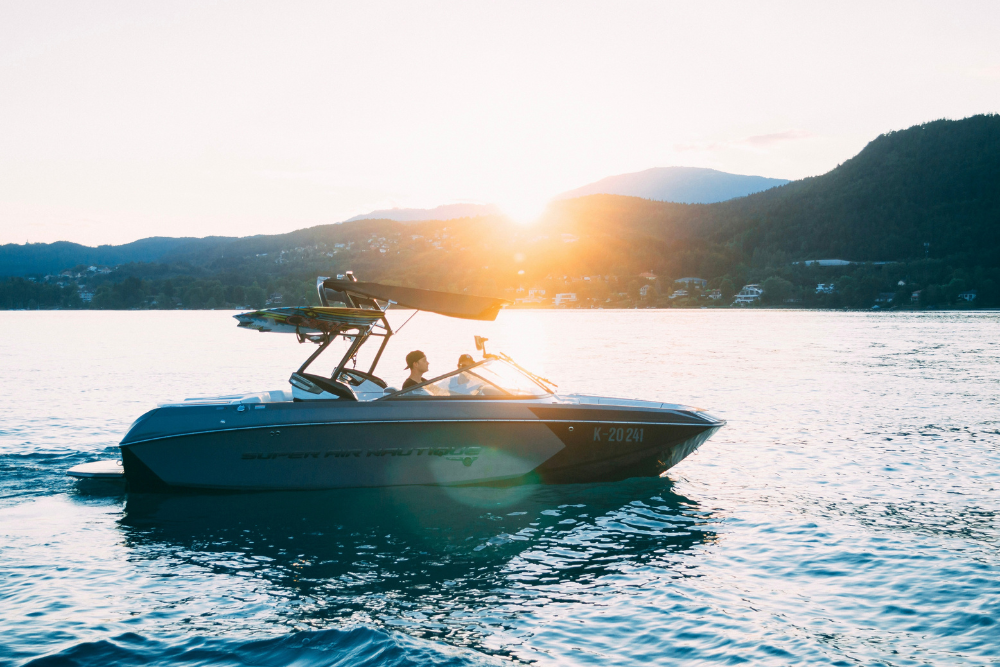
Bowriders / Runabouts
These vessels offer open bow seating and are versatile, making them good for day trips, watersports, and casual cruising. I think this type of boat is a great pick for families who want a mix of speed and social space.
Cuddy Cabins / Weekenders
These little boats include a small sheltered cabin for a nap or simple overnighting. They are perfect for weekend getaways if you’d rather not commit to a full cruising system.
Walkaround / Express Cruisers
Larger in design, with cabins, galley, and heads, these big boats are best suited to weekenders and those looking to do short coastal cruising with some amount of comfort. I wouldn’t want to live on one, but short trips would be fun in such a vessel.
Trawlers
I know a few people who live on this type of boat. They are fuel-efficient and comfortable for long-distance cruising. Yes, these boats are on the slower side, but they are ideal for extended passages and serious cruisers.
Center-console Boats
Open, with a 360° deck for fishing and offshore running, center-console boats are favored by anglers and those who prioritize fishing performance and sea-keeping. I’m not very into fishing myself, but I can see the benefits of having such a boat if you are.
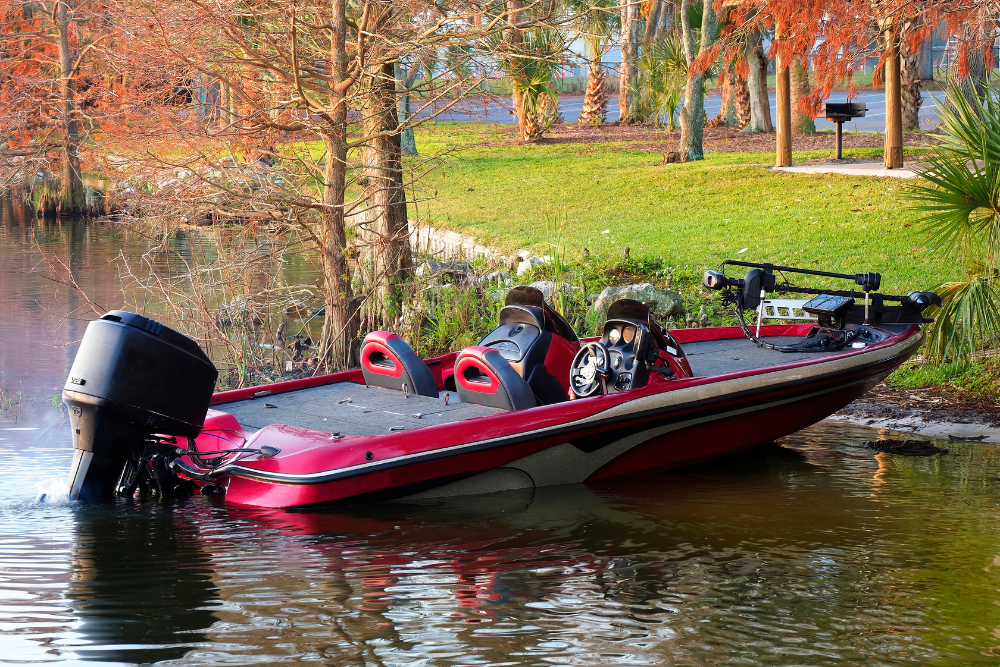
Bass Boats / Fishing Boats
Designed for freshwater tournament fishing, these boats offer shallow draft, high performance at planing speeds, and lots of storage for gear. This is the ideal boat if you plan to get serious about your freshwater fishing game.
Sailboats (Keelboats, Catamarans)
Sailboats are perfect for people who enjoy sailing as a sport or lifestyle. Sailing is a lot of work, but can definitely be worthwhile. Catamarans offer space and stability, while monohulls offer classic sailing feel and easier singlehanding on smaller rigs.
Wake/Ski Boats & Jet Boats
Looking to get some thrills out on the water? Look into one of these small, fast vessels. They are purpose-built for watersports and are great at generating wakes good for wakesurfing or tow sports.
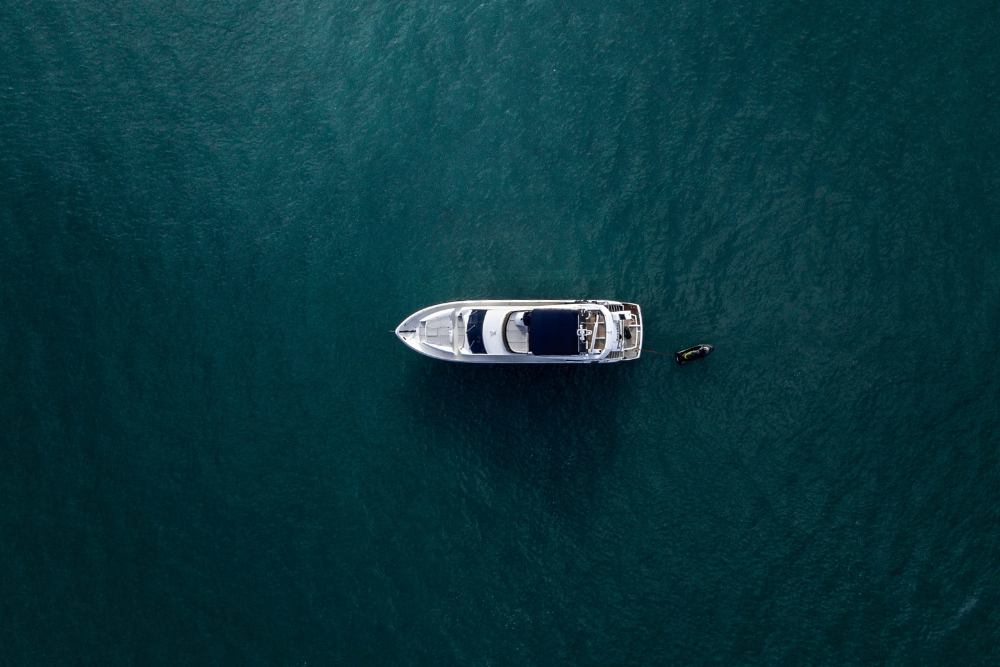
Yachts / Motor yachts
Personally, I can’t afford a yacht, but if I could, you can bet I’d have one of my own. These are large and luxurious and are often used for long-range cruising or entertaining. They do come with a higher price tag, as well as more crew and maintenance requirements.
Match the Hull and Draft to the Water
It’s not the most exciting thing to learn about, but hull design and draft (i.e. how deep the boat sits in the water) are factors that also need to be considered. Certain types of water may require hulls of a certain shape or material, and shallow-draft boats are essential on shallow lakes, rivers, and some coastal areas.
Build Types
- Flat-bottom / pontoon-like hulls — These are very stable in calm water. They include a shallow draft, and are excellent for lakes and slow rivers. These kinds of boats do not do well in poor chop or on open sea.
- V-hull (deep-V) — This kind of hull cuts through waves, giving a smoother ride. However, it also requires more power and sits deeper in the water (higher draft). Such a boat is best used on the ocean, on large lakes, and/or in rough conditions.
- Modified V / multi-chines — In my opinion, these kinds of hulls offer a very good compromise. They are better in chop than flat hulls, but at rest they are more stable than deep-V hulls. This would be my pick for varied inland waters.
- Catamaran / multihull — Stable at anchor and efficient on the move, catamarans are popular for cruising and chartering. They do especially well in protected waters or shallow tropical anchorages (less heeling).
- Planing hull vs. displacement — Planing hulls rise and skim on top at speed. You’ll see them on powered boats and vessels built for watersports. Meanwhile, displacement hulls move through the water at their hull speed and are found on trawlers and many sailboats.
Water Types
- Small lakes and calm inland waters — A pontoon, bass boat, small bowrider, or small sailboat could all do well here. In such a situation, you want to prioritize shallow drafts and easy trailering. Calm conditions also often mean you can choose wide, flat hulls for stability.
- Rivers and channels — Here, you want to look for maneuverability and a shallow draft. Rivers may have current, debris, and changing depths, so stronger hulls (such as aluminum or reinforced fiberglass) and good low-speed handling will help.
- Large lakes / Great Lakes — Larger waves and sustained chop call for deeper-V hulls and solid sea-keeping. You’ll want to consider size and seaworthiness more carefully.
- Coastal/Chesapeake/Protected Bays — Many boat types are fine in these waters if you respect the weather. Center consoles, express cruisers, and small trawlers are all common. In tidal areas, you will definitely want to consider dock access and marina fees.
- Open ocean / offshore fishing and cruising — The open ocean requires boats built for sea conditions. This means solid hulls, redundancy (navigation, communications), larger fuel capacity, and safety gear. This might include center consoles for fishing or trawlers or motor yachts for long-range cruising.
Not sure which kind of boat might be best in a given area? I recommend chatting with local captains, marina managers, or a local dealer. They will almost always be able to tell you what’s sensible for that waterway.
Consider Your Budget
Obviously you don’t want to get in over your head, financially speaking. This means you need to set a budget and stick to it, and it’s not just the initial purchase price you need to keep in mind.
Purchase Price
New boats can range from small used runabouts for a few thousand to $100K+ for well-equipped cruisers and yachts. Expect a huge range depending on type, size, and condition. I recommend shopping around to get an idea of what to expect for the type of boat you’re looking for and setting a budget from there.
Sales Tax and Registration
Don’t forget taxes, title, and registration fees. Many people purchase their boats without accounting for these extra expenses, which come into play right off the bat and can be pretty hefty. Make sure you wrap them into your total budget.
Insurance
Often quoted as a percentage of value, insurance is another expense you’ll need to keep in mind. Smaller boats might be a few hundred per year, but larger or offshore boats can run into the thousands. Location, usage, boat value, and experience will all determine rates.
Slip or Storage Fees
Fees for marina slips range widely. In-water dock space can run from about $1,000 to $5,000+ per season depending on region, and amenities and indoor storage costs more. If you trailer, you’ll also need to take trailer upkeep and secure storage into account.
Maintenance & Repairs
Routine maintenance (engine service, bottom painting, winterization) is absolutely necessary and often adds thousands per year. A general rule-of-thumb for annual maintenance is around 5% of boat value for new boats, though this is just a rough estimate.
Fuel
Obviously, fuel burn depends on engine size and usage. Offshore running and faster boats consume a lot, but even smaller boats can eat through a decent amount of fuel if used regularly. Make sure to plan realistic fuel budgets per outing.
Equipment & Safety Gear
You will definitely want to make sure you’re boating safely. This means stocking up on gear and ensuring it stays in good condition. The cost of electronics, anchors, lines, life jackets, flares, bilge pumps, etc can add up quickly. Make sure to include them in your overall budget!
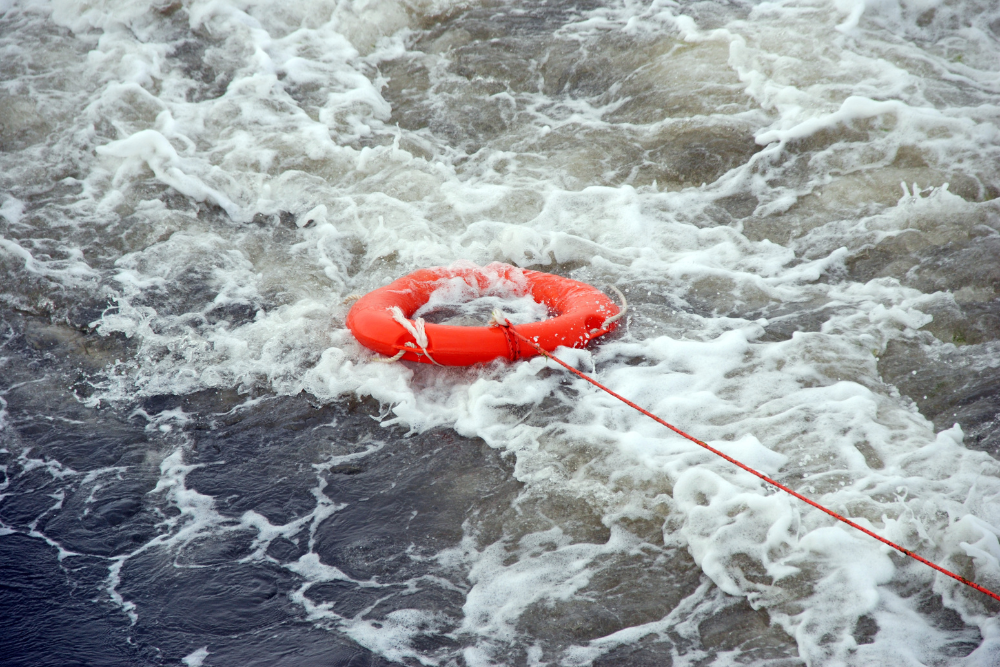
Upgrades & Consumables
In addition to equipment and safety gear, you’ll also want to give yourself a budget for things like boat upgrades and consumables. This budget might cover items like canvas, upholstery, trailer tires, prop replacement, batteries, and antifouling paint.
Depreciation
Keep in mind that generally speaking, boats depreciate in value, something you will want to factor into the long-term cost. The exception to this rule? Some classic designs and well-maintained models can hold value, but this is not something I would count on too heavily.
Other Tips and Considerations
There are a handful of other things you should know before going into the boat shopping experience. Here are my top boat-buying tips and the most important things I think every potential boat buyer should be aware of:
- Want simplicity? Smaller trailerable boats or pontoons require less systems and are cheaper to maintain. Trailering lets you avoid slip fees but adds effort, and it requires vehicle towing capacity.
- Want versatility? Bowrider or cuddy cabins can do family days and light overnighting. They are flexible but not specialized.
- Want rough-water capability? Expect higher purchase price, heavier hulls, and higher fuel use.
- Red flags when buying used: Leaks, soft spots in wood core, corrosion, dirty oil (sign of engine neglect), poor maintenance records, and mismatched wiring. A pre-purchase survey by a marine surveyor is worth the cost on large or expensive boats.
- Dealers vs. private sale: Dealers offer warranty and paperwork convenience; private sales can be cheaper but riskier. Always get a sea trial.
- Buy slightly larger: Go bigger than the “bare minimum” for the activities you want. A little extra space buys comfort and resale appeal.
- Consider late-model used boats: This allows you to avoid steep depreciation but still get modern features.
- Do maintenance yourself (if capable): Choosing to do boat maintenance yourself can save a lot. Just make sure to be realistic about skills and time.
Boat Shopping Checklist
Use this condensed checklist during your search:
- Define top 3 use-cases (e.g., family lake days, inshore fishing, weekend cruising).
- Pick the body of water and list any constraints (draft limits, no-wake zones, tidal issues).
- Choose 1–2 boat categories that match use-cases (pontoon, center-console, cuddy, trawler, sailboat, etc.).
- Decide trailerable vs. slip-based.
- Create a budget: purchase price + 1st-year ownership costs (insurance + storage + maintenance + fuel + registration).
- Research local marinas/dealers and ask about typical slip costs and local maintenance shops.
- Inspect and sea-trial — get a survey for boats over a threshold (commonly recommended for boats over ~$15k–$20K, or older vessels in general).
- Confirm insurance quotes and financing options.
Frequently Asked Questions
What are the main factors to consider when choosing a boat for your lifestyle?
The main factors to consider include where you will boat, your primary boating activities, whether you prefer to trailer or not, and what your budget is. If you can figure these things out, you will narrow your options considerably, making the shopping process a lot less overwhelming.
How does the body of water (lake vs. river vs. open ocean) affect the boat type you should choose?
Remember that the type of water you will be boating in should influence the type of hull and draft you’re looking for. Pontoons, bass boats, and small bow riders are best for calm lakes, rivers require something maneuverable with a shallow draft and durable hull, and the open ocean calls for a deep-V hull, stronger systems, and safety redundancy.
What budget and ownership costs should I account for when picking a boat?
Purchase price
Taxes and registration
Insurance
Maintenance and repairs
Safety gear
Upgrades
Fuel
Storage fees
Ready to buy your first boat? Hopefully this guide helped you make some sense of the world of boating so you can go into the boat buying experience with confidence!
2026 Winter Boat Storage 101: How to Protect Your Investment During the Off-Season
How to Keep Your RV Electrical System Reliable All Season
Boat Storage Guide: Prevent Damage and Refresh Your Interior