
Your Ultimate Guide to Safe RV Storage


Sadly the weather is getting colder, and unless you plan to head south for the winter, it’s time to start thinking about putting your RV away until the weather warms up again. This is probably our least favorite time of year, but storing your RV for winter is something that must be done, and in order to protect your investment, it really needs to be done right.
There are a number of things to think about when it comes to long term RV storage, and if you’ve never stored an RV before, you may be wondering what things you should be taking into consideration. This is where today’s article comes into play. Here we’ll include the most important things to keep in mind as you get your rig ready for the cold season.
Consider Security
First and foremost, you will want to make sure you store your RV in a secure spot. For some people, this is as simple as parking the RV in their driveway or on their land. However, we aren’t all fortunate enough to live on lots of land or in a neighborhood where RV parking is allowed. On top of that, many people don’t feel their neighborhood is a secure enough place to store an RV.
In these cases, the other option is to look for an RV storage facility. Fortunately, such storage places can be found in pretty much every town. When shopping for one, you will want to make sure it is either fenced in, or better yet, at an indoor storage place. A code or key should be required to enter the facility and security cameras should be plentiful. If you don’t see these things, keep looking for a more secure storage facility.
Reseal your RV
Once you have an idea of where you will store your rig, the next thing you’ll need to do is ensure it is well sealed and able to hold up to the winter elements. Get up on the roof and reseal all seams, adding a coat of roof sealant if necessary. Check the seals under the window frames. If they’re cracking, you might want to pull the windows and add a new strip of butyl tape, or at least put a bead of RV sealant around the edge of the frame.
The goal of this endeavor is to make sure the rig is 100% watertight. After all, you don’t want to pull the RV out in the spring and find a bunch of water damage.

Look for Cover
Another thing you can do to keep your RV safe and sound while it’s in storage? Look for cover! Keeping your RV covered will help prevent water damage, hail damage, wind damage, and sun fading.
If the rig will go in your yard, consider building an RV shelter of some sort. If you’ll be storing it at a facility, see if you can find one that offers covered or indoor storage spots. If none of those things are possible, a simple RV cover is better than nothing.
Change the Locks
Oddly, many RVs have the same locks as one another. What does this mean for you? Well, it means someone might have a key that matches your RV door or storage bays and could easily get into your RV to take whatever they please.
The best way to avoid this is, of course, to replace all of the locks. While this is a bit of a project, it isn’t anything the average person with tools can’t handle, and the end result is a much more secure RV that is less likely to attract thieves—a worthwhile investment, in our opinion.
Note: Our favorite RV lock replacement is the RVLock, which offers keyless entry. This is incredible when you have your hands full!
Remove Valuables
As you prepare your RV for its winter rest, you’ll want to go through the things you have stored inside it. Make sure you remove all valuables just in case you should have an “unexpected visitor.” This might include things like jewelry and electronics, as well as expensive RV accessories.
While you’re at it, make sure you grab anything and everything you may need at home during the winter months. This is especially important if your RV will be stored away from home, as driving to get things when you need them can be extremely annoying.
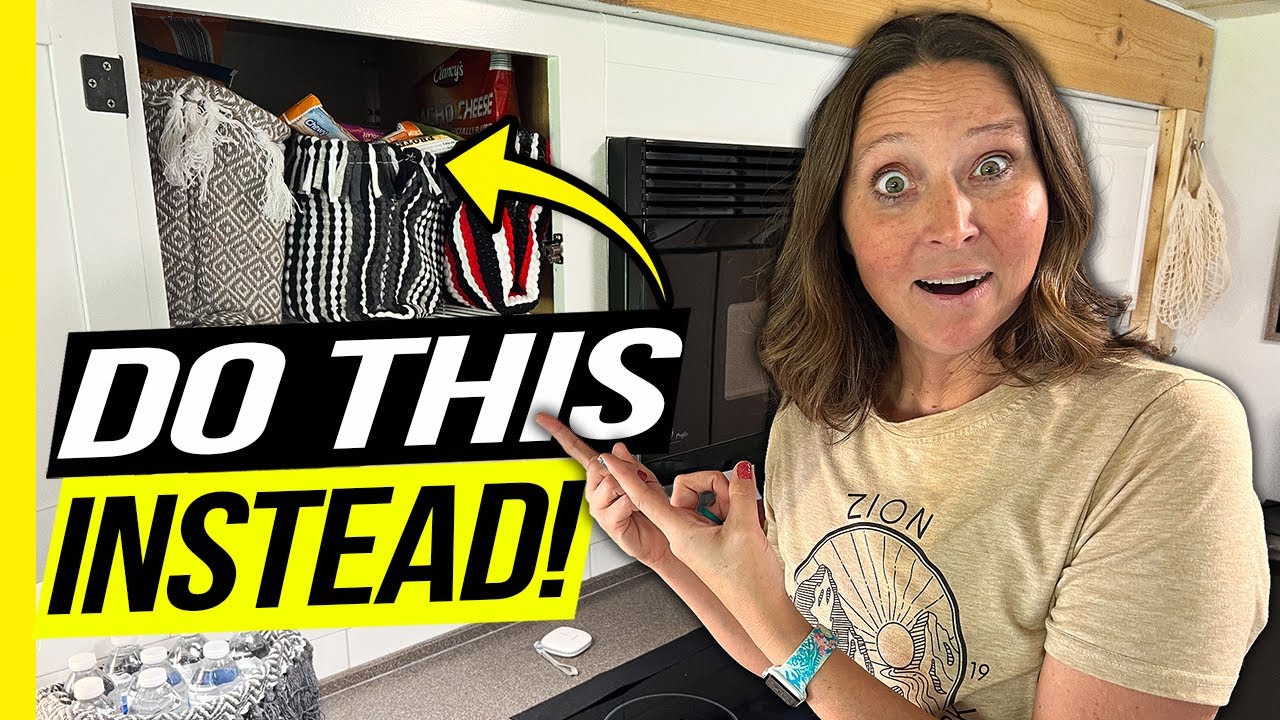
Take Out the Battery
Another thing you’ll want to remove from your RV before storing it? The battery (or batteries). Not only are these worth a decent amount of money and something a thief might want to snag (particularly if they’re stored on the outside of your rig), they will likely be run down completely as they sit, something that isn’t good for traditional flooded batteries.
The solution is to pull the battery and put it on a battery maintainer throughout the season. This will keep the battery charged and ready to go so that when the spring rolls around, you can put the battery back in and hit the road without worrying that the battery was damaged during storage.
Shut Off the Propane
You probably already know this, but we’re going to say it anyway because it’s important: You always, always want to shut off your propane supply before putting your RV into storage. Propane that is left on presents a fire hazard and is a danger to anyone who might be in or near your RV for long periods of time.
In addition to shutting off the propane supply, we also recommend checking the system for leaks by spraying the lines with soapy water and watching for bubbles. Of course, you’ll want to check all propane appliances to be sure they are shut off before storing as well.
RV Storage and Pests
Pests are never fun to deal with, but they can be especially troublesome when they decide to make themselves at home in your RV while you’re not looking. They can tear up insulation, water lines, and wiring, leaving you with a huge mess at best and an unusable rig at worst.
For this reason, you will definitely want to take steps to avoid pests before putting your RV in storage. Fill any possible entry points with steel wool (keep in mind, mice can squeeze through a hole the size of a dime). Remove all food, including canned food which can freeze and burst. You might also want to remove blankets and clothes from the rig, as mice like to use these as nests.
In addition to all of these things, we also recommend putting out a bucket mouse trap as well as some mouse repellent. These simple things can make a big difference when it comes to keeping pests away.

Winterize the Water System
A big part of getting any RV ready for the winter involves properly winterizing the water system. This is crucial because a water system that is not winterized could freeze, causing major damage to water lines, connection points, and tanks.
Luckily, winterizing an RV is pretty easy and the most popular method doesn’t really require any tools at all. Whether you choose to winterize with antifreeze or blow your lines out, you’ll be able to rest a little easier knowing your RV water system is safe while in storage.
Check on Your RV
Even if you take every single step mentioned above, you will still want to stop in and check on your rig on a regular basis. Go inside and look for signs of pests, watch for places where water is getting in, and make sure nobody has entered your rig without your permission. If you find pests or leaks, be sure to take care of those things right away, as both can become big problems very quickly.
There you have it, our top tips for storing your RV safely for the entire winter. As long as you choose your storage location wisely and take necessary steps to prepare the RV, your rig should stay perfectly safe and sound throughout the cold months. This is great because it means you’ll be able to pull the RV out of storage and go camping again as soon as the weather warms up, and you won’t have to worry about any problems that may have developed while the rig was in storage.
What are you waiting for? Start prepping your rig for a safe winter season today!

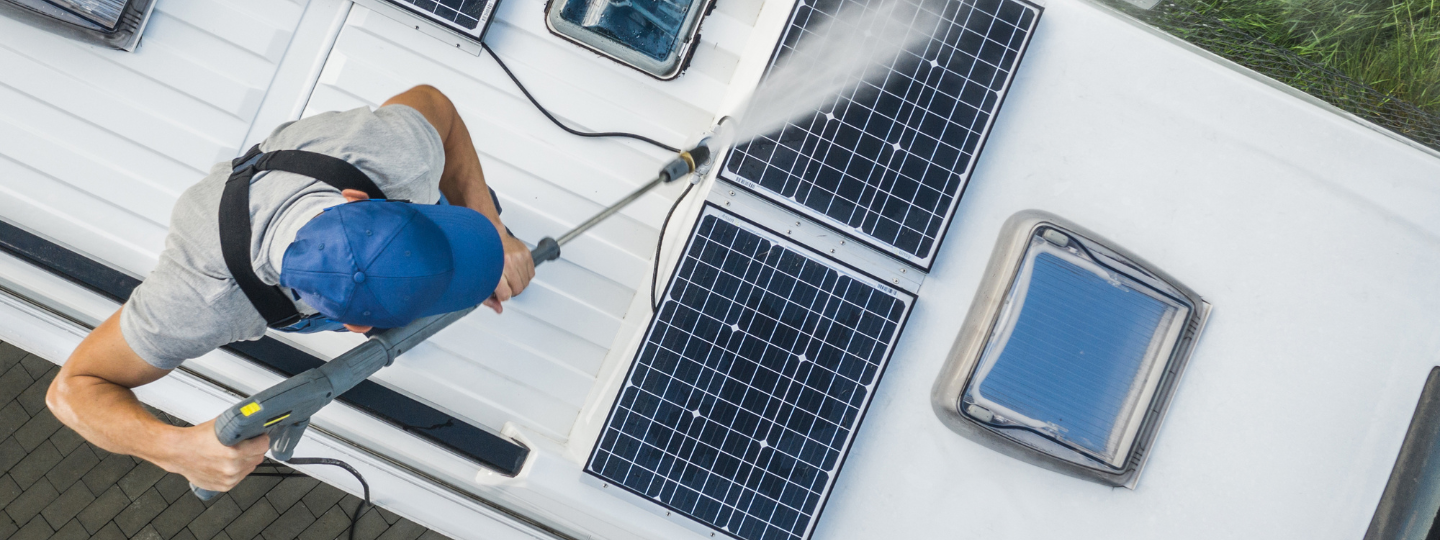
DIY RV Repairs: 5 Essential Skills Every RVer Should Have
5 Cold Weather RVing Hacks: Staying Cozy Without Breaking the Bank
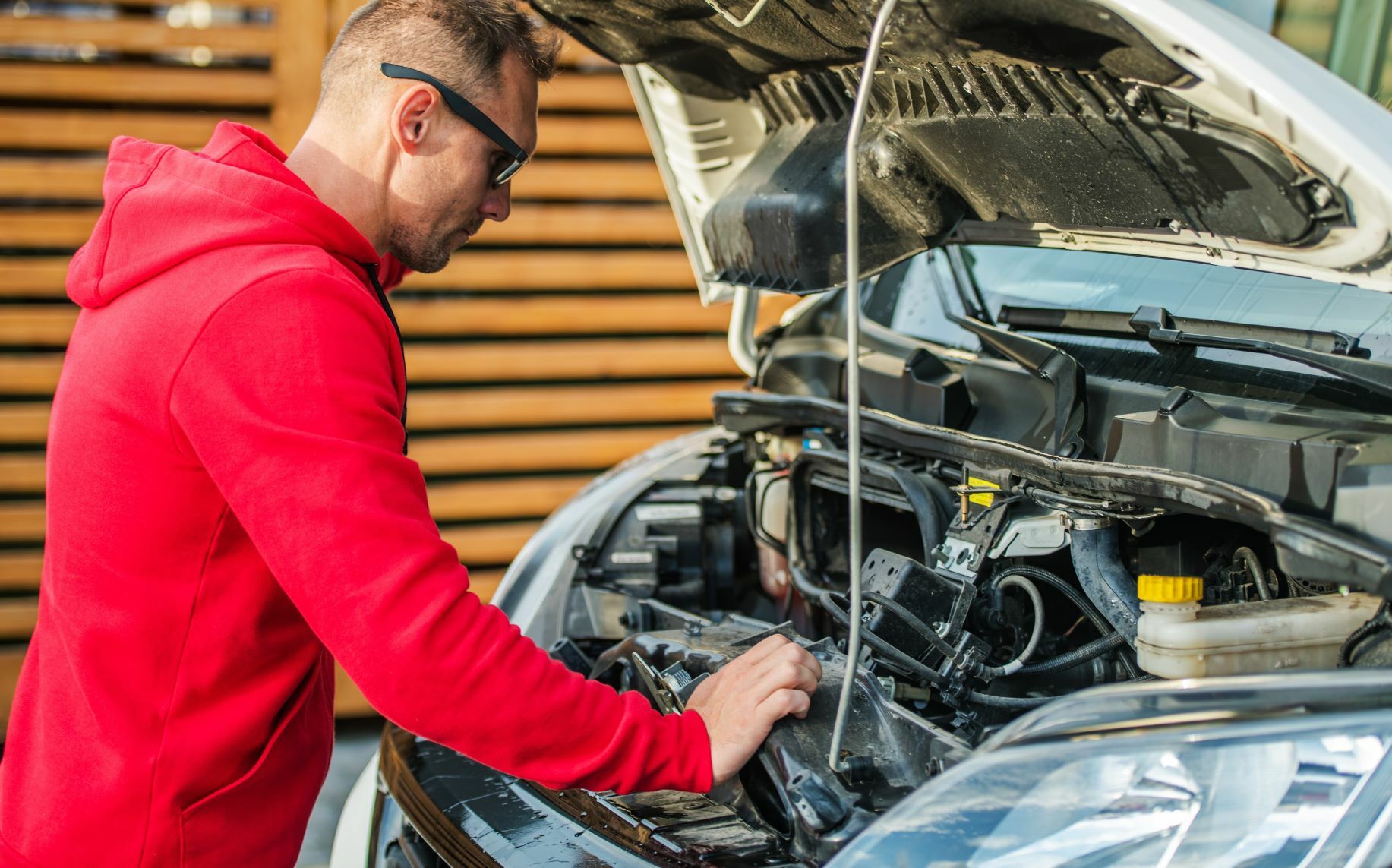
Secrets To Avoid RV Maintenance Problems