
Winter RVing Safety: Staying Prepared for the Unexpected
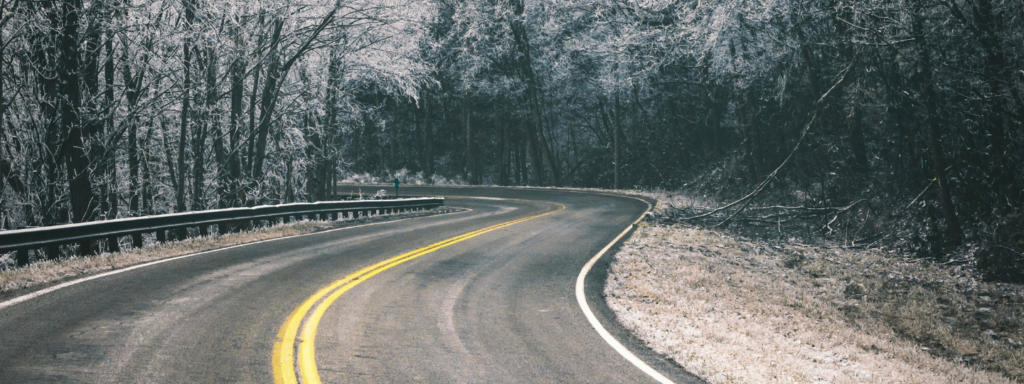

Winter RVing can be a super amazing thing. There are few things as magical as waking up to a motorhome covered in snow, and hiking in the winter silence is probably one of the most peaceful things on earth.
All that said, it is very important that you keep winter RVing safety in mind before you head out on any cold weather RV adventures. After all, you definitely want to make sure you are able to enjoy many more camping trips in the future!
In this article we will address the most important winter RVing safety tips. Use these to make sure you have a safe, warm, and comfortable camping trip this winter.
Drive Safe
The first thing you have to do during a winter RV trip? Get where you’re going, of course! This is a bit more challenging in winter weather, when the ground may be covered in ice and snow.
Fortunately, there are steps you can take to stay as safe as possible when driving to your campsite.
Pay Attention to the Weather Forecast
First and foremost, check the weather forecast. If precipitation is a possibility, consider rescheduling your trip. Driving an RV in ice or snow is never a good idea, and a winter storm could mean other problems once you’re parked in your campsite.
Check Your Tires
You should always check your tires before driving or towing an RV. That said, this becomes even more important in wintery weather.
Check the tread all around to be sure your tires have plenty of traction, and check the air pressure to make sure they are aired up properly. If tire chains are necessary in your area, make sure to use those as well.
Take It Slow
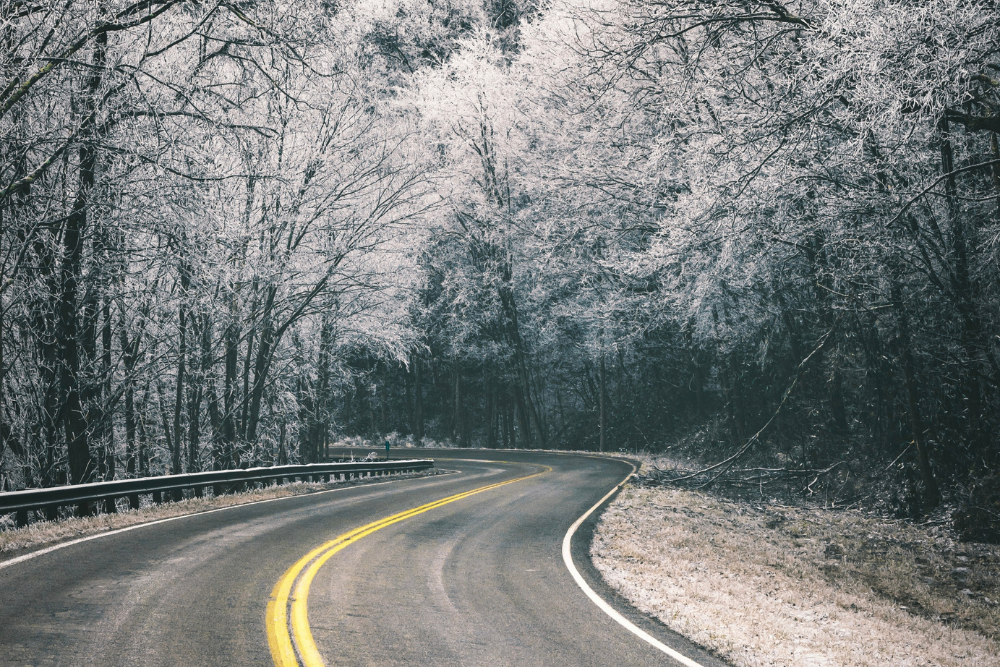
When there is potential for ice on the roads, it is best to avoid driving at all. If you must drive, it’s incredibly important that you drive slowly. Take your time getting where you’re going, and stick to driving in the daytime on roads that have been plowed and salted.
Leave Space
In addition to driving slower than usual, you will also want to make sure you leave plenty of space between yourself and the vehicle in front of you. Big rigs are hard to stop as it is; add in a patch of black ice and there is no way you’re going to stop quickly.
The more space you have to work with, the better.
Stay Warm
Once you arrive at your campsite, the next order of business will be to make sure you and your family are able to stay nice and warm in your RV. Obviously this makes your trip more comfortable, but it also makes it much safer.
RVs lose heat quickly, so making sure you have a way to maintain heat might just save you from suffering hypothermia overnight. Here are some ways to take care of that.
Keep the Propane Topped Up
Before you head to your campsite, top up the propane. Even if you usually use electric space heaters and don’t plan to use the RV furnace at all, it is good to give yourself the option.
Since RV furnaces eat through propane quickly, the more fuel you can carry, the better. Some people even choose to pack an extra cylinder of propane to be on the safe side.
Make Use of Space Heaters
Yes, you can use space heaters in your RV, and yes, we do recommend doing this in some cases. If your campsite fee includes electricity, space heaters will save you money since you won’t be paying any extra to run them, while you do have to pay for propane.
That said, you will want to make sure the heaters you use will shut off if they overheat or are tipped over. Also, never leave them on while you’re away.
It’s also good to note that many RVs are built so the furnace keeps the water tanks and lines warm. Space heaters will not do this job. If you have a “heated underbelly” and want to take advantage of this feature, it might be best to run the furnace on low and use the space heaters to supplement what the furnace puts out.
Pack Heated Blankets
Another good way to keep warm? Heated blankets. There are many different battery-operated heated blankets on the market these days, and they are absolutely wonderful to curl up under after a long day. They can supplement heat from the RV furnace or from space heaters and keep you toasty all night long.
Insulate Windows
As we said earlier, RVs unfortunately lose heat very quickly. You can help your rig retain heat longer by adding a layer of insulation to the single-pane windows.
Window film is helpful and still lets in light, but we’ve found that Reflectix is even more effective, so if you’re struggling with temperature management, you might consider giving up the sunlight for better insulation.
Consider Skirting
Another way to improve upon the insulation in your RV? RV skirting. Generally, this is best for those who plan to stay in one spot for a while, but the inflatable RV skirting options out there might work okay for short-term stays.
Skirting helps trap heat under the rig, meaning warmer floors and fewer issues with frozen water lines.
Winter Outdoor RVing Safety
Despite the colder weather, you will definitely want to get outside and enjoy nature while winter camping. There are certain steps you will want to take to stay safe while exploring the outdoors in cold weather. Use these tips and you should be good to go.
Dress Appropriately
In Norway there is a popular saying: “There’s no bad weather, only bad clothes.” We couldn’t agree more. You will make your time in the winter weather much more enjoyable by dressing appropriately.
Start with a snug-fitting polyester or wool base layer. Add a fleece or puffy jacket middle layer. Top it all off with a waterproof jacket and pants to keep water away from your skin. Obviously, hats, gloves, good socks, and boots are also necessary.
Stay Hydrated
Did you know that you’re more likely to become dehydrated in cold weather? This is because you don’t tend to feel as thirsty in colder weather, and therefore don’t think to drink water.
Avoid this issue by carrying a water bottle and drinking water throughout the day. You can also up your hydration game by warming up with hot broths and cocoa.

Use Sunscreen
Yes it is cold outside, but you can still get a sunburn just like you can in summer. In fact, if there is snow on the ground, it can reflect sunlight and make sunburn even more likely.
Make sure to slap on some sunscreen, even if it isn’t super hot outside.
Take a Buddy
No matter what you plan to do during your wintertime outdoor adventure, it’s a good idea to take a buddy along. This will ensure you have somebody to help in case of an emergency. It’s also a whole lot more fun!
Carry Emergency Supplies
It might seem like a huge pain in the neck, but you will want to carry some basic emergency supplies with you on your wintertime outdoor adventure.
Make sure you have plenty of food and water, a good first aid kit, an emergency shelter and blanket for keeping warm, a way to start a fire, and a satellite phone if at all possible.
Be Prepared
Keeping up with the weather forecast is a good idea when winter RVing. That said, sometimes a surprise winter storm can pop up. If you don’t have time to get home before it hits, you will want to be prepared.
Here’s what you can do to keep you and your travel party safe while you wait out the storm.
Communicate, Communicate, Communicate
Before you leave home, let a loved one know where you’re going and when you’ll be back. Ask them to alert authorities if you don’t return on time. Pack some way to stay in touch while you’re out, and keep in contact with people, making sure someone knows when you head out on a hike or other adventure and where you’re going.
Some options for staying in touch include a cell phone (which may not work everywhere), Starlink internet (will work anywhere with a clear view of the sky), and a satellite phone.
Make Sure You Have Water
We all know that water is essential. Make sure you have running water in your RV for the duration of your trip by filling your fresh water tank and using tank heaters or a heat lamp under the RV to keep the tank warm. At night or on especially cold days, open cabinet doors and aim space heaters toward pipes to prevent freezing.
As far as your waste tanks go, we recommend keeping both closed and keeping them warm with tank heaters or a heat lamp so they don’t freeze. If you are hooked up to the sewer and prefer to keep faucets dripping, go ahead and open your gray tank, but add heat tape to your sewer hose to keep it from freezing.
Have Food on Hand
In the case of a big snow storm, you may not be able to get out of the campground for a few days. Make sure you have plenty of food on hand in case this happens. We recommend buying more than you actually need for the trip before you leave home. Some people even keep a few emergency meals in their rig just in case.
Pack Extra Blankets
Heated blankets are great until charging becomes difficult because the power is out. For this reason, we also recommend packing lots and lots of regular blankets. These can be used to keep warm even if you can’t run space heaters due to lack of power.
Grab a Generator
As mentioned above, outages are a possibility during storms. For this reason, it is a good idea to keep a generator on hand for recharging the RV batteries. You may also want to invest in a pure sine wave inverter for running essential equipment while the power is out.
Carry Emergency Equipment
It is always, always a good idea to keep emergency equipment in your rig. Things like flashlights, a fire starter, extra drinking water and food, a first aid kit, basic tools, a shovel, and emergency blankets might just save your life one day!
As you can see, winter RVing safety doesn’t have to be complicated. With a few simple steps and some extra items packed into the RV, you can stay comfortable and safe even if the weather doesn’t want to cooperate during your trip.


RV Cooking: No-Oven Meals for Hot Summer Days

What Everyone ought to know about Boondocking!
RV Rewind: A Look Back at RVing in 2024