
Top 10 RV Budgeting Hacks


If you have spent very much time traveling, you already know that the expenses can add up fast! So what do you do if you’re on a budget but feeling a thirst for adventure? RVing might be the perfect solution for you. It provides many opportunities to save money that other forms of travel cannot. These are 10 straightforward budgeting hacks for RV trips.
Budget for Maintenance
A great way to start saving money as an RVer is to stay on top of maintenance. It’s important, as an owner, to know the state of your vehicle at all times. Fix leaks and damages right away, before they escalate. Plan for maintenance checks—whether you do them yourself or take your RV to a professional—and keep track of which things need to be checked. If it helps you, write down a physical checklist or make a note on your phone. Your tires, engine, batteries, and plumbing, among other things, need to be checked regularly and maintained.
While it may seem expensive (and time consuming) upfront, maintenance is actually very likely to save money in the long run. Keeping your recreational vehicle in good condition saves you expensive repairs later. And if you have a motorhome, keeping it maintained and in good condition is crucial to the safety of everyone riding in it! While the off season is a great time to do repairs, make sure you’re also keeping an eye on things while your RV is in use and while you’re getting ready to leave.
Outdoor Activities
Your itinerary will also affect your budget a lot. Remember that outdoor activities are usually cheaper or even free, while indoor attractions (or very popular outdoor parks!) are more likely to have high entrance fees.
Decide your budget before you leave, and before you make reservations or buy tickets to anything. If you’re trying to save money but want to get away in your RV, start looking into outdoor activities like hiking, biking, or kayaking. Going on picnics or taking walks with your travel buddies in local public parks can be a cheap but fun vacation. RVing might be a lot simpler than you think! If you travel with others, consider investing in some fun group games that everyone can enjoy without paying entrance fees.

Homemade Meals
Making your own meals instead of eating out is another great budgeting hack for RVers. Recreational vehicles are often equipped with a personal kitchen. Taking advantage of these amenities can be a big budget saver. If you want to try cooking in your RV on the road, set yourself up to succeed by meal planning beforehand. Most of the shopping and planning can happen before you leave.
This not only makes your vacation easier but will also give you a clearer idea of your budget before you leave, since you won’t be left guessing how much the food will cost at available restaurants. Remember, however, that mishaps and burnt dinners can always happen, and be prepared for additional shopping trips or pizza orders. RVing is an adventure, so budget a little for the unexpected!
Solar Panels
Solar panels are another upfront expense that might feel daunting but can lower your travel costs in the long run. Some RV parks measure your electricity usage to determine their electrical fees. If you stay at parks like this, any power you can get from solar panels would lessen your fees, even if the panels don’t provide all of the electricity you need for the whole trip. However, if you can convert to solar power completely, it will also give you more options (potentially cheaper ones!) by enabling you to camp in places where electrical hookups are not available at all.
As always, make sure you do your research before purchasing solar panels. Find the right type and size to fit well with your individual RV setup. There’s a diverse range of solar panels and recreational vehicles available!
Free or Cheaper Campsites
The places where you decide to park your RV and set up camp are also factors in your travel budget. Taking some time before you leave to research cheaper or free campgrounds can go a long way.
There are a number of memberships available to RVers that will help you find cheaper campsites or free places to park. Some clubs even give you discounts at participating locations if you become a member. If you RV multiple times a year, you might want to start looking into RVing clubs—the membership fees might pay off in the long run if they give you cheaper campgrounds.
But maybe you’re new to RVing and membership fees feel like too much of a commitment for a new hobby. Maybe you’re not able to get away on an RV trip very often. There are still ways for you to save on campgrounds! If you decide none of the clubs are for you, it’s still worth your time to find cheaper locations on your own. You just have to know what to look for! There are many affordable places to camp available on public land. Many state parks allow camping on certain grounds around them, making them great destinations while RVing on a budget.
Boondocking (Off the Grid!)
These cheap options don’t always have as many amenities as expensive campsites. If you want to save money while RVing, you might want to open up your options to places that don’t provide water and electricity. Camping on public land that is not a designated campground is referred to as dispersed camping or boondocking.
If you’ve only ever camped at places that provide water, electrical, and sewage hookups, boondocking might feel overwhelming. But there are many ways to accommodate your RV and your daily needs outside campgrounds. Find out the capacity of your RV’s water tanks and plan accordingly. Invest in a generator or consider getting those solar panels! You should also get a battery bank, to better store the electricity that they generate.
Solar panels do require less maintenance than generators and alleviate the cost of generator fuel. The downside is that they are slightly less reliable, since we don’t control when the sun is shining and sometimes can’t even predict it. However, solar panels can still be a great energy source with some extra precautions. Plan ahead, watch the weather, start trips with some power stored in a battery bank, and consider bringing a backup generator for emergencies. Start minimizing your electrical use as a habit, by turning off lights and appliances when possible, and only using what you need. As you gain experience boondocking, you’ll continue to figure out how to generate and conserve energy more effectively.
Travel During Slow Times
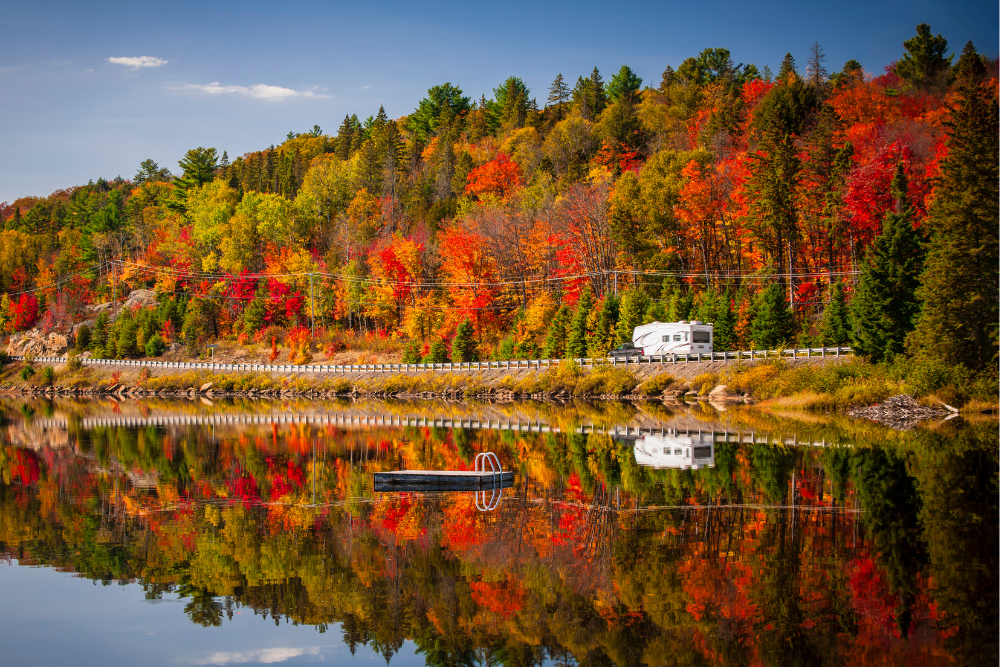
Looking for more easy ways to save money on campsites? Figure out when “peak season” occurs and plan your trip during the “off season.” Many places are cheaper during slow seasons because RV parks and campgrounds want business year-round. If you have a nontraditional schedule (like setting your own hours, working from home, doing school online, etc.), you can use that as an opportunity. You’re able to RV during the work week or other times when most travelers are working or in school.
Fall and winter are often the cheapest times to RV, since most people prefer camping during the summer. If you’re willing to tolerate some chillier weather, you can save a lot by camping at these times and still have a fantastic vacation. Bring some warmer clothes, and consider dressing in layers so you can adjust your outfit for unexpected weather. Research some cheap indoor options around your campground or RV park.
Borrow Gear
One of the most expensive parts of RVing is making sure you’re fitted out with all the gear you need to be away from home. Unfortunately, this expense is still there after the initial purchase of your vehicle. Do you feel like you “splurged” on the RV itself and it’s making you reluctant to spend more money on gear or accessories, even if they’re necessary? The good news is that there are ways to save money on this too! You can borrow a lot of accessories, from winter clothes to walking sticks to portable grills, if you know where to look. You have several options to consider here.
Family or Friends
If you know others who also love RVing, consider asking to borrow their gear. You could also make an agreement that you can both use each other’s gear, which will save you both money and get the most out of your purchases. This will work especially well if you tend to RV during different times of the year!
Clubs or Online Communities
Certain RV clubs or online communities organize opportunities for members to share gear with each other. Keep an eye out for these offers if you’re part of a club or want to join one. If there’s no sharing system set up in a certain club, consider organizing one or asking other members if they would be interested.
Rental Companies
Look for companies that rent out camping gear, either in your area or near your RVing destination. You can find useful options at camping rentals, even if they’re not RV specific.
Just remember that if you borrow gear, it’s important to take good care of it! Keep track of everything you borrow—from a friend, a stranger, or a rental company—and return them in good condition.
Share Expenses
Another great way to involve friends in your travels is to bring them along with you! Sharing the costs of RVing will make the trip more affordable for both of you. This works well with friends or family who want to travel around the same time of year as you, and are interested in seeing similar destinations.
Just make sure you work together well and both of you are prepared for joint ownership of the RV adventure! Traveling with others often means you have to find a compromise for the trip to work for everyone. Be prepared to be flexible as you make a plan together!
Track Expenses
Lastly, make sure you track all of the expenses of each RV trip. It’s very difficult to stick to a budget if you don’t know what you are actually spending. Awareness of your RVing costs might sound overly simple, but it is one of the most effective budgeting hacks out there! “Winging it” with purchases almost always results in spending more than you bargained for. Pick a budget thoughtfully and track all your expenses throughout each trip.
You can review these records later while you’re planning and budgeting for your next trip. There’s always room to grow your budgeting skills! RVing adapts itself perfectly to travelers on a budget, so you can save money without giving up travel and adventure.


RV Cooking: No-Oven Meals for Hot Summer Days
3 Tips for Roadschooling from Your RV

Our Top 12 RV Myths: Debunked!