
RV Photography 101: Capturing Stunning Shots on the Road

Just having awesome camera equipment is not enough for you to capture stunning photographic images. It takes many different skills and attributes to locate, compose, photograph, edit, and preserve stunning photographic images, not just great equipment. But a discussion about camera name brands and features is far beyond the scope of this article so if you’re seriously interested in pursuing a hobby or career in photography, please take your time to carefully analyze and compare all the various brands and accessories.
If you can’t afford to go all in with the most expensive equipment at the beginning of your photographic journey, be sure that the camera you select is compatible with more sophisticated accessories and upgrades, which you can always add to your photographic bag of tricks, later on. Besides equipment, here’s a short list of some of the other aspects of photography that you’re going to need to assimilate if stunning photographic images are your mission.
- Equipment
- Knowledge / Composition
- Patience / Pursuit
- Location
- Editing
Equipment
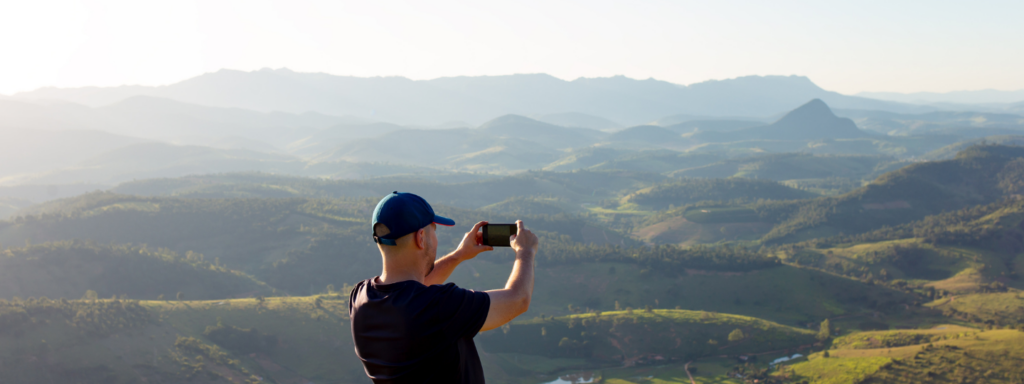
It’s incredibly convenient to have a 24 megapixel smart phone camera in your back pocket but it’s not going to produce the incredible award-winning photographic images you see online and in magazines. It is of course, incredibly convenient to have a camera constantly available in your pocket, and over the years the resolution of these smart phones has become so sophisticated that you actually can take amazing pictures with a smart phone, but it’s not the same as using a professional camera body, lenses, and filters.
On the downside, professional grade equipment quickly runs into some serious money and it’s not uncommon to spend over $1000 on just a simple camera body. In addition to this tool, you’ll also need a variety of lenses, filters, and SD storage devices. You may also need a tripod and shutter control mechanisms. You know you’re getting serious about photography when the lens on your camera body is longer than your outstretched arm.
When we were camping on Vancouver Island in Canada we encountered a professional photographer who had traveled from Saskatchewan to the island to photograph the ubiquitous wildlife in the area. He was walking across the RV park with a tripod slung over his shoulder. The camera body was mounted to the tripod, and the length of his telephoto zoom lens mounted to the camera was over 3 feet in length. When we spoke to him, he said the equipment was a necessary part of his profession, and he was just accustomed to always having it with him.
I thought a smart phone in your back pocket would be more convenient, but admittedly not nearly as efficient at photographing a breaching orca whale, or a bald eagle swooping down over the sound to pluck out a fresh salmon for dinner. As mentioned above, professional grade photography equipment can quickly run into many thousands of dollars, so getting into photography is a financial commitment not to be taken lightly.
Knowledge / Composition
An even more pressing issue than the type of equipment you have is your understanding of how to use all the features of your equipment. When you see stunning photographs in magazines or online, you can assume that the photographer didn’t just snap one or two pictures in order to obtain that stellar image. They probably took hundreds, if not thousands of pictures. I read that National Geographic photographers often take over 10,000 pictures before they get the dozen or so photographs needed for an NG article.

To take great pictures, you need to be aware of the light, its source, angle, glare, and the overall composition of the image. If it’s an action shot like a black bear turning over stones along the beach, looking for sea life, a single shot is probably not going to produce the best possible results. In a situation like that, you may need to put the camera in burst mode and take multiple repetitive shots of the same subject and then later, during editing, you can pick out the best images. To maximize the best light and composition you will also need to have a deep understanding of filters and lens speed.
The best way to get this information is to take some photography classes so that you are familiar with your equipment and the general theories of photography. It also takes a bit of creativity and natural artistic ability to recognize the drama and impact of the subject matter within the photographic frame. The more time you spend behind the lens, the better you will be at recognizing stunning, powerful, compositional elements. Additionally, the better you are at composing a great shot while taking the picture the less time you’ll need to spend editing it by removing undesirable elements (power lines, passing cars, tourists) or enhancing the color and contrast in the image.
Patience / Pursuit
Having your camera ready to go at all times is a great plan, like the professional Canadian photographer on Vancouver Island. He had his camera and lens mounted to his tripod and I believe he kept it that way, at his campsite, all the time. But you need more than readily accessible equipment. To get stunning photographs you are probably going to need to plan ahead and go to the places where you’re most likely to capture great images and do that at a time when it’s likely your subject matter will be available.
It isn’t an accident that an award-winning photograph includes an early morning mist hanging over a motionless reflective body of water where water skippers and loons are peacefully resting on the surface. That shot didn’t happen by accident. Getting up before dawn to capture the best light is part of a great photographer’s skill set, staying late, standing in cold and uncomfortable places in inclement weather, and waiting patiently for your subject matter to appear are skills of a great photographer.
You could be following a pod of orca whales, casually watching them swimming and interacting for hours before one of them decides to leap into the air in a sudden and awe inspiring display of strength and agility. The question is, will you be ready to capture that stunning image? It may only last a few seconds, and then it’s gone.
The more time you spend in the environment that you want to photograph the more likely it will be that you’ll come away with amazing shots. You may also have to spend significant amounts of time scouting where you are most likely to find the best and most memorable images. This is an active, not a passive pursuit, and the best photographers spend their large amounts of time looking for out-of-the-way photographic opportunities. Bears and eagles and moose don’t eat on a convenient schedule for humans. They have their own biorhythms, and as a photographer, you need to be in sync with their natural predilections.
Location
We’ve all seen amazing photographs of the aurora borealis. Those images didn’t just happen. People had to travel to a location where those stunning magnetic aerial anomalies could be seen and photographed. The location needed to be far enough away from interfering light sources and other composition destroying distractions. The equipment had to be just right to capture the low-light night shots, and it might involve multiple time lapse images and an immense amount of patience to capture the dazzling light show.
If you want to take pictures of wildlife, you need to go where they hang out and when they are most likely to be seen. That may involve tramping through harsh and rugged terrain carrying heavy and awkward photographic equipment. It may involve swarms of insects and hostile surroundings. And it might be a good idea to pack a lunch and take extra water because you could be onsite for many extended hours if you’re committed to capturing the best shots.
We’ve all seen grizzly bears picking salmon out of the falls in Alaska, but you have to think about what each photographer went through in order to capture those images. Not only are those animals only available in extremely remote areas, they are not readily accessible to tourists, therefore, if this is part of your repertoire and you’re sold out to the idea of capturing truly unique photographic images, be prepared to travel and to spend countless hours in inhospitable terrain.
Editing
Once the fieldwork is done your photographic journey is still not complete. There is a whole in-studio process needed to complete the work. It consists of reviewing, editing, selecting, and publishing your field work. The more care you take in the field in regard to light, filters, and composition the less time you’ll need to spend in the lab working on editing the final images. It’s a balancing act. You could spend so much time in the field trying to perfect a shot that you miss it all together, when you could take that same image back to your studio and remove any distractions from the image.
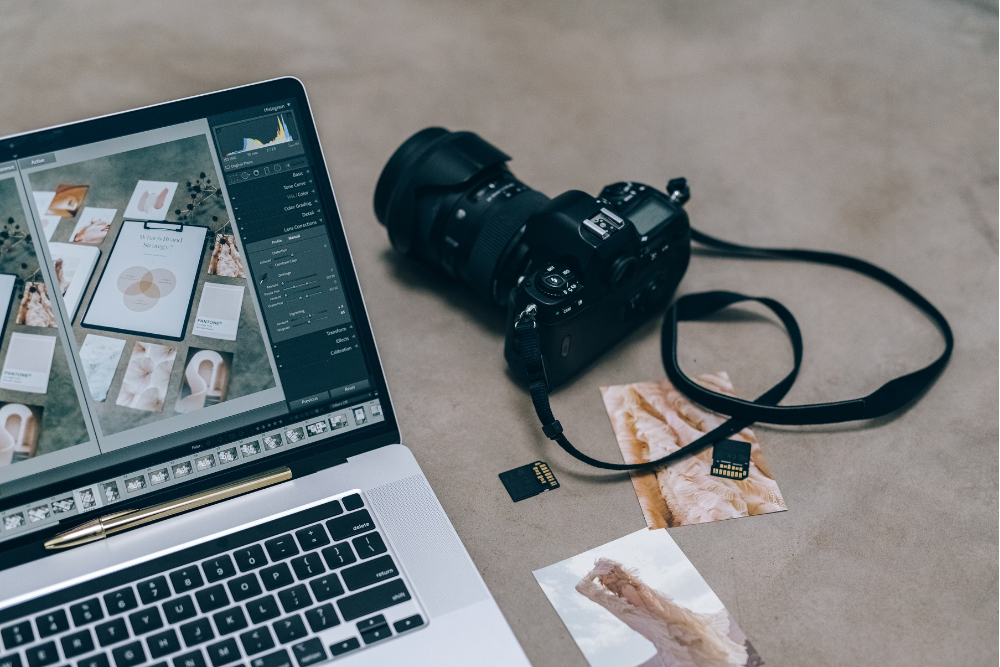
On the flipside, you could be so cavalier in the field, that you don’t care about the composition and later in the studio, you just can’t bring that image to perfection. All good photographers understand this balance and intuitively know how to capture compelling images, and then to enhance them to their perfect status
Summary
In order to master RV photography and capture stunning shots on the road you need several things; excellent equipment, a firm understanding of the operation of all your equipment, as well as a deep general understanding of photographic theory, and you’ll need the patience of a saint to be able to capture all the truly stunning and lasting images you seek. But would it be worth it to stand ankle deep in a swamp surrounded by biting insects to see and capture the first steps of a pair of newborn Alaska moose fawns? Our Canadian friend seems to think so. He’s been doing just that for decades.
Best Off-Season RV Destinations to Beat the Crowds

Do I Need to Winterize My RV? 2025 RV Off-Season Tips

Our Top 10 Full-Time RV Life Hacks