
The Ultimate Guide to an RV Emergency Travel Plan


Spring has arrived and with that, RVers across the nation have the same theme song rolling through their brains: ‘On the Road Again’. That’s right; time to take the rigs out of storage, clean ‘em up and get them back out on the open road where they belong.
Planning trips for the year can be exciting, but one planning topic of necessity isn’t as fun. Preparing for an RV emergency while away from home isn’t glamourous and no one wants to think about the possibility of an accident, severe weather or other sort of emergency.
The old adage is still true: an ounce of prevention is worth a pound of cure. Put a bit of time and money aside for prep and preparedness and then travel with the peace of mind to know you are covered in case of an accident and ready for the unthinkable.
RV Emergency Preparedness Tips
Creating an RV emergency contingency plan is an important part of the journey. Knowing what to do in case of driving into a storm, or being involved in/witnessing an accident is part of being a responsible RVer. Being prepared to deal with a potential accident or situation will not only make you prepared in case of a situation arising, but it will give you peace of mind while traveling.
Here’s a list of some steps to take to be fully prepared for whatever life might throw at you:
- First things first-make a plan. If traveling with kids, teach them ways to exit an RV quickly in case of a fire, similar to how you taught them exit routes at your family home. Come up with a plan for a medical emergency, a fire, or natural disaster such as a flood or earthquake.

RV Emergency Kit Essentials
While this might be a more expensive mission than we’d like, but if an RV emergency rears its ugly head, the expense will turn out to be priceless. Many travel with a first aid kit, which should always be on hand. Here’s some other safety items to travel with just in case they might be needed.
- Cash
- Roadside Flashers/traffic triangles-let drivers know in plenty of time you’re stationary.
- Reflective vest-keep yourself visible as well when outside your rig.
- Weather Radio
- A tool kit: flashlight, electrical tape, duct tape, wrenches, screwdrivers, etc.
- Battery Jump Box- no need for a tow truck to jump that dead battery. Consider a portable power pack: a handy device that fits in the palm of your hand. Jump start the RV, air up a low tire, use the built-in flashlight and charge a few USB devices.
- Solar-powered phone charger/ power bank – either of these will help ensure you are never without a properly-powered phone.
- Portable generator
- Fire extinguisher
- Compass (not the phone app type)
- At least three gallons of drinking water
- Snake bite kit
- Blankets or sleeping bags
- Spare tire jack
- Enough dry food, fruit or candy for two days
Download our free RV Safety Checklist:
‘Old School’ Materials
Technology is obviously a wonderful thing and provides so many contact numbers, how-to repair videos and driving directions within a variety of apps on the phone. The ‘old way’ of living, prior to phones can also still come in handy. Printed books can’t be blocked from view because of a storm, outage area, or etc.
When technology fails and Google Maps can’t calculate your location correctly, it’s good to be prepared. Prior to leaving, consider printing out the driving directions for your destination. This will allow for just a minor inconvenience, as opposed to being lost for a bit while your phone is on the fritz. Storing a state map or a nation’s atlas is also recommended.
Whether you know the exact campground you are traveling towards, or you just want to play it by ear, keeping some campground guides on hand can also come in handy. Most offer turn-by-turn directions from the interstate exit. Also, if you are running late or need to contact them, the phone number is listed for your convenience.
Another important old school product to keep in the RV is the owner manual and user guide. In case of a problem with something under the hood or an interior appliance, directions for troubleshooting and a phone number for assistance will likely be included.
One last suggestion from the pre-cell phone era: keep a small notebook on hand that includes family phone numbers, roadside assistance number, insurance company (along with policy number), etc. In an RV emergency, recalling numbers from your memory might not work so well under pressure.

Insurance
This likely doesn’t even need to be included, but take a minute to ensure your insurance policy is up to date. Review any options for roadside assistance and take note of contact information. Instead of paying monthly, perhaps consider paying annually, during the springtime. This is the time most are getting back into the habit of traveling and it would be easier to remember.
Roadside Assistance
There’s a few options for peace of mind that comes from having roadside assistance. Companies such as Good Sam, FMCA, and AARP offer reasonably priced annual premiums for roadside assistance. When choosing a company that fits your needs, consider a package that also include medical emergency assistance.
Pre-Trip Checklist
This section covers what many RVers do every spring and again at the onset of winter. Going over everything with a fine-tooth comb to make sure everything’s on the up-and-up.
- Run checks on smoke detectors/carbon monoxide. Purchase a backup 9V battery to have on hand.
- Check the inside and exterior lights to ensure all are in proper working condition. Carry spare bulbs with you.
- Standard activities, such as oil change, fluids filled and/or topped off
- Check all parts of hydraulic brakes: pads, rotors/linings, drums
- Test the battery (consider carrying a spare, especially if original has been used awhile)
- Ensure spare tires are properly aired up.
- Check and replace filters on air brakes (have a spare on hand)
- Check belts and replace as needed. (again, carrying a spare can be handy)
- Make sure the a/c is still running cold
- Check tires for tread wear and ensure they are properly aligned
Weather Situation Tips
A scanner or weather radio will be a good product to have on hand while traveling. Also, prior to arriving, checking out the weather app or news broadcast of the locations passing through and staying at is a good idea. Severe weather can pop up quickly (minus hurricanes, as they come with plenty of notice) and knowing what you might be driving into is important. Having time to reroute a route or choosing a new destination at the last minute is possible when you stay ‘in the know’.
If you are already set up at a location, and a form of severe weather happens, here are some tips for weathering the storm.
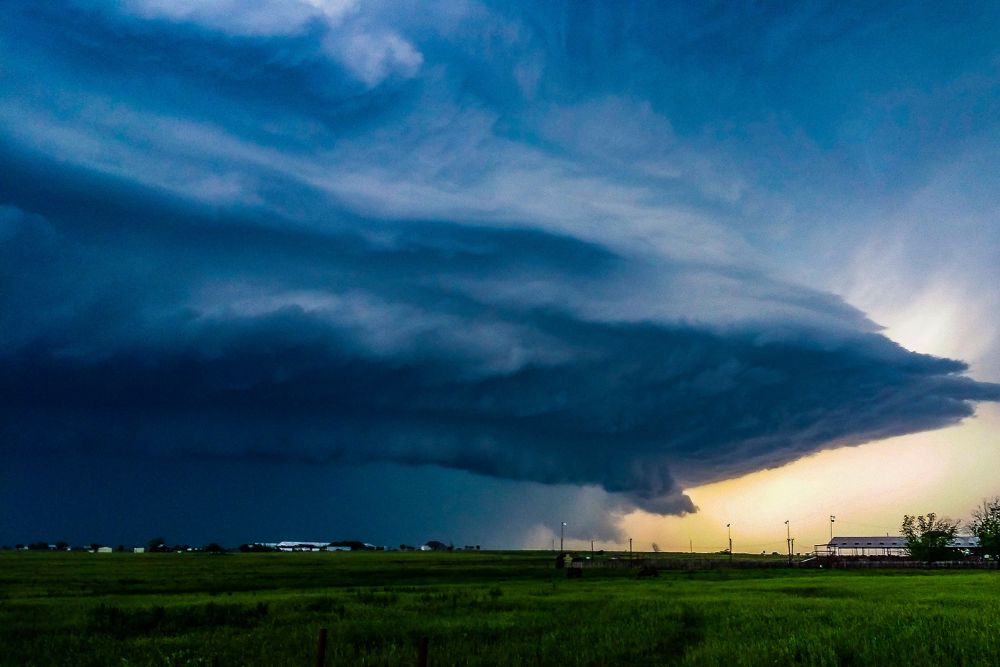
Thunderstorms/Strong Winds
With this sort of severe weather, to vacate or reroute isn’t as mandatory. There are some steps to take to ensure the least amount of damage.
- If possible, situate the RV with the nose pointing towards the direction of the wind. This will help ensure less side-to-side rocking and will reduce the possibility of the RV being flipped over from a strong gust of wind.
- Pull in awning, and securely close it.
- While it will mean a bit of close corners for a bit, be sure to pull in all the slides.
- Bring in or secure all loose items, such as the outdoor furniture, patio rugs, and anything else that could be lost or cause damage to your rig or the neighbors’ RVs.
- If lightning is nearby, or strong winds might cause damage to power lines, it is recommended to disconnect from any electrical hookups. This will protect from surges that could cause a variety of damages to your rig.
Tornado
If you are on the road when a tornado watch has been issued for the area you are driving through, finding a truck stop or RV-friendly parking lot is suggested. Spend the down time with a movie or a board game with the kids. If you are already at an RV park when a tornado watch is issued, follow the guidelines for the thunderstorm, ensuring your rig is as protected as possible.
Being stationary during a tornado watch will ensure a quick evacuation if the threat is upgraded to a tornado warning. Having a ‘to-go’ bag ready that consists of wallets, phones, phone number notebook, medications, and any stored-away cash is a great idea. Leave it by the door so you can grab it on the way out of the rig.
Whether you are in a parking lot, truck stop, or RV Park, depart the RV and head to a bath house, club house, store, or RV office to ride out the storm.
Now that some safety concerns, travel plan suggestions and RV emergency situations have been outlined, you probably can’t wait to get on the road again. Get those maps out, plan a great outing and rest assured that you are prepared for the good and the bad.


10 Reasons You Will Love RVing in the Fall

What Everyone Ought To Know About RVing!

Top 8 Activities to Do When RVing with Kids