
Be Prepared: 10 Things to Consider when Planning out your RV Journey
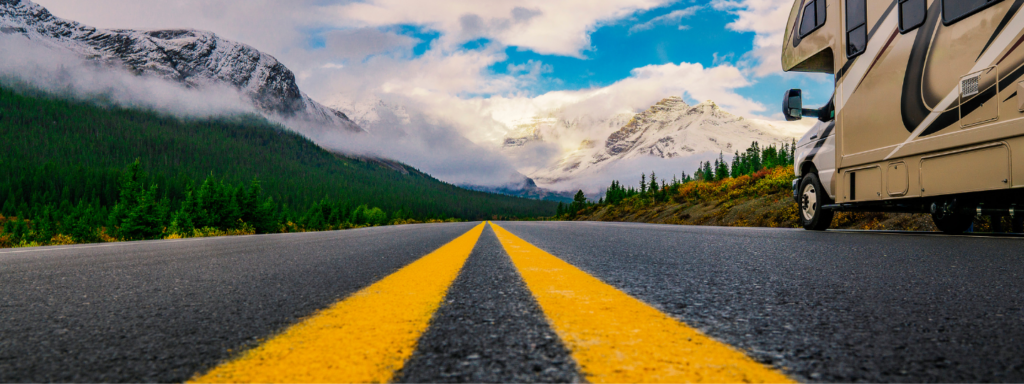

The Boy and Girl Scout motto is “Be Prepared”. Dig deep into childhood lessons when it comes to planning out your RV journey. Whether you were a member of the scouts or not you learned that having a little knowledge and the right tools on a subject in advance could help you avoid dangers and mistakes. So, what tools should you have on hand and what should you know as you plan your getaway?
It can be difficult to plan a journey. Every RVer has different ideas on what makes the ideal trip. Usually, all the focus is on the destination and what you will do when you get there. I won’t touch on the plans for your destination experience here. What I will cover is the things that tend to be overlooked.
RV Travel Time
Most RVers will plan everything about their stay, maybe even over-plan. But it is the road trip that can turn it into a bad journey versus making it a part of the experience. Here are a few tips and tools to make the trip there a whole lot better.
Traffic
If possible, consider the days you are going to travel. If you have a short window, you may not have flexibility. You should opt for weekday travel if you are inexperienced with your RV and may need emergency assistance or service. You may find most businesses closed on weekends. But if you travel through major cities, opting for a weekend with less traffic might be a better choice.
Tires
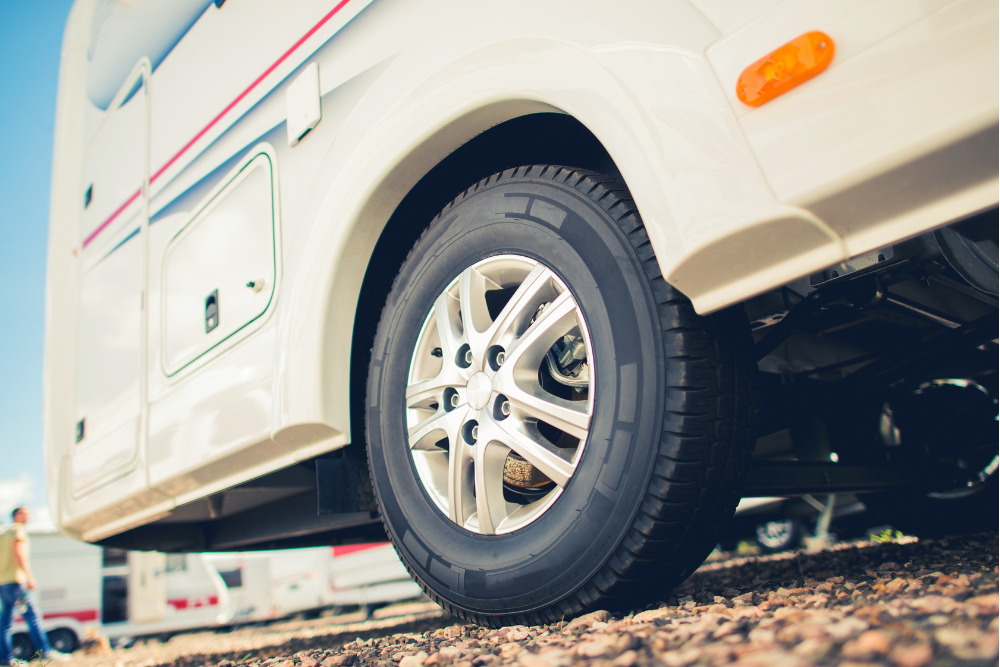
Check your tires! Blowouts on the road can delay trip plans for 2-3 hours or longer. (Even if you change the tire yourself.) Getting a rig to safety on a lame tire is difficult and slow. Sometimes getting to a spare is challenging. Give your tires a review or take them in to be checked. Air them up to the right pressure the night before so you can see if there are any changes.
Follow the 3-3-3 Rule
If you have not heard of this RV rule yet, it is simple. Do not plan to drive more than three hours per day or 300 miles per day and plan to arrive at your destination no later than 3 pm. Arriving after dark at a camping area introduces many types of potential dangers. You also want to allow yourself a few hours for emergency issues without darkness setting in.
RV Stop Checklist
You should have some planned stops along your route. Even if it is only a couple of hours, it is a good idea to arrive rested. This is also a good time to do a check on your RV. You can find a list online or you can create a list of items to check at these brief stops. Some items you may want to include are tires, anything you have strapped down, doors that may be open or ajar, doors that are not locked, jacks are still up, awnings in place, things haven’t vibrated loose, nothing is slipping out or going sideways and nothing is hanging down that shouldn’t be.
RV GPS & Google Earth
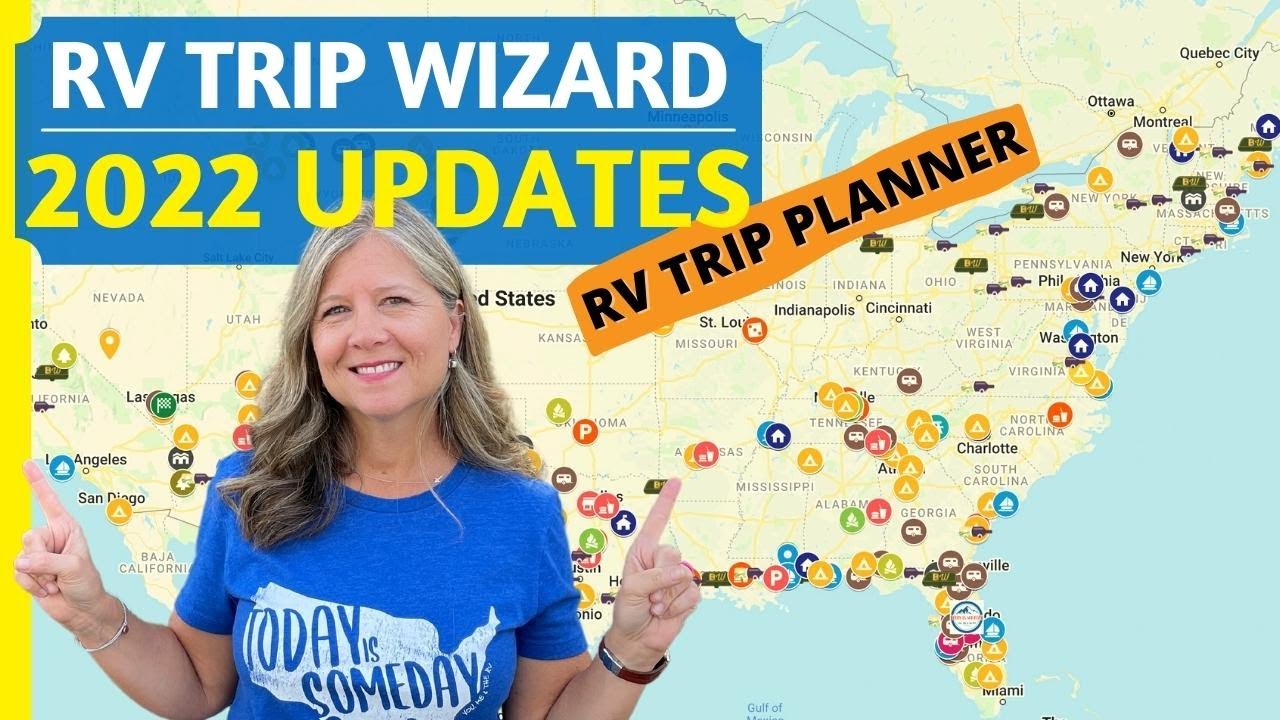
There are GPS systems out there specifically for RVs. You put in your rig height, weight, length, etc., and your route. It will help you avoid bridges with weight limits not suited for your rig. It will also help you avoid going down roads with low bridges, so you don’t take the top or air conditioner off your rig! And there is also Google Earth.
Google Earth is helpful to view the entrance into camping areas so you know if your rig can do it. And you can look over areas to help you avoid turnarounds or backing up to get into the right spots. These are great apps and maps to keep available. And I also recommend keeping a paper map with you. You never know when your tech systems will decide not to be there as backup. You don’t want to get stuck without being able to get out.
Plan for Fuel and Food Stops
Depending on the size of your rig, you may not be able to pull into any fuel station or restaurant you want. You also may require diesel, which may not be available at all stations. Use an app to find the right stops for your rig. The same goes for meals. You may not be able to stop at a restaurant. Plan your meals and/or stops according to your rig size and what works for you along your route. Remember – try and make these stops a part of the experience and not just something to get out of the way.
RV Arrival Time
There is a tiny window after you complete your RV drive time and before you explore your destination. This is also a time frame that gets little focus but should be the center of your attention for at least a critical half hour. Getting set up on arrival. Here are some things you should already know before you arrive if possible.
Entering Camp
Ah, you have arrived at your destination! Don’t just hop right into activities. You will need to do some research on the campground or the site where you will camp. Whether you are a van size or a large rig, you need to make sure the turns into the campground are accessible. Are there overhanging trees?
Are there rocks, posts, or other objects that will make it difficult for you to get into the site? (Great reasons you don’t want to arrive at night.) If you can look up visuals ahead of time that will save you backing yourself into a corner, all the easier. If you will be staying at a campground, where is the registration desk? If you are boondocking, what spots are viable for your rig size?
What Type of Camping
Will you have full hookups at a campground? Will you be staying on Bureau of Land Management vistas? Make sure you have confirmed the rules, permits, limitations, and payment processes for each camping area. Some will limit you to 14 days. Others will allow you to stay by month but pay extra for electricity. You may not be able to bring large toys with you like motorcycles, golf carts, etc.
Other camping sites may require you to be fully self-contained (meaning you don’t require a toilet or shower apart from your rig). Once you have all this information down, there will be different items you do and don’t bring with you to round out your camping experience. This will help you plan for an easy arrival.

Area Resources
Find out what services are near your camping area. Knowing this in advance will save valuable vacation time. Know what grocery stores are available for supplies. What if you have an emergency? Have a route planned to the nearest medical center. If you have prescriptions, know where you can get refills. Depending on if you are boondocking or have full hookups, you may need to know where dump stations are, where to dispose of waste, and how to get water refills. Put together a mental general map of the area so you can meet any need.
Weather
One of the most helpful things to plan for is the weather. Packing clothing for specific weather that you can also layer is great. It takes up less room in your RV if everything is versatile. And you are still prepared for unexpected weather changes. Learn about the location you are in – what weather should you expect? Flash floods? Tornados? Strong winds? And where do you go when that happens? What extra supplies might you need, like straps to hold items down? Do you have alternate bad weather day activities you can do?
It just takes a little prep work. You are well on your way to having a great RV experience now. Your adventures will be planned adventures and not unexpected scary events. And if you have a little extra time thanks to all your planning…the Girl and Boy Scout slogan is “Do a good turn Daily”. You might even take your RV trip plans a step further and add time to help another RVer without expecting anything in return. It just makes all our journeys a bit more of a great experience and not just a trip full of life lessons.


RV Travel: 7 Tips to Maximize your Experience
RV Travel Budgeting for 2025 Spring and Summer

10 Reasons You Will Love RVing in the Fall