
RV Tires: 8 Things to Know before Purchasing

Whether it’s on a permanent basis or just for the occasional road trip, life in an RV can be glamorous and rewarding. Of course, those glamourous rewards don’t come free. They are earned by proper maintenance and upkeep. Likely one of the most important maintenance tasks is tire upkeep and replacement.
There’s a lot to know before purchasing replacement RV tires. Knowing the load capacity, ideal tire pressure, and an appropriate tread pattern are great places to start. To keep on rolling smoothly trip after trip, keep these X tips in mind when shopping for RV tires.
Size Matters
When it comes to RV tires, size really does matter. Knowing what size tires your rig requires, along with the specific load rating is most important. Matching tires that coordinate with your RV’s load requirements and tire size is imperative. If you haven’t purchased tires for your RV before, the owner’s manual will state which size is needed. Additionally, the correct tire size and load rating is on the sidewall of tires.
If you bought an RV in used condition, don’t assume the tires provided are the correct size. Trust the manufacturer’s recommendations. In addition to finding the information in the owner’s manual and tire walls, there is usually a placard or a sticker near the door or the VIN that shares the carry capabilities and size dimensions.
Using tires that are larger than needed could increase the fuel costs with decreasing mileage. On the flip side, tires that are too small for your rig could not only increase fuel expense but could also cause a blowout.
Class Matters
There are different tire styles that are based on your motorhome class: Class A, B, or C. Additionally, manufacturers use the RV’s gross vehicle weight rating (GVWR) to suggest the correct tire for your specific RV. If you aren’t sure what the GVWR is, consider stopping by a truck stop and have the RV weighed on a CAT scale.
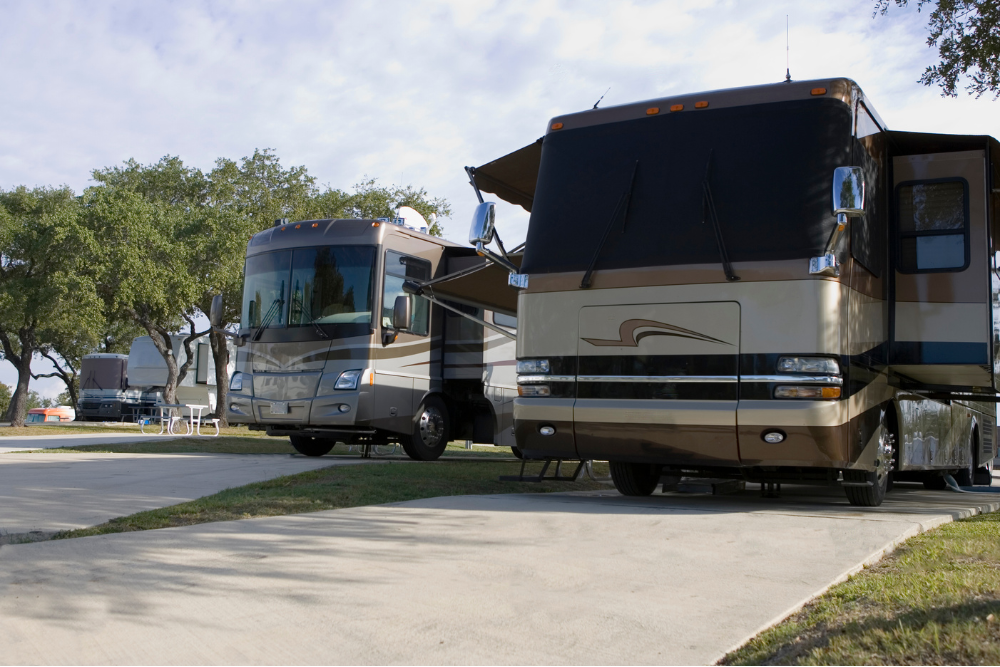
Class A Motorhome Tires
This group covers the largest RVs. Class A motorhome tires are the biggest RV tires on the market. A few details include:
- Supportive of 15,000-30,000 pounds of weight
- Appropriate for RVs up to 40 feet in length
- Cover motorhomes built upon bus chassis
Class B Motorhome Tires
Ideal for RVs that transport fewer people, these tires:
- Carry loads between 6,000-8,000 pounds
- Include recommendations for motorhomes reaching between 17 to 19 feet in length
- Are the smallest tires of the three classes of motorhome tires (yes, smaller than C class)
Class C Motorhome Tires
This last group of motorhome tires are larger in size than the Class B motorhome tires. Additionally, they:
- Support at least 10,000 pounds, up to 12,000 pounds of weight
- Typically work on RVs and motorhomes that are between 20 and 30 feet long
Weight Matters
You might be wondering where and how the weight guidelines are set. That is from the RV Industry Association (RVIA). The RVIA is responsible for setting tire standards, and each rig for sale should have an oval seal that lists the RVIA rating. This seal indicates whether or not the vehicle complies with all safety requirements: heating, plumbing, fire and life.
In regard to tires, the RVIA seal lists ratings and weights required for each specific model. Some basic terms to learn to understand the weight limit of RV tires include:
- GCWR-Gross Vehicle Weight. This is the actual weight of the rig when fully loaded
- UVW-Unloaded Vehicle Weight. This is the weight after production
- CCC-Cargo Carrying Capacity. This is the sum of GCWR minus UVW
- TW-Tongue Weight. The weight of load upon the trailer hitch
Names Matter
When you are ready to purchase new RV tires, consider choosing from this list of industry leading brands. According to feedback and reviews left on the Tires Easy Truck website, three brands of tires rated high: Goodyear, Toyo, and Continental.
Goodyear
Goodyear Endurance RSE ULT Tires currently holds the top spot via the website’s listing with an easy score review of 9.9 (superb).
Positive attributes about this tire include the ability to carry heavy loads found with travel trailers. Toy haulers and fifth wheels are other popular candidates for this tire. Additionally, votes found this tire:
- Features strong sidewalls, improving stability and decreasing the risk of damage to the sidewall.
- Constructed with reinforced tread compounds that provide long-lasting performances and is able to better resist wear due to the reinforced tread compound and durable makeup.
- Are manufactured with better traction and grip for all variations of weather. These RV tires provide confidence while braking and maneuvering on either wet or dry roads.
Continental
A mere point below Goodyear, the Continental HSR2 SA (Steer All Position) tires have a primary purpose for buses and trucks. The commercial tire was ultimately designed for steer axles but can be utilized on motorhomes.
An easy score of 9.8, this specific tire model and brand can handle the heavier loads. With a high load-carry capability, the HSR2 SA tire is a good choice for most RV models.
Some pluses about this model tire include:
- Performs well in the different weather conditions.
- Improved fuel efficiency due to reduced rolling resistance
- High load capacity-these tires are made to support heavy loads
Toyo M154
Another brand with a high rating, the Toyo M 154 tire model is great for motorhomes/RVs. With another superb rating of 9.2, it rounds out the top three tires for RV travel. This specific model is highly recommended for vehicles that require solid tires to handle their weight.
Similar to the other comparable tires, this tire model consists of strong materials and sidewalls that are reinforced to stand up against wear and tear of standard use. Additionally, the Toyo M154 can stand up to weather conditions of each of the four seasons, along with wet roadways. The design of the tread gives stability and traction, allowing for easy braking and safe handling.
While there are positives, here’s a few things to keep in mind:
- Size availability can be limited depending on the RV size.
- The comfort of the ride might not be what you are used to. For those who are primarily interested in a comfy ride, this model tire might not be the best option.
Age Matters
Nothing lasts forever and the life expectancy of RV tires can vary based on miles driven. So, towable RVs and motorized will likely receive less driven miles than the passenger vehicles, allowing the tires to last, on average, three to six years. The more miles, the quicker replacement of the tires will be necessary.
Judging the wear of the tread is also a good way to measure when new tires are needed. A good rule of thumb is to note when the tread drops below a depth of 4/32”. Once you get to this measurement, replacing the tires is now needed.

Miles Matters
While each tire manufacturer details when to service tires, the majority of travel trailer and RV tires need to be removed and replaced by the 10,000-to-15,000-mile mark. This is just a general average and the specifications from the tire manufacturer should be adhered to for optimum results.
Covers Matter
After purchasing tires, take some preventive measures. One to help lengthen the life of new RV tires is to place covers over the tires. This simple act can help protect the tires from weather conditions. Tire covers can block UV rays that can damage tires, as well as protect from dry rot and other damage from nature. Keeping the tires covered, especially during long parking spells, will help to lengthen their functionality.
Shopping Matters
When on the hunt for tires for your specific motorhome class, there are some tips to help ensure the right tires are purchased. These tips will help create a smooth purchasing action:
- Class A Motorhomes do well with certain types of commercial truck tires. Also known as ‘all-position, commercial truck tires’, these provide proper weight load rating as well as important for speed index. Keep in mind that other commercial truck tires are unsafe for this class. Only the all-position commercial truck tires will be adequately appropriate.
- Classes B and C motorhomes can use highway truck tires. Highway tires will provide a smooth rides and longer mileage averages. Ten-ply tires that have a ply rating of ‘E’ are the best options. Keeping the same or higher level of load index for replacement tires is recommended.
- The last tip is to not purchase ‘commercial’ trailer tires because these are completely incompatible with RVs and motorhomes. This specific type of tire is ideal only for the trailers of an 18-wheeler. ‘Commercial’ tires on an RV would block proper control of the rig while driving.


RV Tires: 9 Critical Things to Know Before Purchasing
How to Keep Your RV’s Tires in Top Shape for Summer Travel

8 Key Reasons to Check on your RV to Prevent Stressful Storage