
RV Depreciation Explained: How Age, Mileage and Condition Affect Your RV’s Value

Every RV owner eventually asks the same question: how much value is this rig losing each year? RV depreciation sounds like a math problem, but it plays out more like a story. Age writes the first chapter, mileage and use fill in the middle, and condition decides how it ends. The good news is that only one of those three is completely out of your hands.
This guide breaks down how RV depreciation actually works, why the drop is steepest early and levels off later, how mileage matters differently for motorhomes and towables, and which condition issues buyers notice first. If you are thinking about selling in the next year or two, understanding RV depreciation helps you price smarter and keep more money in your pocket when the deal closes.
What Is RV Depreciation?
RV depreciation is the gap between what you paid for your RV and what a buyer will pay for it today. It is usually expressed as a percentage of value lost over time. If a $60,000 travel trailer loses 10 percent of its value in a year, it is now worth about $54,000.
An RV is a vehicle and a home rolled into one, which means it carries a lot of systems that wear over time: engines, roofs, seals, slide-outs, appliances, tires and more. That is why nearly every RV depreciates. The goal is not to avoid depreciation entirely. The goal is to understand it well enough that it never catches you off guard when it is time to sell.
One more thing to know up front: RV depreciation is not a straight line. Most of it happens early, and then it slows way down.
The RV Depreciation Curve by Age
Industry guides vary a little on exact numbers, but they broadly agree on the shape of the curve. Here is a general picture of RV depreciation by age:
- Year one: roughly 20 to 30 percent off the original purchase price, the biggest single drop your RV will ever take
- Years two through five: around 10 percent per year
- After year five: the curve flattens, often closer to 5 percent per year depending on condition, brand and maintenance
Here is what that can look like in real dollars. Say you bought an RV new for $80,000. After a 25 percent first-year drop, it might be worth around $60,000. Apply about 10 percent per year for the next four years, and you land somewhere near $39,000 by the end of year five. From there, the yearly losses get much smaller.
These are estimates, not guarantees. Your actual numbers depend on the type of RV, the brand, the floorplan and the market when you sell. Smaller motorhomes like Class B and Class C rigs often see a gentler first-year drop, while larger coaches start at higher price points, so the dollar amounts move faster even when the percentages look similar. Groups like J.D. Power track how much campers depreciate by class if you want to dig into your specific type.
Why the First Year Hits the Hardest
A brand-new RV carries a new-unit premium baked into its price. The moment it is titled and driven or towed off the lot, it becomes a used RV, and used RV buyers pay for the unit itself, not the newness. That premium disappears almost overnight, which is why the first year accounts for such a big share of total RV depreciation.
Why the Curve Flattens Later
By year five or so, most of that “new” premium is long gone. From that point on, your RV’s value depends mostly on how well it runs, how good it looks and how well it has been cared for. That is exactly why condition becomes your biggest lever as your RV gets older.
How Mileage Affects RV Depreciation
Mileage matters, but not in the same way it does with a car. How much it affects RV depreciation depends on what kind of RV you own and how old it is.
Motorhomes
On a newer motorhome, mileage carries real weight. A three-year-old Class C with 60,000 miles will raise questions about the engine, transmission, suspension and tires, and buyers will factor that into their offers. Once the odometer reaches six digits, many buyers get more cautious, even on a well-kept rig.
On an older motorhome, mileage matters less. A 15-year-old coach with 40,000 miles and one with 90,000 miles may sell for closer prices than you would expect, because by that age buyers care more about the roof, the appliances, the tires and the service records than the number on the dash.
Low mileage is not automatically a win, either. An RV that sat parked for years can come with dried-out seals, flat-spotted tires and fuel system issues. Experienced buyers will ask how the rig was stored and how often it was driven.
Diesel vs. Gas
Diesel pushers are built with long-haul use in mind, so buyers tend to be more comfortable with higher miles on a diesel, especially when the maintenance history is documented. Buyers shopping gas motorhomes usually keep a closer eye on the odometer.
Travel Trailers and Fifth Wheels
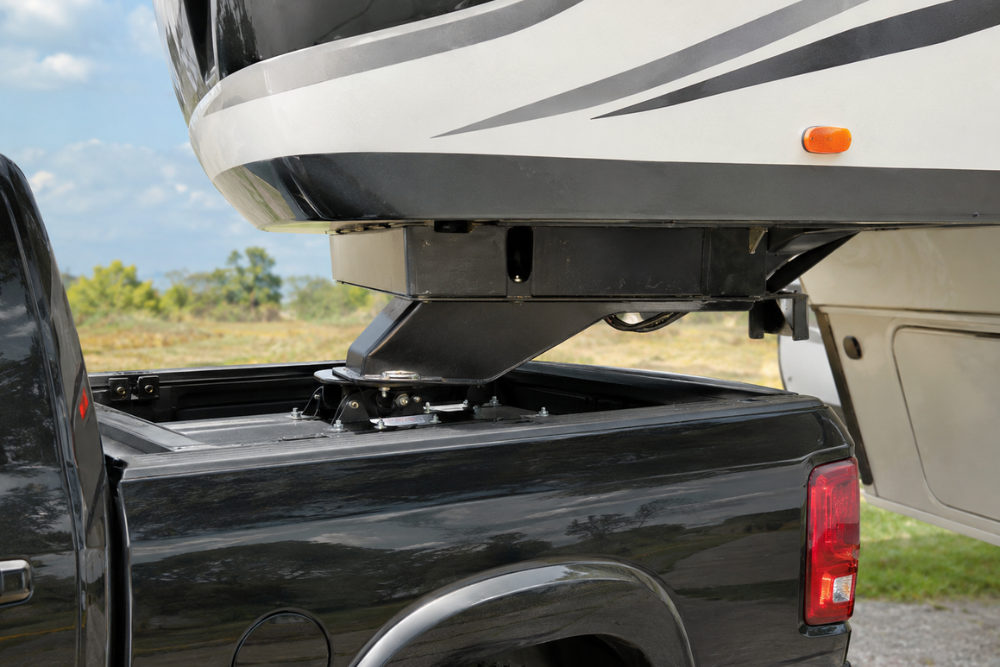
Towables do not have an odometer, but use still shows. Buyers look at tire age, wheel bearings, axles, brakes, the frame and the slide mechanisms to judge how hard the RV has been used. Records showing bearing repacks, brake service and tire replacement dates go a long way toward calming buyer concerns.
How Condition Affects RV Depreciation
Condition is the factor you control the most, and it can move the price more than you might think. Two RVs with the same year, make, model and mileage can sell thousands of dollars apart based on condition alone.
Here is what buyers check first:
- Roof and seals: Water damage is one of the biggest value killers in the RV world. Buyers look for soft spots, stains, delamination and cracked sealant.
- Slide-outs: They should extend and retract smoothly, with no grinding, leaking or sagging.
- Engine and generator: Buyers want service records and reasonable generator hours.
- Tires: Buyers check the date codes, since RV tires often age out before the tread wears down.
- Appliances: The fridge, furnace, water heater, air conditioner and stove should all work as they should.
- Interior: Clean upholstery, solid flooring and no lingering odors from smoke, pets or mildew.
- Exterior: Paint, decals, fiberglass and trim that have not faded or oxidized.
Do Upgrades Slow RV Depreciation?
Practical upgrades can help your RV stand out and support your asking price. Think solar panels, lithium batteries, newer tires, an upgraded mattress, LED lighting or a newer air conditioner. Very personal changes, like bold custom paint or removed furniture, can narrow your pool of interested buyers.
Keep in mind that you will rarely get back the full cost of an upgrade when you sell. The real payoff is that a well-equipped, well-kept RV tends to attract more serious buyers and hold its price better during negotiation.
Other Factors That Shape Your RV’s Value
Age, mileage and condition do most of the heavy lifting, but a few other things play a role in RV depreciation:
- RV type and floorplan: Popular floorplans with strong demand tend to hold value well.
- Brand reputation: Brands known for build quality and dealer support often command stronger resale prices.
- Storage history: Covered or indoor storage protects against UV damage, weather and moisture.
- Market demand: Local demand, fuel prices and the overall used RV market all influence what buyers will pay.
Buyers shop for RVs all year long, and a well-priced, well-presented rig gets attention in any season.
How to Slow RV Depreciation Before You Sell
You cannot stop the calendar, but you can control a lot of what happens between now and the day you sell. Here are the habits that make the biggest difference:
- Keep a maintenance binder. Save every receipt for oil changes, roof resealing, generator service, tire replacements and repairs. Documented care is one of the strongest selling points you have.
- Inspect the roof regularly. Check seams and sealant at least once a year and reseal as needed.
- Store it smart. Use covered storage or a quality cover, protect your tires from UV and keep moisture under control.
- Exercise your RV. Run the generator, operate the slides and drive your motorhome periodically so seals and systems stay in working order.
- Fix the small stuff. Burned-out bulbs, sticky latches and minor leaks make buyers wonder what else has been ignored.
- Deep clean before listing. A spotless RV photographs better and makes a stronger first impression in person.
- Price from real market data. What you paid does not set your price. What similar RVs are selling for right now does.
Why Selling Privately Keeps More of Your RV’s Value
By the time you are ready to sell, depreciation has already taken its share. Trading in your RV at a dealership usually takes another bite. A dealer needs room to recondition and resell your rig at a profit, so trade-in offers often come in well below what the same RV could bring in a private sale.
Selling privately lets you capture much more of your RV’s true market value. With NationalVehicle.com, your listing goes out to six major sites, including NationalVehicle.com, eBay, RVT, RV Trader, RVdaily and RVUSA, so your RV is in front of a large pool of active shoppers. Our team also screens buyers, so you spend your time talking with people who are serious about buying.
Conclusion
RV depreciation is part of owning an RV, but it does not have to catch you by surprise. Age sets the baseline, mileage adds context and condition decides where your RV lands on the curve. The more you understand those three factors, the better you can time your sale, set the right price and walk away with more money.
The smartest first step is knowing where your RV stands today. See what yours is worth with a free RV valuation from NationalVehicle.com, and when you are ready, list yours today.
Frequently Asked Questions About RV Depreciation
At what age does an RV lose the most value?
An RV loses the most value in its first year, often 20 to 30 percent of the original price. Depreciation stays steady through about year five, then slows down noticeably as the RV ages.
Does mileage matter on an older RV?
Mileage matters most on newer motorhomes. On older rigs, buyers usually focus more on condition, roof health, tires and maintenance records than the odometer reading.
Can upgrades increase my RV’s resale value?
Practical upgrades like solar, lithium batteries and newer tires can make your RV more attractive and support your asking price, but you will rarely recover their full cost. Their biggest benefit is helping your RV stand out from similar listings.

3 Reasons FALL is the Best Time to Buy or Sell an RV

Winterize First or List First? A Straight Answer for Fall Sellers
Is it Time to Sell Your RV for a New Model? A Mid-Year Review