
Is it Time to Sell Your RV for a New Model? A Mid-Year Review
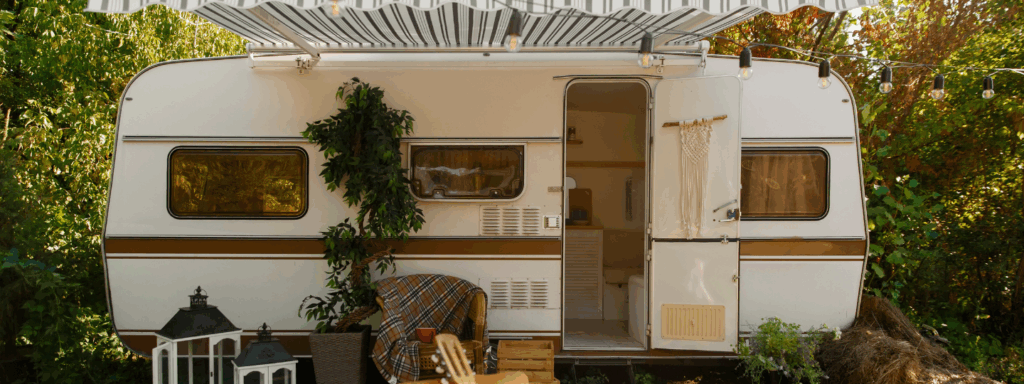

Usually, late winter or early spring is the best time to sell your RV. During this time, there is an increase in buyer activity because people are starting to plan their summer vacations. A large percentage of those trips are now RV vacations. Because more people are searching, you will reach a larger pool of potential buyers.
But, is January through March the best time to sell your RV or buy a new motorhome? Not necessarily. In summer months, there may be fewer eyes on the sales pages, but it doesn’t mean quality buyers are not shopping. There are also other reasons to go ahead and sell your RV now!
What You Need to Know About Selling Now
There are some predictions for RV sales this year. To know if it is a good time for you to sell your rv, you should familiarize yourself with some of these predictions. Some may apply to you and your rig type.
- Interest Rates: The projected growth for RV sales is expected to be improved interest rates, so this will open the doors for more buyers.
- Emission Standards: If you have an older vehicle, you may want to sell your RV. Demand for these models may go up as the restrictions become tighter and new production faces delays.
- Price consistency: The industry doesn’t expect any significant price spikes, so you can expect similar pricing per season.
- Peak camping season: It is still the beginning of peak camping, and some adventurers may be coming into the planning late and be more flexible in getting a purchase made.
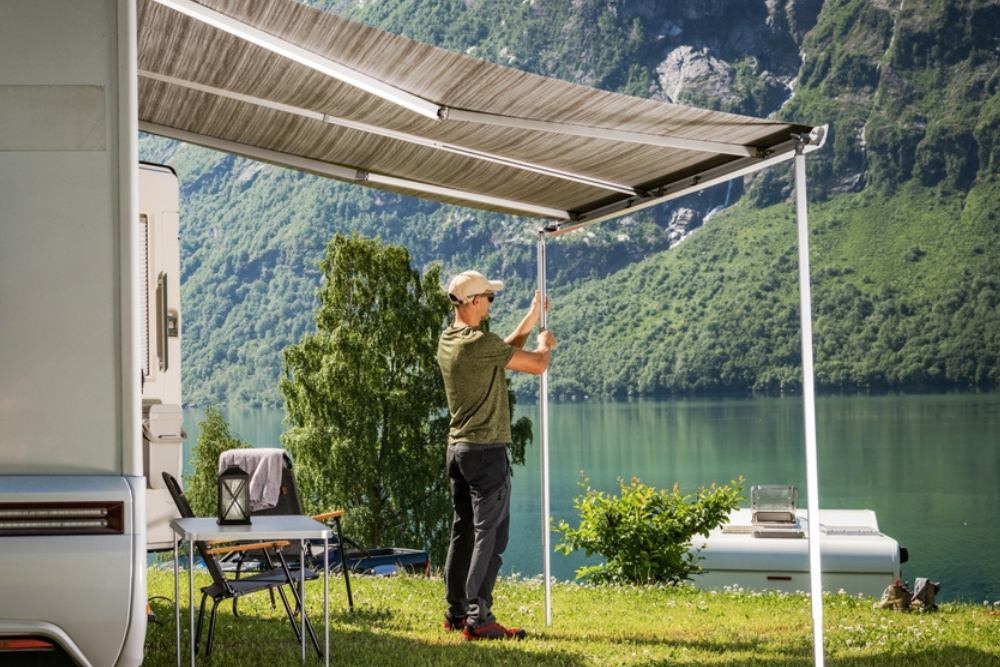
Steps for Preparing to Sell your RV
When you are trying to sell your RV, look at it through a buyer’s eyes. What would they want to see and know before they purchase from you? Here are several tips to make the sales process quick and easy.
- Clean your RV inside and out
- Fix anything that needs it. You might even get an RV inspection report to show potential buyers.
- Stage the RV. Take out personal items and put in new linens. Anything to help the RV look inviting and new. When someone comes to view the rig, have all the slides open and a great cookie smell inside.
- Take quality photos. Try to have the rig in a campground or in use. Take professional-looking photos for posting and sharing online.
- Price your RV. Not according to how attached you are to it. Price it according to its value. You can find this online with our free valuation tool! This is also a great piece of information to supply potential buyers.
- Be honest. List any issues new buyers will need to address, but also point out the benefits of purchasing your rig. Does it come with solar panels or a washer-dryer? How has the space worked for you?
- Provide original paperwork. Show the original MSRP, any upgrades or improvements, new appliances, etc. Anything that adds value.
Why Purchasing a New Model Can Benefit You
Getting the best deal on a new RV purchase is important. But there are other features that bring benefits to you for purchasing a model, and they may not be money-related. You can find a good balance with purchases mid-year.
- Prices are potentially lower on new models because this isn’t the sales month. So if you are looking to get a new model, this could be the right payoff for you.
- Demand for new models is lower. So you could get a better trade-in deal on your current RV. Or other amenities may be available for a new model purchase. Manufacturers still have higher inventory and will be willing to work with you on a purchase.
- Great weather. If you are in a normally colder climate but the weather has been warmer, sales do go up with great weather, so it could be a good time to sell your RV.
- Need. Maybe your RVing family has grown, and you need more space. Or you want to downsize. Personal needs, comfort, and enjoying your RV are great reasons to sell your RV now and get a model that meets your demands.
- Innovative features. There may be new features in a new model that will save you time and money. Consider enhanced solar options, compact models, and more efficient appliances

Steps for Preparing for an RV Purchase
- Know Your RV Needs. Where will you camp? Who will you travel with? Will you boondock or stay at resorts? Will you be stationary more or full-time? Are you going to work from your rig? Will you need a generator, solar power, or propane?
- Choose the Right RV Type. Do you need a Class C, Class A, Camper shell, Fifth Wheel, Toy Hauler, or Trailer? What tank sizes do you need based on use? What floor plan works for your type of use? Will you visit state and national parks? (RV length can be an issue in some campsites)
- What is your budget? Can you afford the monthly payments or expenses? Don’t forget to include campground costs, fuel – which will now be a larger portion of your budget, unexpected, RV repairs (like flats, broken spring hangers), new RV expenses (like motorized upkeep, sewer and water hoses, special RV insurance, medical care for family and pets on the road, etc.)
- Walk-through/Test drive. Do a physical inspection of any RV you are interested in. Some features may not be the same across brands. Can you fit in the shower? Do you need prep space for meals? Will you always need to open and close a bed every day – and do you want to? Do you feel comfortable driving or towing the rig?
- Get an inspection. It doesn’t matter if you are purchasing new or used. New RVs do not receive the same government-required inspections as automobiles. They are also not produced on automated assembly lines, so their room for human error on each rig. ALWAYS get an inspection.
- Negotiate a price. Have the current NADA or Kelly Blue Book rates for your make, model, and year. The inspection gives you a great place to start. Based on any items you need to attend to or repair based on the inspection report, you can negotiate costs off the purchase price – even on a new RV.
- Purchase your RV. At this time, you should know the interest rate, loan terms if you are getting a loan, and where to finance for the best rates. Clearly understand any warranties or guarantees you are getting. Know your insurance costs. Be aware that there may be different rates for a full-time RVer, for your RV roof coverage, and for items you keep in your RV.
I know you want to get on the road and start enjoying the sunsets or having campfires with your family. But, it is also important not to let those times be disrupted by unexpected delays or money issues because you didn’t plan ahead.
There is a long list of things you must do before you purchase or sell your RV. It is important not to rush through any step. If you don’t invest time now in doing it right, you will lose money later because of mistakes. Get ready to join the beautiful outdoors and some of the best RV adventures because you worked for them.
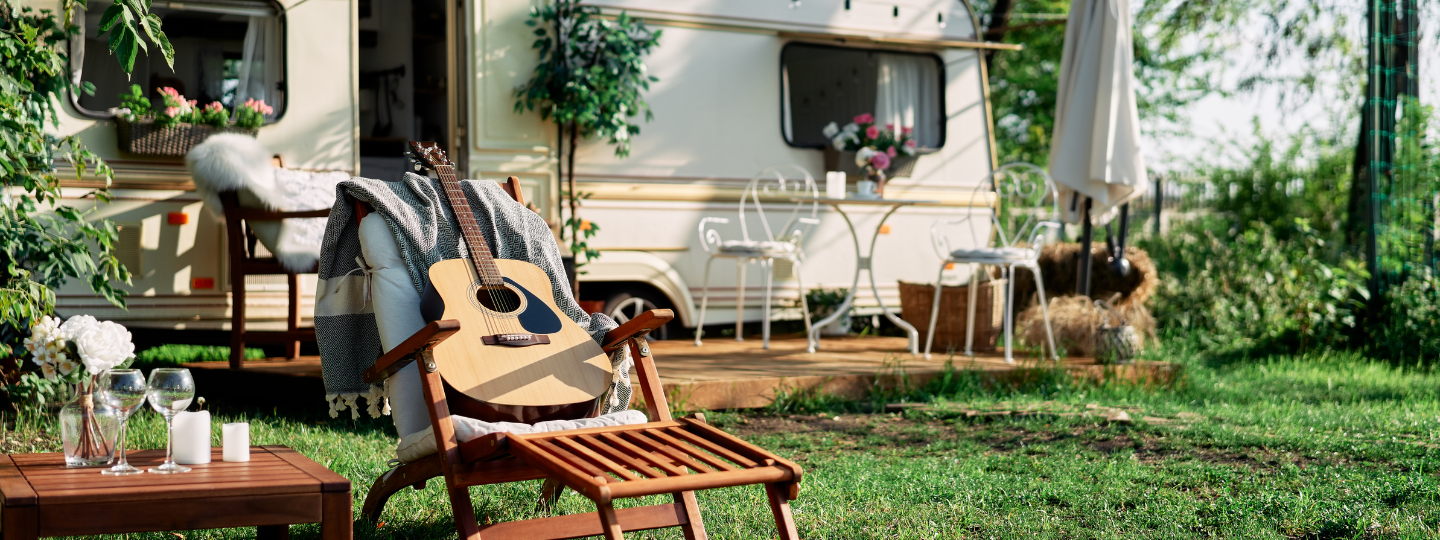
Is It Time to Upgrade Your RV? 4 Key Signs to Watch For
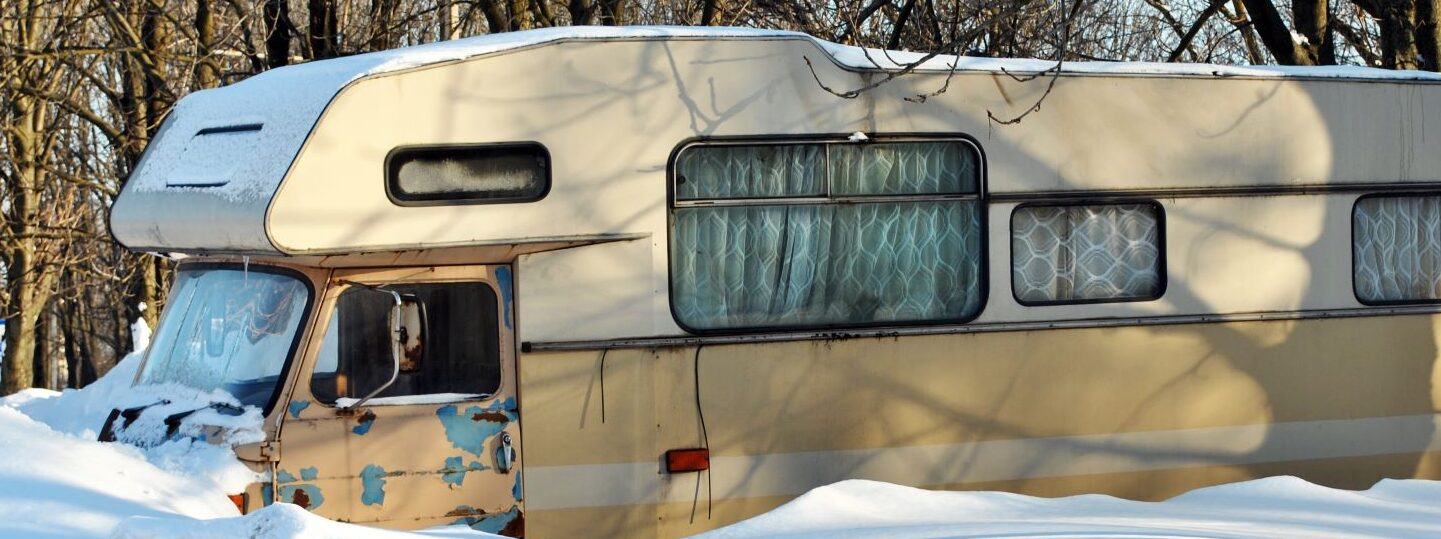
No, You Don’t Have To Wait To Sell Your RV
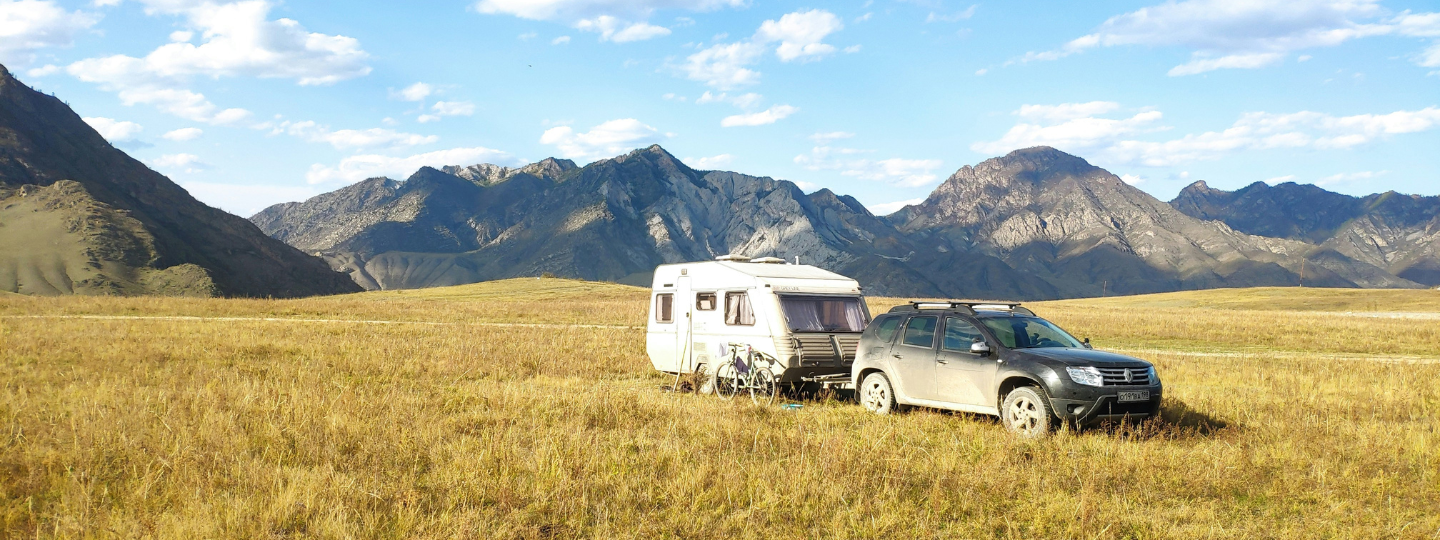
What to Know Before Selling Your RV This Summer