
Boating with Dogs 101: How to Safely Bring Your Dog Aboard
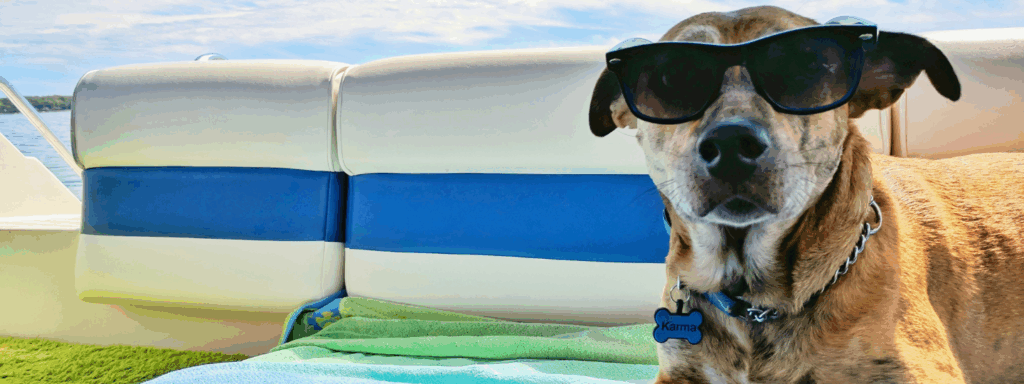

Being out on the water is an amazing experience that boaters love sharing with loved ones. This doesn’t just include family and friends, but also their trusty pups. After all, who wouldn’t want to spend the day out on the water with their doggy friend?
Of course, bringing your dog aboard requires a little extra planning. Here’s everything you need to know about boating with dogs, including preparation tips, safety gear, training ideas, and practical strategies to ensure smooth sailing for you and your dog.
Know Your Dog’s Temperament
First things first: It’s important to understand that not every dog is cut out for boating. Some pups adore the experience, but others get anxious, seasick, or overwhelmed while on a boat.
To get a feel for how your dog might react, ask yourself the following questions:
- Is my dog generally calm or easily stressed?
- Does my dog handle car rides well? (Keep in mind the fact that motion sickness can translate to the water.)
- Does my dog obey basic commands reliably?
- Is my dog socialized enough to be around other people—and possibly other dogs—at a marina?
If your dog is nervous or highly reactive, boating may require a slower introduction. Meanwhile, pups who get motion sickness may need special medication or may need to avoid boating entirely.
Get Them Comfortable on the Dock and Boat
In order to make sure your dog is comfortable, take some time before setting off to allow them to explore and get familiar with the boat and other unfamiliar surroundings. Let them walk on the dock on leash and help them on and off the boat several times while it’s tied up.
Once onboard, practice basic obedience (sit, stay, down) in a calm, docked setting. If your dog seems frightened or unsteady, don’t rush into getting out on the water. Instead, spend some time at the dock and offer positive reinforcement (such as treats and praise) to help your pup associate the boat with good things.
No matter how your dog reacts to being on the boat, it’s a good idea to start with short, slow trips and build up to longer adventures.
Invest in a Canine Life Jacket
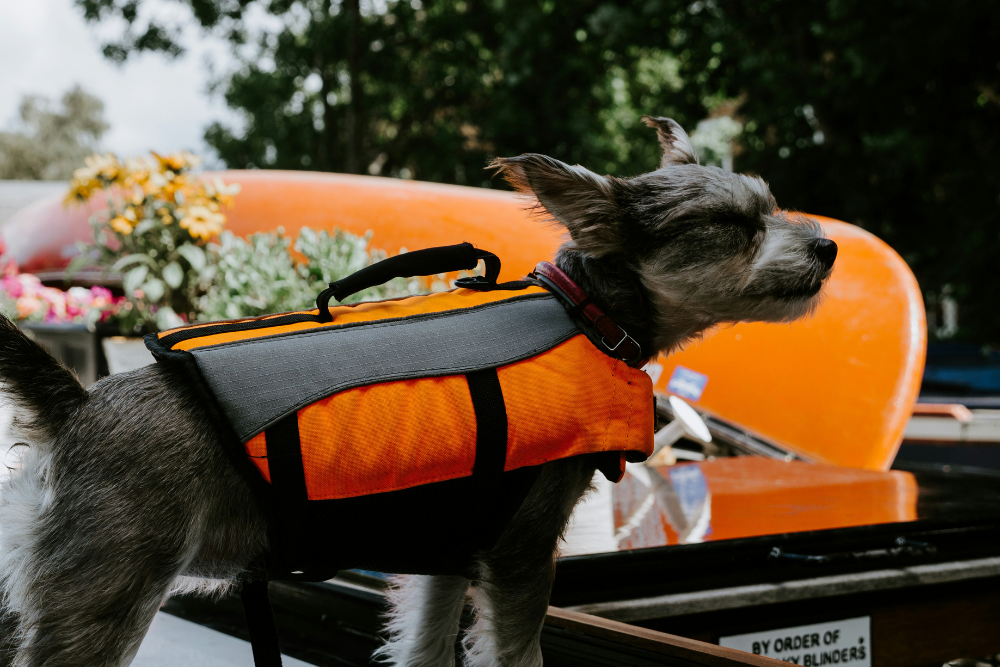
Yes, some dogs can swim well, but even if your dog is an excellent swimmer, a life jacket is essential. In fact, if certain situations arise, it might be a matter of life or death. This is because dogs can panic in open water. Additionally, waves, currents, or exhaustion can overwhelm even strong swimmers.
Besides, a life jacket’s bright color and handle make it easier to spot and rescue your dog.
Not sure what to look for in a canine life jacket? We recommend bright colors and reflective strips for visibility and a sturdy handle for lifting the dog out of the water. A buoyancy rating appropriate for your dog’s size is also critical, as are adjustable straps for a good fit.
It’s best to put the life jacket on your pup while on land, so you aren’t fighting them while on the boat.
Emergencies when Boating with Dogs
No matter how much you do to avoid them, accidents can still happen. Fortunately, if you plan ahead, you should be able to handle most problems efficiently and effectively.
Here are some of the things you can do to be prepared for emergencies:
- Vet Contact: Know where the nearest emergency vet is at your destination.
- First Aid Kit: Include pet-safe antiseptic, bandages, tweezers, saline solution, and any prescription meds.
- Float Plan: Let someone know your itinerary, especially if you’re going far from shore.
- Microchip/ID: Make sure your dog’s tags and microchip info are up to date.
- “Dog Overboard” Plan: Everyone on board should know what to do if your dog falls in. Typically you’ll need to kill the engine immediately, keep sight of the dog, and retrieve them using the life jacket handle or a swim platform.
Plan for Potty Breaks
One of the biggest questions boaters have: “Where will my dog go to the bathroom?” This is a legitimate concern, considering we can’t exactly keep a patch of real grass onboard for our furry friends to relieve themselves on.
Instead, options include:
- Puppy Pads: Train your dog to use a specific spot on deck.
- Astroturf or Portable Potty: Many boaters create a dedicated patch that’s easy to rinse.
- Shore Trips: Plan regular stops for bathroom breaks if you’re near land.
No matter which option(s) you choose, consistency is key. It’s also important to note that you can’t really expect your dog to figure this out on their own, so be prepared to do some training.
Protect from Heat and Sun
We all know how bright the sun can be while out on the water. This can cause problems for dogs who don’t sweat like humans and can overheat easily.
To avoid this problem, make sure to provide shaded areas onboard and offer fresh water at all times. Avoid hot surfaces that can burn paw pads, and consider a dog-safe sunscreen for exposed skin.
Even after taking all of these precautions, you’ll still want to watch for signs of heatstroke. These include heavy panting, drooling, lethargy, vomiting, or unsteady gait.
Hydration Matters
All of that heat is likely to make your dog dehydrated if they don’t have enough water around. Since they can’t drink salt water and shouldn’t drink from a lake, pond, or river, it’s up to you to make sure they have plenty of fresh, clean water available.
For this reason, we recommend bringing multiple water bottles or a large jug of water dedicated to your pup. A spill-proof dog bowl is also a must.
Encourage drinking regularly to avoid dehydration.
Teach Boat-Specific Commands
As you already know, reliable obedience from your dog is extremely important while you’re out on the water. In addition to the usual “sit,” “stay,” and “come,” consider teaching boat-specific commands such as the following:
- “On Boat” / “Off Boat”: For safe embarking and disembarking.
- “Leave It”: Useful for fish, bait, hooks, or anything they shouldn’t investigate.
- “Settle” / “Place”: To keep them calm in a designated spot during travel.
- Recall: Absolutely essential in emergencies.
Practice these on land, on the dock, and finally—when they are well-rehearsed—on the boat.
Consider Motion Sickness
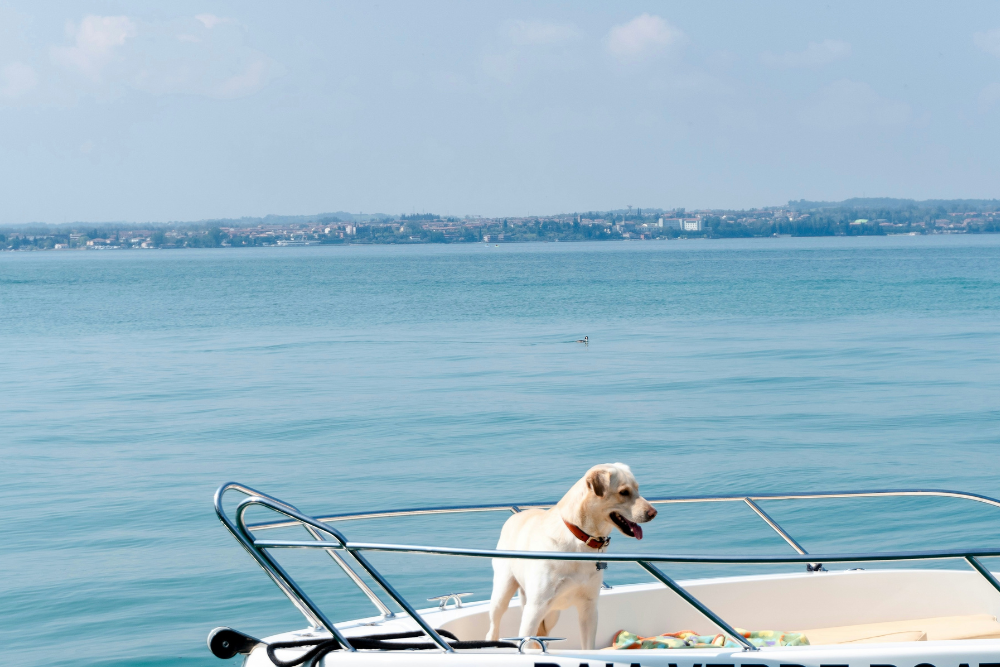
As mentioned above, dogs can get seasick, and a seasick dog is a miserable dog. If your dog has ever had car sickness, they may be prone to seasickness while out on the water. Signs of motion sickness in pups include drooling, whining, vomiting, or acting lethargic.
The good news? You may be able to help your dog overcome this problem. Start with short, calm trips to get your dog used to the motion and always feed your canine pal a light meal before departure. If the problem persists, you can always ask your vet about anti-nausea meds, which tend to work wonders.
Make Your Boat Dog-Friendly
There are a number of ways you can make your boat a dog-friendly place. For one thing, you can make sure there are shaded areas like we mentioned above. It can also be helpful to add non-slip mats, ramps or stairs for older dogs to use while getting in or out of the water, and leash tether points or kennels to give your dog a safe place to be during movement or when excited.
Respect Other Boaters
Obviously, you don’t want to upset your fellow boaters. Since not everyone loves dogs, it’s important to be considerate.
Keep your dog on leash at marinas or public docks, and clean up after them immediately. Don’t let your pup bark excessively or approach strangers uninvited, and always be mindful of other dogs, especially in confined spaces.
As you can see, there is a lot to know when it comes to boating with dogs. That said, putting forth the effort to be well prepared is absolutely worthwhile when you’re finally able to get out there and enjoy the open water safely with your pup. So grab that life jacket, pack some treats, and set sail on your next great adventure with your best friend at your side!

How to Plan Your First Family Boating Trip of 2026
How to Select the Perfect Boat Type for your Lifestyle

Island-Hopping by Boat: Destinations You Can Only Reach By Water