
Preparing to Sell your Boat in Spring: What to Do this Fall/Winter
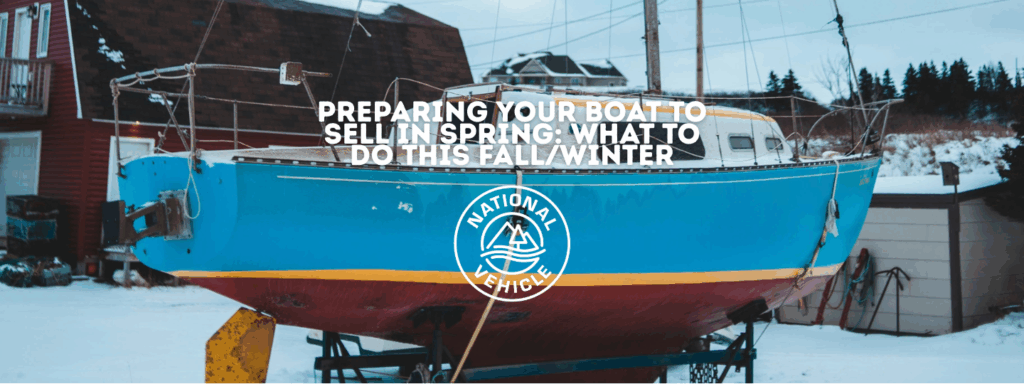

Spring is definitely the best time to sell your boat. The weather is warming up and everyone is getting excited about being out on the water, so boat shopping is at the forefront of people’s minds. For this reason, many boat owners like to wait until the spring months to try to sell their vessels.
This isn’t a bad idea. It’s what I would suggest too, actually, but it doesn’t have to mean that you sit idly by and wait for the weather to warm up. In fact, there are a number of things you can do in the fall and winter to get your boat ready for a springtime sale.
Here are some of the ways you might prepare your boat to sell in spring this cold season.
Why Fall and Winter are the Best Times to Prepare Your Boat for Sale
Sure, spring is prime boat season, but the colder months provide a perfect opportunity to do some behind-the-scenes stuff. This downtime is the perfect time to do a deep clean, take care of maintenance tasks, and do upgrades without feeling like you need to finish up quickly in order to get back to having fun. Since you can’t be out on the water anyway, it’s also the perfect time to prepare your boat to be sold in the spring.
Other benefits of getting your boat ready for sale during the cold months?
- Avoid the spring rush. Marine service shops, detailers, and surveyors are all swamped come April. If you wait, you’ll either pay more or wait longer for appointments.
- Catch issues early. Fall and winter prep gives you time to discover and fix mechanical or cosmetic issues before they scare off potential buyers.
- List earlier. Boats that hit the market in early spring—before everyone else lists—often sell faster and closer to asking price.
Basically, getting ready during the fall and winter allows you to stay ahead of the game, something that can be tremendously helpful when it comes to selling big-ticket items.
Clean and Detail—Inside and Out
First things first, you’ll need to deep clean everything before selling your boat. In my opinion, this downtime is the ideal time to do it. Making sure your boat is as clean as possible before it comes time to list means you’ll be able to take excellent photographs and give tours of a boat that smells and feels fresh.
On the exterior of your boat, be sure to…
- Wash the hull thoroughly to remove salt, grime, and algae.
- Apply a coat of marine wax or polish to protect the gelcoat.
- Scrub and clean the deck, railings, and hardware with marine-safe soap.
- Remove stains and oxidation with a hull cleaner appropriate for your boat’s material.
As far as the interior goes, make sure to…
- Vacuum and clean all carpeting, upholstery, and storage compartments.
- Remove any food, trash, or perishables that could attract pests.
- Clean bilges, sinks, and heads thoroughly to eliminate odors.
- Air out the cabin and place moisture absorbers or dehumidifiers to prevent mold.
Note: It’s important to make sure everything is totally dry before coving your boat in order to prevent mold and mildew.

Take Care of Preventive Maintenance
I certainly wouldn’t want to show my boat to buyers with a dead battery, corroded fittings, or leaking seals. I imagine you don’t want to either. Luckily, the offseason is perfect for catching up on preventive maintenance and ensuring that everything runs smoothly once spring rolls around again.
Make sure to check and service the following systems:
Engines and Propulsion
The engine is an excellent place to start. Change oil and filters, flush the engine, and check belts, hoses, and clamps. Top off antifreeze and fog the engine if storing in freezing temperatures.
Fuel System
Obviously, you’ll also want to make sure the fuel system is in good working order. Fill the tank (to prevent condensation), add a stabilizer, and inspect fuel lines for wear or cracking.
Electrical
Electrical issues can be a safety concern. Rule them out with an electrical checkup. Check all lights, electronics, and battery charge(s). Clean terminals and apply dielectric grease.
Steering and Controls
For obvious reasons, you will need to keep the steering and controls working well, and a buyer is sure to notice if this isn’t the case. Be sure to lubricate moving parts and ensure smooth operation.
Plumbing
The plumbing in a boat does require some maintenance in order to stay in good shape. This is especially true heading into the cold months when freezing weather could cause issues. Make sure to drain your freshwater systems, add antifreeze where necessary, and check for leaks.
Hull and Fittings
Don’t forget the hull. You’ll need to inspect for cracks, blistering, or corrosion. It’s also key to reseal fittings as needed.
Maybe you aren’t planning to use it again, but making sure everything is in tip-top shape will show that you have taken good care of your boat, which will make it all the more appealing to buyers.
Handle Repairs Before the Cold Hits
Like I said above, you want to make sure everything works before you try to sell your boat. This means taking care of maintenance tasks of course, but it also means making repairs. After all, no buyer wants to purchase a vessel with a long list of needed repairs.
The good news? I’ve learned that during fall and winter, many marinas and boatyards offer discounted rates on service work. This means you can take advantage of those savings and make your repairs more affordable.
I recommend prioritizing repairs that buyers will notice, such as:
- Hull damage, scratches, or fading
- Upholstery tears, mildew, or sagging foam
- Nonfunctional gauges or electronics
- Leaking hatches or windows
- Rusty hardware or corroded fittings
Organize Documentation and Records
It might seem like more trouble than it’s worth, but having a binder full of boat maintenance records will boost buyer confidence more than you might think. I recommend that you gather maintenance logs, receipts, manuals, and ownership documents during the winter months so they’re ready when you list.
You’ll want to include things like:
- Registration and title paperwork
- Service and maintenance records
- Engine and equipment manuals
- Receipts for upgrades or parts
- Survey or inspection reports
Stage and Photograph Your Boat in Advance
Now that your boat is nice and clean, use the clear autumn skies to take some high-quality photos of your boat before it gets too cold and icy.
You’ll want to take photos in bright, even lighting—early morning or late afternoon is best. Be sure to capture multiple angles, including the bow, stern, cockpit, helm, cabin, galley, and any standout features. You might even consider hiring a marine photographer or using a drone for exterior shots for some eye-catching images.
Having good photos ready to go means you can post your listing as soon as spring buyers start browsing online, and thus beat other sellers to the punch.

Decide on Storage and Security
Where and how you store your boat over winter can influence its condition. Obviously, the condition of your boat affects your sale price when spring rolls around, so proper winter storage is key.
Indoor heated storage obviously offers the best protection from moisture and temperature swings, but is the most expensive option. Meanwhile, even unheated indoor storage will at least keep your boat out of the elements, but it does require careful winterization.
Storing your boat outdoors with a cover or shrink wrap is the most affordable option, but it leaves your boat vulnerable to moisture and freezing weather buildup unless it is properly prepped. We choose to store outdoors, but we always ensure our boat cover is tight, well-supported, and vented.
If this is the route you take, make sure to remove cushions, electronics, and valuables for safekeeping. It’s also a good idea to check the boat periodically throughout winter for snow accumulation, signs of animal intrusion, and other issues.
Research Pricing and the Market
It would also be smart to use the slower months to get a clear sense of your boat’s market value. To do this, I would review listings of similar models on websites like Boat Trader, YachtWorld, or Facebook Marketplace. Make sure to consider the age and condition of the vessel, as well as the number of hours on the engine. Brand reputation and decade, upgrades and/or add-ons, and your location will all have an affect on the value of your boat as well.
If you’re unsure about pricing, use our boat valuation tool!
Write a Compelling Listing Early
Another way you can make use of the cold season is by writing a top-notch listing. A well written, honest description will attract serious buyers quickly, and if you have one ready to go as soon as people start shopping in February or March, you will be able to post early and sell early.
Keep in mind that a solid listing needs to include:
- Year, make, and model
- Key specs (length, beam, engine type, hours, draft)
- Maintenance and upgrade highlights
- Condition summary
- What’s included (trailer, covers, safety gear)
- High-quality photos

Plan for Inspection and Sea Trials
It’s important that your boat is ready for showings and sea trials as soon as you list it. For this reason, I highly recommend scheduling a time in early spring for de-winterization and launching. This will allow you to test everything and get all systems going so you’re able to demonstrate that they do indeed work properly.
Remember, having everything in working order can help seal the deal faster, but you can’t prove everything is in working order if nothing has been prepped for showings.
Stay Ahead of Paperwork and Legal Details
Finally, make sure you’re prepared for the sale process itself. A big part of this involves contacting your local Department of Motor Vehicles or boating authority to understand title transfer requirements, bill of sale templates, and tax obligations, as well as making sure you have all necessary paperwork together.
Keep in mind that if your boat is financed, you will need to reach out to your lender to understand payoff logistics. Knowing exactly what needs to happen in terms of paperwork and payments will help the sale go smoothly when the time comes.
Frequently Asked Questions
What is the best time of year to sell a boat?
Generally speaking, spring is the best time of year to sell a boat. This is because the weather starts to warm up in spring, marinas open back up, and people are eager to get back out on the water. Sellers who list their boats early in spring often have an advantage because they beat the rush.
This is one of the main reasons I recommend preparing your boat during the fall and winter. It’ll allow you to list as soon as the first buyers hit the market.
Note: Certain regions (especially in the South or along the Gulf Coast) have active boat markets year-round. Your local climate and boating culture can influence the best timing. This is an important thing to consider as you prepare to sell your vessel.
What maintenance should I do before selling my boat this winter?
Winter is a great time to take care of preventive maintenance and any repairs that could make or break a sale.
Make sure you do the following this cold season:
Change the oil and filters.
Flush and winterize the engine.
Add fuel stabilizer and inspect lines.
Check electrical systems and charge batteries.
Lubricate moving parts and steering systems.
Clean and dry bilges, storage areas, and upholstery.
Apply protective wax to the hull.
Drain and antifreeze plumbing systems if storing in freezing conditions.
Beyond winterization, handle any cosmetic or mechanical repairs. This will ensure your boat looks well cared for and ready to launch come spring, and it might make all the difference when it comes to closing a sale.
Does fall boat prep increase resale value in spring?
It definitely could. Boats that are clean, maintained, and ready to launch command higher prices and faster sales than those listed in “as-is” condition. Buyers will notice details like oxidation, worn upholstery, and signs of neglect. Meanwhile, a well-prepped boat conveys pride of ownership and reliability—two factors that directly impact perceived value.
As you can see, there are plenty of things you can do to get your boat ready to be sold in the spring. Not only that, but taking care of these things now will put you ahead of the game and will almost certainly pay off once the spring buying season begins. Why not get started today?
How to Price your Boat With One Good Month of Season Left

The Role of Professional Sales Support in the Boat Market

Boost Your Boat’s Curb Appeal: Small Upgrades That Impress Buyers