
Boating the Great Lakes
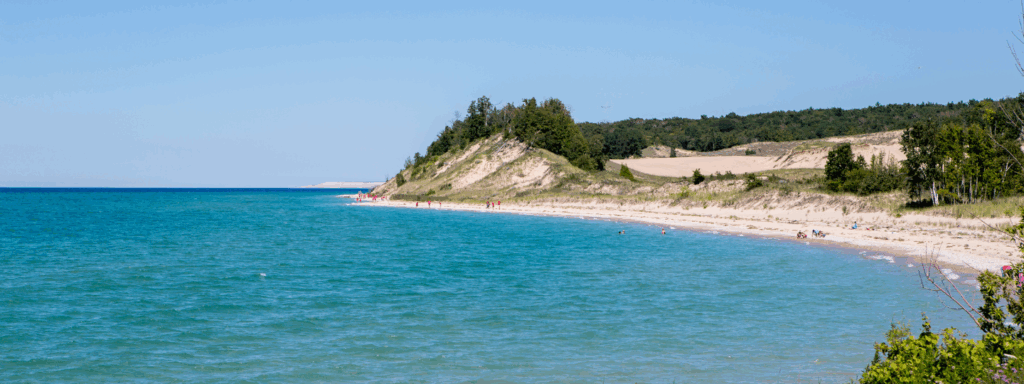

Insight to the Great Lakes
There are five lakes that make up the Great Lakes: Superior, Huron, Michigan, Erie and Ontario. Collectively, these five lakes stretch out over a total surface area of 94,600 square miles. They are all each connected by various rivers and lakes, which is the reason the Great Lakes are the largest freshwater system throughout the world. As the name suggests, Lake Superior is the largest of the great lakes, the most northern of all the lakes, and is the largest freshwater lake in the world.
Boating trips throughout the Great Lakes, and beyond, provides a multitude of adventure and experiences. Examples include swimming, fishing, diving, beautiful nature scenes, active wildlife, and visiting historical sites along various routes. Additionally, the time frame of each outing can vary just as much, ranging from one day lake trips to extended cruises.
Routes
Lake Superior
Considered the cleanest of the Great Lakes, Lake Superior holds the highest water clarity levels, allowing snorkelers and swimmers a visible distance of 27 feet. While not as popular with swimmers, this lake is a diver’s dream, thanks to ‘Shipwreck Coast’; a fascinating place for divers in the summer months, that is also referred to as ‘Graveyard of the Great Lakes’. Even though it is the largest of the five lakes, it also supplies a shorter boating season. A hot destination off this lake is the Isle Royale National Park, which can only be reached by boats.
Lake Huron
Boasting the longest shoreline of the five Great Lakes, along with thousands of islands, Lake Huron is a nature lover’s paradise. Water sports fans, museum walkers, and history buffs alike will be anxious to drop an anchor and head ashore here. Explore shipwrecks, visit the local museums, or be one with nature while camping under a starry sky.
There are still a few military forts, from the war of 1812,along the shore of this lake that are available to tour. A bit to the north of Detroit is a stretch of shoreline that is adorned by a plethora of mansions with their own docks; visible between Detroit and Lake Huron.
Lake Michigan
Although not quite as large as Lake Superior, this lake is still quite impressive. Lake Michigan is the third largest lake of the Great Lakes and is the 5th largest lake on a global reach. Another claim to fame that makes this lake popular is that it’s the largest freshwater lake that resides completely within the United States.
Bordered by the shorelines of Michigan and Wisconsin mostly, there are some smaller portions that are claimed by Illinois and Indiana. Boaters can visit various regions throughout the lake, from Chicago, a.k.a the Windy City, to quiet fishing shore towns along the Northwestern beach line.
Measuring close to 100 miles wide, comparing easily to a freshwater ocean’s currents, tides and wind waves that can to six feet in height.
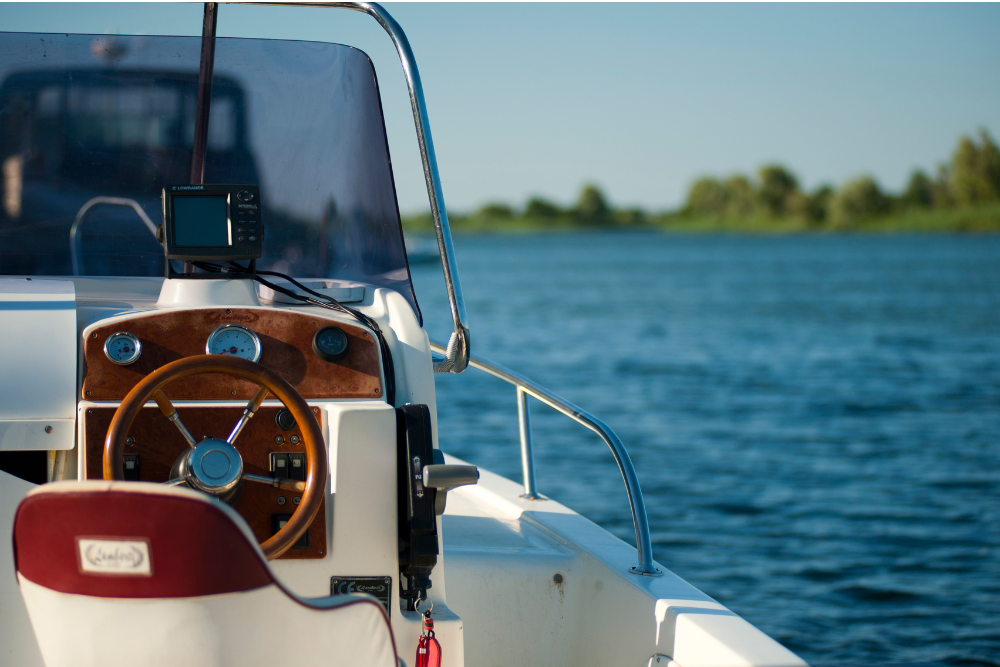
Because of this particular lake’s unpredictable and often changing weather patterns and conditions, as well as the lake’s size, a larger vessel is recommended. Smaller boats are acceptable for shorter trips on the other Great Lakes, but a vessel that measures around 23 feet is recommended. This size boat is much better for handling the strong waves associated with Lake Michigan. These waves usually stay beneath for feet in the summer months; a challenge usually met safely by boats ranging from 23 to 28 feet.
In regards to the time it takes to cross Lake Michigan, here’s some insight. If sailing across the massive lake, expect to cross in about 10 to 20 hours, if you are traveling at a speed of 5 knots (5.75 mph). However, if you are crossing in a motorboat and plan to average a speed of 20 knots (23 mph), the same path should only take about 2.5 to 5 hours.
A popular and beautiful docking location on Lake Michigan is Beaver Island, known as America’s Emerald Isle. About 35 miles out from Charlevoix, Michigan, visitors to this island are greeted with pristine beaches, lighthouses along the coastline and the Beaver Island State Forest Campground.
Lake Erie
When setting out to cross Lake Erie, to maintain the safest boating conditions, a boat that measures at least 21 feet is recommended. The currents are strong and while the waves are typically only one to three feet high, they can reach 13 feet. These numbers can increase during storms, which can produce larger waves reaching up to 20 feet. The western end of Lake Erie is able to see larger waves; due to the fact the wind can blow across the entire lake.
Make a stop by Sandusky, Ohio for a day of aquatic activities. After a day of kayaking, parasailing and/or jet skiing, be sure to make plans to unwind and relax. Consider taking a slow river boat dinner cruise and watch a stunning sunset.
Additional highlights of the lake that provides most of the northern coast for Ohio include Niagara Falls, the most iconic waterfall throughout North America; Cedar Point, a peninsula west of Cleveland, that holds the title of the amusement park that has the world’s largest collection of record-setting roller coasters; and a small Ohio town recently voted as one of the nation’s most charming towns, Put-in-Bay, that can only be reached by air or water.
Lake Ontario
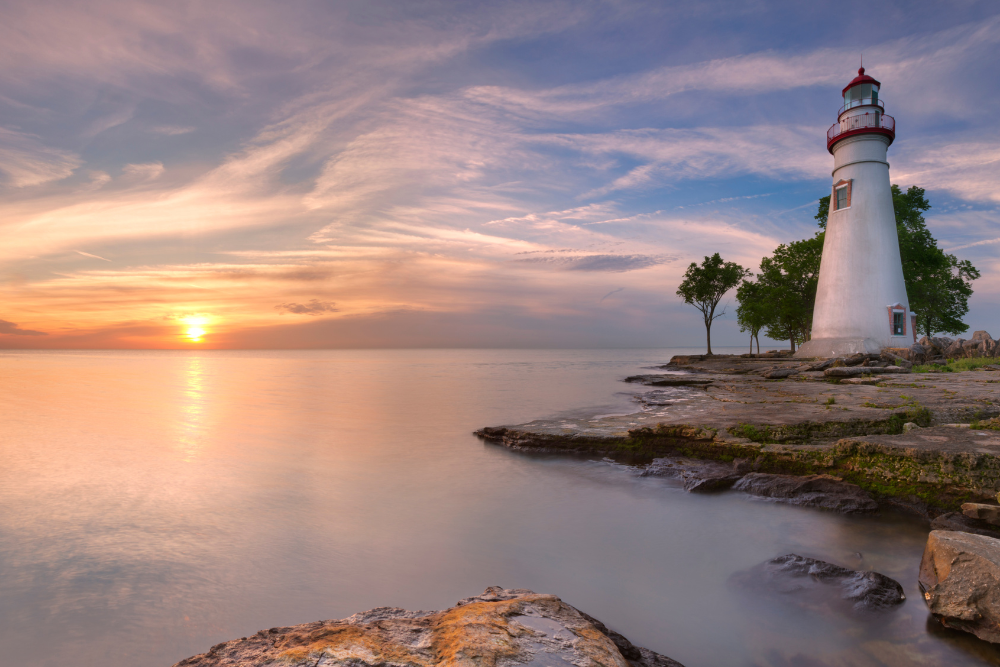
Holding nearly four times the amount of water than Lake Erie, Lake Ontario has an average depth that puts it just below Lake Superior. This lake begins about 300 feet below Lake Erie, at the base of Nagara Falls. Boaters can bypass Niagara Falls via the Welland Canal. This passage goes between Port Weller and Port Colborne and is a distance of 27 miles.
The scenic waters of both Lake Ontario and the Niagara River border the region’s extensive collection of restaurants, shops, and wineries. The area is also popular for both leisure cruises and exploration of the area.
The Great Loop
This is likely the most popular route, as it’s a path that leads throughout the Great Lakes, into the Gulf Intracoastal Waterway, the Canadian Heritage Canals, the Great Lakes, and along numerous inland rivers. Depending on your speed of travel and number of layovers and sightseeing, the Great Loop can be completed in as little as two months. More realistically, though, the journey takes close to a year to complete. A trio set the record time of making a full loop back in 2024, having started and ended at the same point, ‘crossing their wake’ in an impressive 19 days, 19 hours and 50 minutes. For travelers who choose to complete the Great Loop, regardless of the recorded time, will ceremoniously gain the title of ‘Loopers”.
Popular Destination Towns
Grand Haven, via Lake Michigan
Grand Haven hugs the shorelines of Lake Michigan and is a tough place to pass up, with its stunning beaches, unique shops, and scrumptious eateries. Forested exploration trails are on hand, as well as a bike path full of scenic views. Before heading back out on the water, relax on one of Grand Haven’s many beaches.
St. Joseph, via Lake Michigan
Dock for a night or two at the Anchors Way Marina in St. Joseph, and enjoy some peaceful, relaxing days. Gain access to a pool, temperature-controlled bathrooms with showers, and nearby attractions like the Silver Beach Amusement Park or the Warren Dunes State Park.
Tips to Keep in Mind
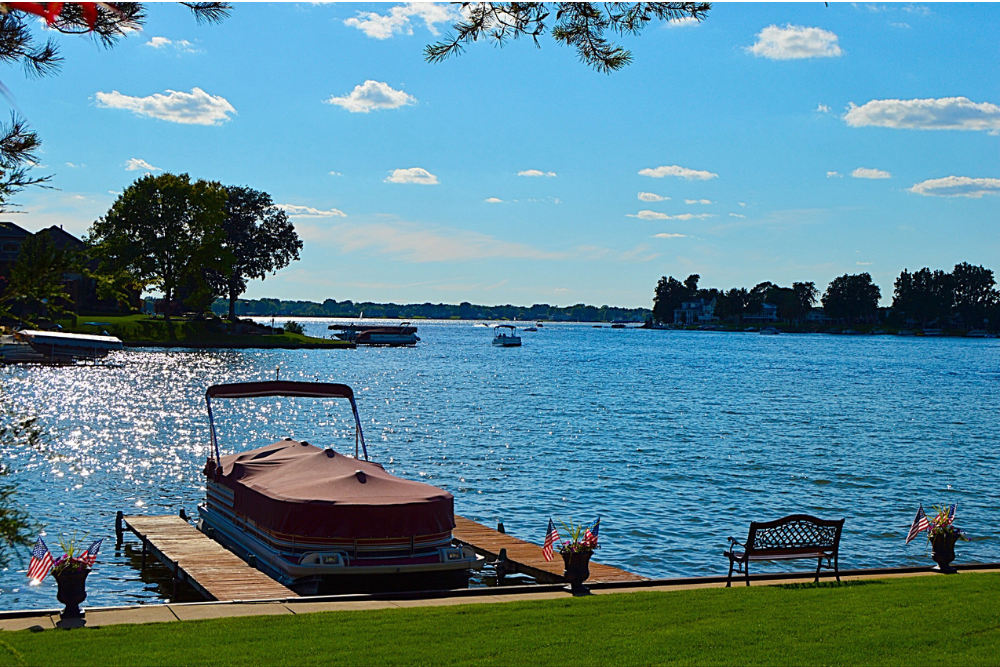
This next section is just a bit of housekeeping; some tips listed below you might already know, but it’s important to review them just the same. Being prepared with some ‘heads up’ information can surely help your boating adventure start out calmy and remain with smooth sailing.
Weather and Seasons
The boating season throughout the Great Lakes is seasonal, with the time frame for boating adventures set between late May to mid-September.
During early spring and the later part of the fall months, weather can be unpredictable and can change rapidly. Being prepared for strong winds and potential storms at any time is of high importance.
Spring Weather on the Great Lakes
Early spring, meaning March and April, bring typically cool temps, with highs only reaching up to mid-50s, with lows displaying below freezing temperatures. This is truly strongly in the month of March. A mix of rain and snow is typical earlier in the spring season, with snow still possible during these two months.
The weather is quite fickle, and the days can be sunny and warm one day on the water, with the next day bringing cold temperatures and even snow.
Late Fall Temperatures and Precipitation
After a typical summer, boaters might welcome the cooler average temperatures, which range between 40- and 60-degrees Fahrenheit, with lows at or below freezing. This is particularly true in late November, which is the worst month in terms of damaging storms.
Best Months to Visit
For optimum, smooth boating adventures along the Great Lakes, the peak boating are the months of May and June, and extending through September and October. This seasonal period is considered as the best time frame to get out on the water. Specifically, June, July, and August are the optimum months to visit. Take note though, as June is also a month that shows a heavy mosquito presence.
Rinse and Repeat
After a day of boating on one or all of the Great Lakes, its always important to thoroughly rinse the boat’s intake before trailering or docking it. Throughout the lakes, there is a significant infestation of zebra mussels. By ensuring a fully clean boat engine, damage caused by mussels will be decreased. Additionally, spreading of the mussels will also be minimized.
Boat Safety Tips
Just a friendly reminder, being aware of your surroundings is always important, whether on land or water. On a boat outing, being prepared is key. Always doublecheck the safety equipment supply needed before leaving the dock: life jackets, navigation lights and emergency flares.
Having boat insurance papers with you on your sailings might go without saying, but ensuring the policies are active and up to date is worth the effort prior to setting out.
The possibilities are endless; with short, one day trips across one of the five Great Lakes. Or, a week’s worth of boating is possible, combining some of all of the Great Lakes’ paths. Become a ‘looper’ by spending multiple months cruising the Great Loop. Whichever path or paths you choose, each boating adventure is unique, and the viewing possibilities are endless.
How to Keep Your Boat Upholstery Protected From Summer Sun

Best Fall Fishing Trips You Can Take by Boat
Sweater Weather: What to Pack on Board when Fall Boating