
7 RV Preparation Ideas to Give You A Jump Start


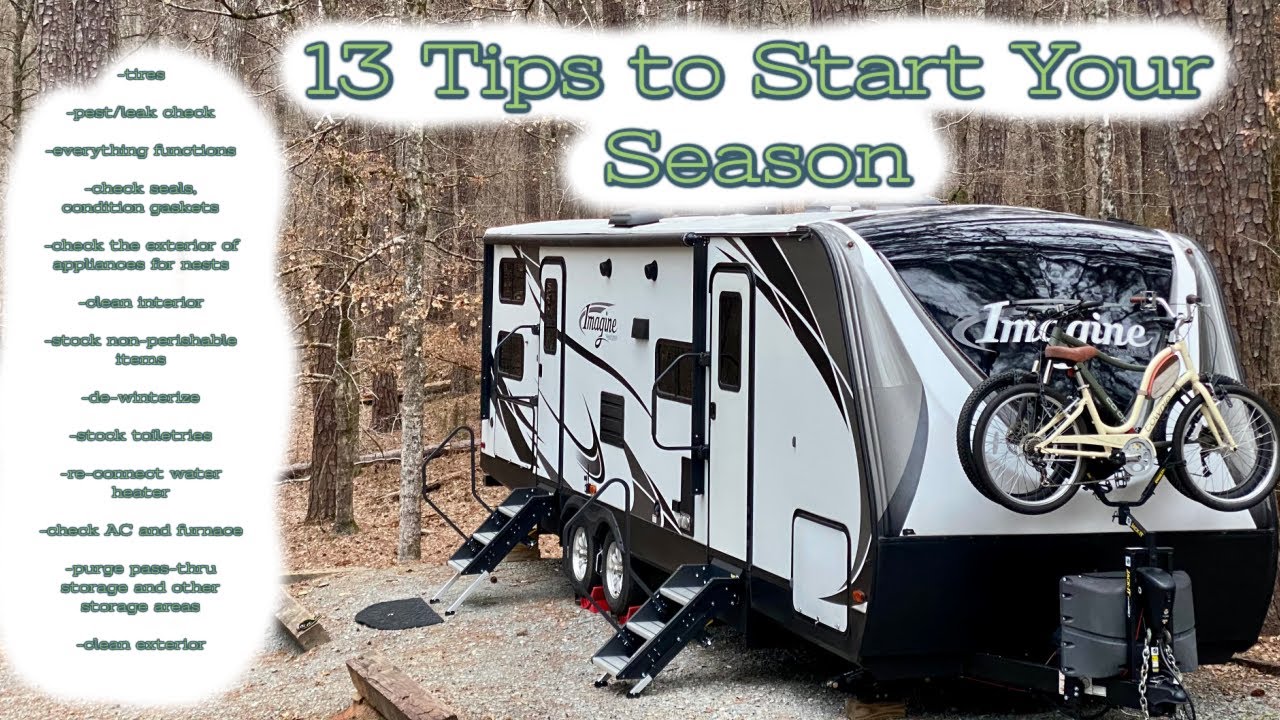
Winter might be in full swing and the RV might be in storage, but that doesn’t mean you should stop thinking about your RV entirely. In fact, winter is the best time to figure out what kinds of things you might need to take care of to make sure your rig is in tip-top condition.
Doing some RV maintenance during that wintertime storage period ensures your home-on-wheels is ready to go when camping season rolls back around, so you can hit the road right away without making tons of repairs and doing all of your maintenance tasks first. It also gives you plenty of time to spread those tasks out so nothing is rushed, meaning each job will be done thoroughly and well.
Not sure what sorts of RV related tasks you might need to take care of this winter season? Here are 7 RV preparation ideas that you can tackle right now to give yourself a jump start on next season.
Seal It Up
First, we highly recommend using the winter months to reseal your RV. For this, you will need a few dry, relatively warm days in order to ensure the sealant is able to cure correctly. If you won’t get this in your area, consider moving the RV to a covered or indoor spot to work, or perhaps putting this particular task off until the very beginning of spring (but before camping season starts again) when things start to warm up a bit.
Sealing an RV is a bit messy and time-consuming, but it’s an easy enough job that pretty much anyone should be able to tackle it. We recommend starting by washing the roof well with an RV roof cleaner. (If you have an active leak, avoid pouring water on that area.) Once the roof is totally dry, pull up any loose or peeling sealant and then use an RV lap sealant to go over every single seam, making sure to cover all old sealant. The new seals should be left to dry for several hours.
It’s not a bad idea to clean the seams around windows, bay doors, fixtures and the corners of the RV, then go over them with a non-sag RV sealant. This is especially important as your RV (and the seams) begin the age and/or if you find a leak.
For a cleaner look, consider pulling the windows, bay doors, etc and replacing the butyl tape underneath before replacing them, rather than adding sealant around the outside. Just be prepared for a more time-consuming task!

Make Repairs
When you use your RV often, things are going to break. Generally these are easy enough fixes, but you don’t necessarily want to tackle them while out enjoying your time at a campground. In our opinion, saving any non-emergency repairs for the winter when the RV is just sitting anyway is definitely the way to go. This allows you to continue to enjoy your RV trips while the weather is warm and make good use of the cold weather months.
Keep a list of items that break in the rig throughout the camping season. Once winter rolls around, order all of the replacement parts you need and get to work repairing and replacing so everything is in good working order for the next camping season.
Note: Obviously, if something essential breaks or if there is a leak, those things should be fixed immediately. NEVER allow a leak to sit unrepaired.
Take Care of Engine Maintenance
If you have a motorhome, engine maintenance is crucial to ensuring the RV continues to run well for years to come. You will likely need to do some engine maintenance throughout the camping season to keep everything in good shape, but you will be able to do a lot of it during the colder months instead.
Check your fluids and make sure everything is topped up for your next big trip. Change the oil (or take it to have it changed) so it’s ready to go as well. Replace both the engine air filter and the cabin air filter (if your rig has one), and have the spark plugs and wires checked, as well as the brakes. Check your owner’s manual to see if you’re due for any big maintenance tasks and use the winter to have those done as well.
Doing all of these things during winter will mean you have a happy engine that is ready to hit the road when the weather warms up again.
Repack Wheel Bearings
Have a trailer rather than a motorhome? In that case, you will want to focus your maintenance on the wheels. Did you know travel trailers and fifth wheels need to have their wheel bearings repacked every year? It’s true, but hardly anyone actually stays on top of it. Unfortunately, not repacking the wheel bearings can lead to catastrophic failure and can be very, very dangerous.
At some point this winter, take your trailer in to have the wheel bearings repacked. Alternatively, if you are a little bit handy, you can do the job yourself and save some money.
Make sure your RVing friends know to do this too!

Replace Tires
It’s super important that you always, always check your RV tires before you head out on a trip. Look for worn tread (keeping in mind that tread can wear unevenly) as well as cracks and other obvious damage. You’ll also want to check the tire pressure to be sure it’s sitting where it should. If all of these things look good before each trip, you should be good for the season, unless you take incredibly long trips and wear your tires out extremely quickly.
Once winter rolls around, it’s time to consider changing out your RV tires. Not everyone will need to do this every year, but in our opinion, winter is the time to do it if it’s needed. Check that tread again. If it’s getting low at all, you might want to replace the tires now so it’ll last all of next season.
Likewise, you’ll want to check the date of manufacture on your tires. If they are nearing six years old, go ahead and replace them so you can drive with confidence when it comes time to take the RV out again.
Keep Your Battery Charged
As long as you use your RV fairly often during the camping season, your battery likely stays charged up from being plugged in at campgrounds. Unfortunately, unless your winter storage spot has an electric outlet that you are allowed to use, your RV battery will almost certainly run out of juice while the rig is being stored over the cold season.
Not only is this bad for the battery, it also means you have to give the battery time to charge back up before you can go camping once spring arrives. The solution is to keep the battery charged throughout the winter using a trickle charger. This is super easy to do and will ensure you have a healthy and full battery for the first trip of the season.
Renovate and Upgrade
Last but not least, we highly recommend using the winter to take care of any renovation projects or RV upgrades you’ve been meaning to get around to. This might be something as simple as ordering some new couch cushion covers and putting up new curtains, or it might be a more complex project like installing a mini-split unit or new flooring.
No matter what kinds of projects you have in mind, winter is the time to tackle them. Using the cold months to finish these sorts of upgrades will mean you can head out in the spring with a rig that you love, so you can fully enjoy exploring and adventuring throughout the season.
Some of our favorite RV upgrades include:
- Installing a MaxxAir vent fan
- Putting up peel-and-stick wallpaper
- Adding a composting toilet
- Installing an Oxygenics shower head
- Installing a solar power system
- Putting on couch and/or dinette cushion covers
- Adding personal touches
Are you ready for some RV Preparation?
Of course, there are dozens of other upgrade projects that you could choose to do. If none of these appeal to you, think about what would be nice or helpful to you during RV getaways, and make that your goal.
As you can see, there are plenty of things you do over the winter that will improve your spring and summer camping experience. We love to take care of these things while it’s cold outside so we can spend more of the warmer months out enjoying our RV. Besides, how else are you going to continue to immerse yourself in the wonderful world of RVing while the rig is in storage?


RV Storage Tips: What to Do When You’re Not On the Road
How to Keep Your RV’s Tires in Top Shape for Summer Travel
Spring Cleaning Your RV: Inside and Out