
RV Boondocking in Summer: How to Stay Cool Off-Grid
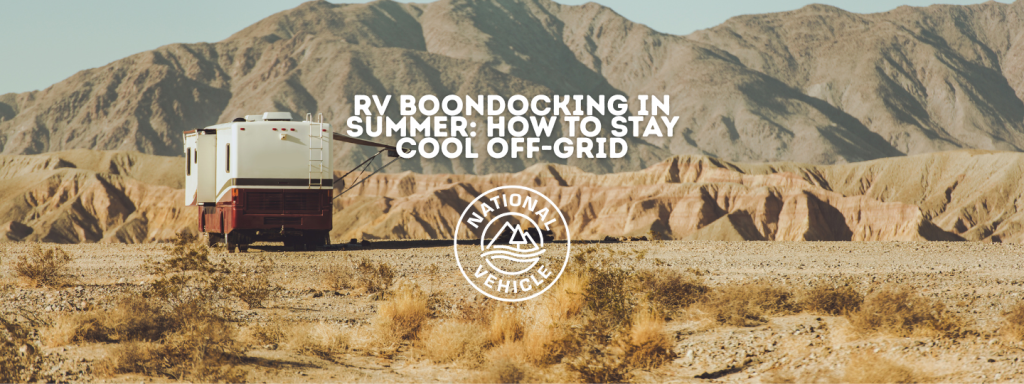

Boondocking is a great experience. There is nothing so refreshing as sitting out under the stars with very little or no light pollution. Sounds of nature around you. You almost feel like a pioneer experiencing an area anew. And just like a pioneer, you need to think through everything you will need in order to meet your basic needs and have a memorable summer escape. There are important keys to boondocking in summer and staying cool at the same time.
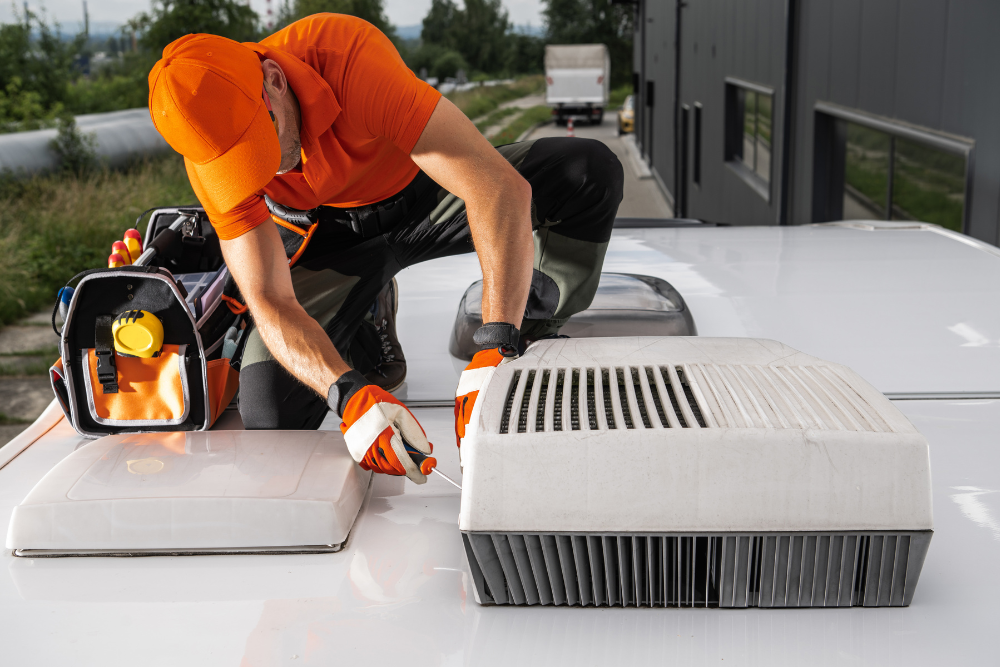
What About Running an A/C in Your RV?
You can run an A/C, but it requires a lot of power just to maintain it for even an hour. To do this, you would need the following:
- Portable Inverter Generators – This is the most common and cost-effective method. A generator with at least 3,000 watts can typically power one A/C unit. If you have a smaller 2,000-watt generator, you may need to install a soft start device to reduce the initial power surge required to start the compressor.
- Massive Battery and Solar Arrays – To run A/C on batteries alone, you often need upwards of 600Ah to 1,000Ah of lithium (LiFePO4) capacity and 800W+ of solar panels to replenish the charge. Again, your runtime is still limited.
- Off-Grid Optimized AC Units – Modern specialized units are designed with high-efficiency compressors that draw significantly less power than traditional models, making them more compatible with battery-based systems.
Personally, I find some of these other options better suited to boondocking. First of all, running an A/C for about an hour will do nothing to stave off heat in the middle of summer. And who wants to haul that much pricey gear out for boondocking? You might just want to stay at an RV campground because you will miss out on the actual boondocking experience with all the gear and noise.
Boondocking Cooling Options
If you do decide you need more cooling power than what nature can provide, here is a breakdown of the power draw for different cooling devices and what they are best used for on your trip.
Cooling Without an RV A/C
If you decide on a real boondocking experience, let’s get down to the pioneer basics. That means always thinking about limited power use and using some strategic tactics. Even if you do use an A/C, these will help support lower power needs.
- RV PARKING. You might not think this is critical, but where and how you park can provide you with an additional 10 degrees of coolness. Here’s how:
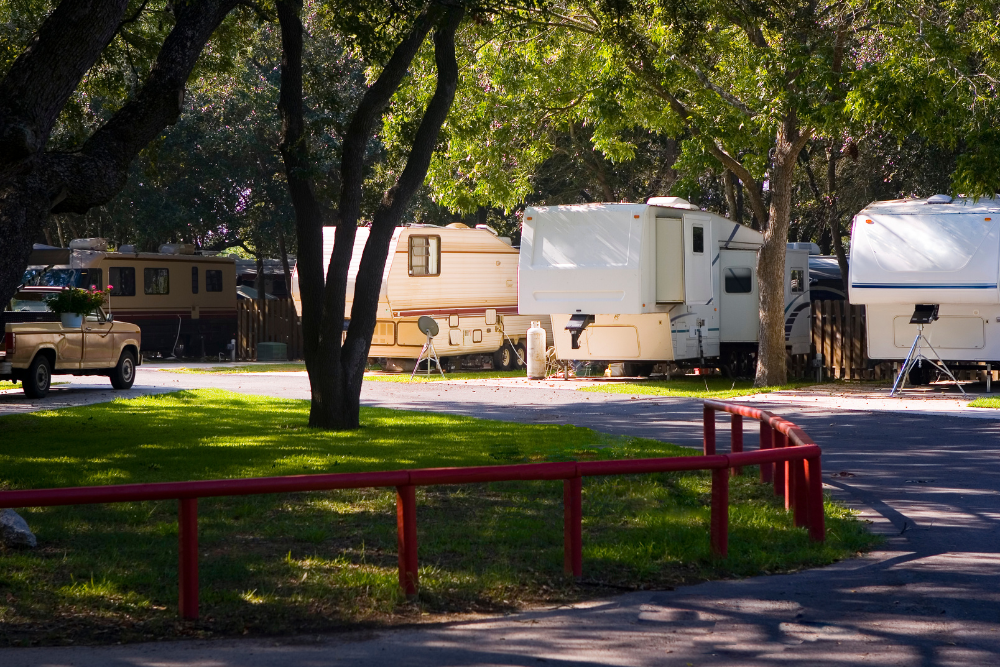
- Shade – Look for ways to block direct sunlight. That might mean parking under trees, camping out in canyons, or sitting under the correct side of the mountain.
- Elevation – Select a more northern camping spot on higher ground. Did you know temperatures can drop about 3.5 degrees for every 1,000 feet of elevation you gain for your rig?
- Orientation – Park your rig so that you have the fewest windows or openings facing the sun. Keep your awnings out to shade the sun side of your rig during the day.
- Utilizing RV Ventilation. Airflow is the best option you have when you can’t run your A/C. Try using some of these ideas for the best cooling.
- Cool Air – Open all your windows and vents at night to let the cool breezes flow. But as soon as the sun comes up, close everything to trap the cool air inside. If you are in areas where the temperature gets into the 40s or 50s in the evening, you can keep your rig cool into the afternoons.
- Vent Fans – These fans in the roof of your RV can help cool the rig during the hotter part of the day. It is good to have two placed at either end of the rig. Set one fan on exhaust and the other on intake to create circulation and additional air flow.
- Portable Fans – Keeping the air circulating and helping cool down the rig, too. Look for low-power draw fans that are USB rechargeable or that draw low wattage.
- Managing RV Heat. Preventing heat from entering your rig is a lot easier than trying to remove it! Try these tricks for keeping the rig cool.
- Reflective Covers – Cut reflective material to fit your windows as well as skylights. This will help prevent heat from transferring and staying in your RV.
- Awnings and Shade – Put out your awnings to cool down the side of the RV. Add shades that extend from the RV roof to the ground if you need to. Sit in tents outside the rig for more shade and air flow.
- Explore – Use the hottest part of the day to do cooler activities like water sports, indoor events, or shopping, etc. Take advantage of someone else’s A/C!
- Cooking – Set up an outdoor kitchen or cooking area. Anything that requires a stove or oven, prepare it outside. If you need to, cook up some food before you leave on your boondocking adventure.
Frequently Asked Questions
Can you run an RV air conditioner while boondocking?
You can, but it requires significant power management. Most standard rooftop units draw more power than a typical battery bank can sustain for more than 30 minutes, maybe up to an hour. You are better off using other low or no-power options to stay cool.
How do you cool an RV without AC?
Focus on pre-planning. Plan how you will park the rig. Position for shade and ventilation. Plan to cook and eat meals outdoors. Put up shade tents with ventilated sides. Fill your RV sink with ice and drinks so you aren’t opening the fridge all day. It’s the little things that will add up to cooling yourself and your rig.

How to Keep Pests and Rodents out of Your RV
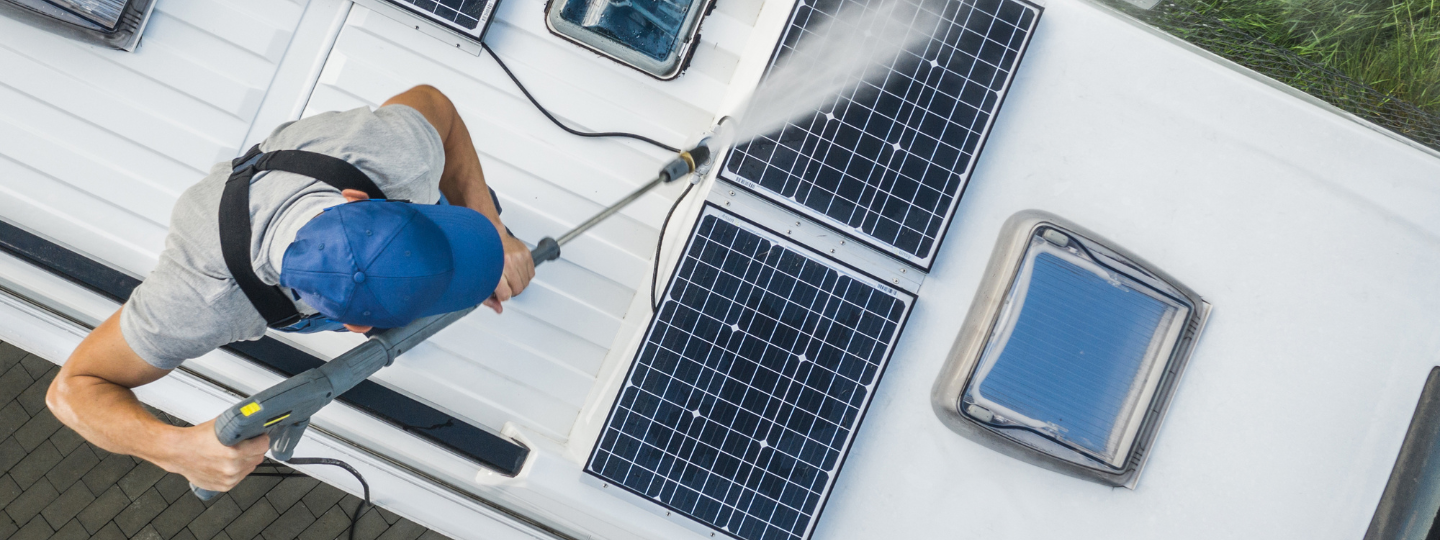
DIY RV Repairs: 5 Essential Skills Every RVer Should Have
Don’t Let Summer Fry Your RV: 5 Must-Do RV Electrical System Checks