
RV Insulation 101: How to Insulate your RV for Colder Weather


Living or camping in a cold RV in the winter months can be tiring and unpleasant. But there are several things you can do to improve your comfort when camping in colder climates., including RV insulation.
If you anticipate a need for more protection from the cold you could start out by buying an RV that is equipped with pre-installed all-weather features, or you can use commercial residential insulation that can be added to the under-carriage, or you could use temporary tools to block the wind from under your RV like inflatable bladders or skirting (called Airskirts), use expandable form around window and door frames to prevent drafts, or insulated pads in the windows. There’s not a lot you can do with the roof of your RV to mitigate heat loss through the roof, but you can reduce heat loss through the windows and the floor, and that will help a great deal.

Buy an RV with Installed all Weather Features
The best approach to maximize comfortable interior temperatures in your RV is to purchase an RV that is built for cold weather camping. This reduces the need for after-market adaptations which can be time consuming and expensive. RVs that are adapted for cold weather use have extra insulation pre-installed in the under-carriage to reduce heat loss through the floor. These RVs may also be equipped with double pane windows which are amazingly effective at heat retention in the winter months plus they help keep an RV cooler in the hot summer months.
An all-weather package costs more when you’re initially buying your RV but that package will also increase the RV’s value when you’re ready to trade it in or sell it. Comparatively speaking the cost and hassle of installing after market weatherization products might even be more costly than paying a little extra for this feature when you’re shopping for and purchasing your next RV.
Commercial RV Insulation
Many of the tools used in residential construction are also useful for making your RV more comfortable in the winter months. Rolls of fiberglass insulation and sheets of insulation can be added to the RV below the floor. There are a variety of adhesive tapes, and narrow adhesive panels to fill in gaps and reduce cold winds from direct contact with the under side of the floor.
Also available are black foam insulation sheets that can be used on the roof of your RV to absorb more heat from the sun while acting as a barrier to heat loss from the inside of the RV. Finally, there are numerous options for covering windows with thick semi ridged sheets of insulation.
If you just use your RV for weekend recreational outings all these adaptations may seem like overkill. Afterall, you can just turn up the heat in the RV to maintain a reasonable level of comfort. But if you are a work camper (i.e. traveling nurse or construction worker) who needs to live in your RV even if your work assignment is not in the sunbelt then adapting your rig for inclement weather makes more sense.

Inclement Weather Abatement Tools
There are some innovative new tools designed for RVs that can help make your RV more comfortable in the winter. One such tool is an inflatable bladder system called airskirts that fill the gap between the bottom of the RV and the ground. The companies that sell these bladders create segments that are sized to fit the dimensions of your particular trailer, fifth wheel, or motorhome. By placing custom built bladders all the way around the bottom of the RV, wind is diverted away from the underside of the camper and any heat loss that escapes through the floor is trapped underneath the RV.
As mentioned above there are also insultation pads specifically for your windows to prevent heat from escaping though the glass panes. These also reduce the effects of chilly winds blowing against the window glass. If you have ever sat in front of a closed single pane window on a blustery cold day you know how much of the cold temperature radiates off of from the glass into the interior of the structure.
Don’t under estimate the importance of solar panels to help you maintain a comfortable livable RV interior. Solar panels will supply much needed extra electrical power when boon docking or even augment an electrical supply in an RV park or campground. The solar panels could supply enough extra power to support an electric heater in addition to the heat generated by your furnace.
The bottom line as far as insulating your RV for cooler weather is to use all available tools and strategies to keep the warm air in and the cold air out. Some methods are more elegant than others but when the inside temperature in your RV drops into the low 40s who cares how elegant or pretty the strategy is?
If you have to wrap the bottom of your fifth wheel with a thick black tarp that blows in the wind and seems a little unsightly to the neighbors, who cares? It’s better than trying to sleep in an icy cold RV. With today’s tools, and a little effort you can insulate your RV for comfortable full-time year-around use, or you can take your RV out in the off season for light recreational use and enjoy uncrowded camping in all your favorite destinations in a comfortably warm RV.
Frequently Asked Questions:
How to insulate an RV for winter living?
Many people use their RV as full timers and in that case, they may need extra insulation for use in the winter months or in those regions of the country where the winter temperatures drop significantly. In that case you might need to use insulated foam boards in all the windows.
These boards make the interior much darker during the daytime but they also make the interior much warmer. You could also reduce heat loss through the floor by using foam boards or fiberglass batting on the under-carriage.
How cold is too cold for RV living?
The answer to this question depends on your tolerance for cold weather inconveniences, like frozen water pipes, frozen holding tanks, or uncomfortable interior temperatures. For some campers anything south of 60 degrees is uncomfortable, but for others part of the fun is being out in the frozen wilderness, where you just need to step out the RV door to go snowshoeing or cross-country skiing.
When the black tank or gray tank are frozen solid it’s very hard to thaw them out to dump the contents. Frozen water pipes are also a nuisance and can cause significant water damage in your RV which is why so many RV owners winterize their RVs with antifreeze in the freshwater lines, and they let the winterization process dictate when it’s too cold for RV living.
I have personally camped in an RV in every season, including many outings in very cold conditions, where the 50 amp power cord is so cold it virtually will not bend and the water hose ends are too cold to attach to the faucet or the RV inlet connection. I have pulled in the slide-outs and been beaned by big chucks of ice that had formed on the slide awnings.
I’ve camped in cold wet conditions with hail literally blowing horizontally across the park leaving long icicles hanging off my windshield wipers. But my tolerance for cold weather is not a good gage for your tolerance! You have to be honest with yourself about your need for creature comforts (pleasant interior temperatures) and conveniences.

Caffeinated and On the Road: 5 Caffeine Delivery Systems for Today’s RVers

Full-Time RV Life With Kids: How Families Actually Make it Work
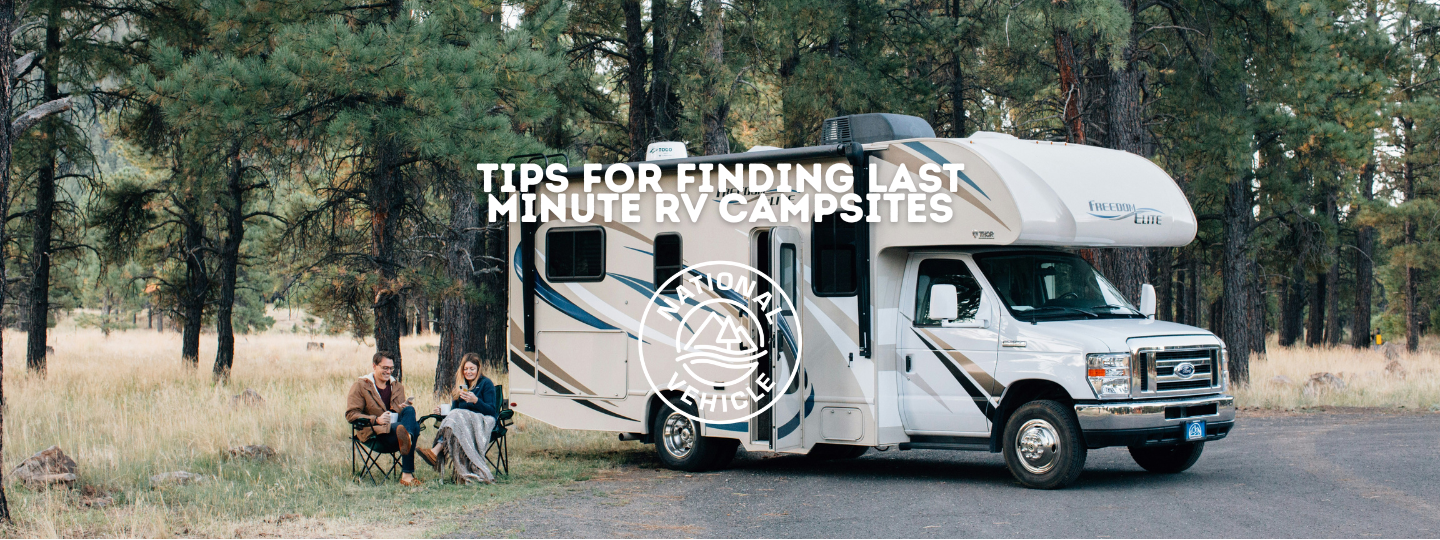
Tips for Finding Last Minute RV Campsites