
5 Things to Know Before Your First RV Purchase

Your RV Needs
The most important thing you need to know before your first RV purchase this year is what YOU need in an RV. It is important to consider what the RV industry presents, what the RV community thinks, and more. However, the most important first step is understanding how you will use your RV. Answer these questions to help generate a concept of your first RV.
- Camping – What type of camping will you do? Do you want to camp in national and state parks? If so, many parks have length limits on RVs (under 35 feet). So identify where you will go camping. Will your RV work for the places you want to camp?
- Space – How many people will RV with you? Will you take pets? Is there an area for everyone to ‘do their own thing’? Do you need a big shower? How much food will you take with you – need a big fridge? Are you taking large toys? Can you load bikes or kayaks?
- Resources – Will you boondock (camp without hookups)? Do you need large tanks for water and sewer? Will you always be hooked up in a campground? How often will you need a dump station? Will you need a generator so you can run appliances?
The RV Industry
The RV industry has great information to offer before you make your first RV purchase. Skip past the feel-good marketing and promises of a new adventure if you buy a certain RV. The adventures and experiences will come from observing the facts for buying an RV that can facilitate your dreams. Here is the concrete expert information you can rely on.
- Inspections – When you decide on your first RV schedule an inspection with a licensed RV inspector. This is expert information that can benefit you in many ways. If they find a few things wrong with the rig, you can use this to negotiate a better price. And you have a list of items you know will need to be repaired. If they find too many things wrong, you have saved yourself much agony and lost time and money.

- Resale Value – It depends on your future RV plans but you should be aware of the RV resale value. RVs are not an investment because their value goes down each year. But starting off with a brand with a higher resale value can help you invest or sell later.
- Test Drives – Once you have made a list of what you need in an RV, take a test drive. Do a walk-through. I walked through an RV and couldn’t reach any of the cabinets in the kitchen without a footstool – and I’m average height! A physical viewing of the rig will let you know if the shower is too small or if you can’t access anything while the slides are in.
The RV Community
Everyone who owns an RV has their own set of requirements, preferences, and camping goals. But you can get a lot of advice from Facebook RV groups and online forums. Get involved in the RV community before you buy. They are a very helpful group with lots of advice based on experience.
- Brands – There are forums for specific brands. Many brands have group camping events you can join. This is the perfect time to rent the brand and camp with like-minded owners. You will get a wealth of information before you make an investment. Also, take the time to follow YouTube videos of brand ambassadors (RVers who promote a specific brand and are living the lifestyle).
- Tips – Learn from the RV community what upgrades they have made to their RV. Maybe there is an RV on your list but there are one or two things you would like to change. Find out how easy it would be to make a change to the rig you are interested in so it meets your RVing needs.
- Repairs – Don’t buy your first RV and find out this brand always needs fixing. See how easy repairs are on the rig you want. How often do specific appliances, slides, etc., break down? If you need to take it in for a repair, how fast is the RV brand about getting it done? Do they honor repairs or give you the run-around?
Protecting Your Investment
You need to know how you are going to protect your first RV purchase. It is better to have these items set up in advance. You don’t want to scramble at the last minute and make rushed decisions. Making these protection decisions in advance will save you money.
- Insurance – Get the coverage you will need on your rig type. Be aware that some policies require a separate rider to cover your RV roof. And if you are full-time, your coverage will be different too. Don’t forget to insure the contents of your RV too. Even if you plan to park it in your garage – insure it while not in use. Your garage may burn and it might not cover vehicles parked inside.
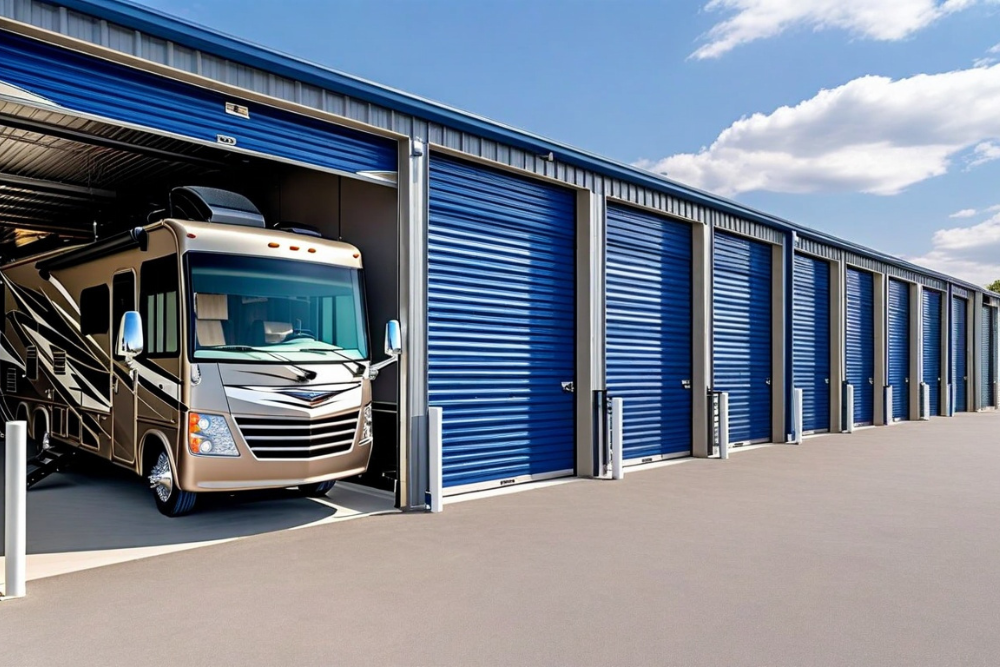
- Storage – It depends on how often you will RV on what storage you will need. If you plan to go out every weekend, maybe an outdoor storage option is perfect for you. Will you keep it at your home? If so, is there an issue with an HOA? If you only take it out once a year, you may want covered or climate-controlled environments. Or, will you become a full-timer? No storage is needed.
- Maintenance – Create or borrow a checklist. There are RV checklists for maintaining everything inside and out on your rig. It is important to maintain an RV. So plan to have monthly, quarterly, and annual lists you faithfully implement.
Future RV Plans
You won’t know everything in advance. This is your first RV purchase. But you may have a few ideas about your future that will also affect the purchase of your first RV. So consider what your long-term goals may be with an RV lifestyle.
- Single RV Purchase – Do you plan on this being your only RV purchase, hopefully? Then you may want to take more time to ensure this purchase meets your needs. Do you plan on leaving it to the next generation when you are finished with RVing? You may want to integrate their input on the RV.
- Multiple Upgrades – Upgrades every 2-3 years are not uncommon in RV purchases. Your needs and wants change through the years. If this is the case for you, you will want to look for an RV that meets your immediate needs but one that will have a good resale value.
- Downsizing – You start off in a big rig so it matches your previous brick-and-mortar lifestyle. It is OK for your first to be a big rig as long as you know the limitations for campgrounds or the complications in driving and parking it. Your lifestyle may be more active now and you need more space. Purchase a big rig that will have a resale that makes it possible to downsize without a large expense later.
It may seem overwhelming in the beginning as you think about your first RV purchase. Take small steps, learn what you need to know before you purchase, and prepare for your RV purchase. Don’t get trapped in an endless circle of gathering information though. At some point, you need to move forward and make your purchase. Being prepared gives you the confidence you are making the best decision possible. Enjoy your new RV!
Affordable Adventures: How to Finance a Used RV

Choosing an RV that’s Perfect for Your Lifestyle in 2026

Buying an RV: Here’s What You Need to Know